

Personal hygiene is the cornerstone of our daily well-being and self-confidence. It's a collection of habits that go far beyond a quick wash, forming a routine that cares for our body from head to toe. Establishing a consistent cleanliness ritual not only helps us feel fresh and presentable but also plays a significant role in maintaining the health of our skin and hair. It's an act of self-care that builds a foundation for looking and feeling good. Let's explore the key principles that form a comprehensive and effective daily hygiene routine.
The Foundation: Proper Hand Hygiene
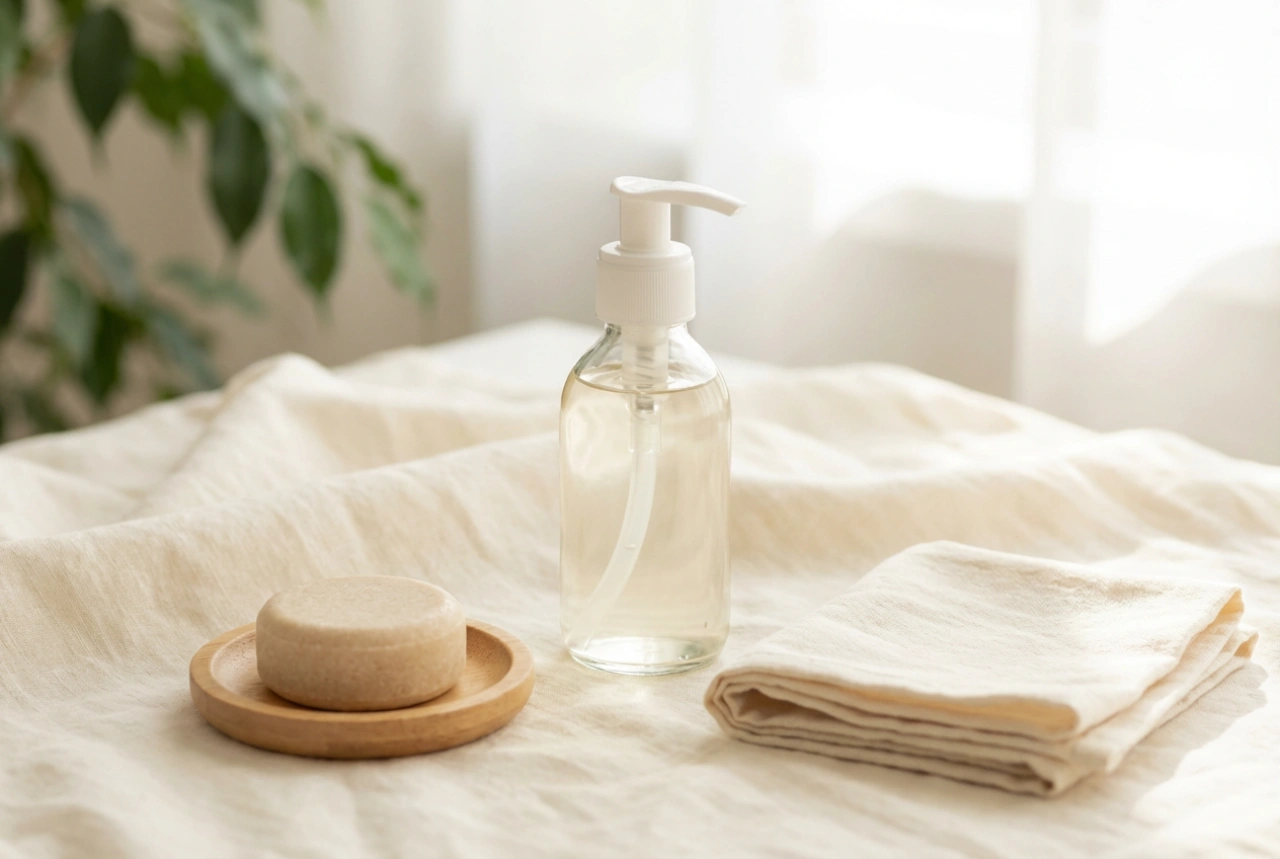
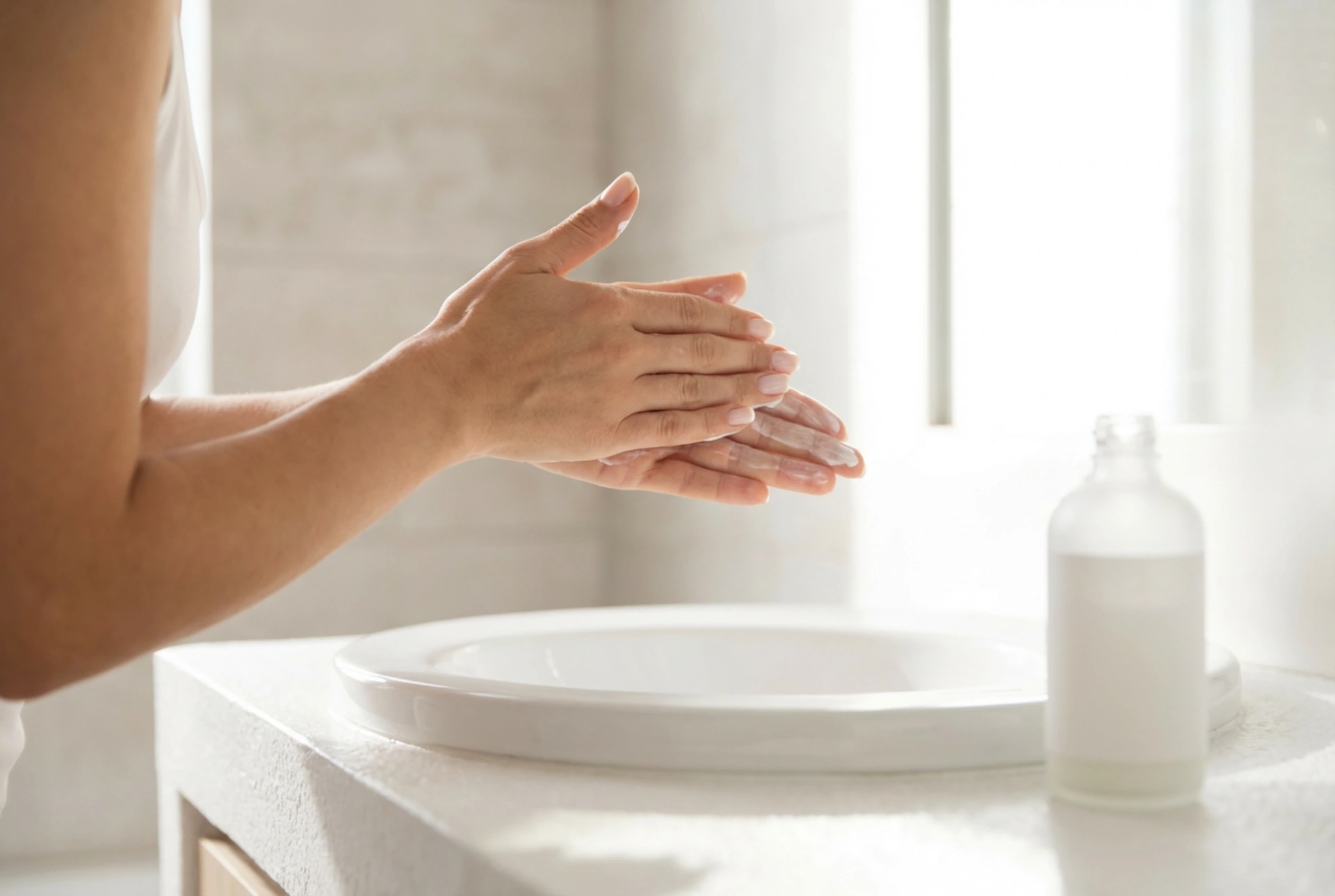
Our hands come into contact with countless surfaces throughout the day, making them a primary vehicle for transferring dirt and microbes. Regular and thorough hand washing is the single most important hygiene practice. It's essential to wash your hands before preparing or eating food, after using the toilet, after coughing or sneezing, and after touching public surfaces. Use warm water and a suitable cleansing product. Lather for at least 20 seconds, making sure to clean the back of your hands, between your fingers, and under your nails. Rinse thoroughly and dry your hands with a clean towel.
Daily Body Cleansing
A daily bath or shower is crucial for removing sweat, dead skin cells, and daily grime. It helps to keep your skin feeling fresh and can be a relaxing part of your morning or evening routine. Pay attention to the type of products you use, opting for gentle cleansers that respect your skin's natural pH balance.
Full-Body Washing
Use a mild body wash and a soft cloth or sponge to gently cleanse your entire body. Pay special attention to areas that tend to sweat more, such as the underarms, groin, and feet. Rinsing thoroughly is just as important as washing, as leftover product residue can sometimes cause dryness or irritation. After washing, pat your skin dry with a clean, soft towel rather than rubbing vigorously, which can be harsh on the skin.
Intimate Hygiene
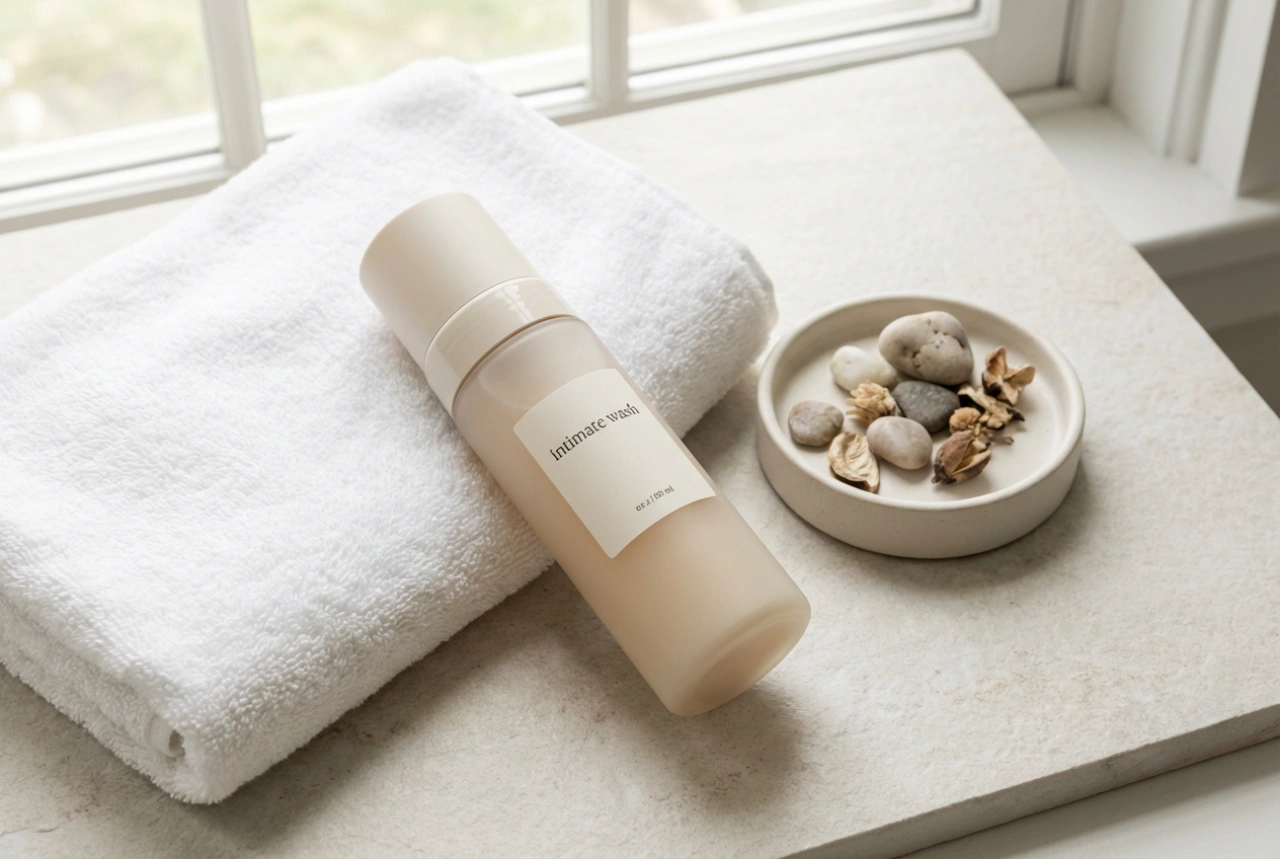
The intimate area requires special, gentle care. It's best to use plain warm water or a specially formulated, pH-balanced intimate wash. Avoid using regular soaps or scented shower gels in this delicate area, as they can disrupt the natural balance and lead to discomfort. Always wash from front to back to prevent the transfer of bacteria. Clean, breathable cotton underwear, changed daily, is also a key part of maintaining good intimate hygiene.
Oral Health: The Key to a Fresh Smile
Good oral hygiene is about more than just having white teeth; it's essential for overall health. A consistent routine helps to keep your mouth feeling fresh and clean. Brush your teeth at least twice a day—once in the morning and once before bed—for two minutes each time. Use a soft-bristled toothbrush and a fluoride toothpaste. Remember to gently brush your tongue or use a tongue scraper to remove bacteria that can contribute to bad breath. Daily flossing is also non-negotiable, as it removes food particles and plaque from between the teeth where a toothbrush can't reach.
Hair and Scalp Care
Keeping your hair and scalp clean is another important aspect of personal hygiene. How often you need to wash your hair depends on your hair type and lifestyle. Those with oily hair may need to wash it daily, while those with dry hair might find that washing every two to three days is sufficient. Use a shampoo and conditioner suited to your hair's needs. Focus the shampoo on the scalp to remove oil and buildup, and apply conditioner primarily to the ends to restore moisture. Also, remember to regularly clean your hairbrushes and combs to remove trapped hair, oil, and product residue.
Cleanliness of Personal Items
Your personal hygiene routine extends to the things you use every day. Wearing clean clothes, especially underwear and socks which should be changed daily, is fundamental. Towels should not be shared and should be washed regularly—ideally after every two to three uses. Similarly, bed linens, particularly pillowcases, should be changed and laundered weekly to remove sweat, oil, and skin cells that accumulate over time. These simple habits contribute significantly to your overall sense of cleanliness and well-being.