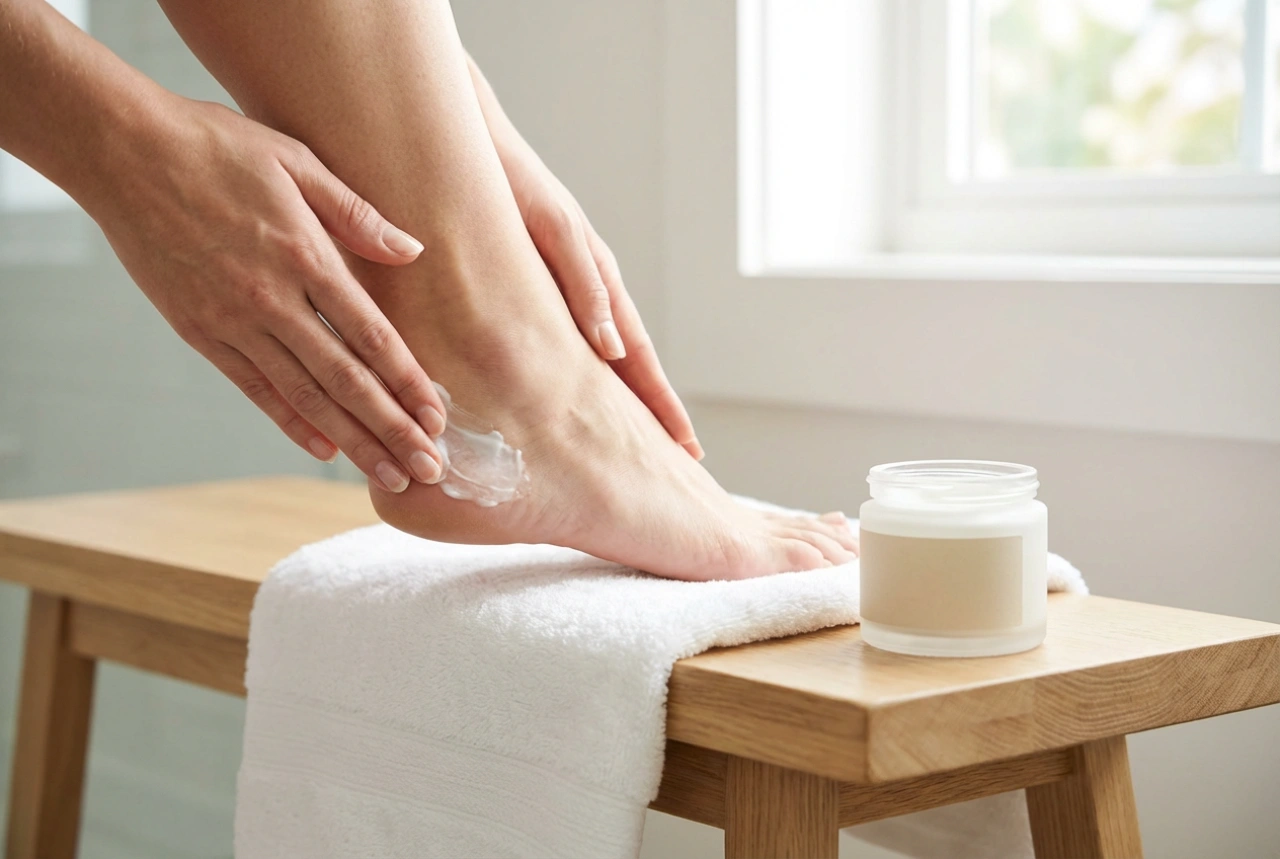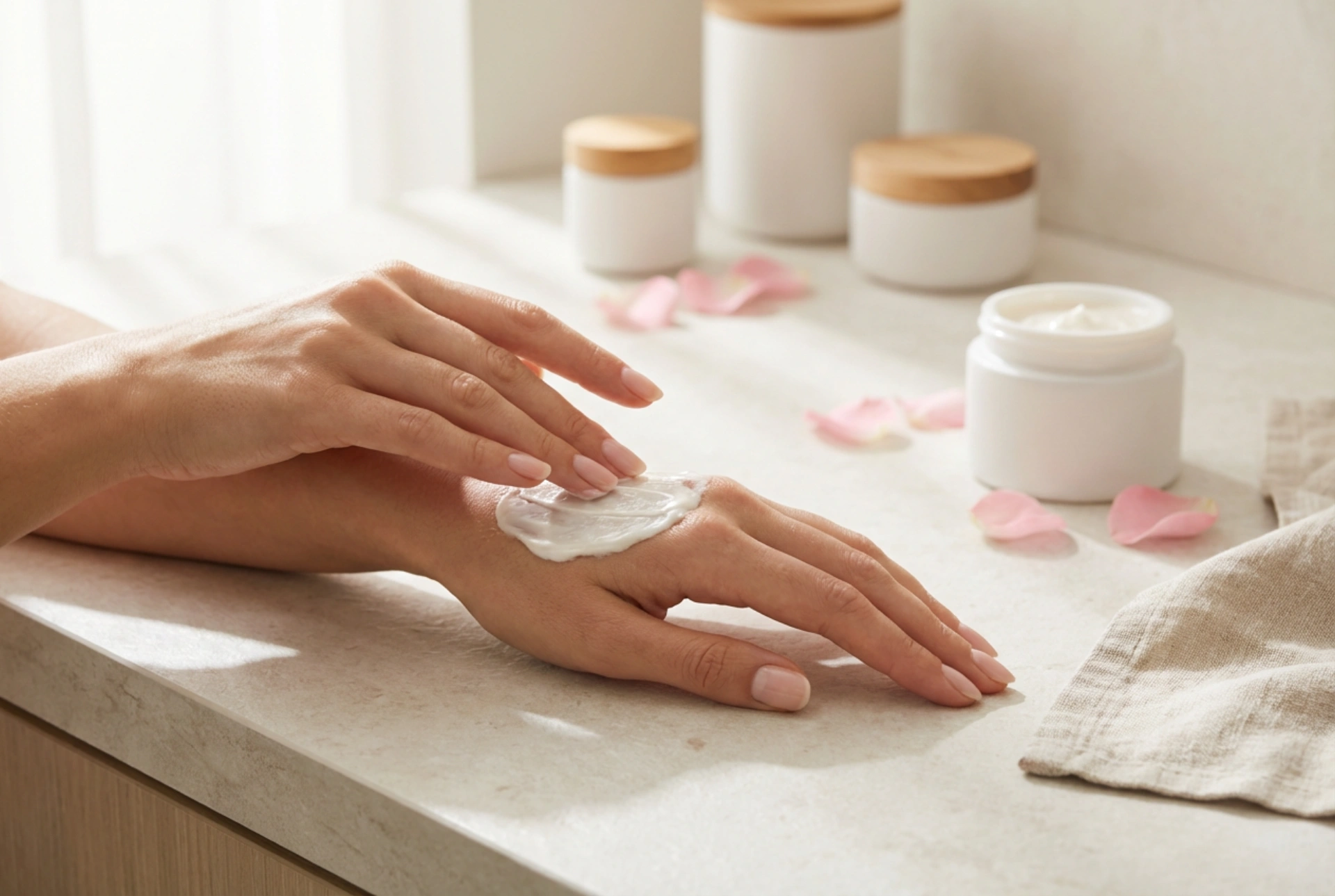


Our hands are constantly at work and exposed to various environmental factors like sun, wind, and frequent washing. This can lead to dryness, roughness, and a feeling of discomfort. While daily hand cream is essential, sometimes our hands need a more intensive treatment to restore their softness and hydration. A hand mask is a perfect solution, offering a concentrated dose of nourishing ingredients in a simple at-home treatment, similar to the serene pampering scene depicted by hands gently applying a rich cream.
What is a Hand Mask and Why Should You Use One?
A hand mask is a rich, intensive treatment designed to deliver a high concentration of hydrating and nourishing ingredients directly to the skin of your hands. Think of it as a facial for your hands. Unlike a standard hand cream, which is designed for daily maintenance, a mask is used less frequently to provide a deep conditioning boost. Regular use can significantly improve the condition of your skin, leaving it feeling softer, smoother, and more comfortable.
The primary benefits of using a hand mask include deep moisturisation to combat dryness and flakiness, softening of the skin and cuticles, and improvement of the skin's overall texture and appearance. It also provides a wonderful opportunity for a moment of relaxation and self-care.
Key Ingredients to Look for in a Hand Mask
The effectiveness of a hand mask lies in its formulation. When choosing one, or even when making a simple version at home, look for ingredients that provide intense moisture and protection. These can generally be categorised into a few key groups.
Humectants
Humectants are ingredients that attract water from the air or from deeper within the skin and bind it to the surface. This helps to plump up the skin and provide immediate hydration. Common examples include:
- Glycerin: A highly effective and common humectant that helps the skin retain moisture.
- Hyaluronic Acid: Capable of holding many times its weight in water, it provides excellent hydration.
Emollients
Emollients work by filling in the gaps between skin cells, which helps to soften and smooth the skin's surface. They are crucial for improving skin texture and feel. Look for nourishing butters and oils such as:
- Shea Butter: Rich in fatty acids and vitamins, it is incredibly nourishing and helps to soothe dry skin.
- Cocoa Butter: Another excellent emollient that forms a protective barrier on the skin to hold in moisture.
- Plant Oils: Oils like jojoba, almond, avocado, and coconut oil are packed with nutrients that soften and condition the skin.
Occlusives
Occlusive ingredients form a physical barrier on the skin's surface to prevent moisture loss, also known as transepidermal water loss (TEWL). This is particularly beneficial for very dry or chapped hands. Ingredients like beeswax or certain types of paraffin create a protective seal over the skin, locking in the benefits of other hydrating ingredients.
Vitamins and Antioxidants
Vitamins and antioxidants help to protect the skin from environmental damage and support its natural repair processes. Vitamin E is a powerful antioxidant that also has moisturising properties, while Vitamin C can help to brighten the skin's appearance.
How to Correctly Apply a Hand Mask
To get the most out of your hand mask, it’s important to apply it correctly. Following a few simple steps will ensure the ingredients can work their magic effectively.
Step 1: Preparation
Always start with clean, dry hands. Wash them with a gentle soap and pat them dry with a soft towel. For an enhanced treatment, you can gently exfoliate your hands beforehand with a mild scrub. This will remove dead skin cells and allow the mask to penetrate more deeply.
Step 2: Application
Apply a generous, thick layer of the mask all over your hands. Don’t forget the backs of your hands, your palms, your fingers, and especially your cuticles, which often become dry and ragged.
Step 3: The Waiting Period
This is the time for the active ingredients to absorb into the skin. Most hand masks recommend a waiting time of 15-20 minutes. Always check the specific instructions for the product you are using. To maximise the effect and to keep your surroundings clean, you can wear a pair of cotton gloves over the mask. The warmth generated inside the gloves will help the ingredients to penetrate even more effectively.
Step 4: Removal
Once the time is up, the removal process can vary. Some masks are designed to be rinsed off with lukewarm water. Others are 'leave-on' formulas where you simply massage the remaining product into your skin until it is fully absorbed. Both methods are effective, so follow the directions provided.
Post-Treatment Care for Lasting Softness
A hand mask provides an immediate boost, but consistent care is key to maintaining soft, healthy hands. After your treatment, there are a few things you can do to prolong the benefits.
If you've massaged the excess product in, allow it a few minutes to fully absorb. For an extra layer of protection, follow up with your favourite daily hand cream. This will help to seal in all the moisture and nourishing ingredients from the mask.
Incorporate a hand mask into your routine once or twice a week, or whenever your hands feel particularly dry and in need of extra care. In between treatments, remember to practise good daily hand care. This includes using a moisturising hand wash, wearing protective gloves when doing household chores or gardening, and applying hand cream throughout the day, especially after washing your hands.