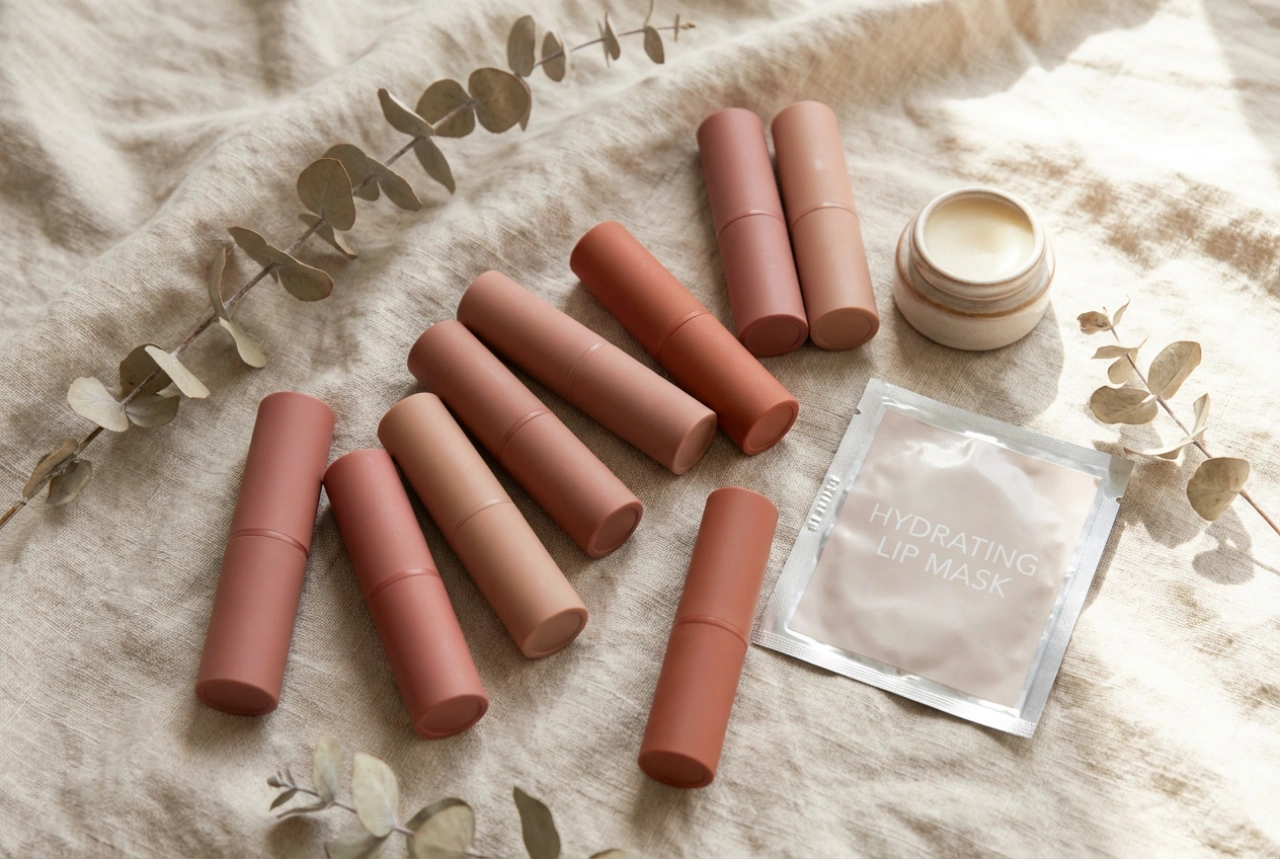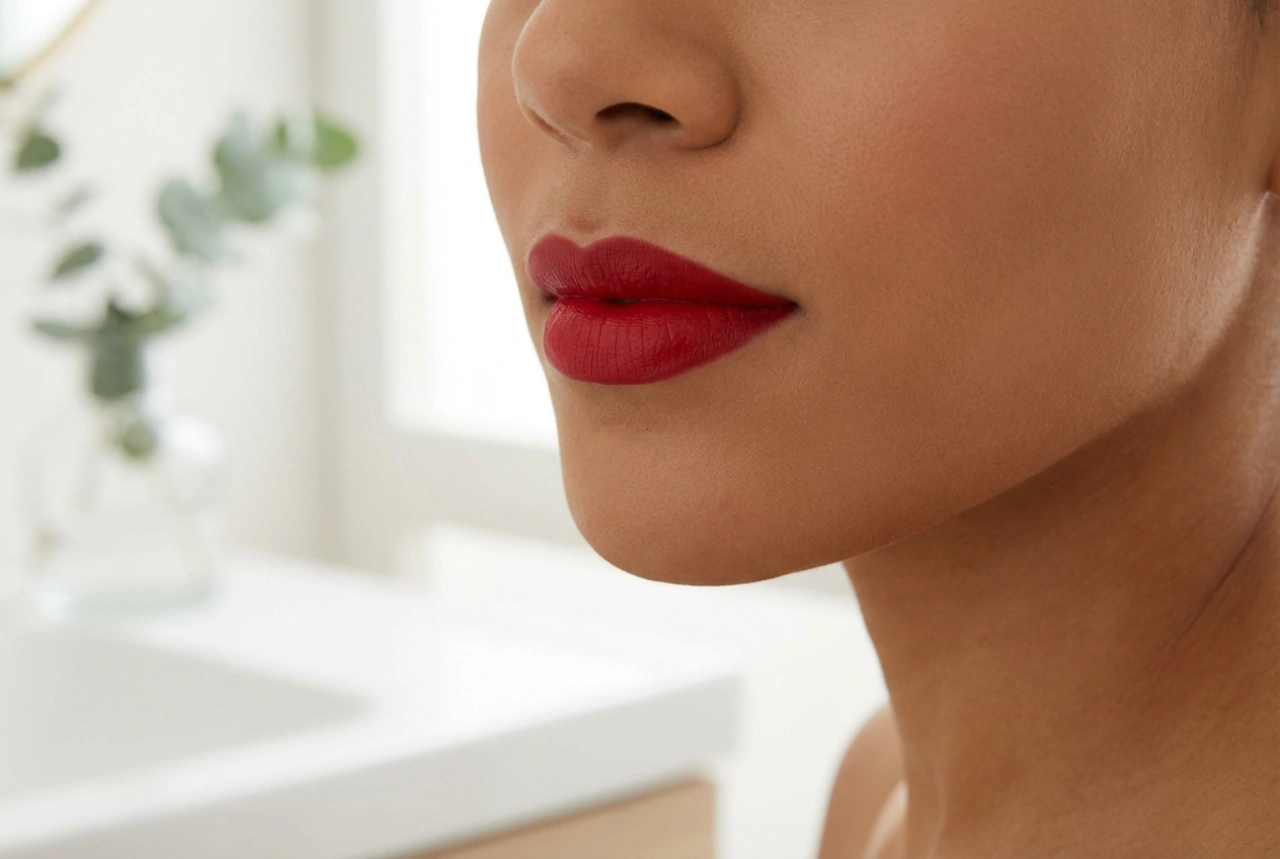


Coral lipstick is a timeless choice that brings a touch of warmth and vibrancy to any makeup look. With its beautiful blend of orange, pink, and red tones, it can brighten the complexion and add a cheerful pop of colour. The array of coral shades, from soft, delicate peaches to bold, fiery orange-reds, means there is a perfect hue for everyone. Understanding which shade complements your skin tone and how to apply it can transform your makeup routine. This guide will help you navigate the world of coral lipstick with confidence.
Understanding the Spectrum of Coral
The term 'coral' encompasses a wide range of colours. It is not one single shade but a family of hues that can lean more towards pink, orange, or even red. Familiarising yourself with these variations is the first step to finding your ideal match.
- Pink-Corals: These shades have a strong pink base with a hint of warm orange. They are often soft and approachable, making them a great entry point into wearing coral.
- Orange-Corals: These are true, vibrant corals with a dominant orange tone. They are energetic and eye-catching, perfect for making a statement.
- Red-Corals: With a deeper, reddish base, these corals offer a sophisticated and classic look. They provide the boldness of a red lip with the added warmth of orange.
- Peach-Corals: These are the softest shades in the coral family, featuring gentle orange and pink tones. They give a subtle, fresh, and youthful glow to the lips.
Matching Coral Lipstick to Your Complexion
The key to wearing coral beautifully is choosing a shade that harmonises with your natural skin tone and undertones. While there are no strict rules in makeup, these guidelines can help you find your most flattering options.
Choosing Based on Skin Tone
Your overall skin depth—fair, medium, or deep—is a great starting point for narrowing down your choices.
- For Fair to Light Skin: Softer coral shades work wonderfully. Look for light pink-corals or peachy tones. These hues add a delicate warmth without overpowering a fair complexion. Very bright, intense orange-corals can sometimes appear too harsh, so a softer approach is often more flattering.
- For Medium to Olive Skin: This skin tone is incredibly versatile and can carry a wide range of corals. From vibrant, electric orange-corals to rich pink-corals, most shades will look stunning. The natural warmth in medium and olive skin beautifully complements the warmth in coral lipstick.
- For Deep to Dark Skin: Bold is beautiful. Highly pigmented, intense corals create a striking and gorgeous contrast against deep skin tones. Bright orange-reds, deep tangerine hues, and rich, warm corals will pop beautifully and illuminate the entire face.
Considering Your Skin's Undertone
Your skin's undertone—the subtle colour beneath the surface—also plays a role. To find yours, look at the veins on your wrist. If they look blue, you likely have cool undertones. If they look green, you have warm undertones. If it is hard to tell, you may have neutral undertones.
- Cool Undertones (pink, red, or blueish hints): If you have cool undertones, opt for corals that have more pink in them. Pink-corals will harmonise with the natural coolness in your skin.
- Warm Undertones (yellow, golden, or peachy hints): True orange-corals and peach-toned shades are your best friends. These colours will enhance the natural golden warmth in your complexion.
- Neutral Undertones (a mix of warm and cool): You have the best of both worlds! Most coral shades, from pink-leaning to orange-leaning, will likely suit you well.
Techniques for a Flawless Application
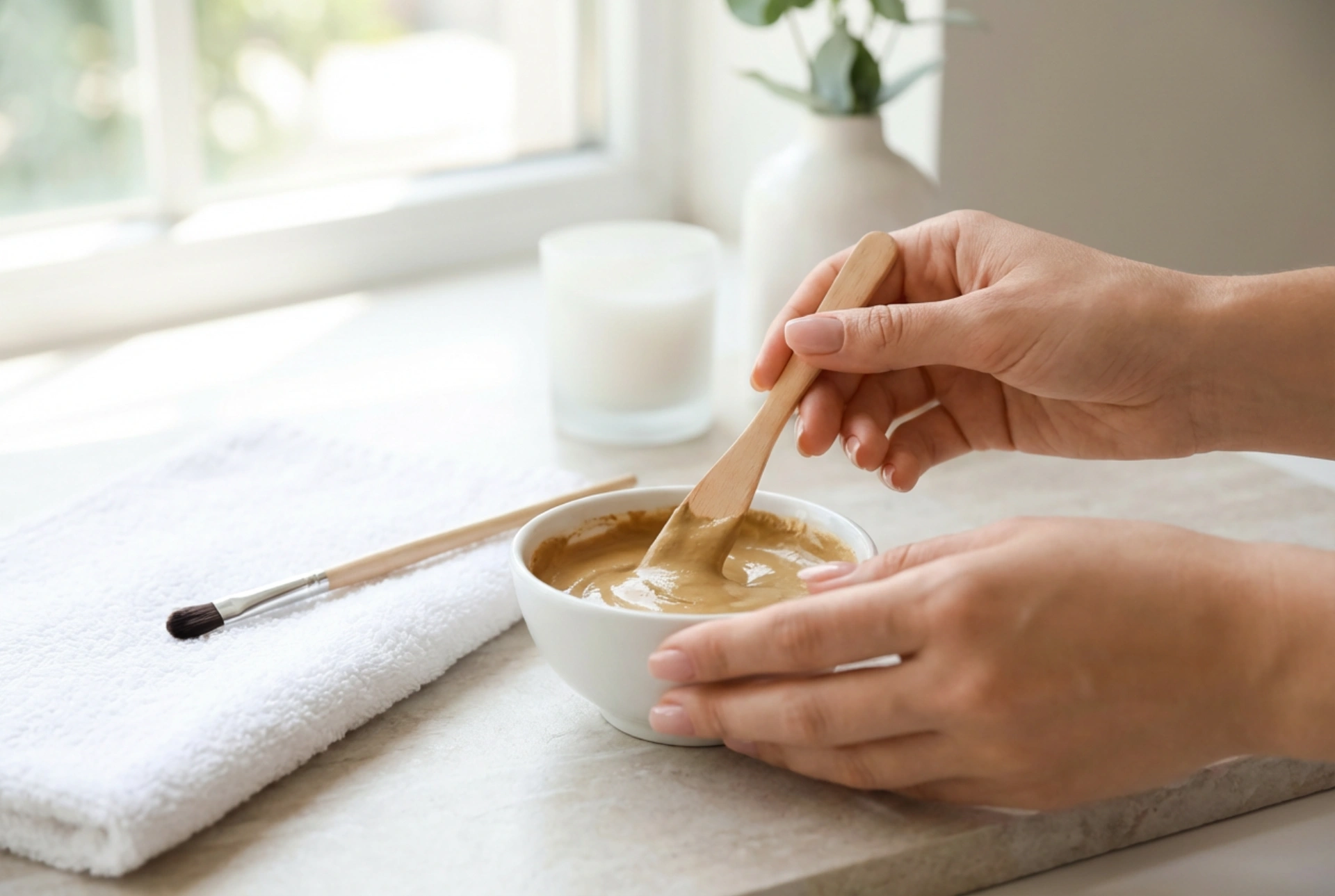
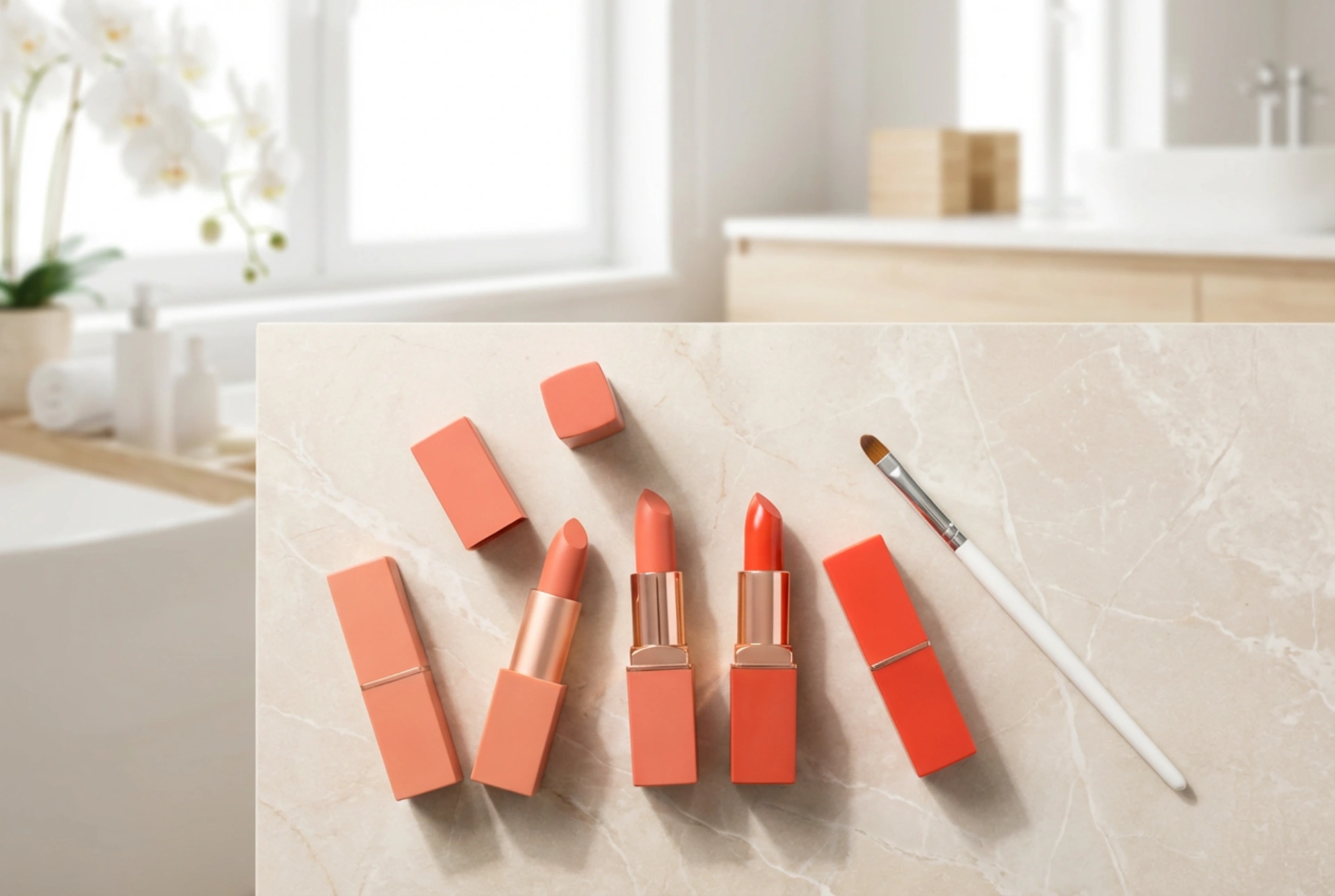
Once you have found your perfect shade, the right application technique ensures it looks polished and lasts all day. The pristine lip brush shown alongside the lipsticks is a hint towards achieving a refined finish.
Step 1: Prepare the Lips
A smooth canvas is essential. Gently exfoliate your lips with a soft lip scrub or a damp cloth to remove any dry skin. Follow up with a light layer of lip balm to moisturise and hydrate. Blot away any excess balm before applying colour.
Step 2: Define with a Lip Liner
Using a lip liner helps to create a clean, defined lip shape and prevents the lipstick from feathering or bleeding. Choose a liner that closely matches your natural lip colour or the shade of your coral lipstick. Carefully outline your lips, and for extra longevity, you can also lightly fill them in.
Step 3: Apply the Lipstick
You have a few options for application, each creating a different effect:
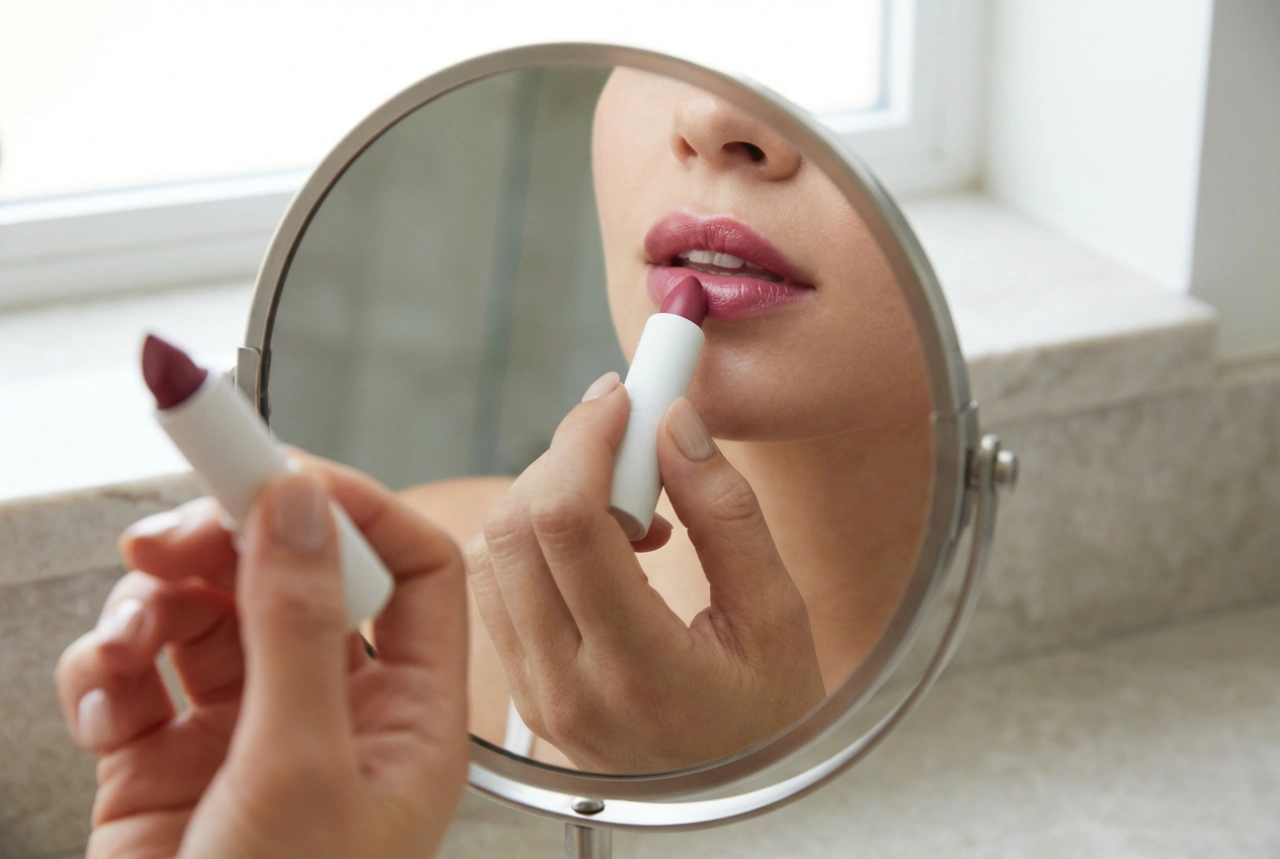
- Directly from the bullet: For a full-coverage, bold look, apply the lipstick straight from the tube. Start in the centre of your top lip and work your way outwards, then repeat on the bottom lip.
- With a lip brush: For ultimate precision and control, use a lip brush. Pick up colour from the lipstick bullet and carefully paint it onto your lips, starting with the outline and then filling in the rest. This method allows for a very sharp and professional-looking finish.
- Dabbed with a fingertip: For a soft, stained effect, dab the lipstick onto your lips with your ring finger. This technique provides a sheer wash of colour that looks natural and effortless.
Step 4: Blot and Set
To make your lipstick last longer, place a thin tissue over your lips and gently press. This removes excess product. For even more staying power, you can dust a tiny amount of translucent powder over the tissue before removing it.