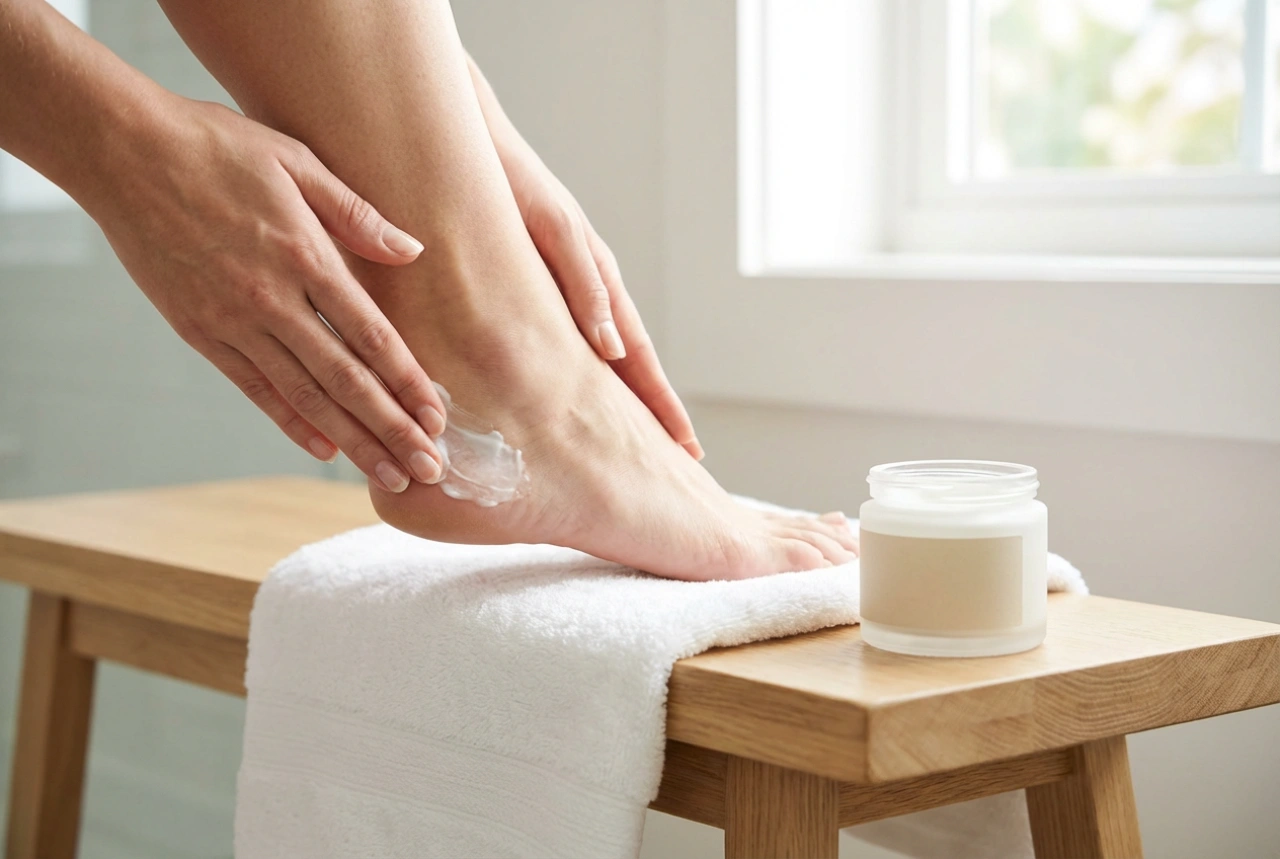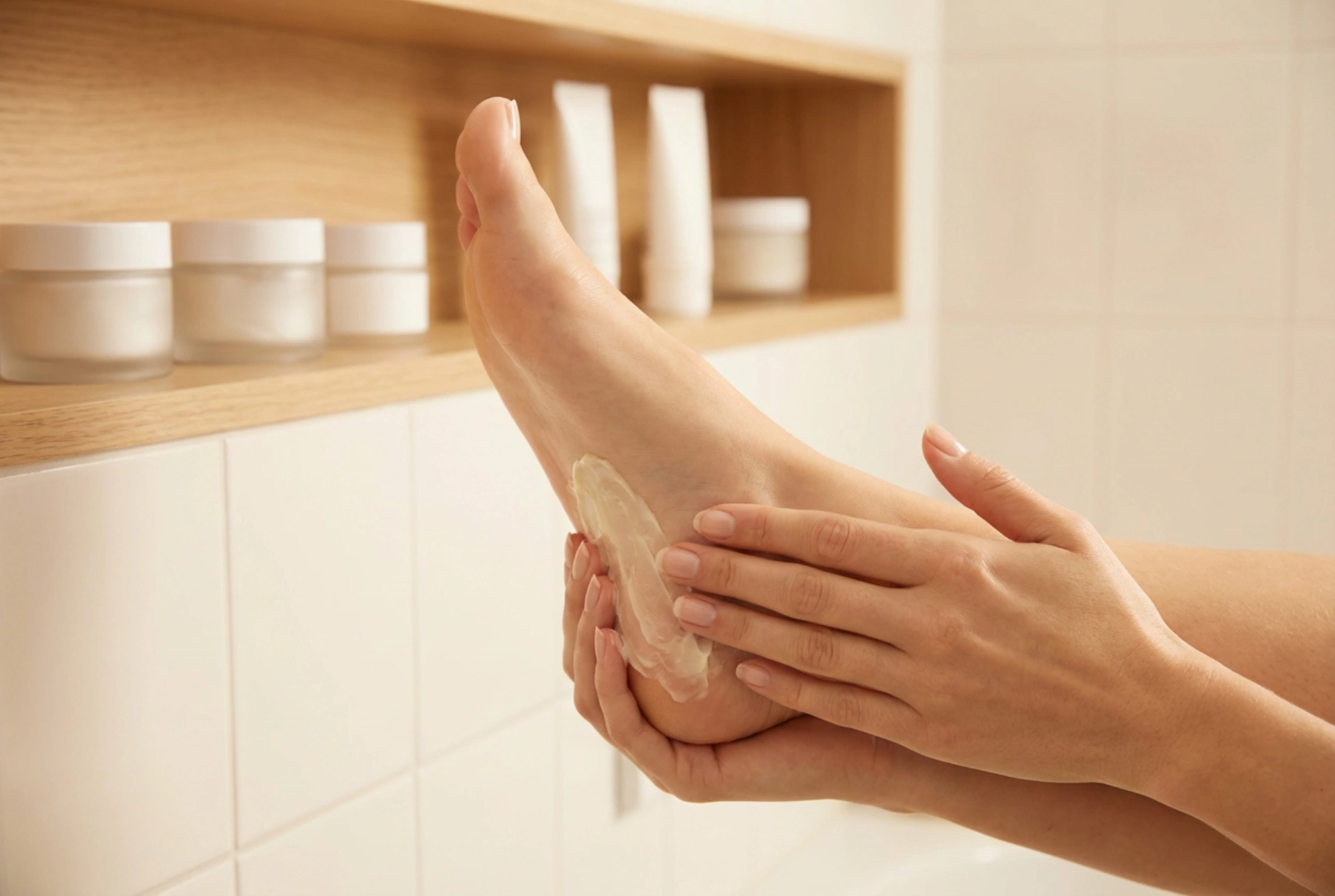


Taking care of our feet is an essential part of any beauty ritual, yet heels are often overlooked until they become noticeably dry and cracked. The feeling of rough skin can be uncomfortable, but with a consistent home care routine, you can restore their natural softness and smoothness. Incorporating a nourishing foot balm, as seen in the comforting ritual of applying it to a well-cared-for heel, is a cornerstone of effective foot maintenance.
Understanding the Causes of Dry and Cracked Heels
Before diving into a solution, it's helpful to understand why heels become prone to cracking. This condition, often referred to as heel fissures, typically happens when the skin on the bottom of your feet becomes very dry and thick. As you walk, the fat pad under your heel expands, causing this inflexible skin to crack. Common non-medical contributors include dry air (especially in winter), walking barefoot or in open-backed shoes, standing for long periods, and using harsh soaps that strip the skin of its natural oils. A lack of regular moisturisation is one of the biggest factors.
Your Step-by-Step Home Foot Care Routine
A dedicated routine performed a few times a week can make a significant difference. The goal is to gently remove the hard skin and then provide intense hydration. Consistency is the key to seeing and maintaining results.
Step 1: Soaking and Gentle Cleansing
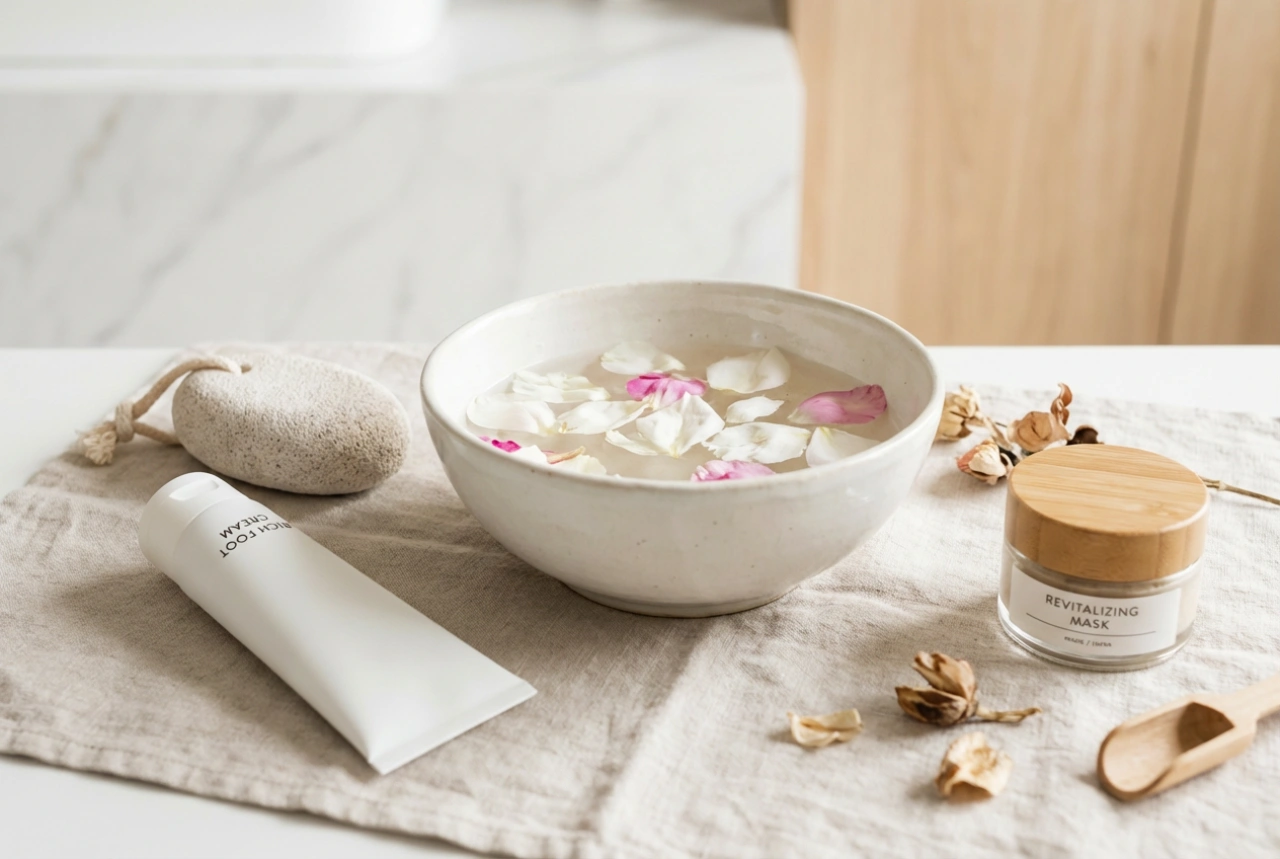
Begin by soaking your feet in lukewarm water for about 10-15 minutes. Avoid very hot water as it can strip the skin of moisture and worsen dryness. You can add a few drops of a gentle, hydrating bath oil or a mild cleanser to the water. This step helps to soften the thick, dry skin, making it easier to manage in the next stage.
Step 2: Gentle Exfoliation
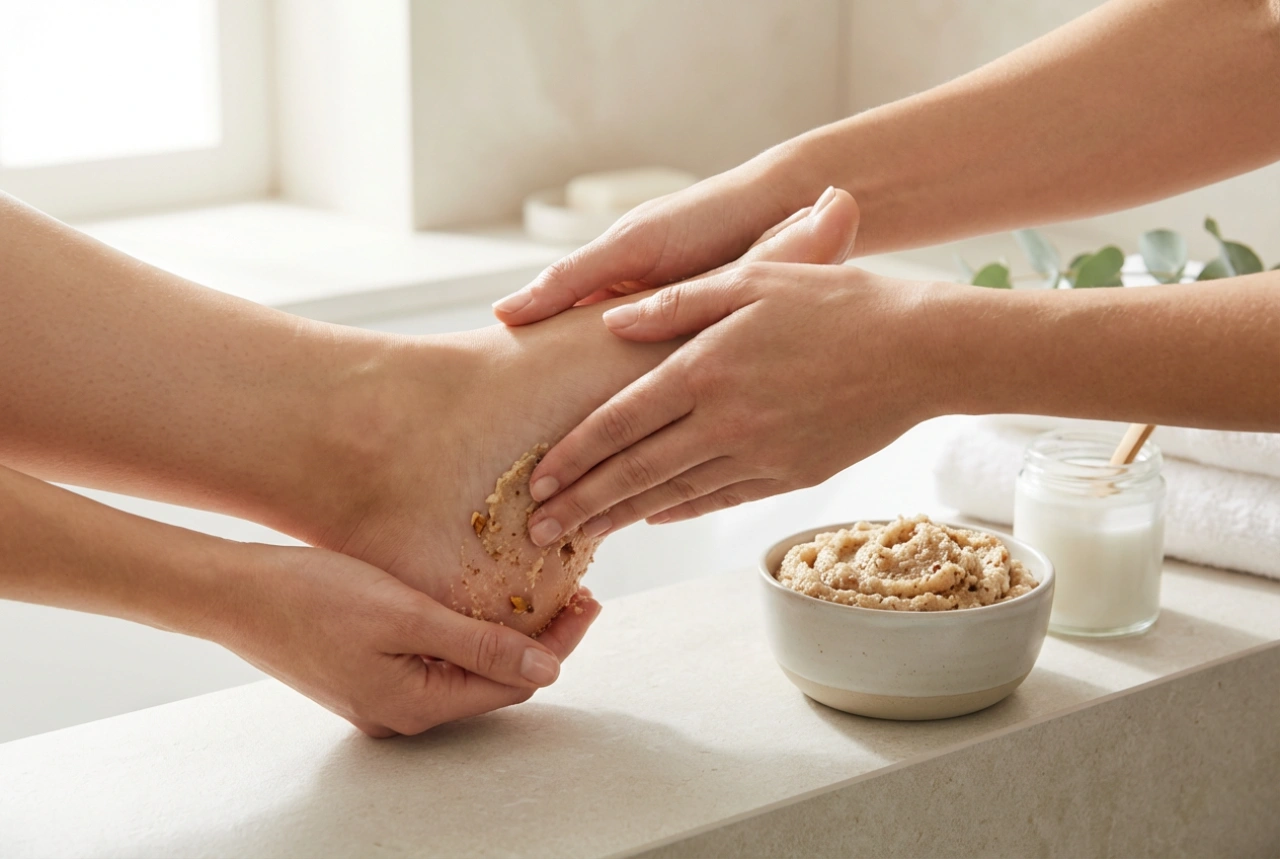
Once the skin is softened, use a pumice stone or a foot file to gently exfoliate the heels. Move the tool in one direction with light to medium pressure. The aim is to remove the outermost layer of dead skin, not to scrub aggressively. Over-exfoliating can damage the skin barrier and cause more harm than good. Pat your feet dry with a soft towel, leaving them slightly damp.
Step 3: Deep Moisturisation
This is the most critical step. Immediately after patting your feet dry, apply a generous amount of a rich, thick foot cream or balm. Look for products containing ingredients known for their intense hydrating and softening properties, such as urea, glycerin, shea butter, or cocoa butter. Massage the moisturiser thoroughly into your heels and the rest of your feet until it is well absorbed.
Lifestyle Habits for Softer Heels
In addition to your routine, certain daily habits can help prevent cracked heels from returning and keep your feet feeling soft all year round.
- Hydrate from Within: Drinking plenty of water throughout the day helps keep your skin, including the skin on your feet, hydrated.
- Choose Your Footwear Wisely: Whenever possible, opt for closed-heel shoes that provide support and prevent the fat pad under the heel from expanding sideways. If you wear sandals, moisturise your feet daily.
- Moisturise Before Bed: One of the most effective times to moisturise is right before you go to sleep. After applying your foot cream, put on a pair of clean cotton socks. This helps to lock in the moisture overnight, allowing the product to work deeply while you rest.
- Maintain Consistency: Don't wait until your heels are already cracked to start caring for them. Make foot care a regular part of your weekly self-care schedule.
By following this simple yet effective routine and incorporating these helpful habits, you can say goodbye to uncomfortable cracked heels. Consistent care will reward you with feet that not only look great but also feel wonderfully soft and healthy.