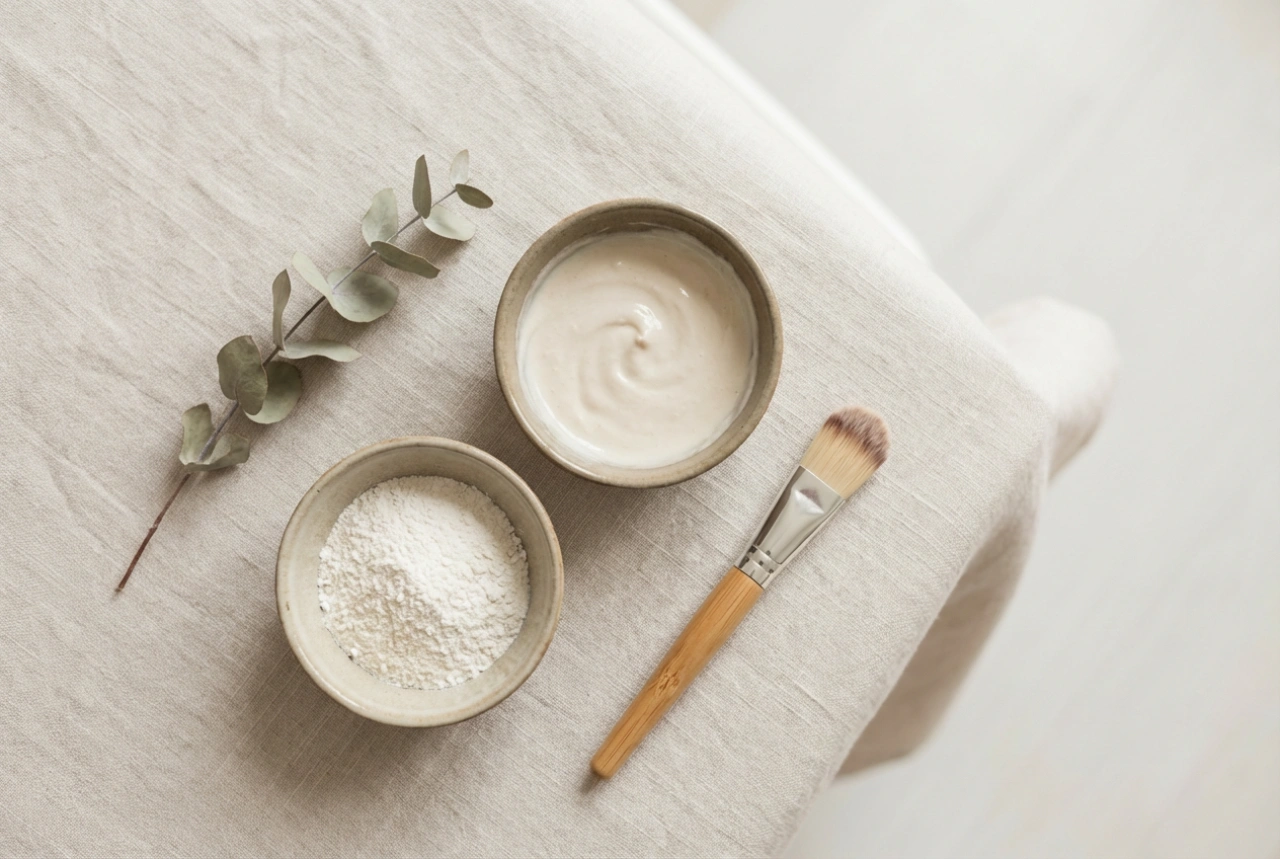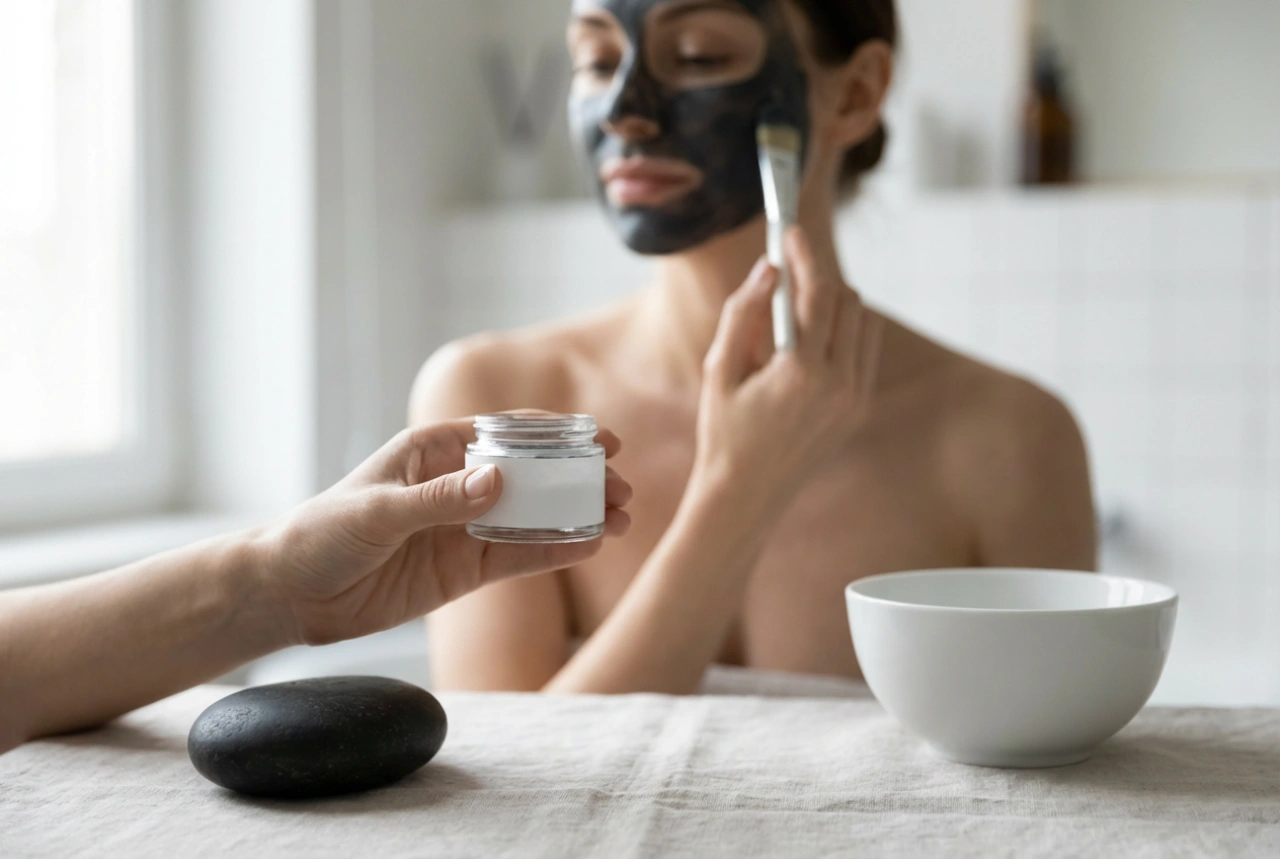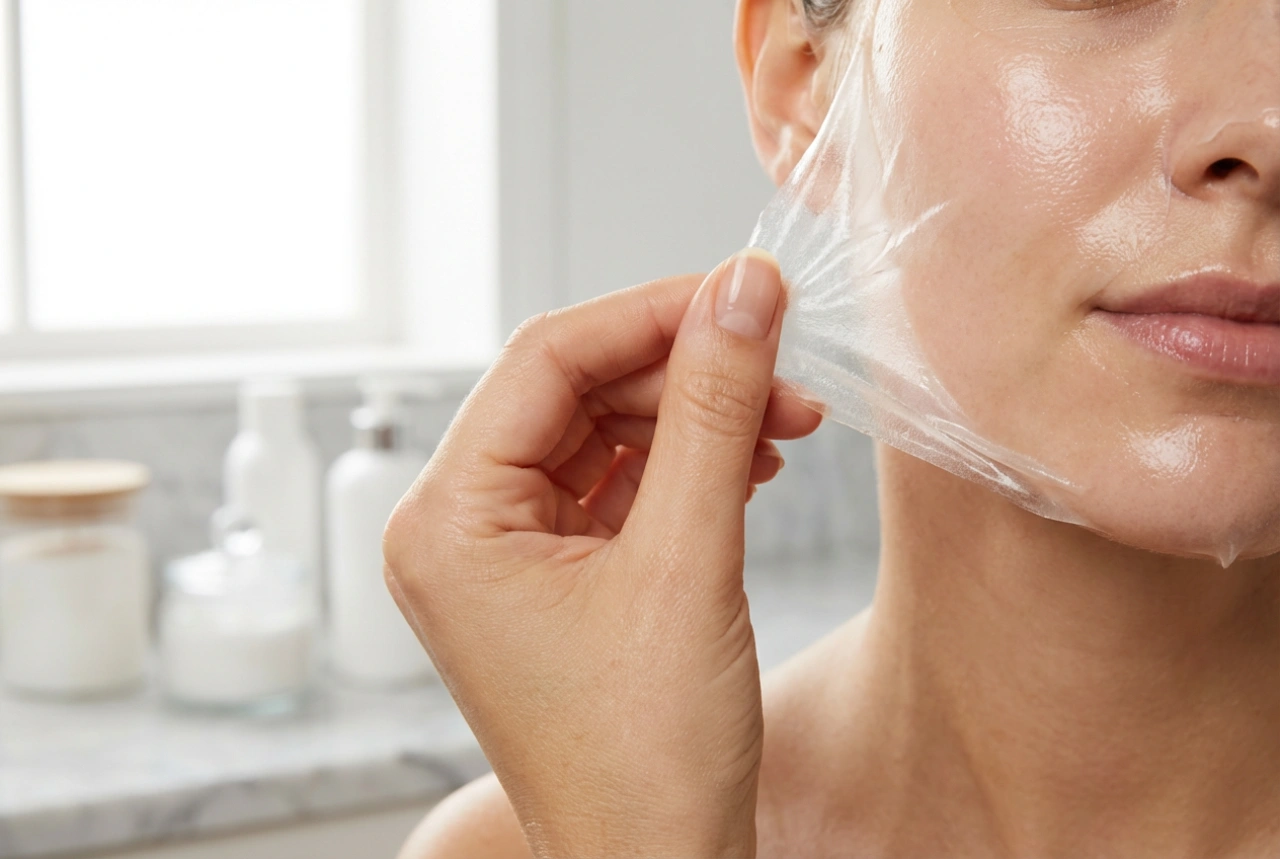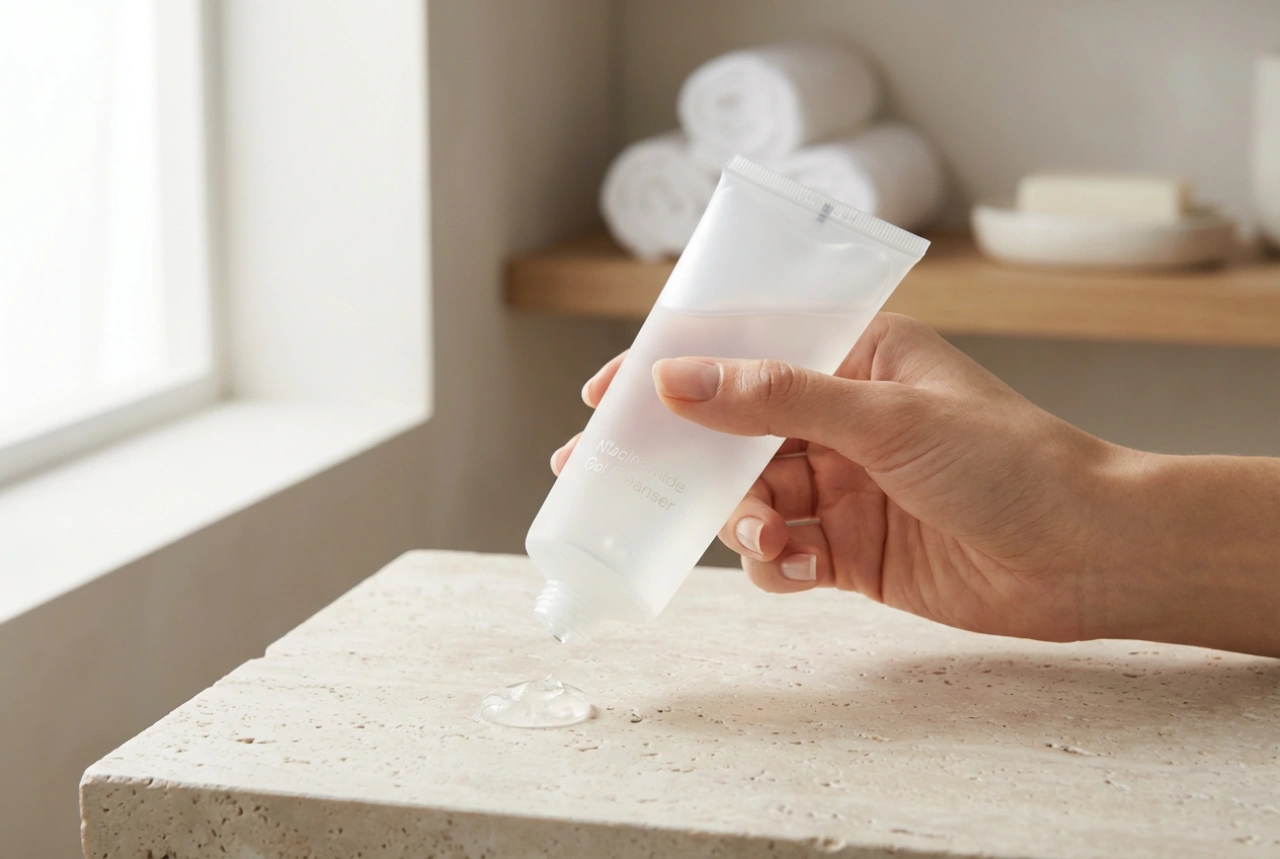


An evening skincare ritual is a moment of calm and regeneration, a time when we can use potent ingredients to support our skin's natural overnight renewal process. Among the most celebrated of these ingredients is retinol. A retinol mask, as suggested by the serene aesthetic of a sophisticated nighttime ritual, can be a powerful addition to your regimen. However, its efficacy is deeply tied to correct application, frequency, and its place within your overall routine. Understanding how to use it wisely is key to unlocking its benefits without causing irritation.
Understanding Retinol and its Role in a Mask
Retinol is a derivative of vitamin A and a member of the retinoid family. It is renowned for its ability to communicate with skin cells, encouraging them to behave in a healthier, more youthful manner. Its primary benefits include accelerating cell turnover, which helps to improve skin texture and tone, and stimulating collagen production, which enhances firmness and reduces the appearance of fine lines. When formulated into a mask, retinol is delivered in a concentrated dose, designed to work over a specific period, either as a wash-off treatment or a leave-on product, providing an intensive boost to your skincare.
How Often Should You Use a Retinol Mask?
The golden rule with any retinol product is to start low and go slow. This principle is especially important for a mask, which can be more potent than a daily serum.
- For Beginners: If you are new to retinol, begin by using the mask just once a week. This allows your skin to build tolerance, a process sometimes referred to as 'retinisation'. During this initial phase, you might experience some dryness or mild flaking, which is often a normal part of the skin's adjustment.
- Assessing Tolerance: Pay close attention to how your skin responds. If you experience no significant irritation after two to three weeks, you can consider increasing the frequency to twice a week. It is crucial to listen to your skin; signs of irritation like redness, stinging, or excessive peeling mean you should scale back.
- For Experienced Users: If your skin is well-acquainted with retinoids, you might be able to use a retinol mask two to three times per week. However, for most people, this frequency is the upper limit for a potent mask, as daily use is generally unnecessary and could compromise your skin barrier. Always use it in the evening, as sunlight can degrade retinol and increase skin sensitivity.
Building Your Evening Routine Around a Retinol Mask
Integrating a retinol mask requires a thoughtful approach to ensure the rest of your routine is supportive and hydrating. Here is a sample evening routine for the nights you use your mask:
Step 1: Gentle Cleansing
Start by thoroughly cleansing your face to remove all traces of makeup, sunscreen, and impurities. A gentle, non-stripping cleanser is ideal. Consider a double cleanse, starting with an oil-based cleanser followed by a water-based one, to ensure your skin is perfectly prepped.
Step 2: Application on Dry Skin
After cleansing, pat your skin completely dry. Applying retinol to damp skin can increase its penetration and heighten the risk of irritation. Apply a thin, even layer of the retinol mask, carefully avoiding the delicate skin around your eyes, the corners of your nose, and your mouth.
Step 3: Follow Product Instructions
Adhere to the time specified on the product's packaging. Some masks are designed to be rinsed off after 15-20 minutes, while others are formulated as overnight leave-on treatments.
Step 4: The 'Sandwich' Technique for Sensitive Skin
If your skin is particularly sensitive or you are new to retinol, the 'sandwich' method can be very effective. This involves applying a thin layer of a simple, hydrating moisturiser before the retinol mask, and another layer on top after it has been applied (or after rinsing, if applicable). This creates a buffer that can minimise potential irritation without completely negating the retinol's effects.
Step 5: Seal with a Nourishing Moisturiser
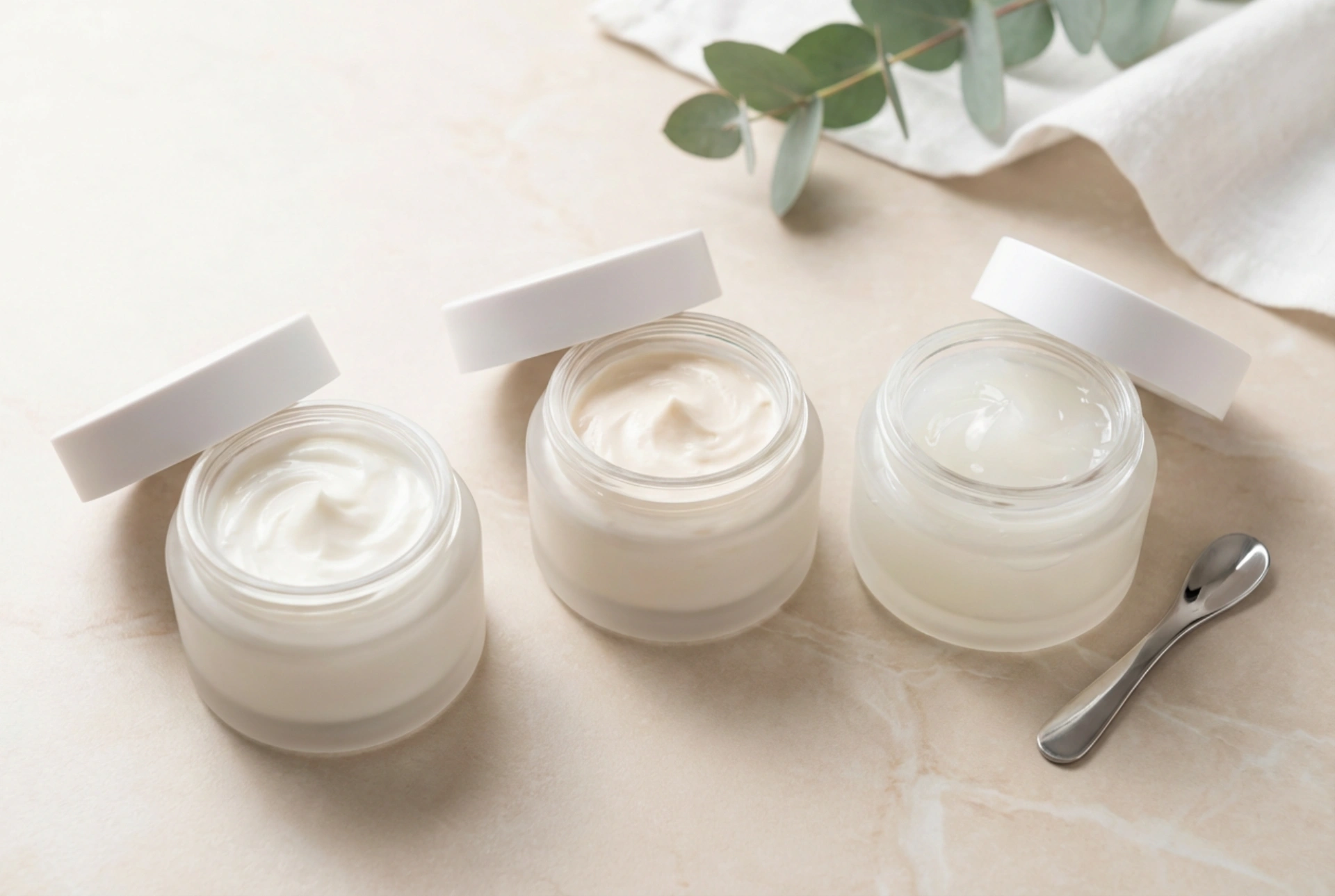
Hydration is your best friend when using retinol. After your mask treatment (whether rinsed off or left on to absorb), apply a generous layer of a rich, barrier-supporting moisturiser. Look for ingredients like ceramides, hyaluronic acid, peptides, and niacinamide to soothe, hydrate, and strengthen your skin.
What to Avoid on Retinol Nights
To prevent over-exfoliation and irritation, it's crucial to avoid using other potent active ingredients on the same night you use your retinol mask. This includes:
- Alpha-hydroxy acids (AHAs) like glycolic and lactic acid.
- Beta-hydroxy acids (BHAs) like salicylic acid.
- Vitamin C (which is best used in the morning anyway).
- Other exfoliants or scrubs.
It is best to alternate these ingredients on different nights to allow your skin to benefit from each one without being overwhelmed. Most importantly, daily use of a broad-spectrum sunscreen with a high SPF is non-negotiable when using retinol, as it makes your skin more susceptible to sun damage.