

Creating a personal sanctuary for beauty within your own home is a deeply rewarding experience. A dedicated haircare ritual, particularly an intensive treatment, can transform not only the appearance and feel of your hair but also provide a moment of calm and self-care. Developing a structured plan for your at-home hair treatments ensures you get the most out of your efforts, leading to healthier, more radiant locks. This guide will walk you through creating a plan, mastering the application, and tracking your progress for optimal results.
Creating Your Personalised Hair Treatment Plan
A successful hair treatment starts long before you apply the product. It begins with understanding your hair's unique characteristics and needs. A one-size-fits-all approach rarely yields the best results, so a personalised plan is key.
Assess Your Hair's Needs
Take a close look at your hair. Is it dry and brittle? Does it feel limp and lack volume? Is it prone to frizz or breakage? Understanding its current state is the first step. Consider its texture (fine, medium, coarse) and its porosity—its ability to absorb and retain moisture. A simple test for porosity involves placing a clean strand of hair in a glass of water. If it sinks quickly, it has high porosity and readily absorbs moisture but may also lose it fast. If it floats, it has low porosity and resists moisture. This knowledge helps you choose ingredients that will be most beneficial.
Choose the Right Type of Treatment
Based on your assessment, you can select the right category of treatment. For dry, high-porosity hair, look for intensely moisturising and sealing treatments, often containing nourishing oils and butters. For hair that feels weak and stretchy, a treatment with protein-based components can help rebuild strength and structure. For dull, limp hair, a lightweight hydrating treatment can restore bounce and shine without weighing it down. The goal is to create a balance between moisture and strength.
Establish a Consistent Schedule
Consistency is crucial for seeing long-term benefits. The frequency of your treatments will depend on your hair's condition. For hair that is significantly dry or damaged, a weekly treatment may be necessary initially. For maintenance of generally healthy hair, a treatment every two to four weeks might be sufficient. Mark your treatment days on a calendar to make it a non-negotiable part of your routine.
The Art of Application for Maximum Benefit
How you apply your hair treatment is just as important as the product itself. Proper application ensures that every strand receives the nourishment it needs, maximising the effectiveness of the ingredients.
- Preparation is Key: Always start with clean, damp hair. Washing your hair first removes any product build-up, allowing the treatment to penetrate the hair shaft more effectively. Gently towel-dry your hair until it's damp, not soaking wet, as excess water can dilute the treatment.
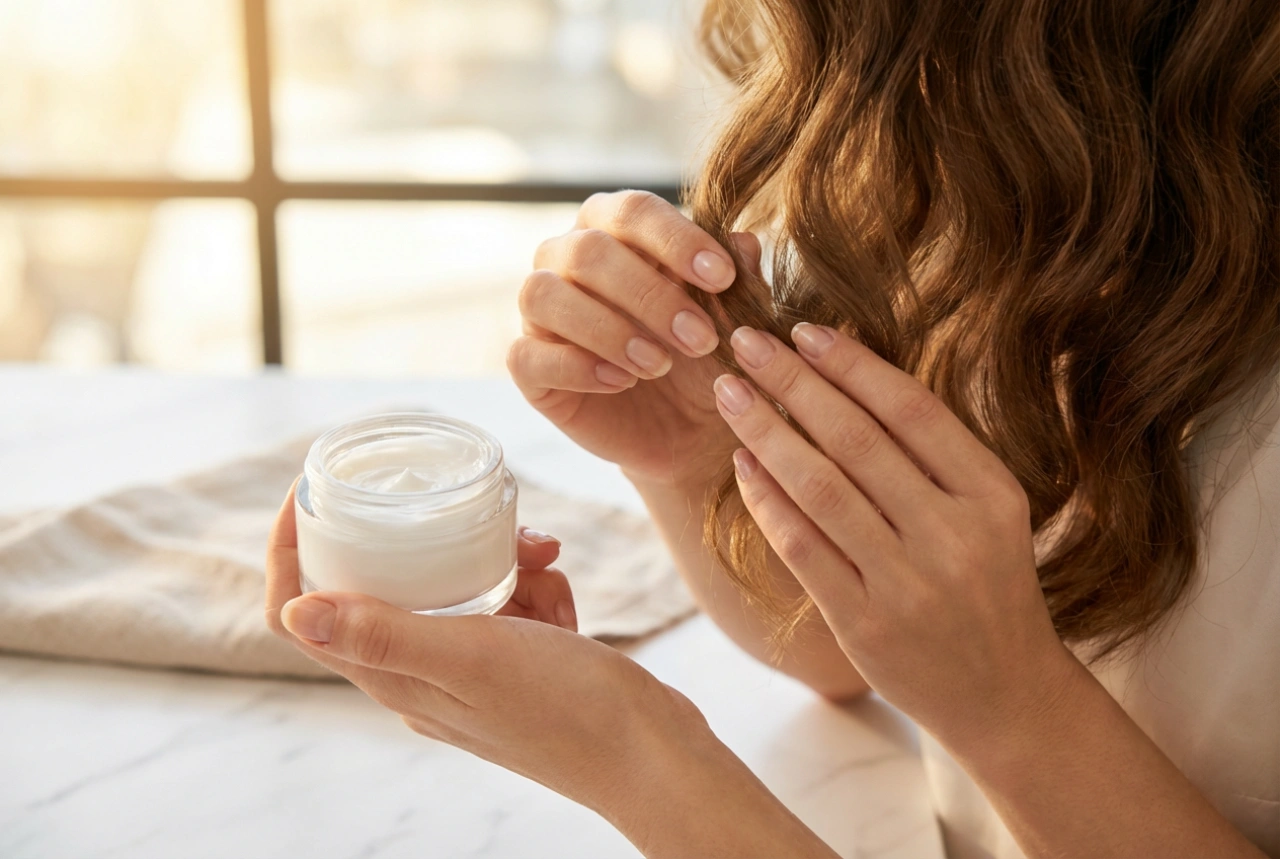
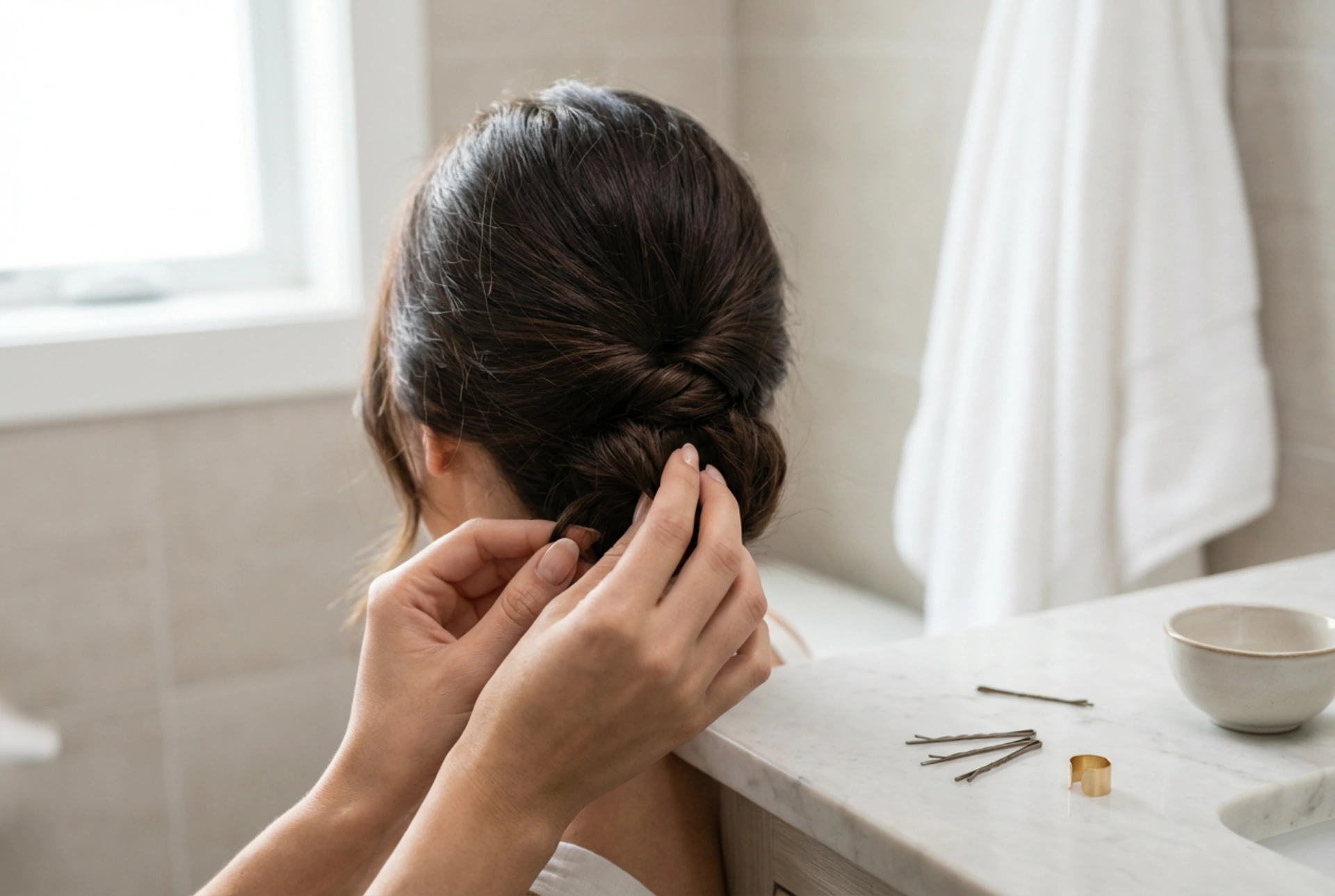
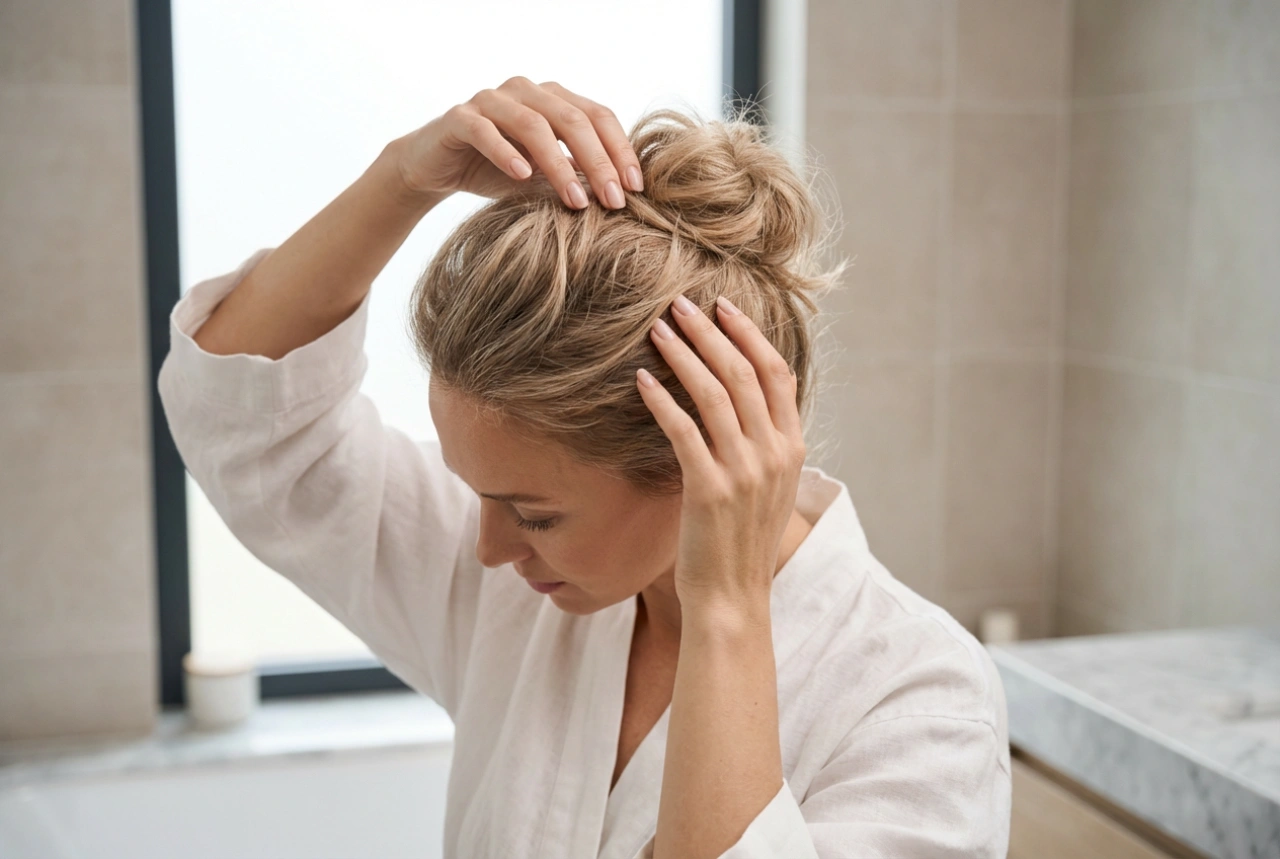
- Section Your Hair: For even distribution, divide your hair into four or more manageable sections. This prevents you from missing spots and ensures that the treatment is applied uniformly from root to tip. Use clips to keep the sections separate as you work.
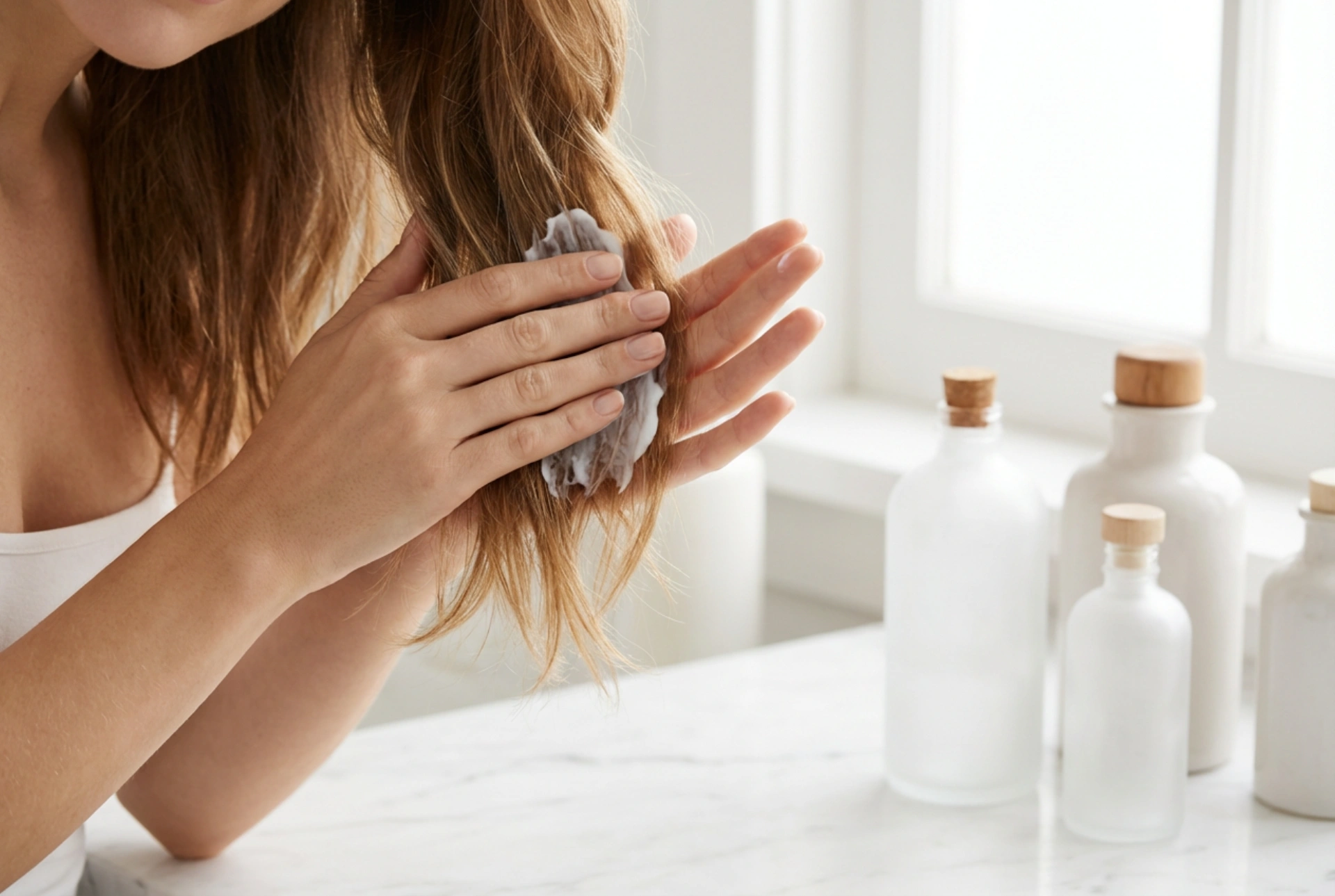
- Focus on the Ends: Begin applying the treatment to each section, starting about an inch or two from the scalp and working your way down to the ends. The ends of your hair are the oldest and typically the most damaged part, so they require the most attention. Applying too much product near the roots can weigh your hair down and make it greasy.
- Allow Time for Penetration: Once the treatment is applied, cover your hair with a shower cap or a warm towel. This traps heat from your scalp, which helps to open up the hair cuticles and allows the treatment to penetrate more deeply. Leave the treatment on for the recommended amount of time, typically between 20 to 30 minutes.
- Rinse Thoroughly: When the time is up, rinse the treatment out completely using lukewarm or cool water. Cool water helps to seal the hair cuticle, locking in the moisture and nutrients from the treatment and enhancing shine. Make sure no residue is left behind, as this can leave hair feeling heavy or greasy.
Monitoring and Adjusting Your Hair Treatment
Your hair's needs can change over time due to factors like seasonal shifts, styling habits, and internal changes. Regularly monitoring the effects of your treatment allows you to make adjustments and ensure your hair is always getting what it needs.
How to Assess the Effects
After a few treatments, you should start to notice changes. Pay attention to the feel and appearance of your hair. Is it softer and smoother to the touch? Does it detangle more easily? Does it have more shine and less frizz? These are all positive signs that your treatment plan is working. Take note of how your hair behaves on wash day and the days that follow.
Signs You Need to Change Your Approach
Sometimes, you can have too much of a good thing. If your hair starts to feel brittle and stiff, it might be a sign of 'protein overload'. In this case, you should scale back on protein-rich treatments and focus more on moisture. Conversely, if your hair feels overly soft, mushy, or limp, it could have 'moisture overload', and you may need to incorporate a strengthening treatment. If you notice product build-up, you might need to use a clarifying shampoo periodically or reduce the frequency of your deep conditioning.
Adapting to Seasonal Changes
Environmental factors play a big role in hair health. In the winter, cold air and indoor heating can strip moisture from your hair, so you may need more hydrating and moisturising treatments. In the summer, sun exposure, chlorine, and saltwater can cause damage and dryness, necessitating protective and restorative care. Be prepared to adjust the type and frequency of your treatments as the seasons change.