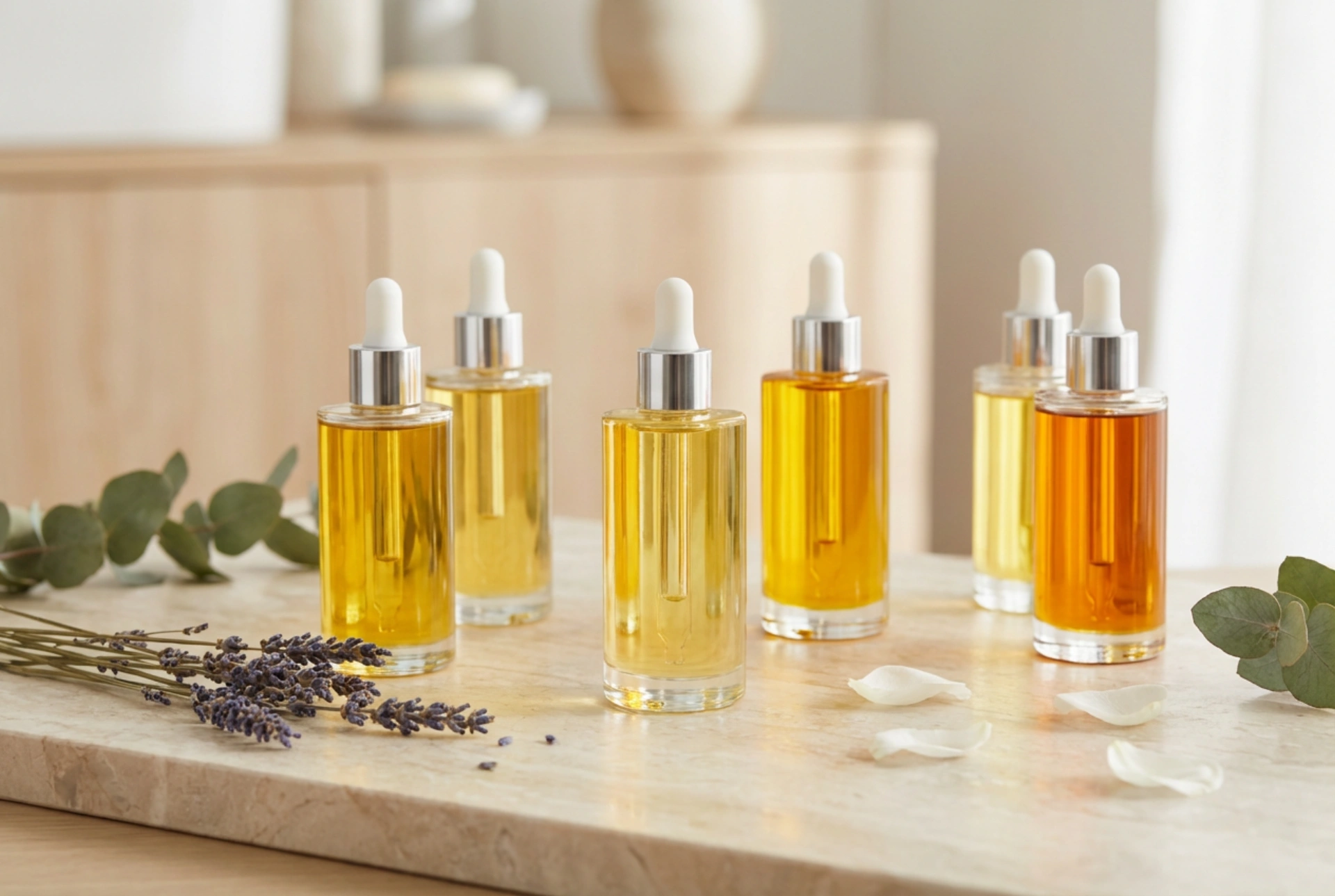


Natural body oils offer a wonderfully simple and effective way to nourish your skin, embodying a sense of purity and gentle care. Sourced from plants, these oils are packed with beneficial components that can help to moisturise, soften, and enhance the skin's natural radiance. Integrating a body oil into your daily routine can transform your skin's texture and appearance, but the key to unlocking these benefits lies in choosing the right oil for your specific skin type and applying it correctly.
Understanding Your Skin's Unique Needs
Before selecting a body oil, it’s essential to identify your skin type. Skin is generally categorised into several types, each with its own characteristics. Recognising which one best describes your skin will guide you toward the most suitable oils. Cosmetic skin types include dry, oily, combination, and sensitive. Dry skin often feels tight and may look flaky, requiring deep hydration. Oily skin tends to have a persistent sheen and is more prone to blemishes. Combination skin features both oily areas (typically the chest and back) and dry patches. Sensitive skin is easily irritated and may react to new products or environmental factors.
Choosing the Right Natural Oil for Your Skin Type
With an understanding of your skin, you can explore the vast world of natural oils. Different oils have different properties, textures, and absorption rates, making them better suited for certain needs.
For Dry and Thirsty Skin
If your skin craves moisture, look for richer, more nourishing oils. These oils are typically high in oleic acid, which helps to condition the skin and lock in hydration. They form a protective barrier that prevents moisture loss throughout the day.
- Avocado Oil: A thick, deeply penetrating oil rich in vitamins and fatty acids, ideal for very dry or chapped skin.
- Sweet Almond Oil: A popular, versatile oil that is easily absorbed and provides excellent moisturising properties without feeling overly heavy.
- Argan Oil: Often called 'liquid gold', it is incredibly nourishing and helps to improve the skin's elasticity, making it fantastic for dry or maturing skin.
For Oily or Blemish-Prone Skin
It may seem counterintuitive to apply oil to oily skin, but the right kind can actually help balance sebum production. Opt for lightweight, 'dry' oils that are high in linoleic acid and absorb quickly without leaving a greasy residue. These are often described as non-comedogenic, meaning they are less likely to clog pores.
- Jojoba Oil: Its molecular structure is remarkably similar to the skin's natural sebum, allowing it to balance oil production without causing congestion.
- Grapeseed Oil: A very light and silky oil that is quickly absorbed. It has toning properties and is a great choice for skin that feels greasy.
- Hemp Seed Oil: This oil can help to moderate oil production and soothe the skin without clogging pores, making it suitable for body areas prone to blemishes.
For Sensitive Skin
Sensitive skin requires gentle, soothing oils with minimal potential for irritation. These oils should be pure and free from added fragrances or other potential irritants.
- Apricot Kernel Oil: A very mild and light oil that is similar to sweet almond oil but often better tolerated by highly sensitive skin. It helps to soften and calm the skin.
- Calendula Oil: This is typically an infused oil, where calendula flowers are steeped in a carrier oil like sunflower. It is renowned for its calming and soothing properties.
The Art of Safe and Effective Application
How and when you apply body oil can significantly impact its effectiveness. Following a few simple steps will ensure you get the most out of your chosen product.
Apply to Damp Skin
The best time to apply body oil is immediately after a bath or shower while your skin is still slightly damp. The oil will hold onto that extra water and seal it into your skin, resulting in longer-lasting hydration. Applying oil to dry skin is less effective as it can simply sit on the surface, potentially feeling greasy.
Warm it Up and Be Gentle
Pour a small amount of oil—a little goes a long way—into the palm of your hand. Rub your hands together to warm the oil slightly. This simple step makes the application feel more luxurious and can help with absorption. Massage the oil into your skin using gentle, circular motions, working your way from your feet upwards to encourage circulation.
The Importance of a Patch Test
Whenever you introduce a new oil into your routine, it is crucial to perform a patch test first, especially if you have sensitive skin. Apply a small amount of the oil to a discreet area of skin, such as the inside of your wrist or elbow. Leave it for 24 to 48 hours and monitor for any signs of redness, itching, or irritation. If no reaction occurs, the oil is likely safe for you to use more widely.
Extra Ways to Use Body Oils
Body oils are incredibly versatile. Beyond a daily moisturiser, you can add a few drops to your bathwater for a deeply hydrating soak, mix a small amount with your favourite body lotion to enhance its moisturising power, or use it as a luxurious massage oil to soothe tired muscles and promote relaxation. It also works wonderfully as a cuticle oil to keep your nails and the skin around them healthy and supple.