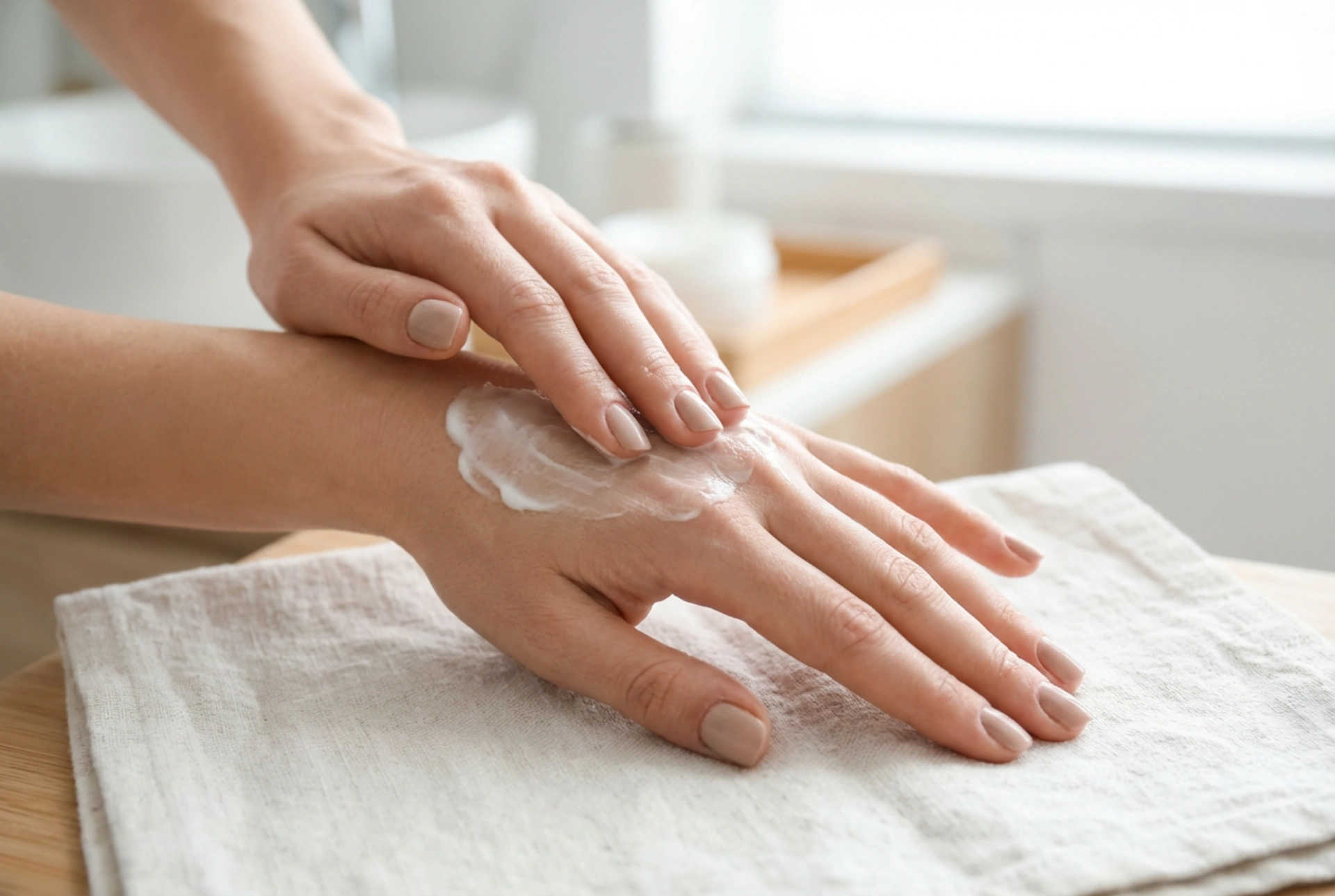


Our hands are constantly at work, exposed to a myriad of external factors that can leave the skin feeling dry, tight, and chapped. The sight of hands gently massaging a rich cream, soaking up moisture and care, is a universal symbol of comfort and restoration. If your hands are feeling stressed and in need of attention, a consistent and gentle home care routine can make a significant difference, restoring their softness and resilience. This guide offers a step-by-step approach to bringing comfort back to your chapped hands.
Understanding the Causes of Chapped Hands
Before diving into solutions, it's helpful to understand why hands become dry and chapped in the first place. The skin on the back of our hands is thinner and has fewer oil glands than the skin on our face, making it more susceptible to dryness. Common culprits include:
- Frequent Washing: While essential for hygiene, frequent washing, especially with harsh soaps and hot water, strips the skin of its natural protective oils.
- Environmental Factors: Exposure to cold wind, low humidity in winter, and dry air from central heating or air conditioning can all draw moisture away from the skin.
- Contact with Irritants: Cleaning agents, detergents, and other household chemicals can be very harsh on the skin, leading to irritation and dryness if used without protection.
Gentle Cleansing for Happy Hands
The first step in caring for chapped hands is to rethink your washing habits. The goal is to cleanse without stripping the skin of its essential moisture. Opt for a mild, moisturising, and fragrance-free hand wash. Use lukewarm water rather than hot, as high temperatures can be overly drying. After washing, instead of rubbing your hands vigorously with a towel, gently pat them dry. This simple change reduces friction and is much kinder to delicate, stressed skin. Remember to apply a hand cream immediately after patting them dry to lock in the moisture.
The Power of Consistent Moisturization
Moisturizing is the cornerstone of treating chapped hands. It's not a once-a-day task but rather a continuous effort to replenish lost hydration. Keep a tube of hand cream by your sink, on your desk, and in your bag to make frequent application a habit. Apply it every time you wash your hands and whenever they feel dry. Look for creams containing beneficial ingredients that help to hydrate and repair the skin's barrier. Ingredients like glycerin and hyaluronic acid are humectants that draw moisture into the skin, while emollients like shea butter and cocoa butter soften and smooth it. Ceramides are also excellent for helping to restore the skin's natural barrier.
An Intensive Night Treatment
For hands that need extra help, an overnight treatment can work wonders. This intensive therapy allows nourishing ingredients to penetrate deeply while you sleep. Follow these simple steps for a home hand spa experience:
- Start with clean hands: Wash your hands using the gentle method described above.
- Apply a thick layer: Slather on a generous amount of a rich, thick hand cream or a simple, pure ointment. You can also use natural oils like coconut or almond oil. Don't rub it in completely; leave a visible layer on the skin's surface.
- Cover them up: Wear a pair of soft cotton gloves to bed. The gloves prevent the cream from rubbing off onto your bedding and help to lock in the moisture, enhancing absorption.
In the morning, your hands should feel noticeably softer, smoother, and more comfortable. Repeat this treatment two to three times a week or whenever your hands feel particularly dry.
Protective Habits for Long-Term Prevention
The best way to deal with chapped hands is to prevent them from occurring in the first place. Incorporate these protective habits into your daily routine. Always wear waterproof, rubber or non-latex gloves when washing dishes, cleaning, or doing any work that involves immersing your hands in water or using harsh chemicals. In cold, windy weather, protect your hands from the elements by wearing warm gloves or mittens. These simple preventative measures create a physical barrier between your skin and the environmental stressors that cause dryness and chapping, helping to maintain the results of your dedicated care routine.