

Taking care of our feet is an essential part of any self-care routine, yet they are often overlooked until dryness or discomfort appears. Regular use of a moisturising cream can keep the skin on your feet soft, smooth, and healthy-looking. Understanding the correct way to apply it, how often to do so, and a few simple tricks can significantly enhance the results, turning a simple task into a beneficial ritual.
Why is Regular Foot Moisturising So Important?
The skin on our feet is naturally thicker and has fewer oil glands than the skin on other parts of our body, making it more prone to dryness. Daily activities like walking and standing put constant pressure on them. Without proper hydration, this can lead to rough patches, calluses, and discomfort. Consistent moisturising helps to maintain the skin's natural barrier, preventing excessive water loss and keeping it supple. This simple step can prevent the development of hard skin and keep your feet feeling comfortable and looking great.
The Correct Way to Apply Foot Cream
To get the most out of your foot cream, following a proper application method is key. It ensures the product is absorbed effectively and delivers its hydrating benefits where they are needed most.
Step 1: Start with Clean, Dry Feet
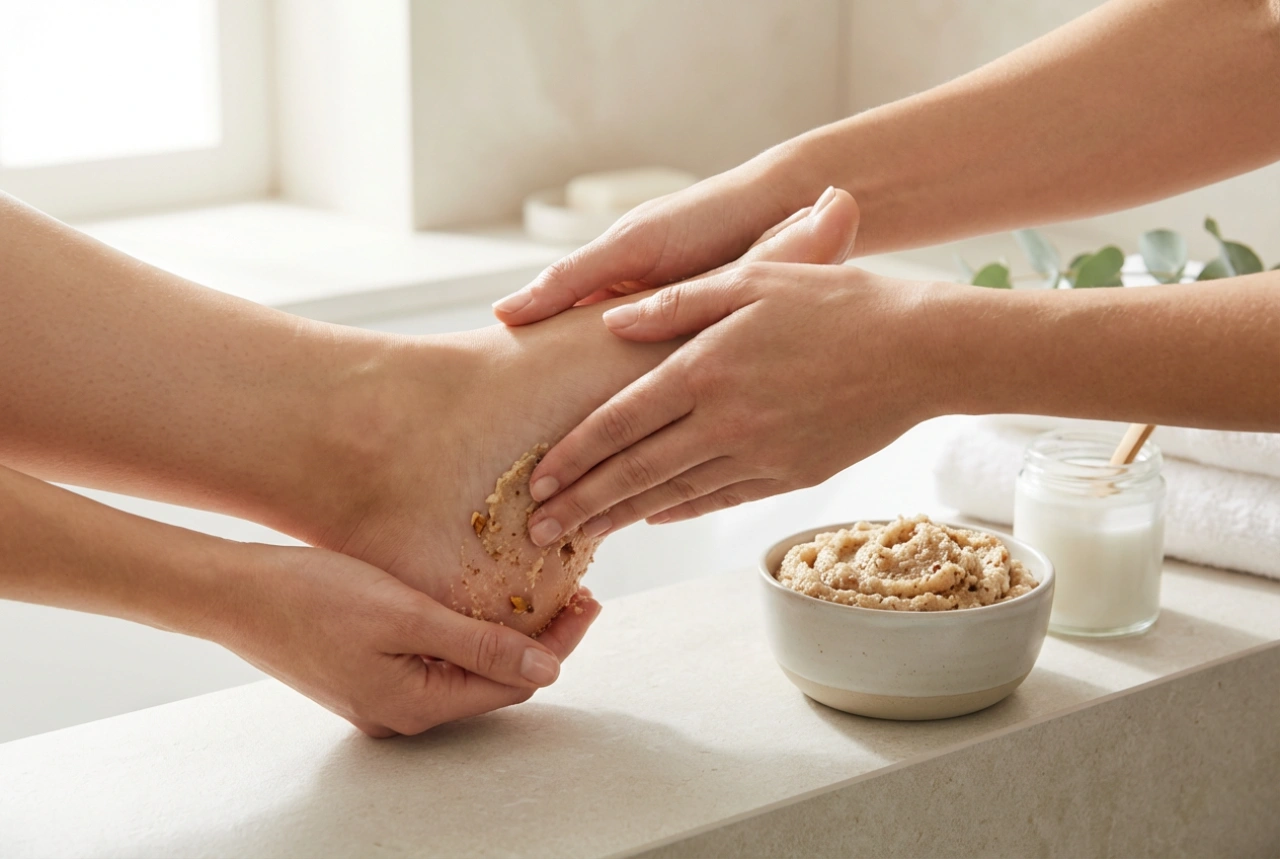
Always apply cream to freshly washed and thoroughly dried feet. This removes any surface dirt and allows the product to penetrate the skin more easily. Pay special attention to drying the area between your toes, as trapped moisture can lead to other skin issues. For an even better result, consider applying the cream after a warm bath or shower when your skin is more receptive, or after gently exfoliating with a foot file or scrub to remove dead skin cells.
Step 2: Use the Right Amount and Technique
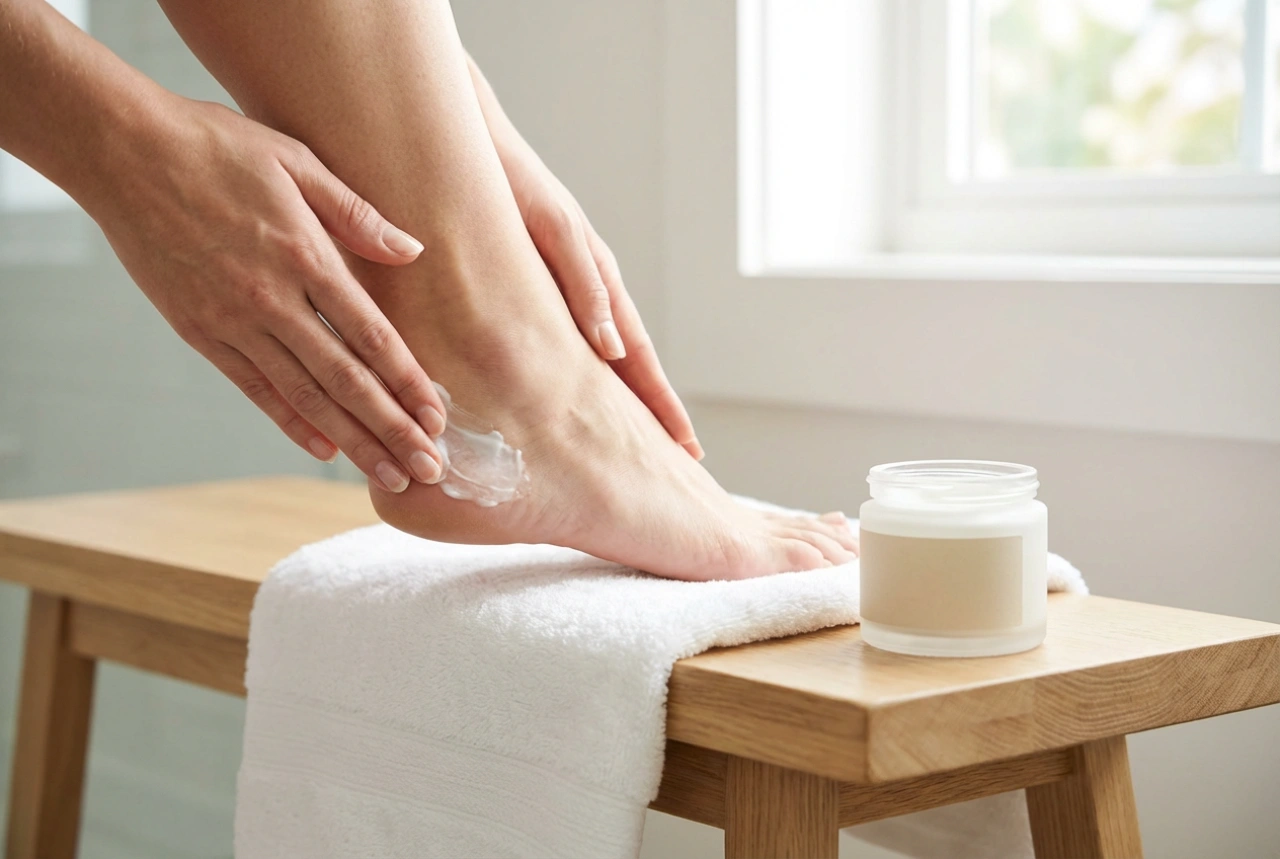
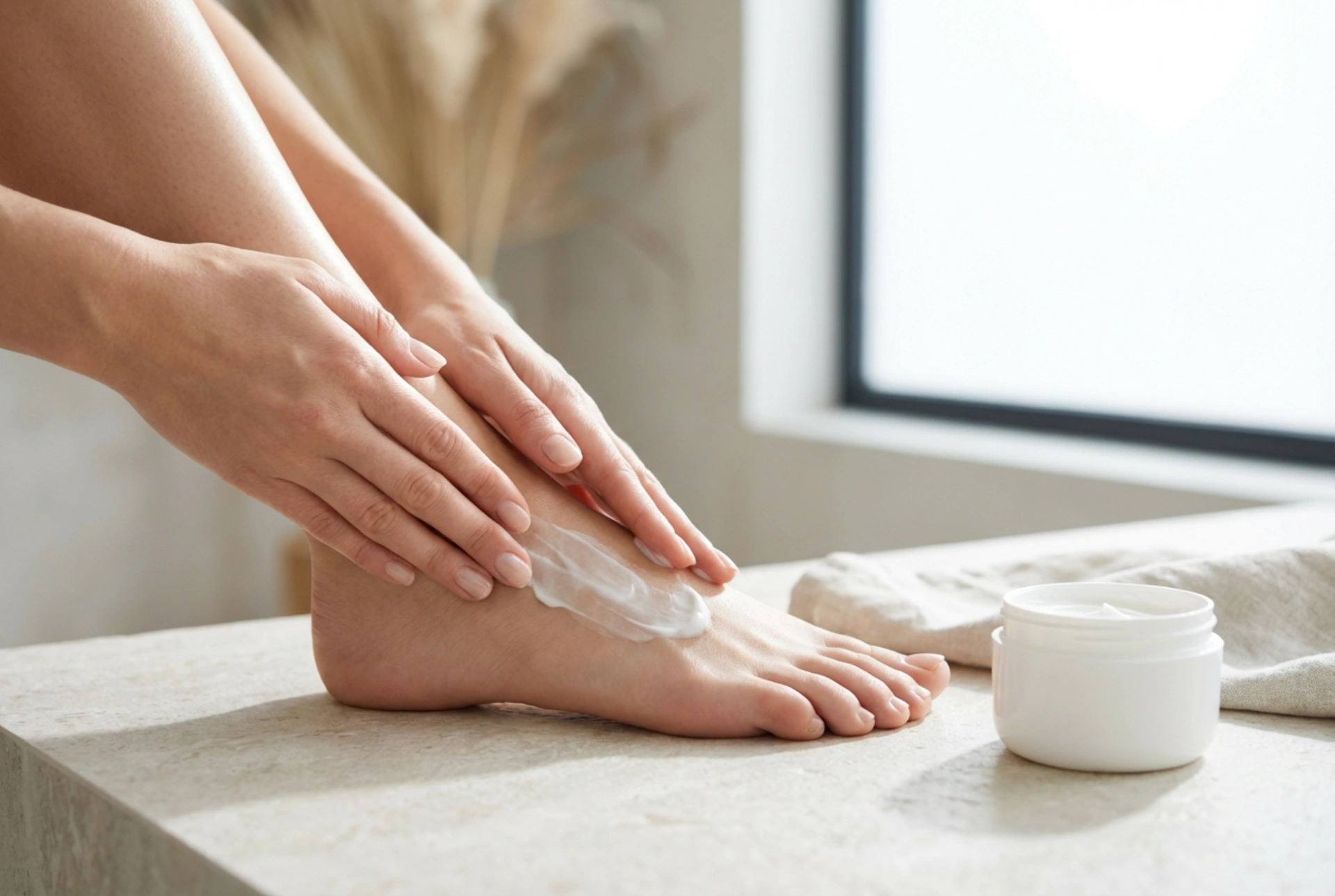
Squeeze a small amount of cream, roughly the size of a large pea, onto your palm for each foot. Start by warming the cream between your hands. Then, begin to massage it into the sole of your foot using circular motions. Focus on the heels and the balls of your feet, as these areas bear the most pressure and are most susceptible to dryness. Continue by working the cream onto the top of your foot and your ankles. Avoid applying cream between the toes to prevent excess moisture from accumulating.
Step 3: Allow Time for Absorption
After application, give the cream a few minutes to sink in before putting on socks or shoes. Walking around barefoot immediately after can cause the product to rub off and may create a slippery surface. Applying foot cream at night before bed is an excellent habit, as it allows the product to work undisturbed for several hours.
How Often Should You Moisturise Your Feet?
For most people, applying foot cream once a day is sufficient to maintain soft and hydrated skin. If you have particularly dry skin or live in a dry climate, you might benefit from applying it twice a day—once in the morning and once at night. During colder months, when the skin tends to be drier, you may also need to increase the frequency. Listen to your skin; if your feet feel dry or tight, it's a sign they need more moisture.
Simple Tricks for Enhanced Foot Hydration
A few extra steps can boost the effectiveness of your foot moisturising routine:
- The Overnight Sock Treatment: For a deep conditioning effect, apply a generous layer of cream to your feet at night and then put on a pair of clean cotton socks. The socks help to lock in moisture, allowing the cream to penetrate deeply while you sleep. You'll wake up with noticeably softer feet.
- Post-Exfoliation Hydration: The best time to moisturise is right after you have exfoliated your feet. Removing the layer of dead, dry skin cells allows the moisturiser to reach the newer skin underneath more effectively.
- Incorporate a Massage: Don't just slather the cream on. Take a few extra minutes to give yourself a gentle foot massage as you apply it. This not only feels relaxing but also helps to improve circulation and can enhance the cream's absorption.
Incorporating foot moisturising into your daily routine is a simple yet highly effective way to care for your body. With the right technique, consistent application, and a few clever tricks, you can easily maintain soft, smooth, and comfortable feet all year round.