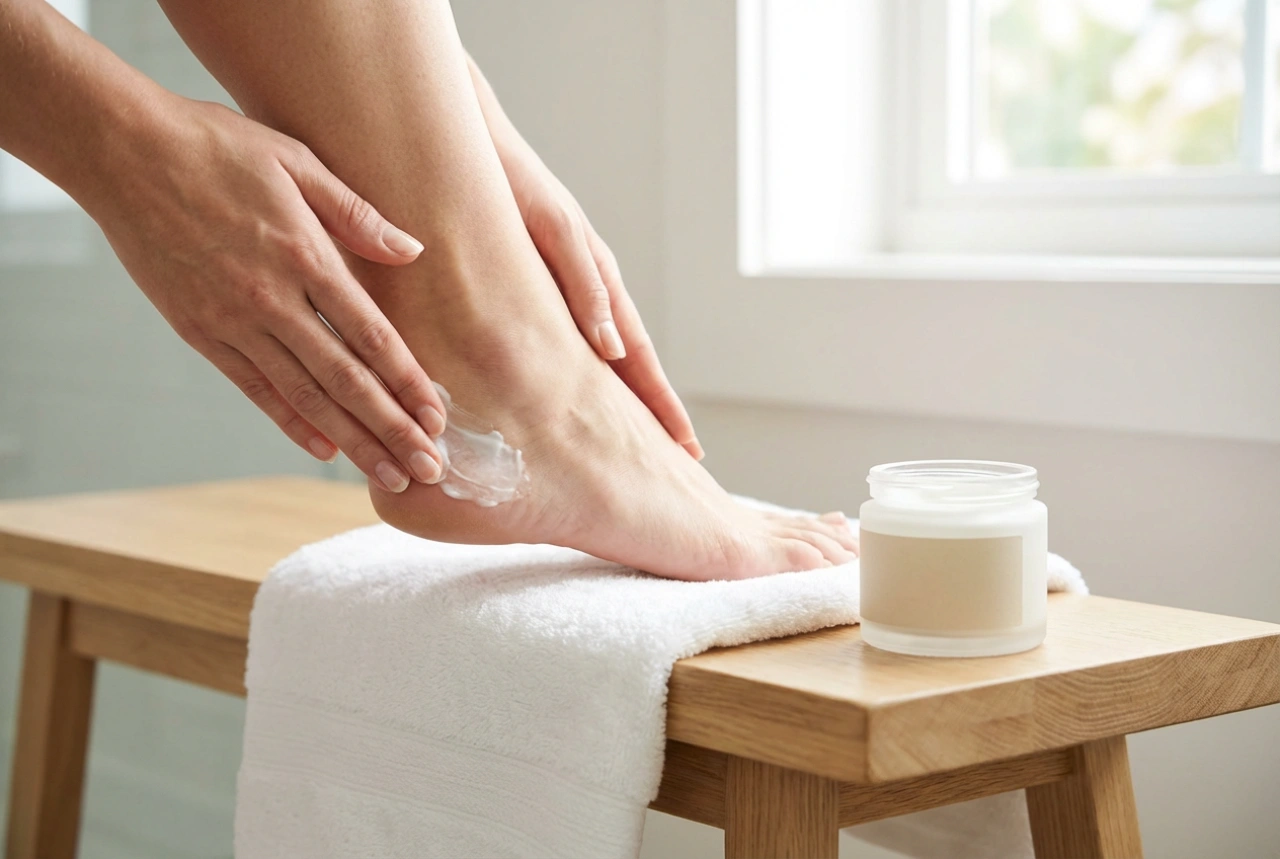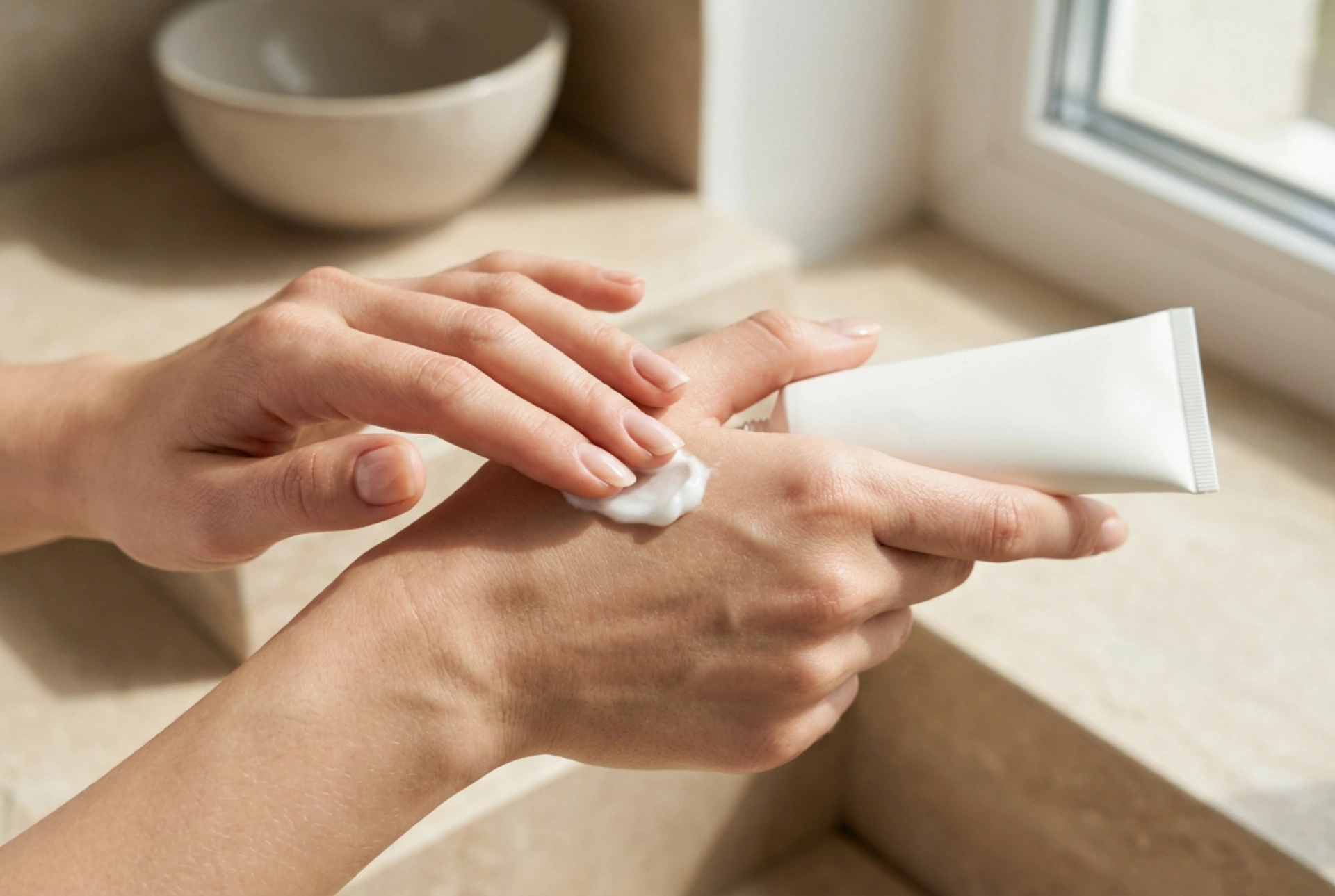


Our hands are constantly at work, exposed to various elements throughout the day, which often leaves them feeling dry and chapped. A good hand cream is an essential tool for restoring comfort and hydration, but its effectiveness depends heavily on when and how you apply it. Understanding the right techniques can transform your hand care routine and bring back the skin's natural softness and resilience, as beautifully illustrated by the simple act of applying a rich cream.
Why Do Hands Become Dry and Chapped?
The skin on the back of our hands is thinner and has fewer sebaceous glands than the skin on our face, making it more prone to dryness. Several factors can contribute to chapped hands:
- Environmental Factors: Exposure to cold wind, low humidity, and dry indoor air from heating or air conditioning systems can strip the skin of its natural moisture.
- Frequent Washing: While essential for hygiene, washing hands too often, especially with hot water and harsh soaps, can remove the skin's protective lipid barrier.
- Contact with Irritants: Chemicals found in cleaning products, detergents, and even some hand sanitisers can irritate the skin and lead to dryness and cracking.
- Neglect: We often focus on facial skincare but forget to give our hands the same level of attention, leading to a cumulative lack of moisture over time.
The Best Times to Apply Hand Cream
Timing is crucial for maximising the benefits of your hand cream. Applying it strategically helps to lock in moisture and create a protective barrier. Here are the most effective moments to moisturise your hands.
Immediately After Washing
This is arguably the most important time to apply hand cream. After washing, gently pat your hands dry with a towel, leaving them slightly damp. Applying cream at this stage helps to seal in the water that's on the skin's surface, providing deeper and more lasting hydration. Keep a tube of cream by every sink in your home as a reminder.
Before Bed
Applying a generous layer of cream just before you go to sleep allows the product to work uninterrupted for several hours. During the night, your skin undergoes a natural repair and regeneration process. A rich, nourishing cream can support this process, so you wake up with noticeably softer and smoother hands. This is the perfect time for a more intensive treatment.
Before and After Exposure to Harsh Conditions
If you're heading out into cold, windy weather, apply a layer of hand cream beforehand to create a protective barrier. It acts like an invisible glove, shielding your skin from the elements. Similarly, if you've been gardening or doing housework, replenishing moisture afterwards is essential to counteract the drying effects of soil, water, and cleaning agents.
How to Boost Your Hand Cream's Effectiveness
Beyond simply applying cream, you can adopt a few extra habits to significantly improve the condition of your hands.
Choose Gentle Cleansers
Swap harsh, antibacterial soaps for mild, pH-balanced, and moisturising hand washes. Look for cleansers that are free from sulphates and contain hydrating ingredients like glycerin or natural oils. This simple change reduces the amount of moisture stripped from your skin with each wash.
Exfoliate Gently
Just like your face, your hands can benefit from regular exfoliation. Once or twice a week, use a gentle scrub to remove dead skin cells. This allows your hand cream to penetrate more effectively. You can easily make a DIY scrub by mixing a teaspoon of sugar with a little olive or coconut oil and massaging it gently into your hands before rinsing.
Try an Overnight Hand Mask
For an intensive dose of hydration, treat your hands to an overnight mask. Apply a thick, generous layer of your richest hand cream or a natural butter like shea butter. Afterwards, slip on a pair of cotton gloves and leave them on overnight. The gloves trap heat and help the cream absorb deeply, resulting in incredibly soft, rejuvenated hands by morning.
Wear Protective Gloves
Prevention is key. Always wear rubber or vinyl gloves when washing dishes or using household cleaning products. In winter, wear warm gloves or mittens when you go outside. This physical barrier is the most effective way to protect your hands from the primary causes of dryness and chapping.