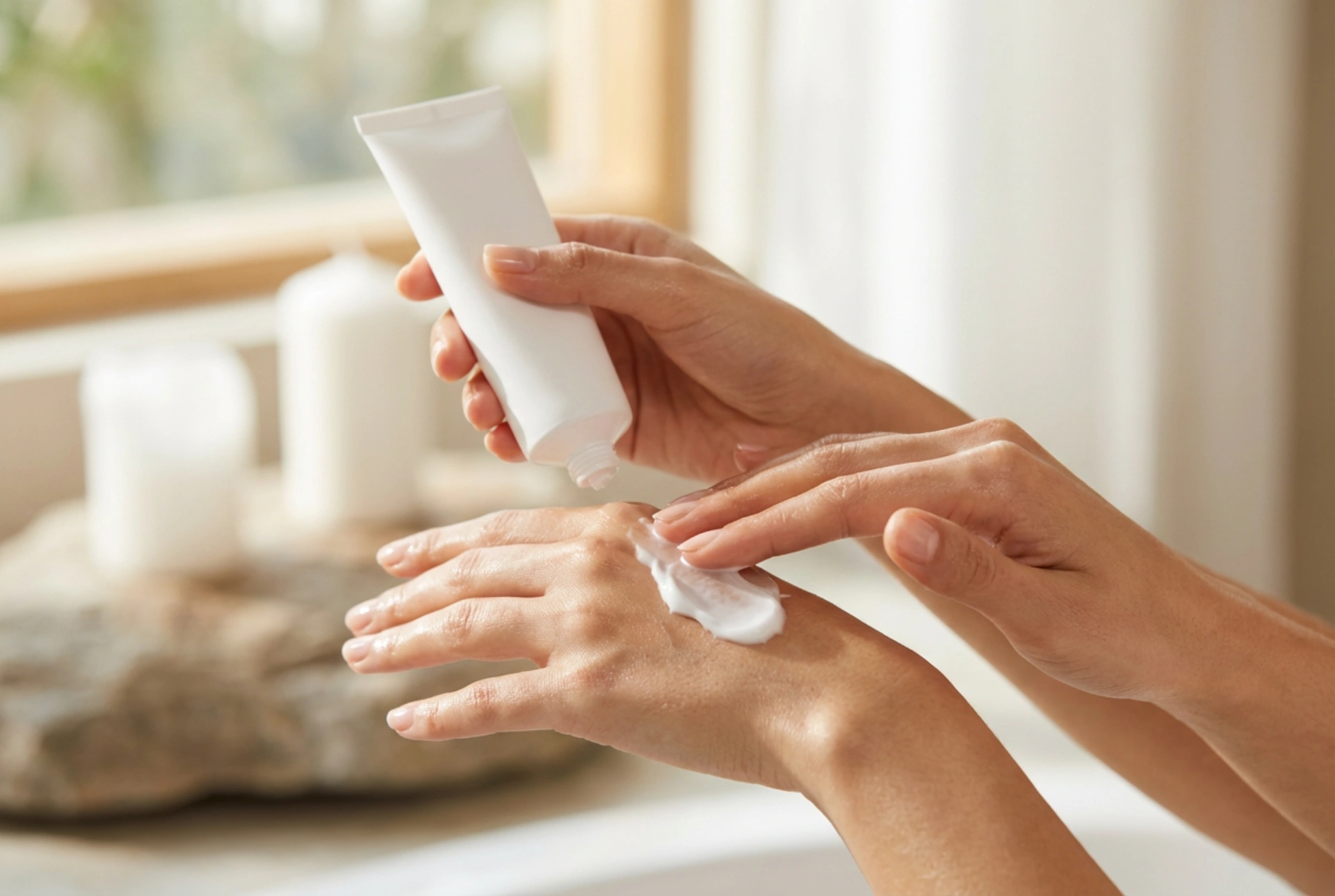


The feeling of smooth, well-cared-for hands is a small daily luxury. Applying a nourishing cream can be a moment of self-care, restoring comfort and softness. However, our hands are constantly exposed to various elements and tasks, which can often lead to the opposite effect: skin that feels tight, looks red, and becomes painfully cracked. Understanding the causes and implementing a consistent care routine is key to preventing the discomfort of stinging, tight skin and maintaining healthy, resilient hands.
Understanding the Causes of Dry and Cracked Hands
The skin on our hands is unique. It has fewer sebaceous glands than the skin on our face, meaning it produces less of the natural oils that keep it moisturised. This makes it more susceptible to dryness. Several factors can strip away this limited natural protection, leading to cracking and irritation.
- Frequent Washing: While essential for hygiene, washing hands frequently, especially with harsh soaps and hot water, strips away natural oils, disrupting the skin's protective barrier.
- Environmental Factors: Cold, windy weather in winter and low humidity (both outdoors and indoors due to heating) draw moisture out of the skin. Similarly, sun exposure in the summer can dehydrate the skin on your hands if they are not protected.
- Contact with Irritants: Cleaning agents, detergents, and other household chemicals can be very harsh on the skin, causing dryness and irritation that can lead to cracks and soreness over time.
- Neglecting Care: Simply forgetting to moisturise regularly is one of the biggest contributors to dry hands. Without replenished moisture, the skin barrier weakens and becomes prone to damage.
Gentle Cleansing: The First Step to Relief
How you wash your hands matters just as much as what you wash them with. Shifting your cleansing habits can make a significant difference in preventing dryness and cracking. The goal is to clean your hands effectively without stripping them of their essential lipids.
Choosing the Right Cleanser
Opt for mild, hydrating hand washes instead of traditional antibacterial soaps, which can be overly drying. Look for products described as 'gentle,' 'for sensitive skin,' or 'moisturising.' Cleansers with added ingredients like glycerin or natural oils can help to buffer the drying effects of washing. Avoid products with high concentrations of alcohol or strong fragrances, as these can be further irritating to sensitive skin.
Washing Technique
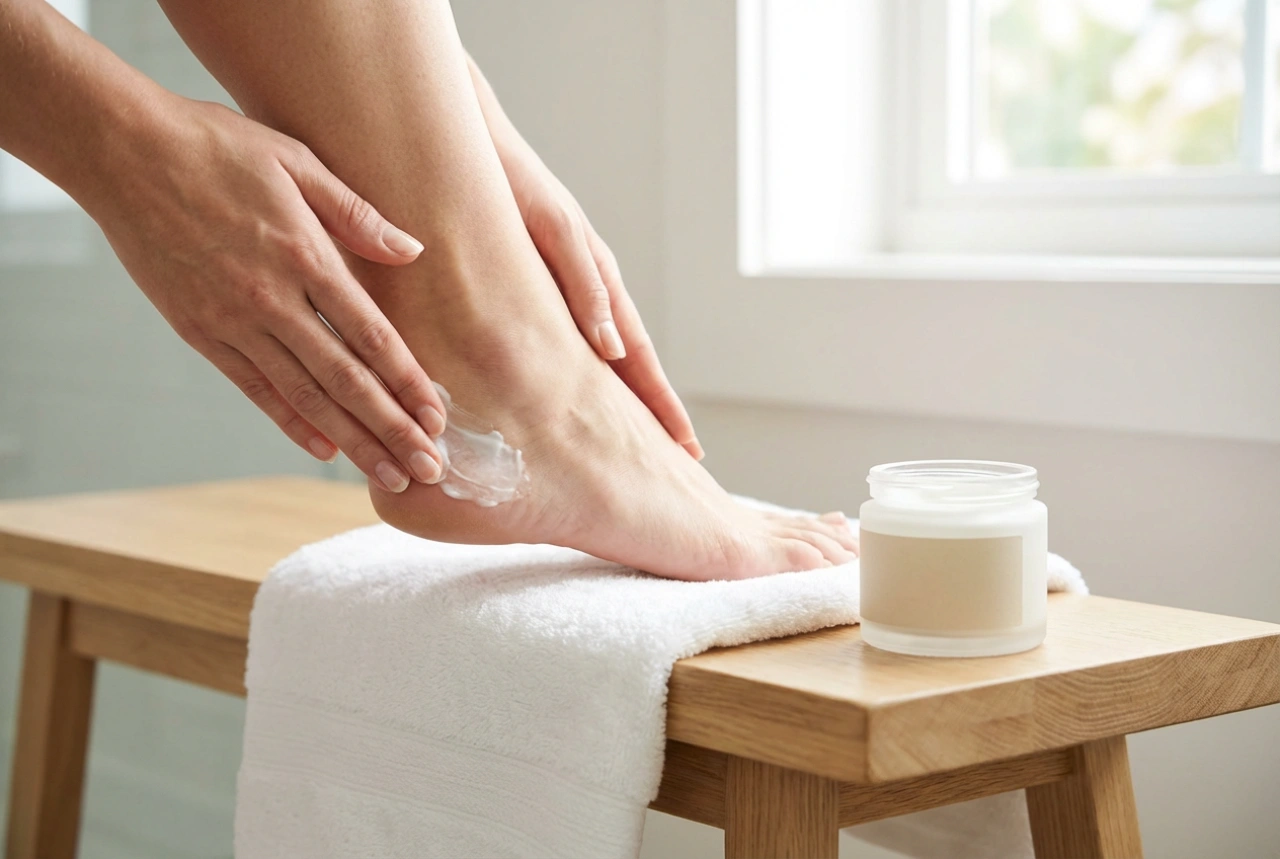
Always use lukewarm water instead of hot. Hot water removes natural oils from the skin more quickly. After washing, gently pat your hands dry with a soft towel. Rubbing vigorously can cause friction and micro-tears in already fragile skin, exacerbating the problem. The most crucial step is to apply hand cream immediately after patting your hands dry to lock in moisture.
The Power of Consistent Moisturising
Moisturising is the cornerstone of treating and preventing cracked hands. It's not a once-a-day activity but a continuous process of replenishing the skin's barrier. The best strategy is to moisturise throughout the day, especially after every time you wash your hands.
Key Ingredients to Look For
When choosing a hand cream, look for a combination of ingredients that attract and seal in moisture. You don't need to know complex science, but recognising these names can help you select an effective product:
- Humectants: These ingredients pull moisture from the air into the skin. Examples include glycerin, hyaluronic acid, and urea.
- Emollients: These help to soften and smooth the skin by filling in the gaps between skin cells. Examples include shea butter, cocoa butter, and ceramides.
- Occlusives: These form a physical barrier on the skin to prevent moisture loss. Petrolatum, lanolin, and dimethicone are common occlusives. A good hand cream will often contain a blend of these ingredient types.
The Overnight Hand Treatment
For intensely dry or cracked hands, an overnight treatment can provide significant relief. Before bed, apply a thick layer of a rich, intensive hand cream or ointment. Then, wear a pair of soft cotton gloves and leave them on overnight. The gloves help the cream to penetrate deeply into the skin without rubbing off on your bedding, allowing you to wake up with noticeably softer and more comfortable hands.
Protective Measures for Everyday Life
Prevention is often the most effective strategy. By protecting your hands from known irritants and environmental stressors, you can dramatically reduce the incidence of dryness and cracking.
- Wear Gloves for Chores: Always wear waterproof rubber or vinyl gloves when washing dishes, hand-washing clothes, or using cleaning products. This creates a barrier between your skin and the harsh chemicals and hot water.
- Protect Against the Cold: In cold and windy weather, always wear warm gloves or mittens when you go outside. This protects your hands from the drying effects of the cold air and wind.
- Be Mindful of the Sun: The skin on the back of your hands is thin and prone to sun damage, which can also contribute to dryness and an impaired skin barrier. Consider using a hand cream that contains SPF during the day or applying your regular facial sunscreen to your hands.
By adopting these gentle cleansing, consistent moisturising, and protective habits, you can effectively manage and prevent the stinging discomfort of cracked skin, keeping your hands smooth, healthy, and comfortable all year round.