

Well-cared-for feet are not only a matter of aesthetics but also of daily comfort. Hard, calloused skin on the heels and soles is a common issue that many people face. Fortunately, with a consistent and gentle approach, you can restore softness and smoothness to your feet in the comfort of your own home. Regular care can transform rough skin into feet you'll be happy to show off, using simple, natural ingredients and tools.
Understanding Why Feet Become Calloused
Calluses are areas of thickened, hard skin that develop as a natural response to repeated pressure or friction. They most often appear on the soles of the feet, particularly on the heels and the balls of the feet, as these areas bear the most weight and friction during walking or standing. Ill-fitting shoes, standing for long periods, and certain physical activities can contribute to their formation. While they serve a protective function, they can become uncomfortable and unsightly. A consistent home care routine can manage this build-up and maintain soft skin.
A Step-by-Step Guide to Softer Feet
Creating a spa-like experience at home is simple. Following these steps regularly will help to soften existing calluses and prevent new ones from forming. Consistency is the key to achieving and maintaining beautifully smooth feet.
Step 1: The Softening Soak
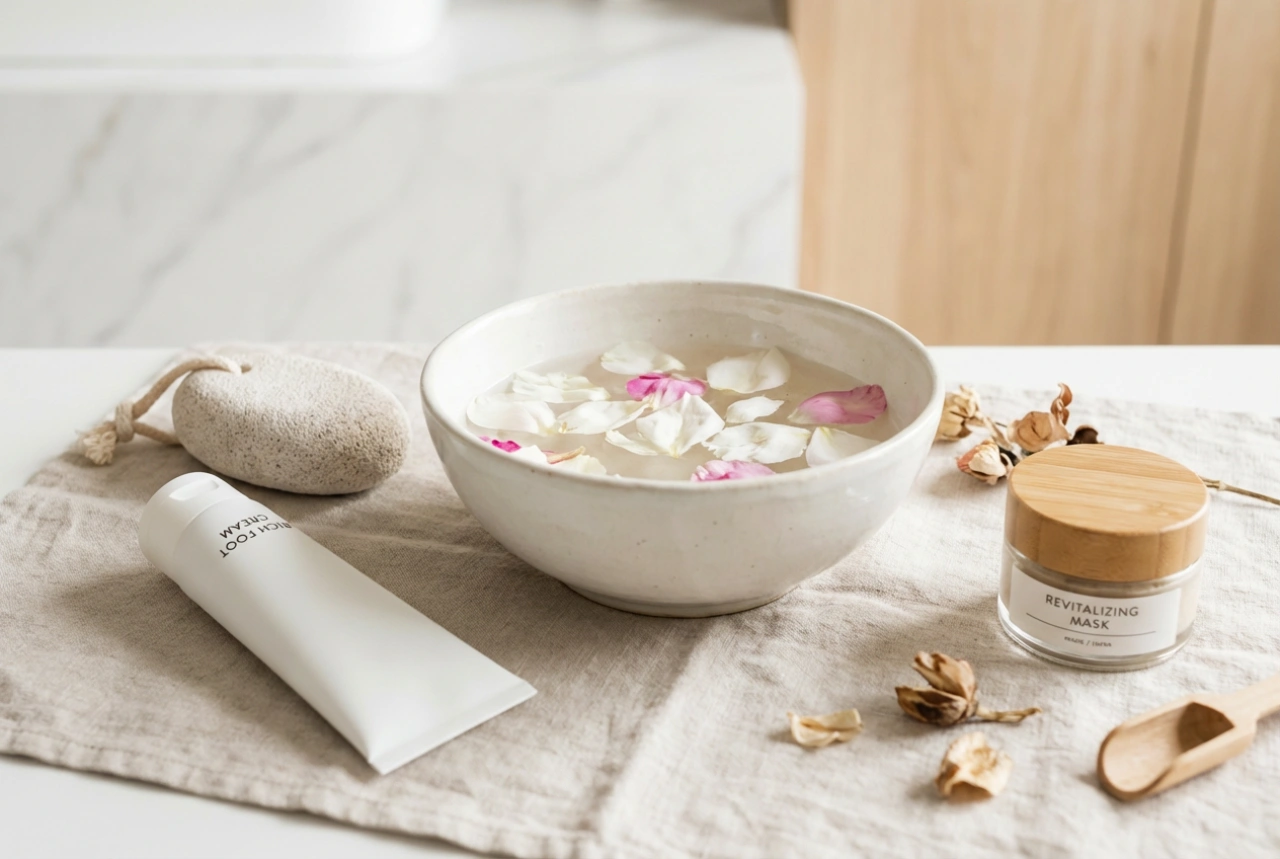
The first step in any effective foot care routine is a warm soak. This process helps to soften the tough outer layers of skin, making them much easier to exfoliate. Fill a basin with warm (not hot) water, enough to fully submerge your feet. For an enhanced experience, add half a cup of Epsom salts, which can help soothe tired feet. You can also add a few drops of a pleasant-smelling essential oil, such as lavender or peppermint, for a relaxing aromatic effect. Soak your feet for 15-20 minutes to ensure the hard skin is sufficiently softened.
Step 2: Gentle Exfoliation
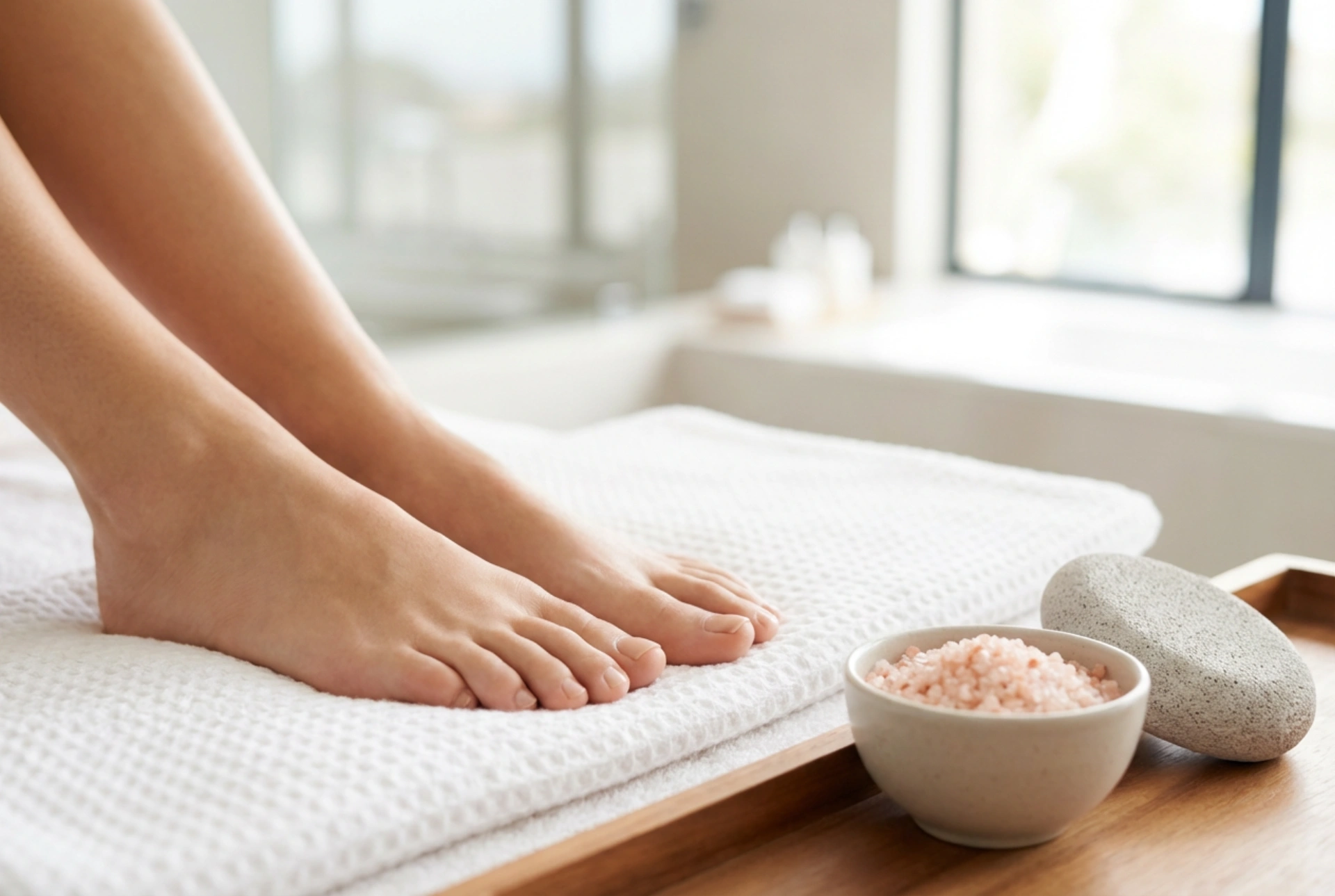
Once your skin is softened, it's time to gently exfoliate. It is crucial to be gentle and avoid aggressive scrubbing, which can damage the skin. Use a pumice stone or a foot file, moving it in a gentle, circular or back-and-forth motion over the calloused areas. Do not try to remove all the hard skin in one session. The goal is gradual improvement. Rinse your feet to remove any sloughed-off skin and pat them dry with a soft towel, leaving them slightly damp for the next step.
Step 3: Deep Hydration
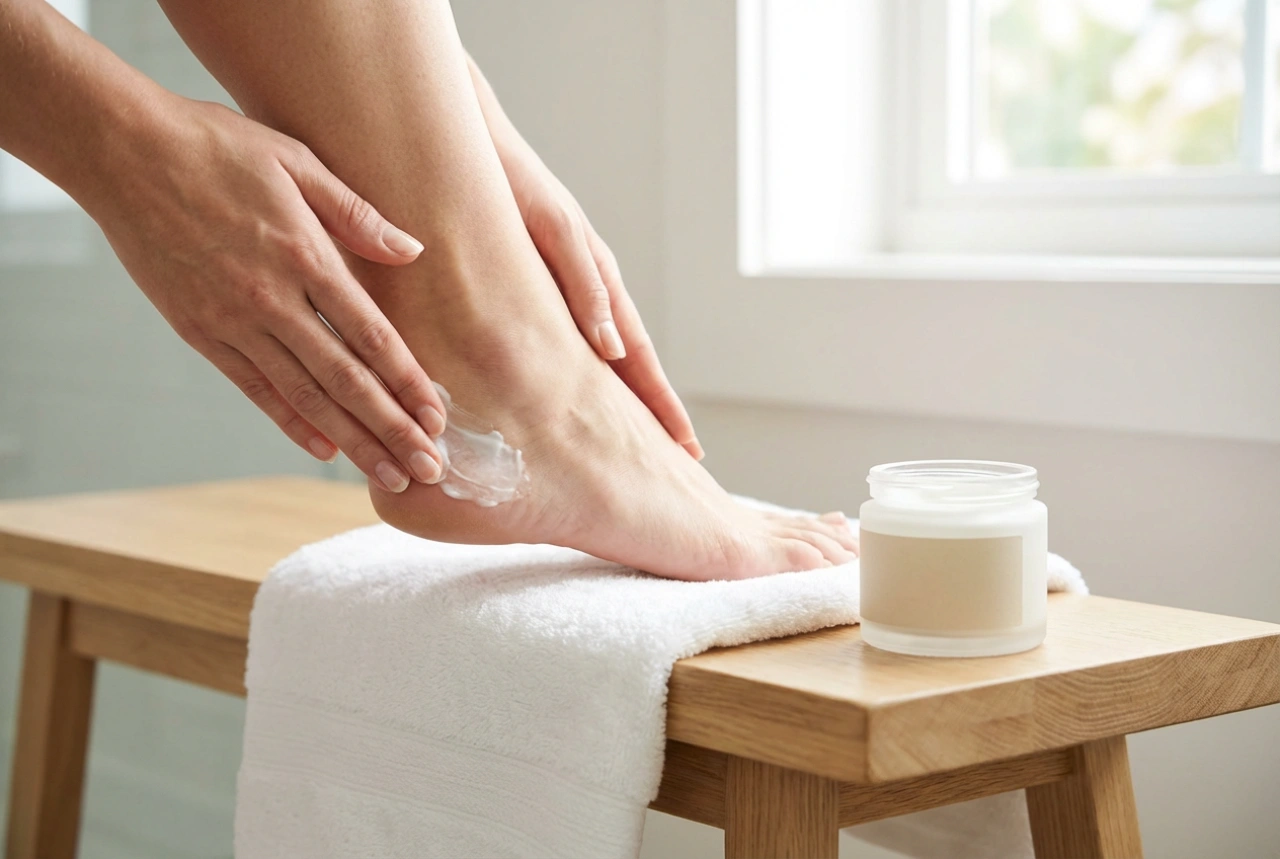
Moisturising is perhaps the most critical step for preventing calluses. Immediately after exfoliating, while the skin is still slightly damp, apply a generous amount of a rich moisturiser. Look for creams specifically formulated for feet, as they are typically thicker and more intensive. Alternatively, natural butters and oils like shea butter, cocoa butter, or coconut oil are excellent choices. Massage the product thoroughly into your skin, paying special attention to the heels and other dry areas. For an intensive overnight treatment, apply a thick layer of cream or oil and wear a pair of clean cotton socks to bed. This helps the product to penetrate deeply, leaving you with noticeably softer feet in the morning.
DIY Scrubs for Extra Smoothness
In addition to using a pumice stone, you can incorporate a homemade scrub into your routine for an extra touch of exfoliation and nourishment. These are easy to make with common kitchen ingredients.
Brown Sugar and Olive Oil Scrub
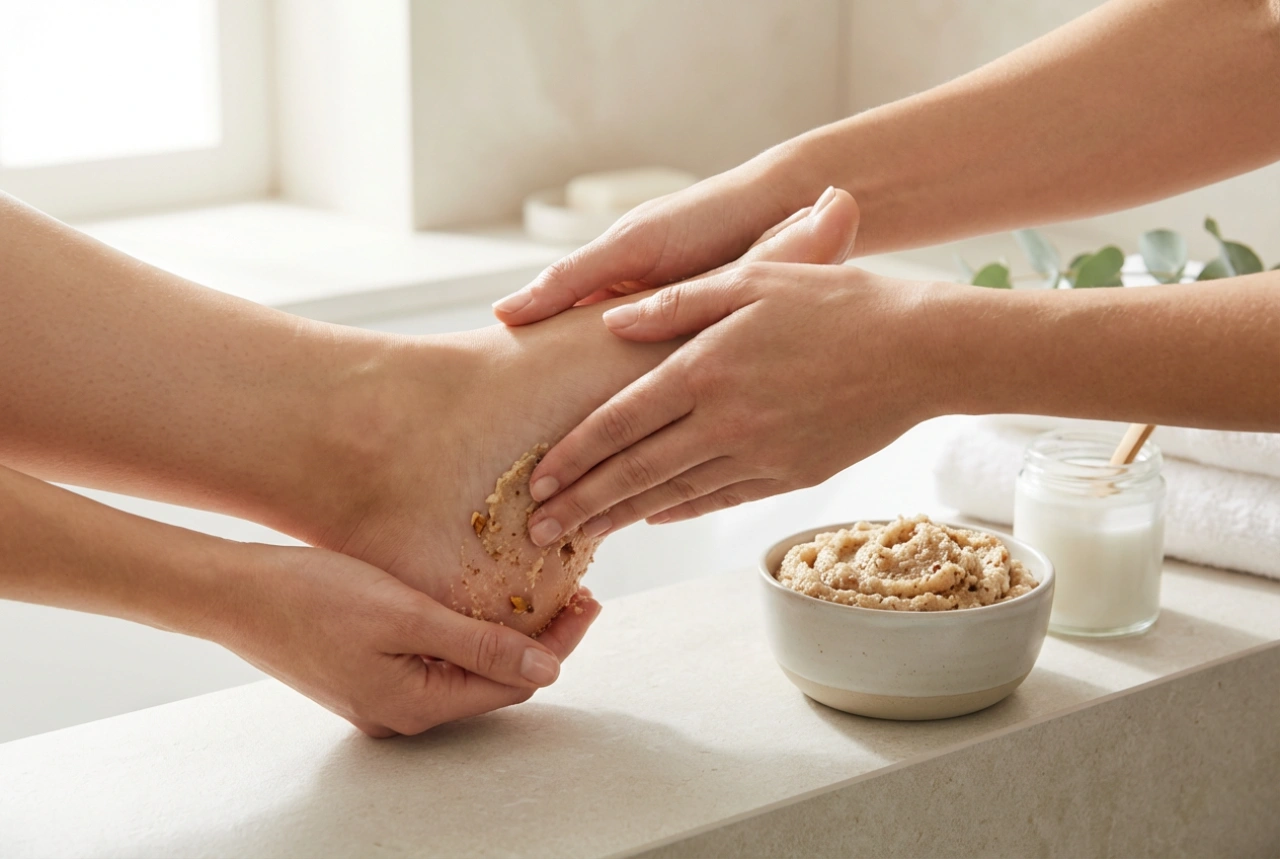
This simple scrub works wonders for sloughing away dead skin cells while providing moisture. Mix half a cup of brown sugar with a quarter of a cup of olive or coconut oil to form a thick paste. After your foot soak, massage this mixture onto your feet in circular motions for a few minutes, focusing on rough patches. Rinse with warm water and pat dry.
Epsom Salt and Peppermint Scrub
For a refreshing and invigorating scrub, combine half a cup of Epsom salts with a quarter of a cup of a carrier oil like almond or grapeseed oil. Add a few drops of peppermint essential oil for its cooling sensation and pleasant aroma. Use this scrub in the same way as the sugar scrub to reveal fresher, smoother skin.
Preventing Calluses from Returning
Once you have achieved smoother feet, the goal is to maintain them. The best approach is prevention. Ensure your shoes fit well and provide adequate support, avoiding those that pinch or rub. Moisturise your feet daily, even on days you don't perform a full foot care routine. A quick application of cream before bed takes only a minute and makes a significant difference. Finally, make your foot soak and gentle exfoliation a weekly ritual to keep hard skin at bay and ensure your feet remain soft and comfortable.