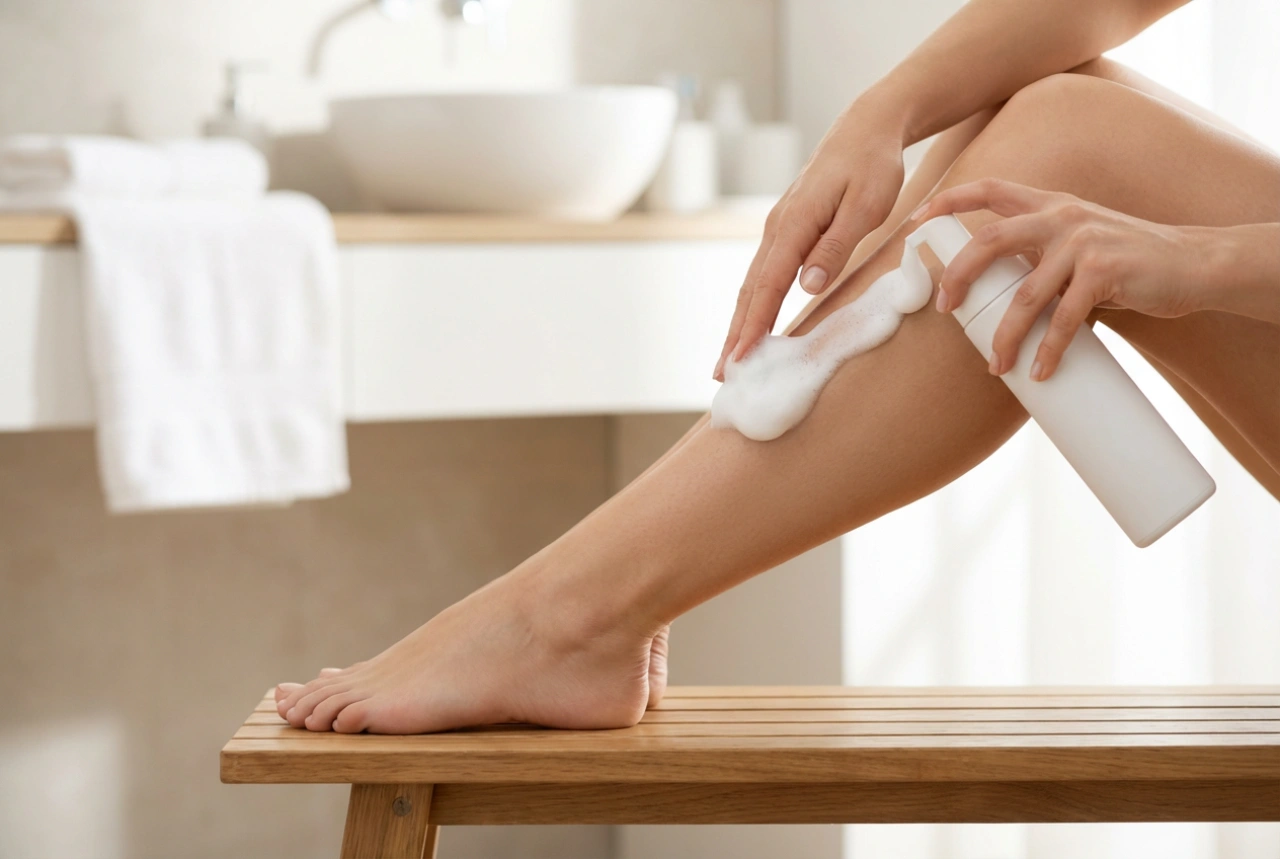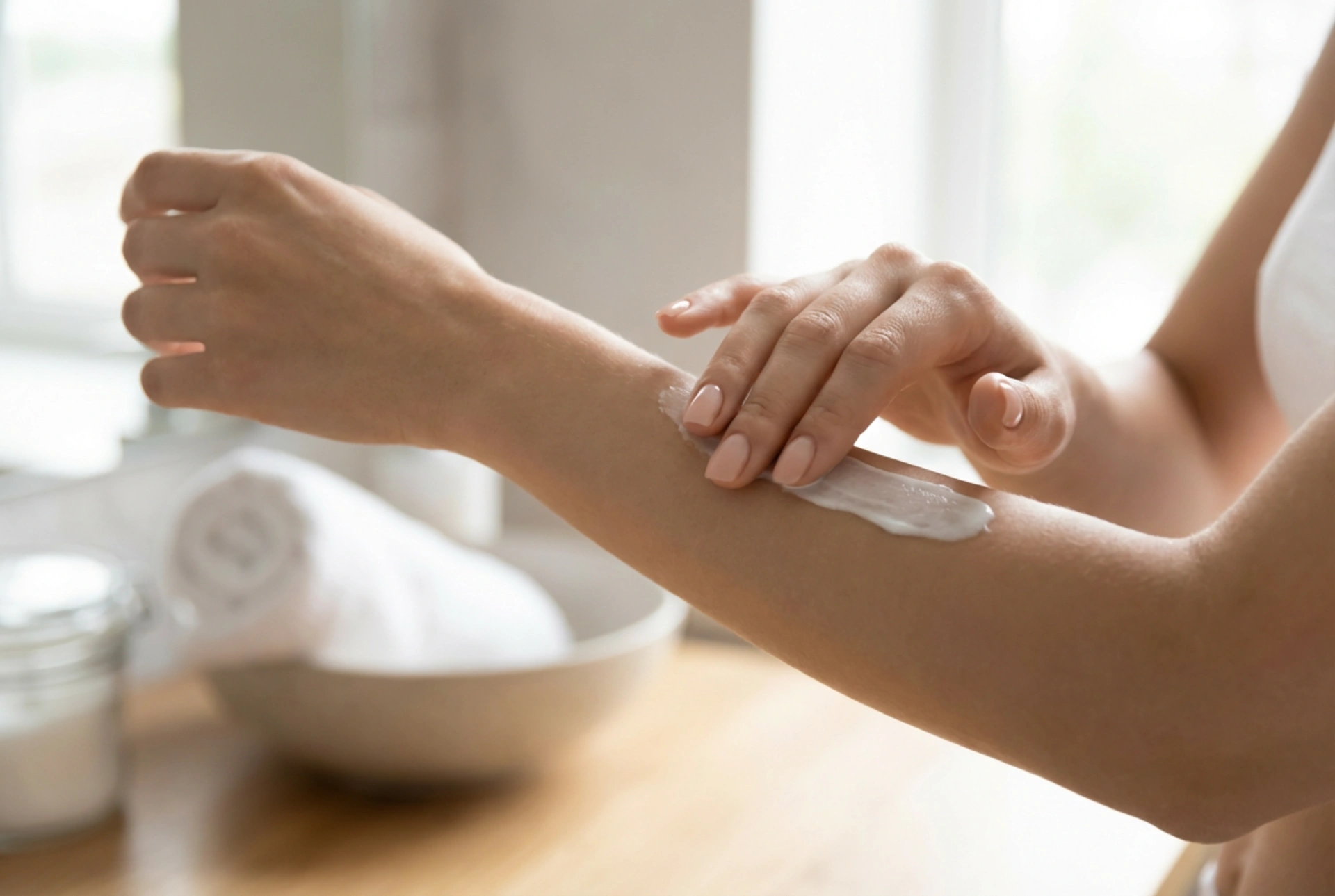


Achieving silky-smooth skin at home can be a simple and comfortable ritual. Depilatory creams offer a popular alternative to shaving or waxing, dissolving hair at the surface for a clean finish without the nicks or discomfort. As suggested by the gentle application of a cream, this method can be a pampering part of your beauty routine, provided you choose the right product and use it correctly. Understanding how to select a cream suited to your skin and how to apply it properly is key to unlocking flawless, irritation-free results.
What Are Depilatory Creams and How Do They Work?
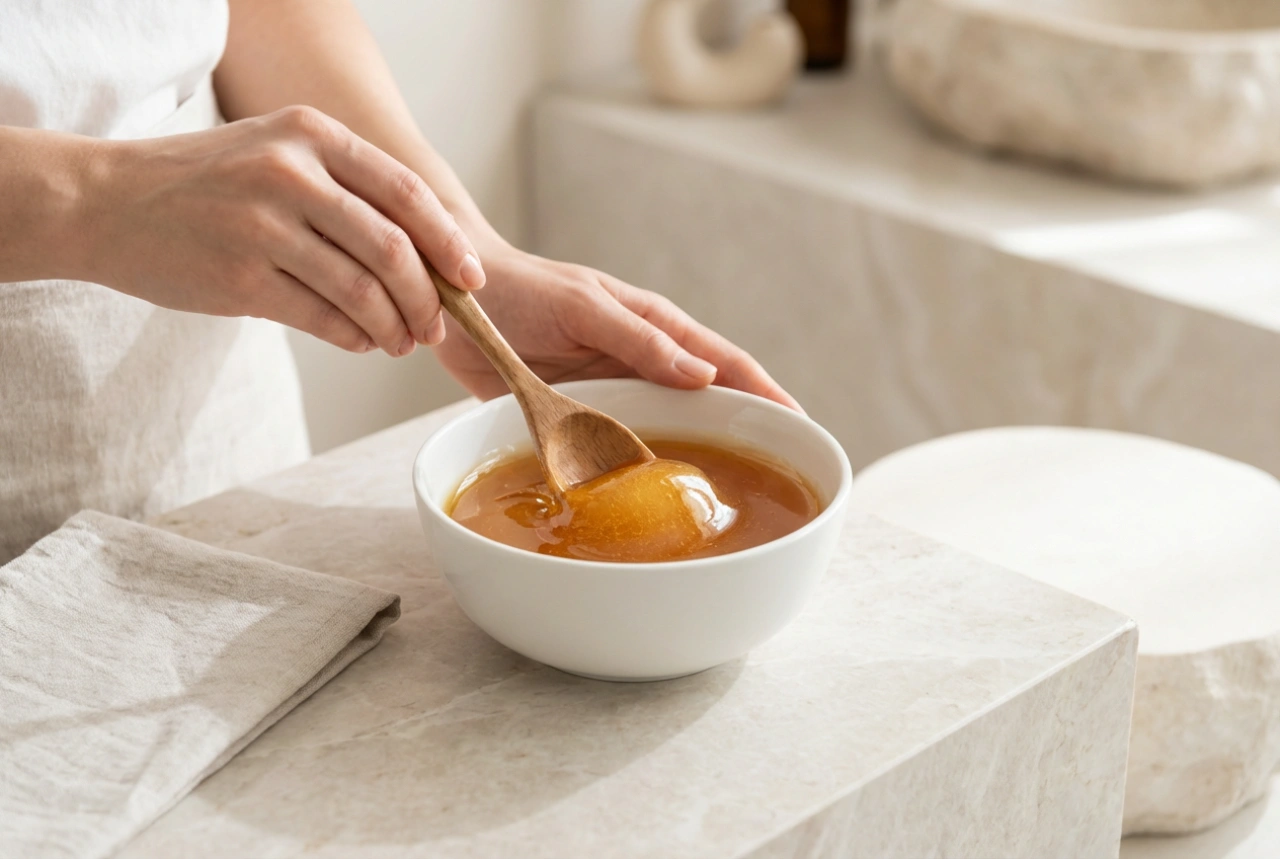
Depilatory creams, also known as hair removal creams, work through a chemical process. They contain active ingredients, such as thioglycolic acid salts, that break down the keratin protein structure of the hair. This weakens the hair to the point where it can be easily wiped away from the skin's surface along with the cream. Unlike shaving, which cuts the hair bluntly, this method dissolves it, which can result in a softer feeling as the hair regrows. The process is generally painless and quick, making it a convenient option for removing hair from legs, arms, underarms, and the bikini line.
Choosing the Right Cream for Your Skin Type
Not all depilatory creams are created equal. Formulations vary to cater for different skin types and hair textures, so selecting the appropriate one is the first step towards a successful experience. Manufacturers often specify the intended body area and skin type on the packaging.
For Sensitive Skin
If your skin is prone to redness or irritation, it is crucial to choose a cream specifically formulated for sensitive skin. These products typically contain lower concentrations of active ingredients and are enriched with soothing and moisturising components like aloe vera, chamomile, or vitamin E. They are designed to be gentler on the skin while still effectively removing hair. Always perform a patch test, even with sensitive formulas.
For Normal Skin
If you do not have particularly sensitive skin, you have a wider range of options. You can choose from standard formulations that offer quick and efficient hair removal. Many of these creams also include moisturising ingredients to leave the skin feeling soft and hydrated after use. You can focus on finding a product with a pleasant scent or a texture you enjoy using.
For Coarse or Stubborn Hair
Some individuals have thicker or more resilient hair that can be resistant to standard formulas. For this, look for creams specifically labelled for coarse hair. These products contain a higher concentration of active ingredients to effectively break down stronger hair shafts. They are often intended for areas like the legs or underarms but should be used with caution on more delicate areas.
The Correct Application Process for Best Results
Proper application is just as important as choosing the right cream. Following the instructions precisely will ensure effective hair removal and minimise the risk of skin irritation. The process can be broken down into a few simple stages.
- Read the Instructions: Before you begin, thoroughly read the directions and warnings provided with the product. Different creams have different recommended application times.
- Perform a Patch Test: This is the most critical step. Apply a small amount of the cream to a tiny area of skin where you intend to remove hair. Wait for the maximum time indicated, then wipe it off. Wait a full 24 hours to ensure there is no adverse reaction like redness, itching, or burning.
- Prepare the Skin: The skin should be clean, dry, and free from any lotions, oils, or irritation. Do not apply the cream to broken, sunburnt, or inflamed skin.
- Apply an Even Layer: Using the spatula provided, or your fingers, spread a thick, even layer of the cream over the hair you want to remove. Do not rub it into the skin; it should sit on top, fully covering the hair.
- Time it Carefully: Set a timer for the minimum time suggested in the instructions. It is important not to exceed the maximum recommended time, as this can lead to chemical burns or severe irritation.
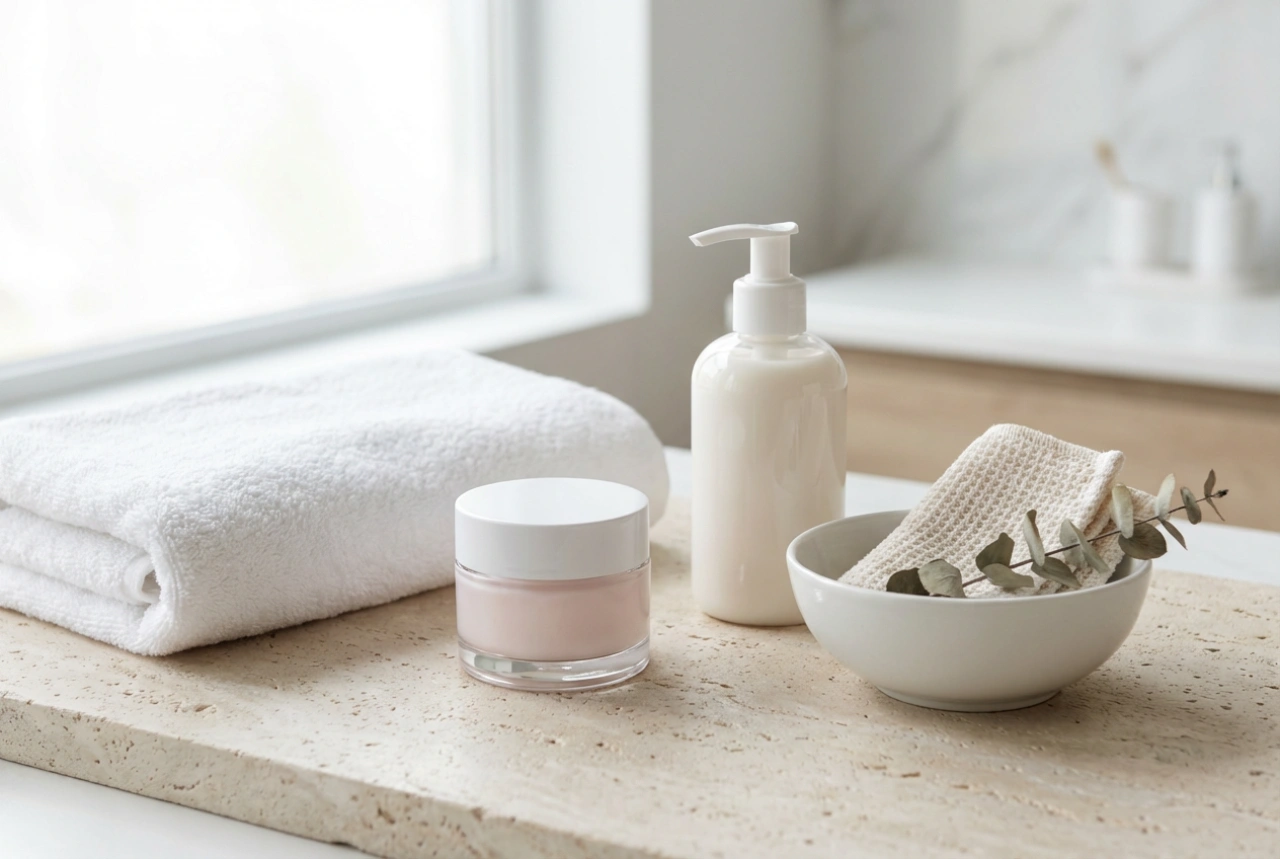
- Remove and Rinse: Once the time is up, gently use the spatula to scrape away the cream and hair from a small test area. If the hair comes away easily, remove the rest. If not, you can leave it on for a little longer, but never exceed the maximum time. After removal, rinse your skin thoroughly with lukewarm water and gently pat it dry with a soft towel.
Aftercare: Keeping Your Skin Calm and Smooth
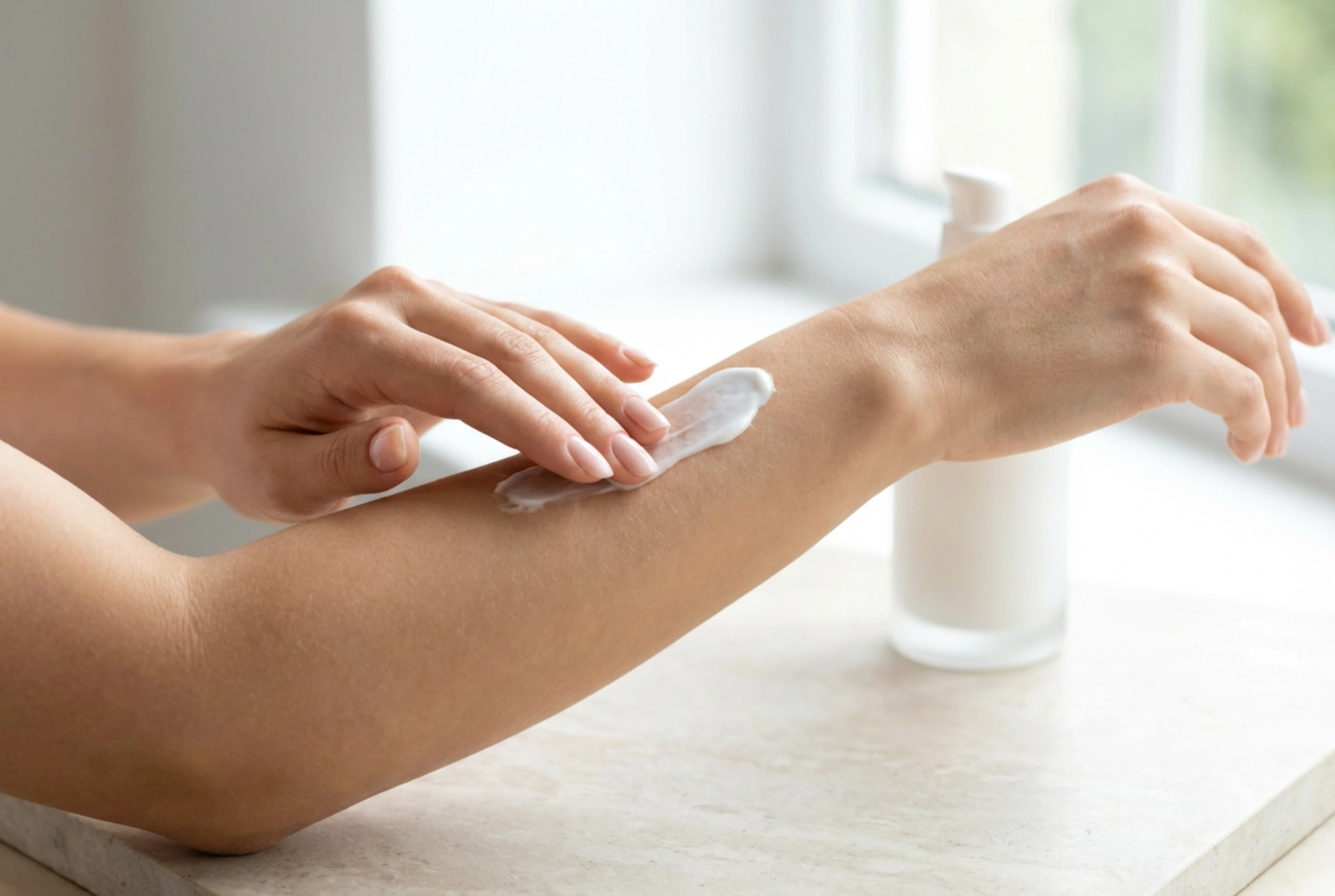
After using a depilatory cream, your skin may be slightly more sensitive than usual. Proper aftercare will help soothe it and maintain that smooth feeling. Immediately after rinsing and drying, apply a gentle, fragrance-free moisturiser to help hydrate the skin and restore its natural barrier. For the next 24 hours, avoid using products containing alcohol, exfoliants, or fragrances on the treated area. It is also wise to avoid hot showers, saunas, swimming pools, and prolonged sun exposure to prevent potential irritation.