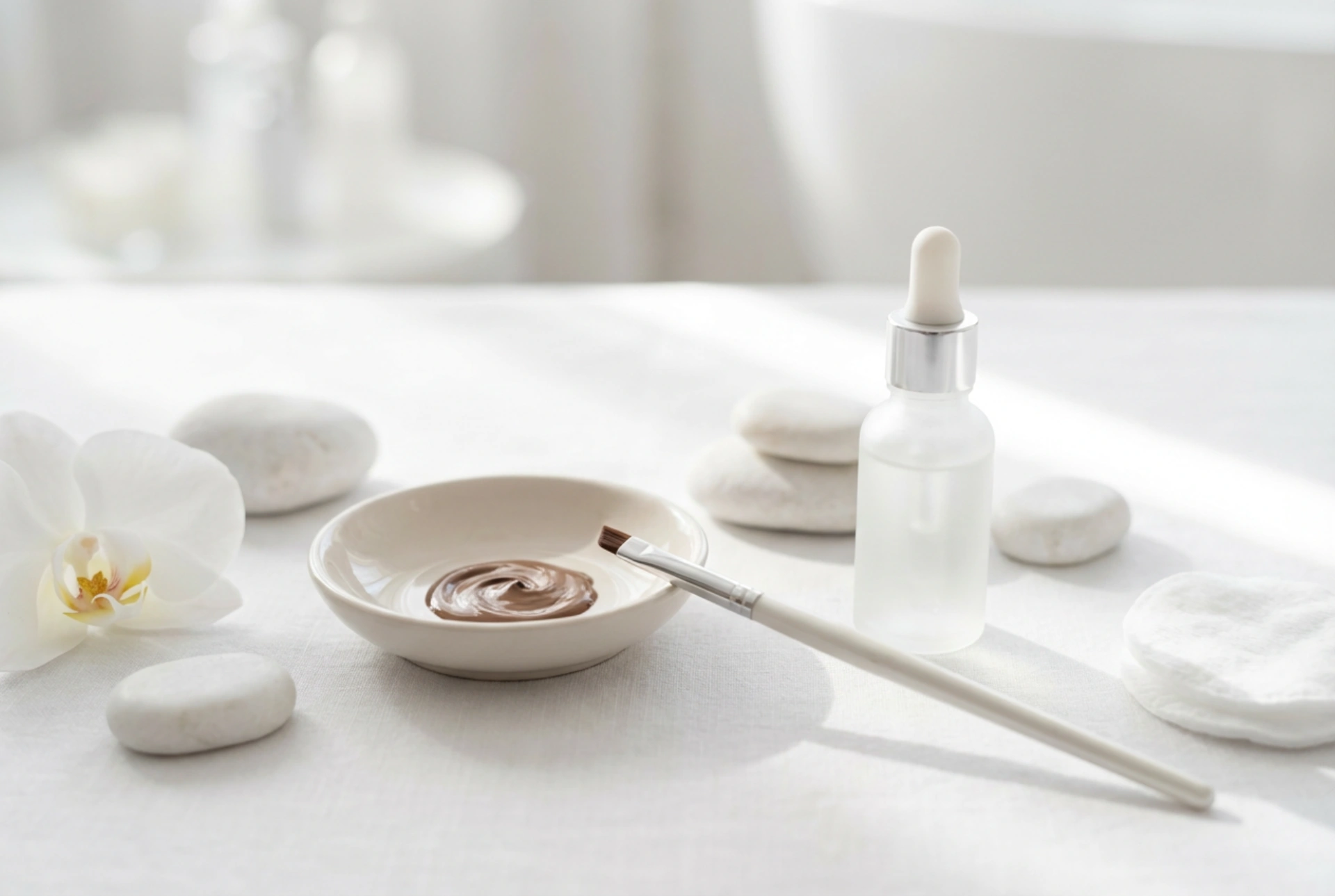


Achieving perfectly defined eyebrows can significantly enhance your facial features, creating a more polished and put-together look. While salon visits are an option, performing an eyebrow tint in the comfort of your own home can be a convenient and cost-effective alternative. With the right preparation and technique, you can create a beautiful, natural-looking result that frames your eyes. This guide will walk you through the entire process, from selecting your materials to caring for your newly tinted brows, ensuring a safe and successful home beauty ritual.
Preparing for Your Home Eyebrow Tinting Session
Proper preparation is the key to achieving a flawless and safe eyebrow tint. Rushing this stage can lead to unsatisfactory results or skin irritation, so it's essential to take your time and follow each step carefully before you begin the application.
Choosing the Right Tint Shade
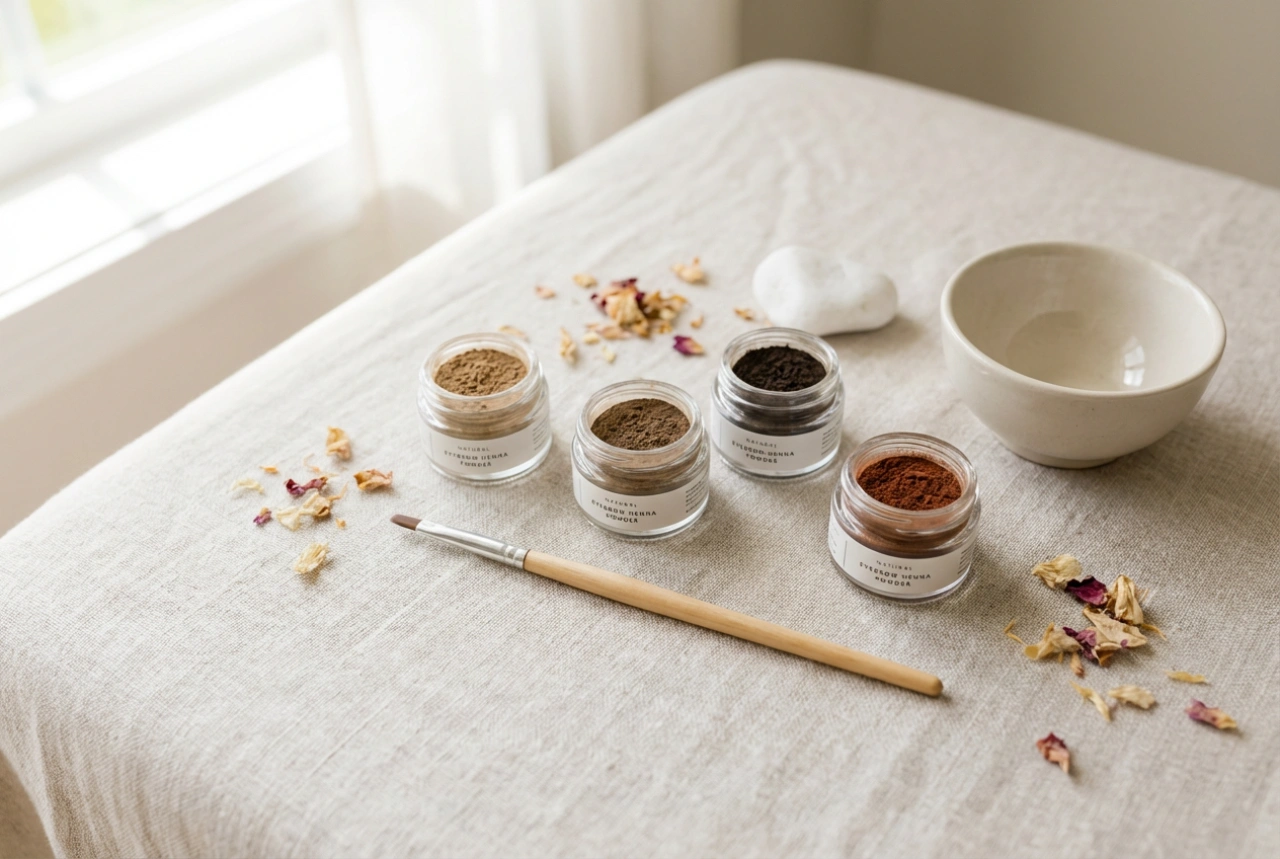
Selecting the correct colour is crucial for a natural finish. A general rule is to choose a shade that is one to two shades lighter than your hair colour if you have dark hair, or one to two shades darker if you have very light or blonde hair. This contrast prevents the brows from looking too harsh or artificial. Consider your skin's undertone as well. Cool-toned individuals might opt for ashy browns, while those with warm undertones may find that warmer, golden-brown shades are more flattering. When in doubt, always start with a lighter shade; you can always go darker in a subsequent application, but it's much harder to lighten a tint that is too dark.
Conducting a Patch Test
This is the most important safety step and must not be skipped, even if you have used the same product before. A patch test helps to ensure you don't have an allergic reaction to the tint. To perform one, mix a tiny amount of the tint and developer 24-48 hours before your planned application. Apply a small dot of the mixture to a discreet area of skin, such as behind your ear or on the inner elbow. Leave it on for the recommended processing time, then wipe it off. Monitor the area for the next 24-48 hours for any signs of redness, itching, swelling, or irritation. If any reaction occurs, do not use the product on your eyebrows.
Gathering Your Tools
Having everything ready will make the process smoother and more professional. You will need:
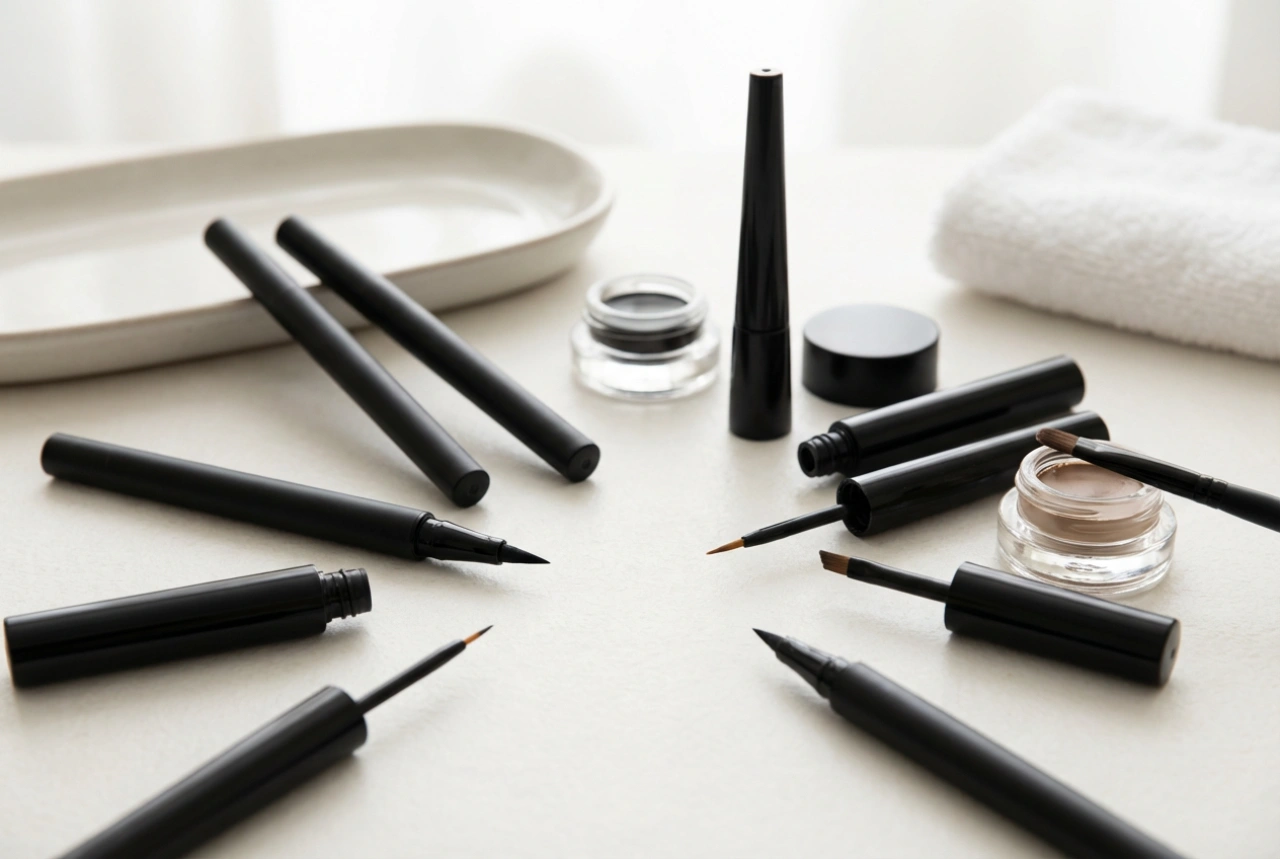
- A home eyebrow tinting kit (which usually includes tint, developer, and an applicator).
- A small, non-metallic bowl for mixing.
- A barrier cream (like petroleum jelly) to protect the skin around your brows.
- Cotton buds and pads for precise application and clean-up.
- A spoolie brush for grooming brows before and after.
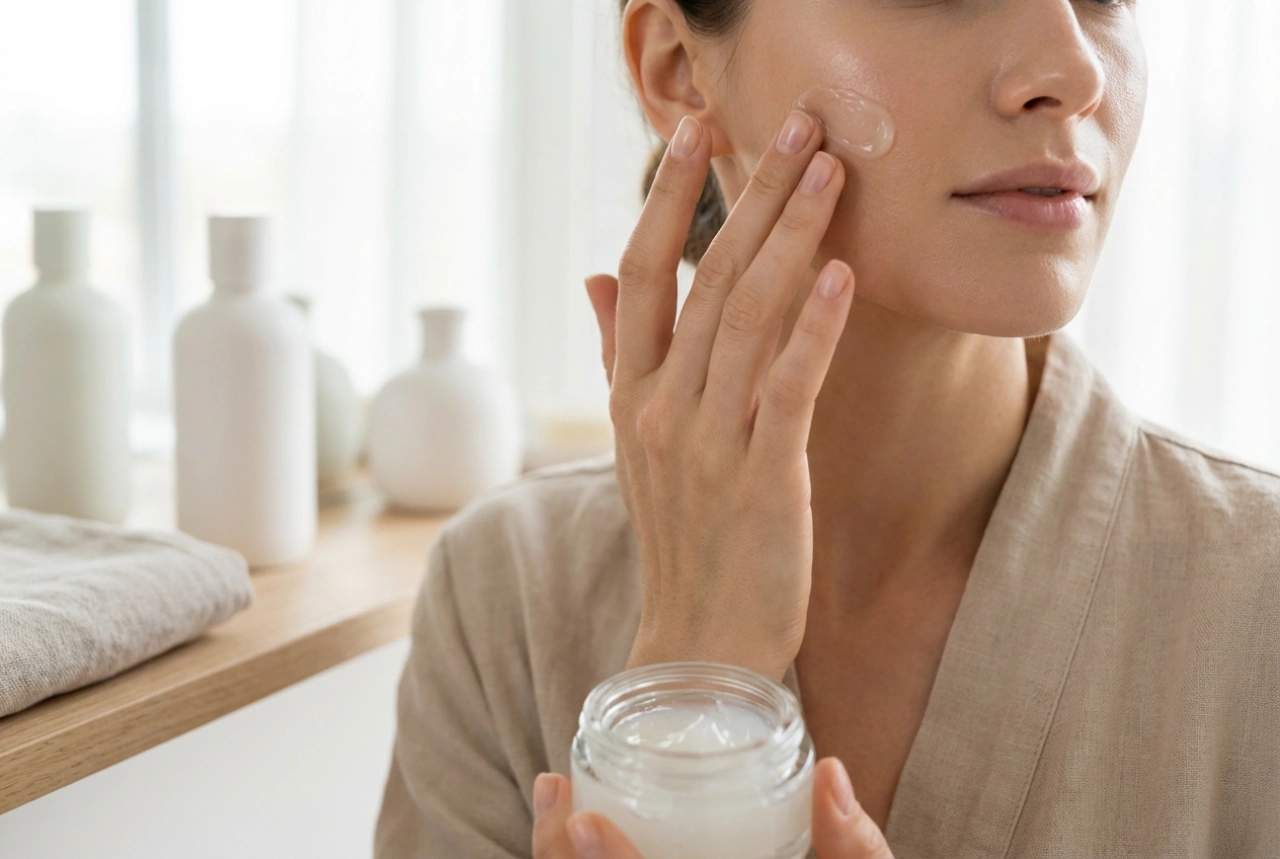
- A gentle, oil-free cleanser.
- A timer.
The Tinting Process: A Step-by-Step Guide
Once your preparation is complete and your patch test is clear, you can proceed with the tinting. Work in a well-lit area and have a mirror handy. Follow the specific instructions included with your chosen tint kit, as timings and ratios can vary.
- Cleanse the Brow Area: Start by thoroughly cleaning your eyebrows with an oil-free cleanser to remove any makeup, oils, or skincare products. Pat the area completely dry. Any residue can prevent the tint from adhering properly to the brow hairs.
- Protect Your Skin: Carefully apply a thin layer of barrier cream to the skin around your eyebrows, being cautious not to get any on the brow hairs themselves. This will prevent the tint from staining your skin.
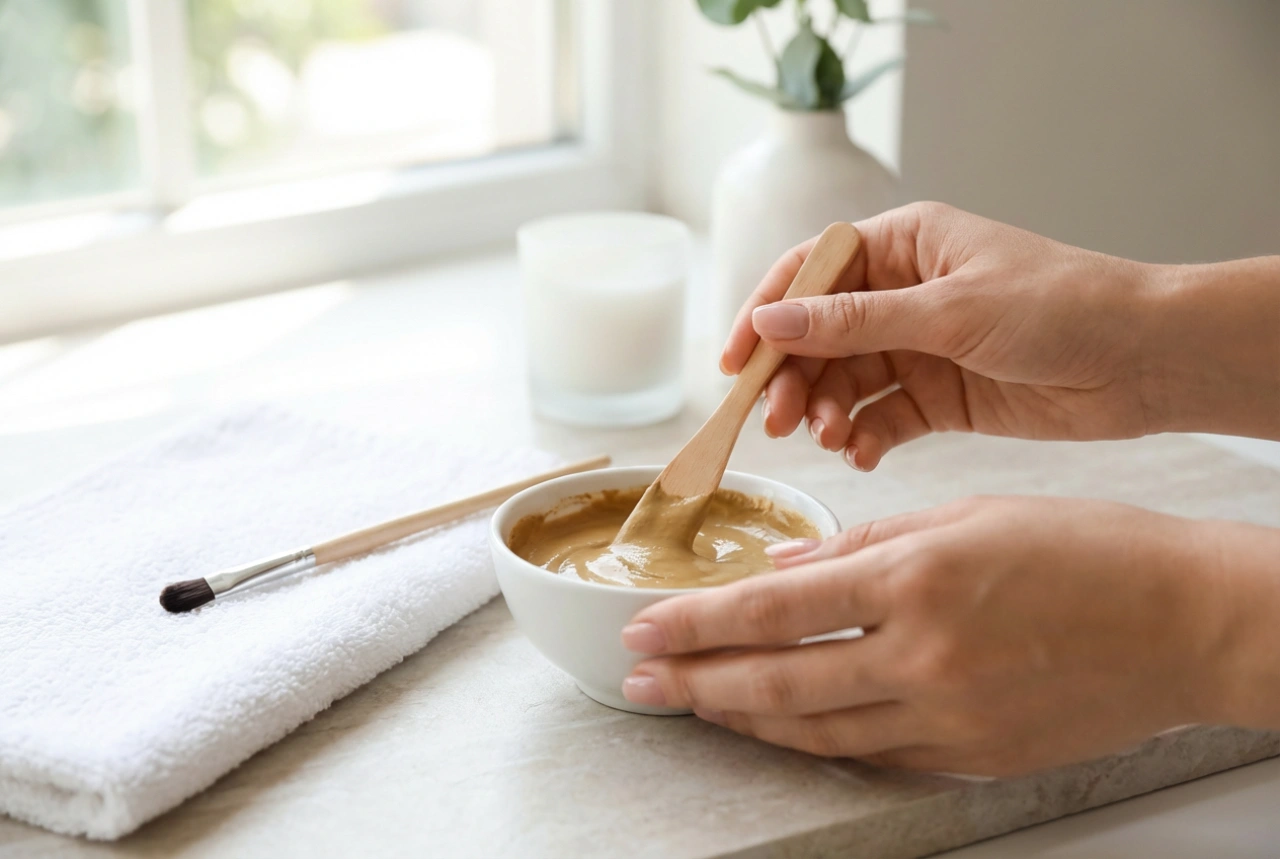
- Mix the Tint: In your non-metallic bowl, mix the tint and developer according to the product's instructions. Stir until you have a smooth, consistent paste.
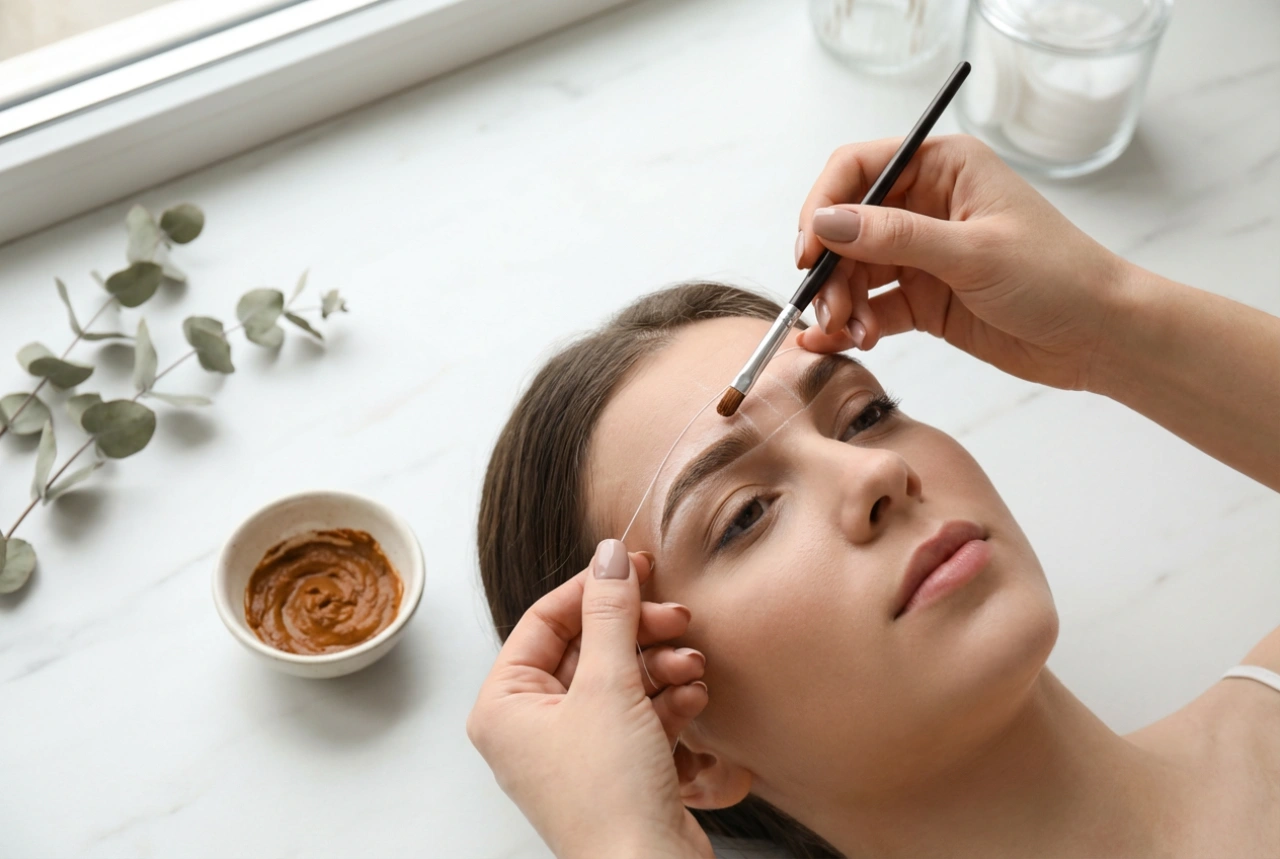
- Apply the Tint: Using the applicator brush or a clean cotton bud, apply the mixture to your eyebrows. Start from the inner corner and work your way outwards, ensuring all hairs are completely covered. For a more natural, gradient effect, you can apply the tint to the tail of the brow first and then the front, as the front hairs are often sparser.
- Wait and Process: Set a timer for the duration recommended in the instructions, which is typically between 5 and 10 minutes. The longer you leave the tint on, the darker the result will be. If it's your first time, it's wise to err on the side of caution and choose a shorter processing time.
- Remove the Tint: Once the time is up, use a damp cotton pad to gently wipe the tint off your eyebrows. Wipe in the direction of hair growth. If you see any staining on the skin, you can often remove it with a small amount of the same oil-free cleanser on a cotton bud.
Aftercare for Long-Lasting Colour
Proper aftercare is essential to prolong the life of your brow tint and keep your brows looking their best. The tint typically lasts between 3 to 6 weeks, depending on your hair growth cycle and skincare routine.
Immediate Aftercare (First 24 Hours)
For the first 24 hours after tinting, it is crucial to keep your brows completely dry. Avoid washing your face with water, swimming, saunas, and steamy showers. You should also avoid touching or rubbing the area and refrain from applying any brow makeup or oil-based skincare products directly on them.
Long-Term Maintenance
To maintain your vibrant colour for as long as possible, try to avoid using harsh cleansers, exfoliants, or oil-based products directly on your eyebrows, as these can strip the colour more quickly. When cleansing your face, be gentle around the brow area. Applying a nourishing brow serum or a small amount of a gentle, natural oil (like castor or coconut oil) at night can help keep the brow hairs conditioned and healthy. You can re-tint your eyebrows every 4-6 weeks as the colour fades and new hair grows in.