

The pursuit of a luminous, healthy-looking complexion is a common goal in many skincare routines. One of the most celebrated ingredients for achieving this glow is vitamin C. Known for its powerful antioxidant properties, it can be delivered effectively through various products, with face masks being a particularly potent option. A well-formulated vitamin C mask can provide a concentrated boost, helping to revitalise the skin's appearance and restore its natural radiance, much like the fresh ingredients pictured suggest.
Why Choose Vitamin C for Your Face Mask?
Vitamin C, in its various forms, is a key component in skincare for several reasons. Its primary role is as an antioxidant, which means it helps to neutralise free radicals from environmental stressors like pollution and UV exposure. This protective action helps to maintain the skin’s overall health and appearance. When used in a face mask, the ingredient has ample time to be absorbed, offering a more intensive treatment than a daily serum might.
Key Benefits for the Complexion:
- Brightening Effect: Vitamin C is renowned for its ability to improve the appearance of uneven skin tone. Regular use can help diminish the look of dullness, resulting in a brighter and more luminous complexion.
- Antioxidant Power: By fighting environmental aggressors, vitamin C helps to keep skin looking youthful and healthy. It supports the skin’s natural resilience.
- Improved Texture: Many users find that incorporating vitamin C into their routine contributes to a smoother and more refined skin texture.
Understanding Vitamin C Stability: The Key to Efficacy
One of the biggest challenges with vitamin C, particularly its most potent form L-ascorbic acid, is its instability. When exposed to air, light, or water, it can oxidise, turning a brownish colour and losing its beneficial properties. This is why formulation and packaging are critical.
What to Know About Stability:
- Forms of Vitamin C: To combat instability, cosmetic chemists often use vitamin C derivatives. These are more stable forms that convert to ascorbic acid on the skin. While they may work more gradually, their stability ensures the product remains effective from the first use to the last.
- Protective Packaging: Effective vitamin C products are typically housed in opaque, air-restrictive packaging (like tubes or airless pumps) to protect the formula from light and air degradation. For masks, single-use sachets are an excellent way to ensure freshness.
- Formulation Matters: The overall formula, including its pH level and the presence of other stabilising antioxidants like vitamin E and ferulic acid, plays a crucial role in keeping the vitamin C active.
How to Use a Vitamin C Mask Effectively
To get the most out of your vitamin C mask, it's important to integrate it correctly into your skincare routine. Proper application and follow-up care will maximise its brightening potential.
Application Tips:
- Cleanse First: Always apply a face mask to clean, dry skin. This removes any surface impurities, allowing the mask’s ingredients to work more effectively.
- Follow Instructions: Adhere to the recommended time on the product packaging, which is typically 10-20 minutes. Leaving a mask on for too long doesn't necessarily increase its benefits and may lead to sensitivity.
- Frequency: For most skin types, using a vitamin C mask 1-2 times per week is sufficient to see results without overdoing it.
- Post-Mask Care: After rinsing off the mask, follow up with your usual serum and a good moisturiser to lock in hydration. If you use the mask in the morning, it is essential to apply a broad-spectrum sunscreen, as vitamin C can make the skin more sensitive to the sun, while also boosting the protective qualities of your SPF.
Preparing a Simple Brightening Mask at Home
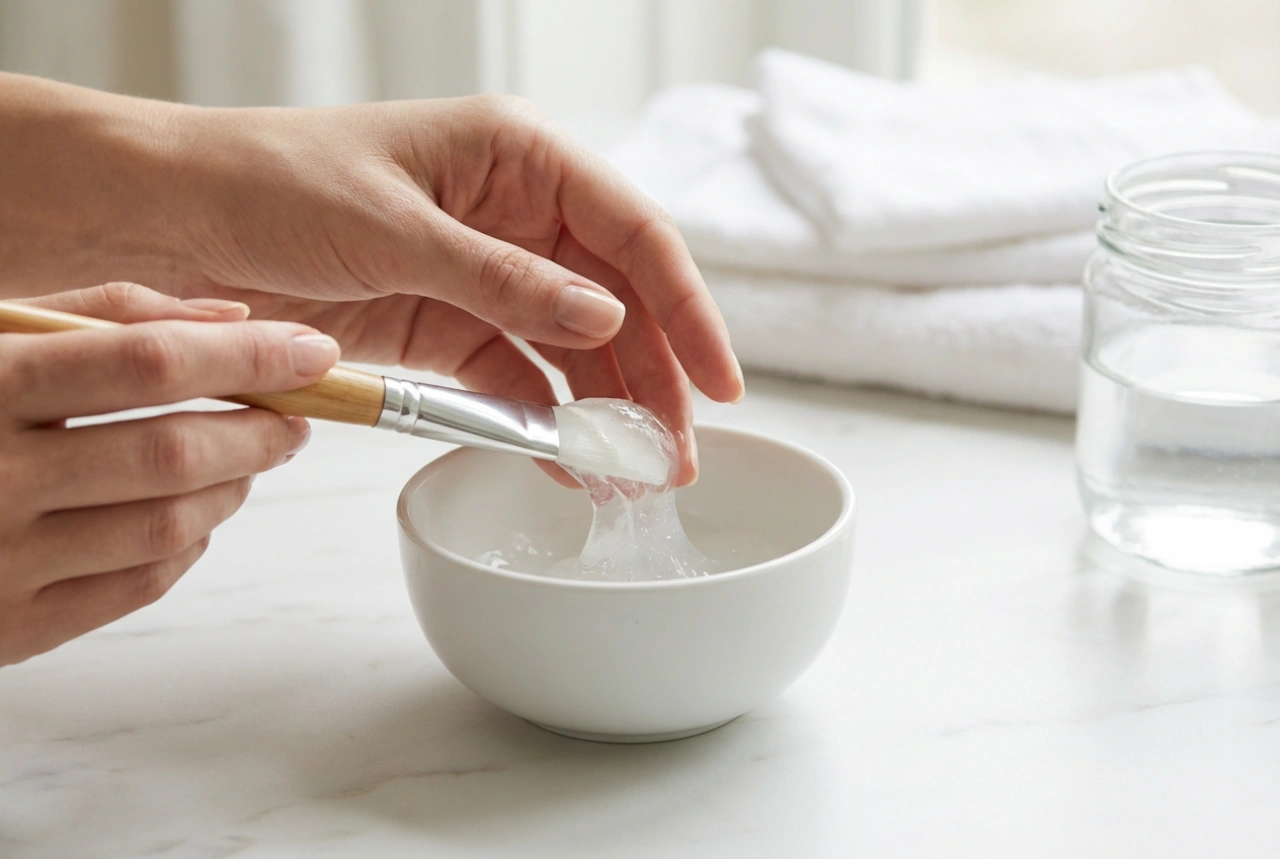
For those who enjoy a hands-on approach, a simple, fresh mask can be prepared at home. It is vital to use it immediately after mixing to benefit from the vitamin C before it oxidises. Always perform a patch test on a small area of skin before applying to your face.
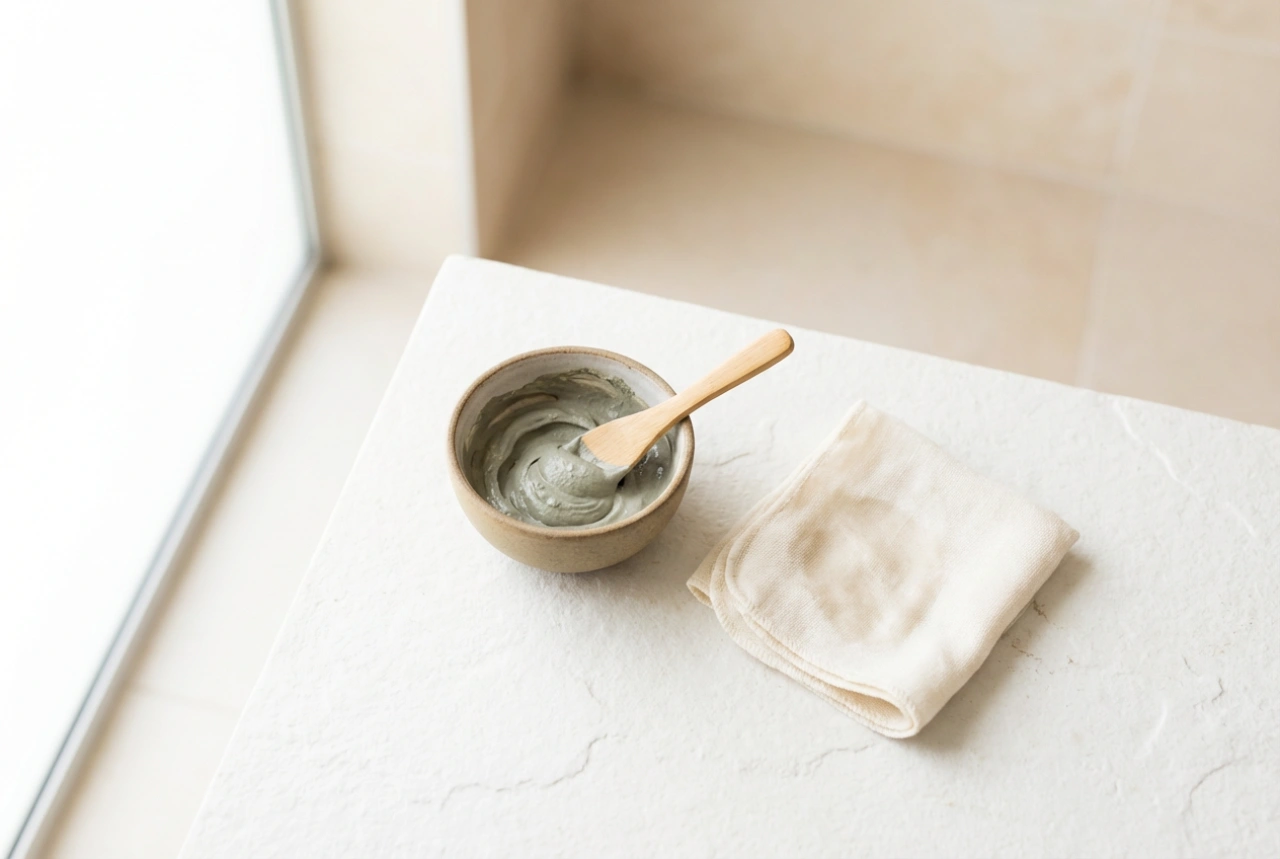
Gentle Clay and Vitamin C Mask:
- In a non-metallic bowl, combine one tablespoon of a gentle clay, like kaolin or bentonite clay.
- Add a very small pinch (no more than 1/8 of a teaspoon) of cosmetic-grade L-ascorbic acid powder. Using too much can be irritating.
- Slowly mix in lukewarm water or a soothing floral water (like rosewater) until you achieve a smooth, spreadable paste.
- Apply the mixture to your face, avoiding the eye and mouth area.
- Leave it on for 5-10 minutes, or until it is just beginning to dry. Do not let it dry completely and crack.
- Rinse thoroughly with lukewarm water and pat your skin dry before applying moisturiser.
This simple preparation ensures you are using the vitamin C in its most active state. Remember that homemade preparations lack the preservatives and stabilisers of commercial products, so they must be made fresh for each use.