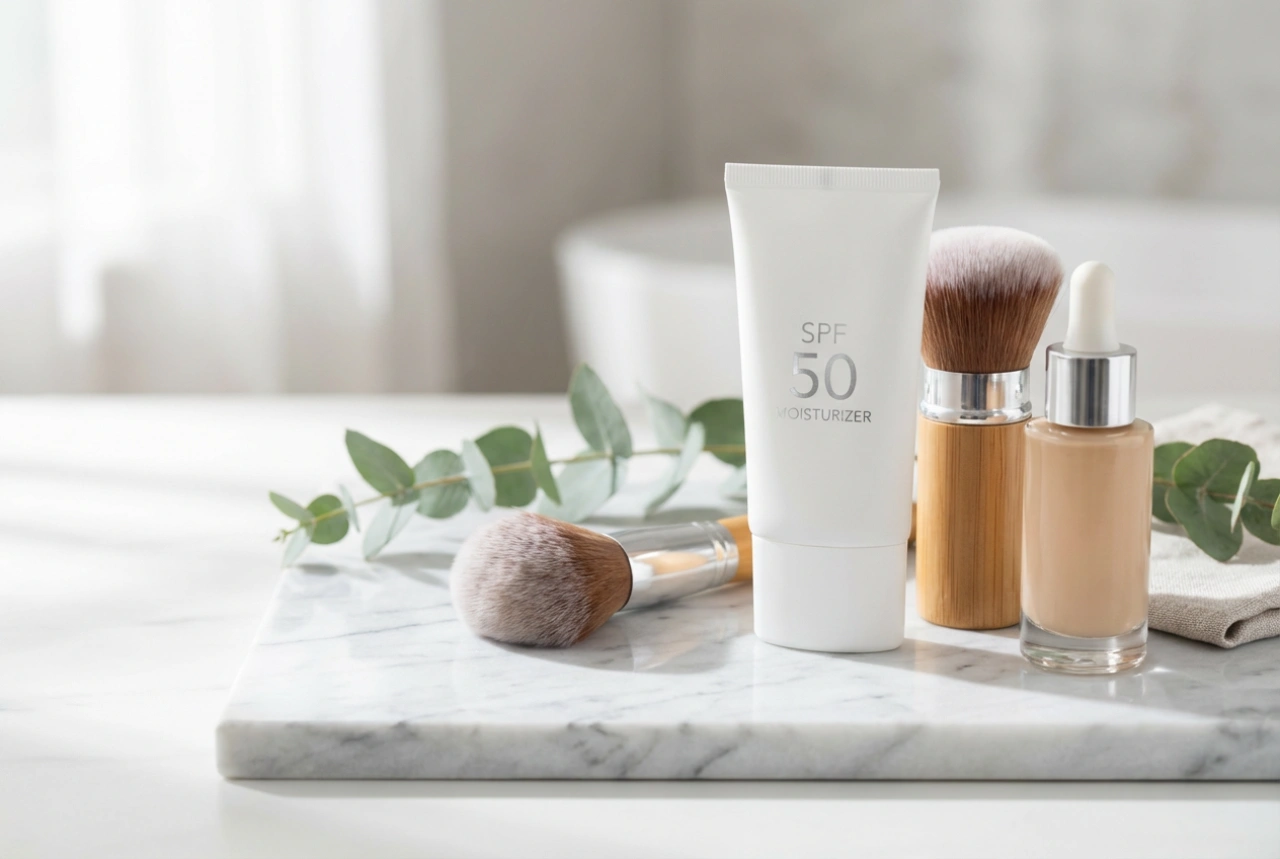


Creating a flawless, long-lasting makeup look begins long before you pick up your foundation bottle. The secret to a smooth, durable base lies in preparing your skin correctly, and a key player in this process is your moisturiser. However, the wrong choice or application can lead to frustrating issues like 'pilling,' where products ball up on the skin. Understanding how to properly use a moisturiser as a canvas for makeup is essential for achieving a professional finish that lasts all day.
Why Does Makeup Pill or Separate Over Moisturiser?
Pilling is the term for when skincare or makeup products don't absorb properly and instead form tiny balls on the skin's surface when you try to layer something on top. It's a common issue that can ruin an otherwise perfect makeup application. Several factors can cause this undesirable effect:
- Ingredient Incompatibility: One of the most frequent culprits is mixing products with opposing bases, such as a water-based moisturiser with a silicone-based foundation. The ingredients can repel each other, leading to separation and pilling.
- Applying Too Much Product: Using a thick layer of moisturiser means the skin can only absorb what it needs, leaving a surplus film on the surface. This excess product is likely to roll up when you apply your next layer.
- Not Allowing Enough Absorption Time: Rushing your routine is a guaranteed way to cause problems. If you apply foundation to skin that is still wet or tacky from moisturiser, the products will mix on the surface instead of layering smoothly.
- Lack of Exfoliation: A build-up of dead skin cells creates an uneven surface. When you apply products, they can cling to these dry patches and roll up, preventing a smooth blend.
Choosing the Right Moisturiser for Your Skin and Makeup
The ideal moisturiser for wearing under makeup provides adequate hydration without leaving a greasy or heavy residue. The choice depends heavily on your skin type and the type of foundation you use.
Matching Your Skin Type
- Oily Skin: Opt for lightweight, oil-free, or gel-based formulas. These moisturisers absorb quickly, hydrate the skin, and help control excess shine without adding extra oil to the skin's surface.
- Dry Skin: Look for creams with humectants like hyaluronic acid and glycerine to draw in moisture, and emollients to lock it in. These richer formulas will plump the skin and prevent makeup from clinging to dry patches.
- Combination Skin: You can either use a lightweight moisturiser all over or target different areas specifically. Apply a richer cream to dry cheeks and a lighter gel-cream to your T-zone.
Checking for Ingredient Compatibility
A simple rule of thumb is to match the base of your products. Check the first few ingredients on the list. If your foundation is silicone-based (look for ingredients ending in -cone, -siloxane, or -methicone), it will likely pair best with a silicone-based primer or moisturiser. If your foundation is water-based (often listing 'water' or 'aqua' first without silicones in the top ingredients), a water-based moisturiser is a safer choice.
The Perfect Application Technique for a Flawless Base
How you apply your products is just as important as what you use. Follow these steps for a seamless application that prevents pilling and extends the life of your makeup.
Step 1: Start with a Clean, Smooth Canvas. Cleanse your face thoroughly. Incorporate gentle exfoliation into your weekly routine (1-2 times per week) to slough away dead skin cells that can interfere with product application.
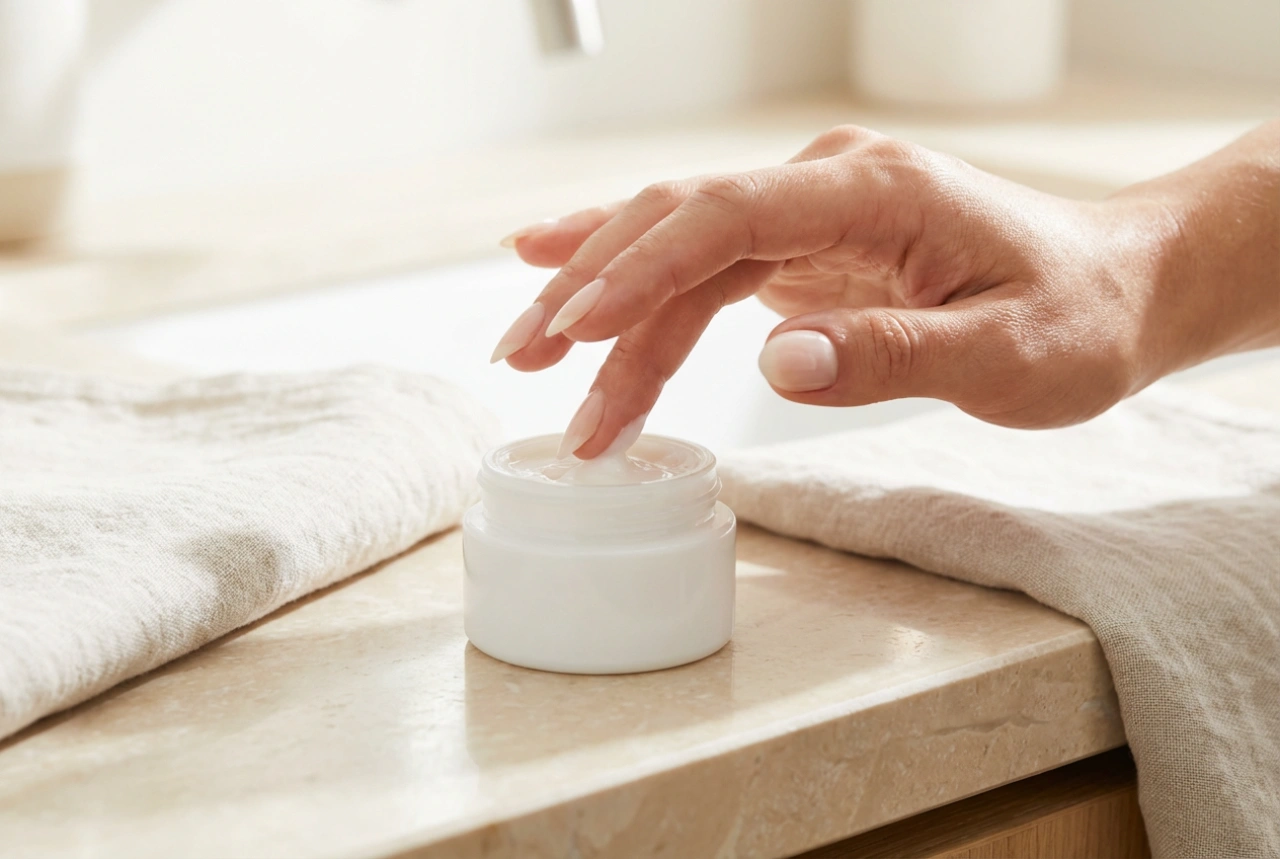
Step 2: Apply Moisturiser Sparingly. You only need a small, pea-sized amount for your entire face. Warm the product between your fingertips and then gently press or pat it into the skin. Avoid aggressive rubbing, which can cause the product to start pilling on its own.
Step 3: Wait. And Wait Some More. This is the most critical step. Allow your moisturiser a minimum of 5-10 minutes to fully absorb into the skin. Your face should feel hydrated and smooth to the touch, not wet or sticky. Use this time to do your eye makeup or style your hair.
Step 4: Use a Primer (Optional). For extra longevity and smoothness, apply a thin layer of primer after your moisturiser has fully absorbed. A primer creates an ideal barrier between your skincare and makeup, helping to fill in pores and fine lines.
Step 5: Apply Foundation Gently. Whether you use a brush, sponge, or your fingers, apply your foundation with a light hand. Pressing, stippling, or bouncing motions are better than vigorous rubbing or swiping, which can disturb the layers of skincare underneath.
Troubleshooting Common Makeup Base Issues
Even with careful preparation, you might occasionally face a makeup mishap. If pilling occurs, don't try to blend it away. Instead, use a clean, fluffy brush to gently sweep away the particles. If your makeup looks cakey, you may have used too much product; a light mist of a hydrating face mist can help the layers melt together. If your foundation separates during the day, it could be due to excess oil breaking through. Keep blotting papers on hand to gently absorb oil without disturbing your makeup.