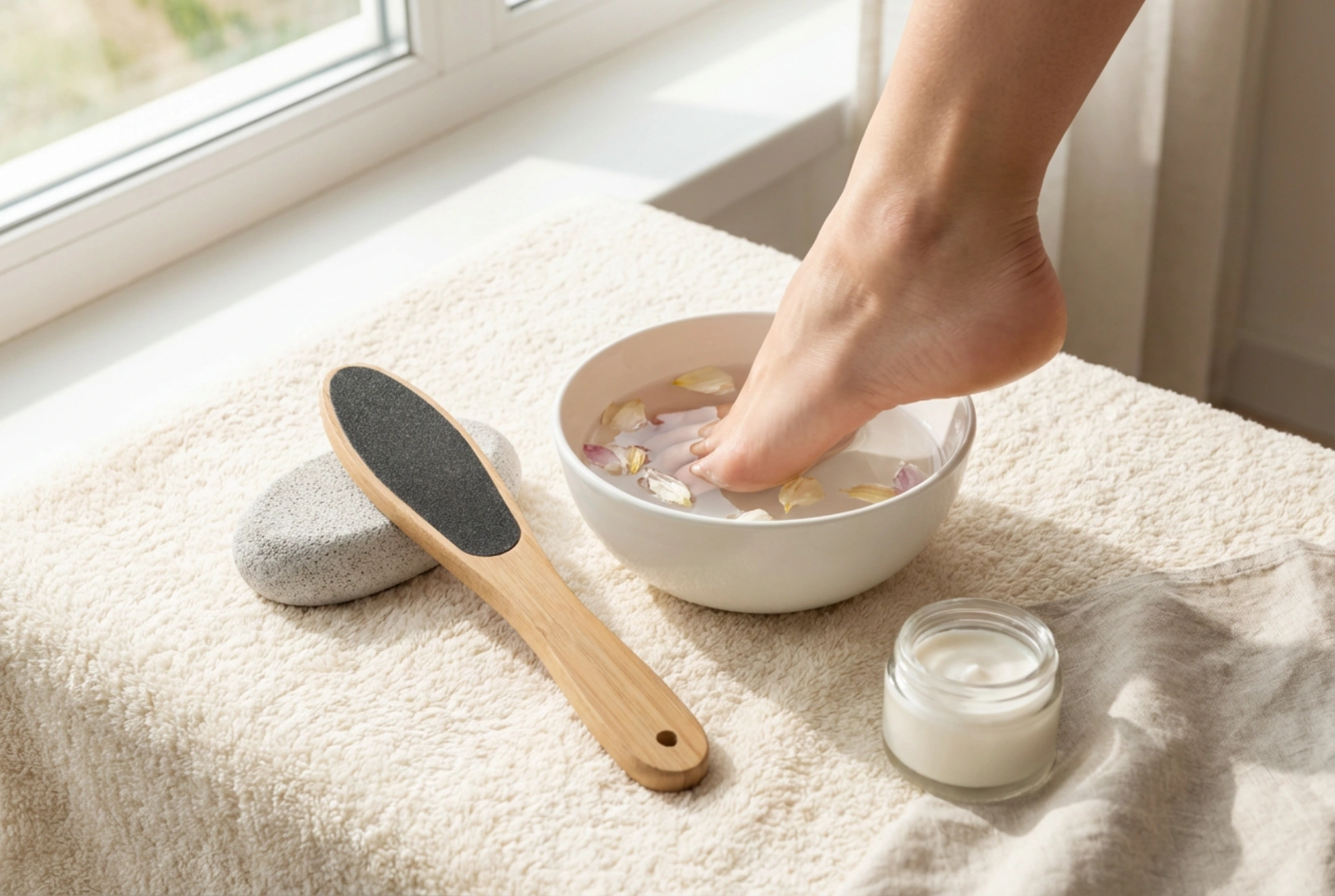


Achieving beautifully smooth heels is a key part of any comprehensive foot care routine. While it might seem straightforward, using a heel file effectively and safely requires the right knowledge and technique. Proper use not only helps to remove rough, hard skin but also prevents potential damage. Equally important is the hygiene of your tools, which ensures your home pedicure is both pleasant and clean. This guide will walk you through the essential steps, from choosing the right file to keeping it in pristine condition.
Choosing the Right Heel File
The market offers a variety of heel files, and selecting the appropriate one depends on your skin's needs and personal preference. The main difference lies in the material and abrasiveness of the surface. It's wise to start with a less abrasive option and see how your skin responds before moving to something coarser.
Types of Manual Files
- Pumice Stone: A natural, lightweight volcanic rock, pumice is a gentle option ideal for light exfoliation and regular maintenance. It's best used on damp skin.
- Ceramic or Glass Files: These files are known for their durability and hygiene. The surface is often finely textured, allowing for gentle but effective smoothing. They can typically be used on both wet and dry skin and are very easy to clean.
- Metal Files: Often featuring a grater-like surface, these are the most abrasive type. They should be used with extreme caution, as they can easily remove too much skin and cause soreness or damage. They are generally recommended for very thick, stubborn calluses and require a very light touch.
Electric Foot Files
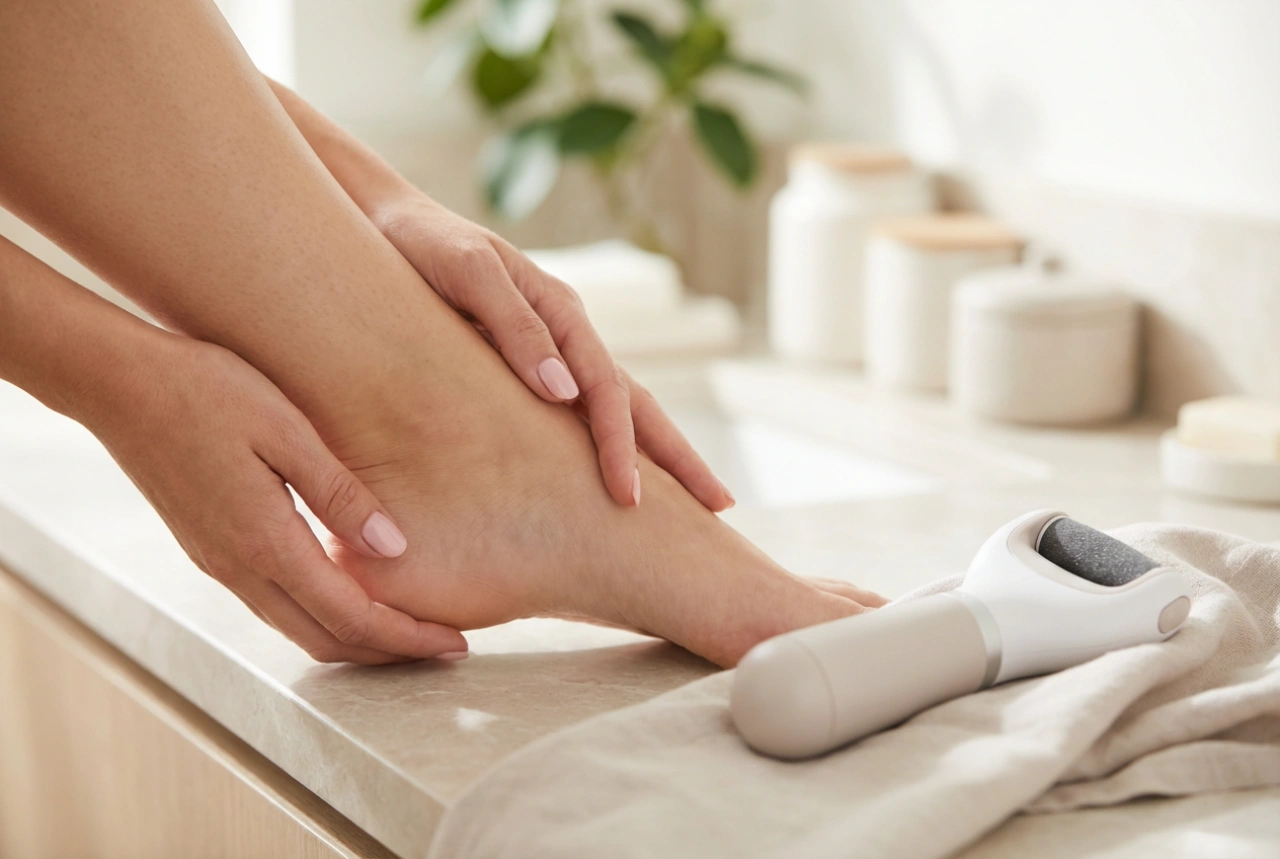
Battery-operated or rechargeable electric files feature a rotating roller head with an abrasive surface. They offer a quick and effortless way to remove hard skin. Most models come with interchangeable heads of varying coarseness, allowing you to tailor the treatment to your needs. They are designed for use on dry skin only.
The Correct Technique for Using a Heel File
How you use your file is just as important as which one you choose. A methodical and gentle approach will yield the best results without causing irritation.
Step 1: Preparation
Begin by soaking your feet in warm, but not hot, water for 10-15 minutes. This softens the hard skin, making it much easier to remove. You can add bath salts or a gentle soap to the water for a more relaxing experience. After soaking, pat your feet completely dry with a clean towel, especially if you are using an electric file. For manual files, working on slightly damp or dry skin often provides more control than working on wet skin.
Step 2: The Filing Process
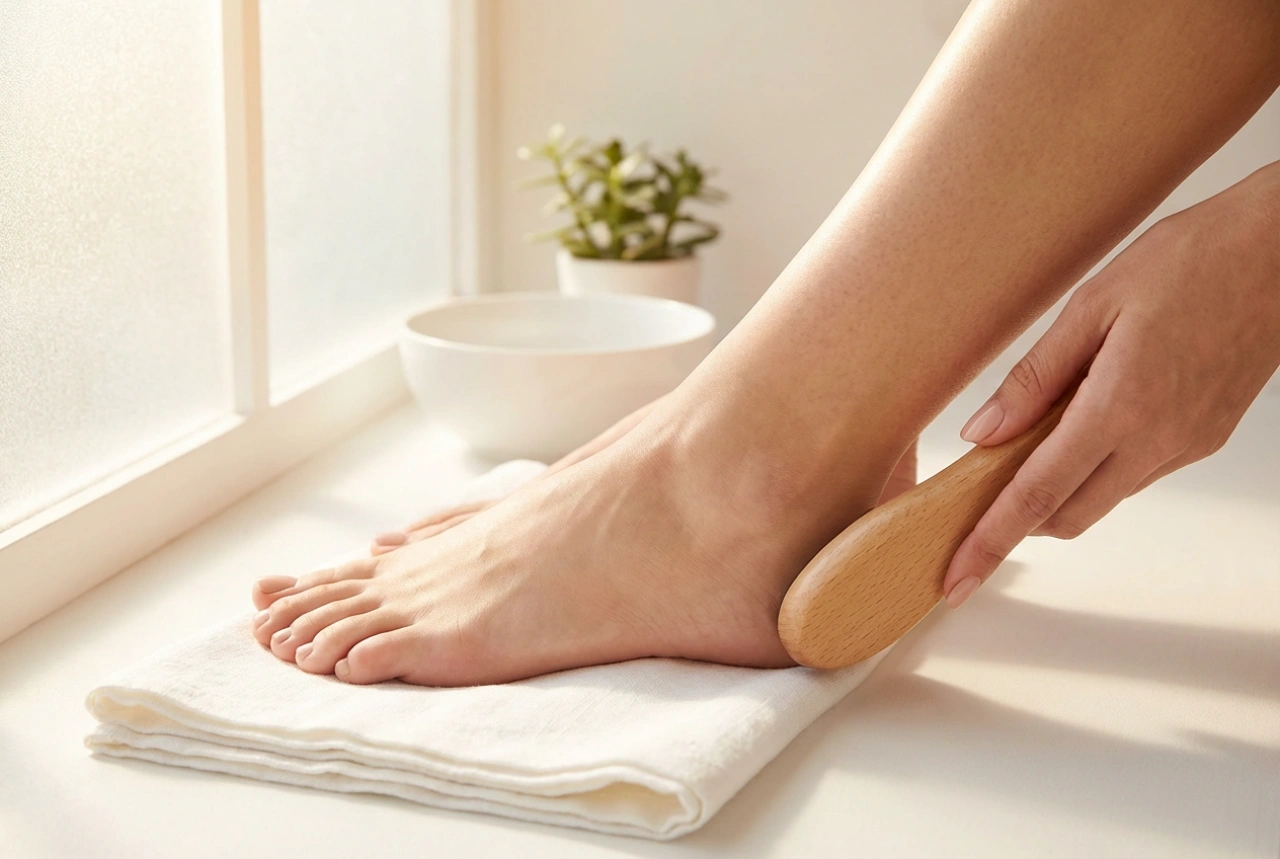
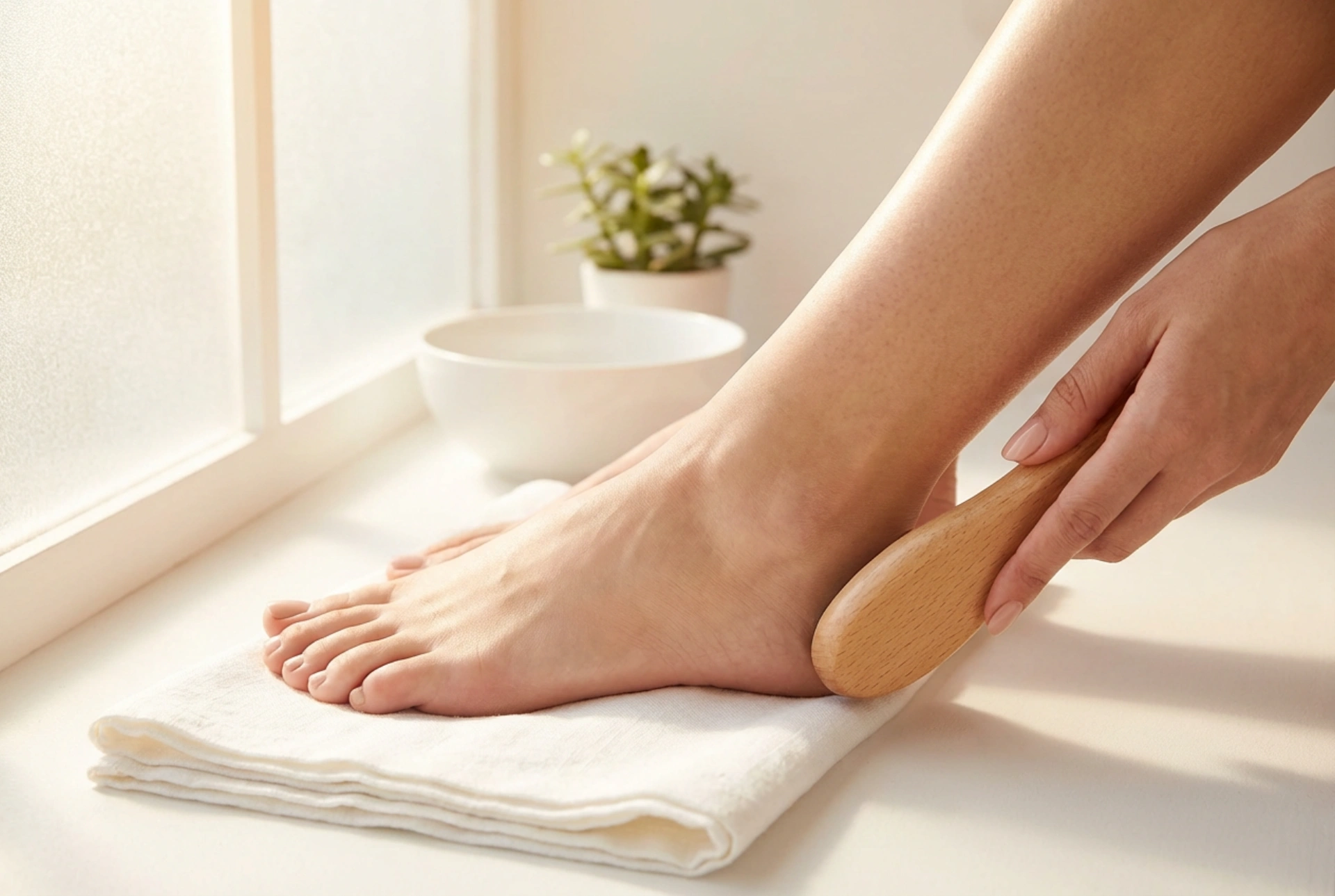
Hold the file firmly and place it against the hardened area of your heel or the ball of your foot. Use gentle, even strokes in one direction. Avoid a vigorous back-and-forth sawing motion, as this can create friction, heat, and micro-tears in the skin. Check your progress frequently and feel the skin with your fingers. The goal is to smooth the callus, not to eliminate it entirely. A thin layer of harder skin is natural and provides protection.
Step 3: Know When to Stop
Over-filing is a common mistake that can lead to tenderness, redness, and even make the skin grow back thicker as a protective response. Stop as soon as the skin feels smoother and you no longer feel significant roughness. Your feet should feel comfortable, not raw or sensitive.
Essential Aftercare for Your Feet
Once you have finished filing, the aftercare routine is crucial for locking in moisture and maintaining softness.
- Rinse and Dry: Rinse your feet with cool water to wash away any exfoliated skin particles. Pat them dry thoroughly, paying attention to the areas between your toes.
- Moisturise Generously: Apply a thick, nourishing foot cream immediately after drying. Look for ingredients known for their hydrating properties, such as urea, shea butter, or glycerine. Massage the cream into your heels and all over your feet until it is fully absorbed.
- An Overnight Treat: For an intensive moisturising treatment, apply a generous layer of cream before bed and wear a pair of cotton socks. This helps the cream penetrate deeply overnight, leaving you with exceptionally soft feet in the morning.
Keeping Your Pedicure Tools Hygienic
Cleaning your heel file after every use is non-negotiable. A dirty tool can harbour skin cells and microorganisms, which you do not want to reintroduce to your skin during your next pedicure.
First, rinse the file under warm, running water to remove any visible debris. Next, use a small, stiff brush (like a dedicated nail brush) and some soap or antibacterial wash to scrub the surface of the file, getting into all the grooves. Rinse it thoroughly once more to wash away all the soap. Finally, disinfect the tool. You can do this by wiping it with rubbing alcohol or using a cosmetic tool disinfectant spray. Allow the file to air dry completely on a clean towel before storing it in a dry, protected place, such as a dedicated pouch or drawer. This prevents moisture from encouraging bacterial growth.