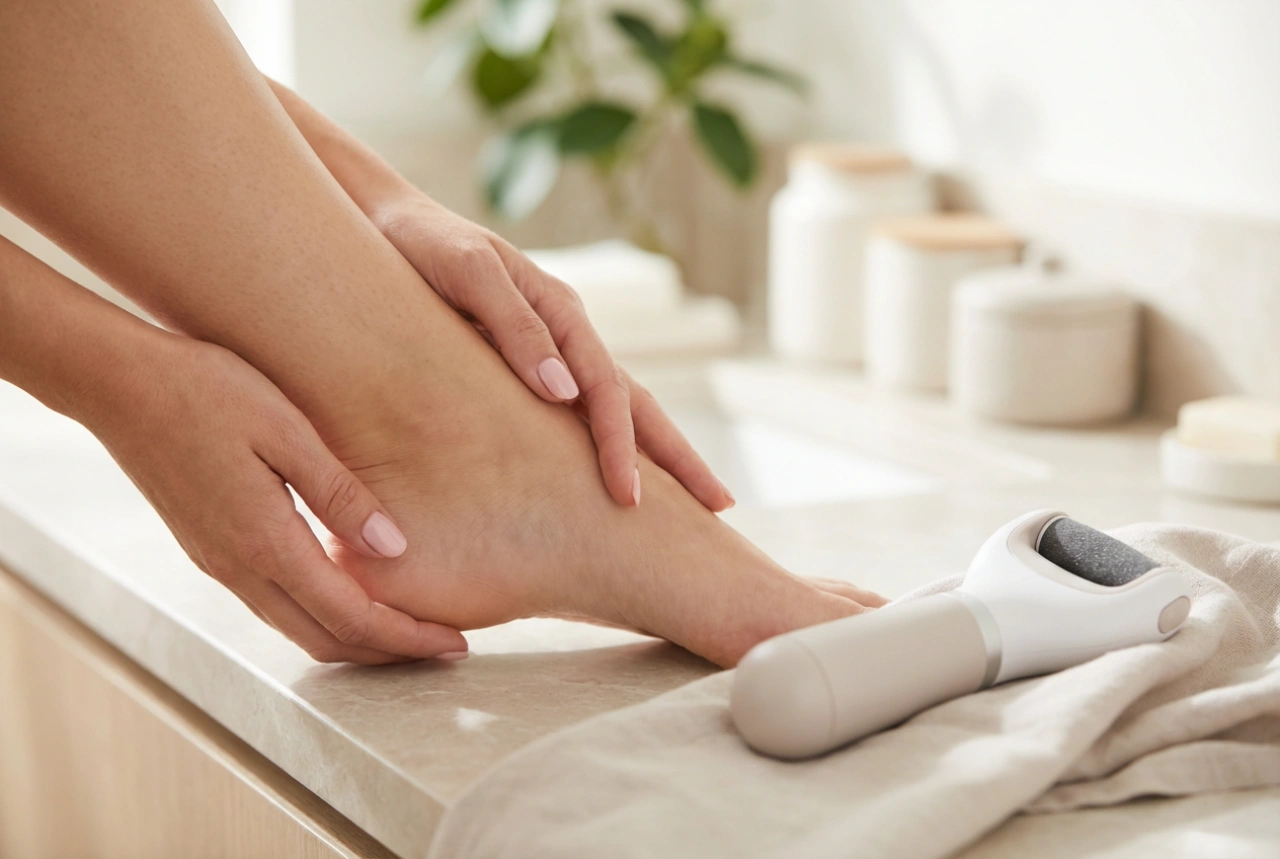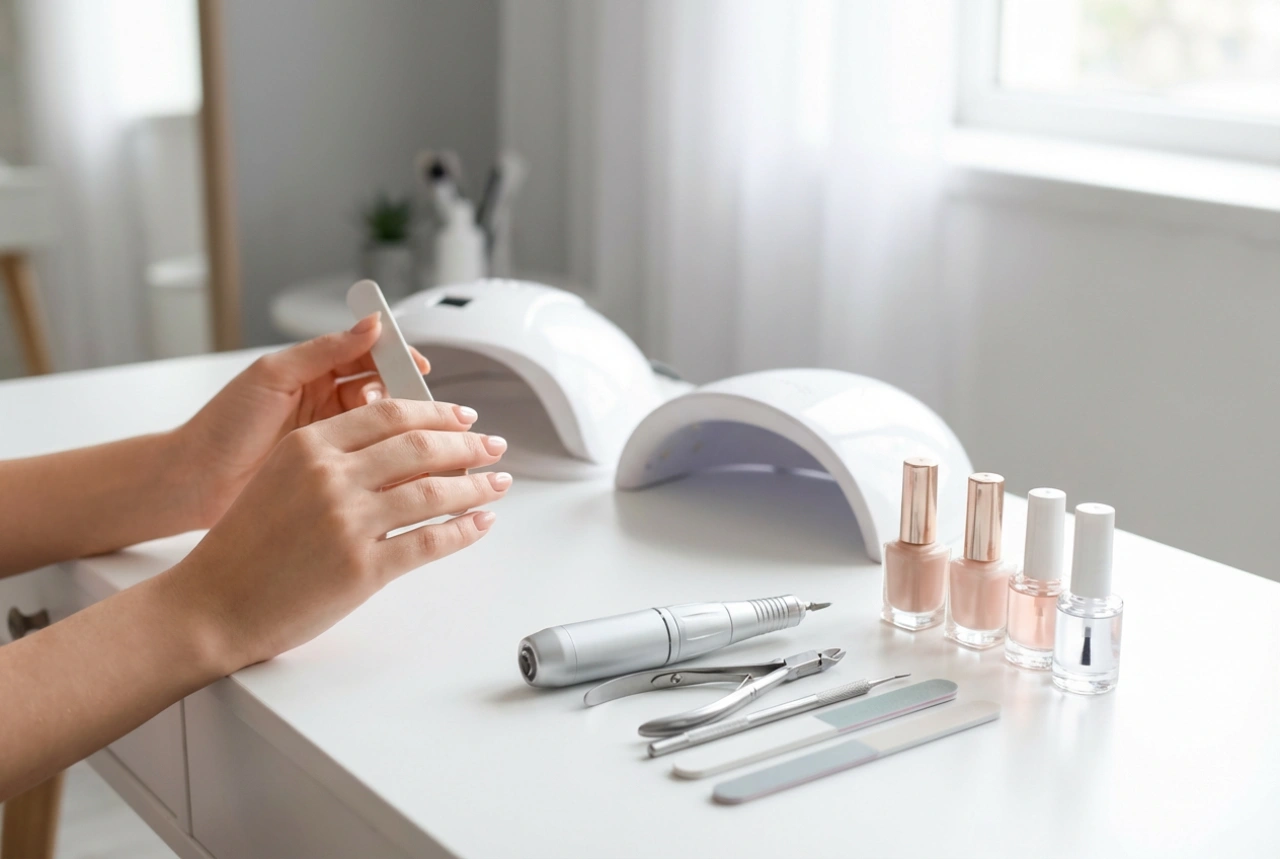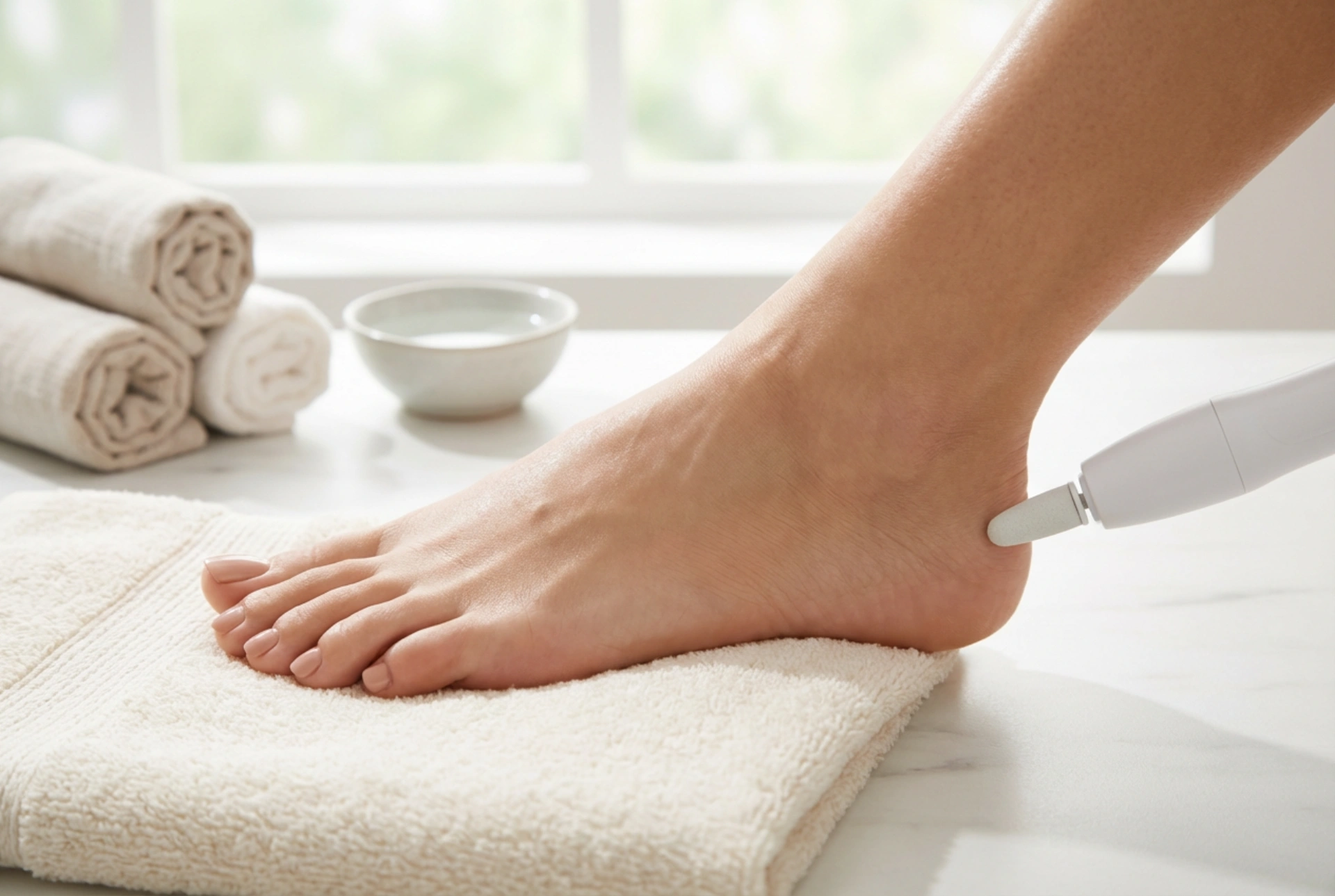


Achieving beautifully groomed feet, with soft skin and perfectly shaped nails, is a key part of any self-care routine. While manual files and pumice stones are traditional tools, the use of an electric pedicure file, also known as an e-file, offers a level of precision and efficiency that can transform your at-home foot care. This device allows for detailed work on cuticles and the effective smoothing of rough skin, giving your feet a polished, well-maintained appearance. Understanding how to use it correctly is essential for achieving the best results safely.
Getting to Know the Electric File Pedicure
An electric file pedicure is a cosmetic foot treatment that utilises a motorised handpiece with interchangeable rotating attachments called 'bits'. These bits come in various shapes, sizes, and materials, each designed for a specific purpose, from gently tidying the cuticle area to reducing areas of hard skin. Unlike manual filing, which can require significant physical effort, an e-file does the work for you, providing consistent speed and power. The main advantage is its precision. It allows you to target small, specific areas with a level of control that is difficult to achieve by hand. This makes it an excellent tool for detailed cosmetic work, such as shaping nails, cleaning the nail folds, and creating an impeccably smooth finish on the heels and soles.
A Guide to Pedicure Bits
The effectiveness of an electric file pedicure lies in selecting the appropriate bit for each task. Using the wrong bit can be ineffective at best and damaging at worst. Bits are generally categorised by their shape, size, and the material they are made from, such as diamond, ceramic, or carbide, which influences their abrasiveness and durability.
For Precise Cuticle Care
Working around the delicate cuticle area requires fine, gentle bits. The goal is not to remove the live cuticle tissue, which protects the nail matrix, but to gently exfoliate and remove non-living tissue from the nail plate and tidy the surrounding skin. Look for smaller bits with a fine grit.
- Flame or Needle Bits: These are thin and pointed, perfect for lifting the cuticle away from the nail plate and cleaning the side walls and nail folds with precision. Their sharp shape allows access to tight corners without touching the surrounding skin.
- Ball Bits: A small, round-tipped bit is ideal for gently buffing away lifted, dry skin around the nail. It can provide a smooth, clean finish to the cuticle area after the initial tidying has been done.
- Ceramic Bits: These are often preferred for natural nails as they generate less heat than other materials. A fine-grit ceramic cone or flame bit can be very effective and gentle for cuticle work.
For Smoothing Hard Skin and Calluses
Tackling rough patches and hard skin on the soles and heels requires more abrasive bits. It is crucial to work in layers, gradually reducing the thickness of the hard skin rather than trying to remove it all at once. Always work on completely dry skin for the best and safest results.
- Sanding Caps or Bands: These are single-use abrasive sleeves that fit over a metal mandrel bit. They come in various grits (coarse, medium, fine) and are excellent for hygienically and efficiently reducing callused areas. Start with a medium grit and finish with a fine grit for a smooth surface.
- Carbide Bits: These are highly durable and effective for reducing thick, hard skin. They often have flute-like cuts that shave off dead skin without creating excessive dust. A large barrel or cone shape is suitable for covering larger areas like the heel.
- Ceramic Cone Bits: Larger ceramic bits are also a great choice for callus work. They are effective at smoothing skin and tend to heat up less than metal bits, which can increase comfort during use.
Mastering Speed and Rotation Settings
The speed of the electric file, measured in Rotations Per Minute (RPM), is a critical factor for safety and effectiveness. Most home-use devices have adjustable speed settings. A general rule is to use lower speeds for more delicate work and higher speeds for tougher areas.
- Low Speeds (2,000-6,000 RPM): This range is best for working on natural nails, performing detailed cuticle work, and for beginners who are getting used to the tool.
- Medium Speeds (6,000-12,000 RPM): Suitable for removing product from nails (if applicable) and for initial, gentle work on less severe areas of dry skin.
- High Speeds (12,000+ RPM): This setting should be reserved for experienced users working on significant areas of hard, callused skin. Never use high speeds on the natural nail plate or near the delicate cuticle area.
The direction of rotation (forward and reverse) is also important. It allows you to work comfortably on both feet and in different directions around the nail, for example, from left to right and then from right to left, ensuring a symmetrical and even finish.
Essential Safety for an At-Home Electric Pedicure
Using an electric file is safe for home cosmetic use when you follow a few fundamental principles. Rushing or using incorrect techniques can lead to skin irritation or damage to the nail plate. Adhere to these guidelines for a safe and pleasant experience.
- Always work on clean and completely dry feet. Moisture can cause the bits to grab or skip, leading to uneven results and potential skin irritation.
- Never apply pressure. Let the weight of the handpiece and the speed of the bit do the work. Pressing down can cause friction burns and damage the skin or nail.
- Keep the file moving at all times. Do not hold the bit in one spot for more than a second or two to prevent heat build-up and friction burns.
- Start with the lowest speed setting and gradually increase only if necessary. It is always better to be cautious.
- Select the correct bit for the task. Using a callus bit on the cuticle area, for example, can cause significant damage.
- Clean and properly sanitise your bits after every single use to maintain hygiene and prevent the transfer of bacteria.
- Consider wearing safety glasses to protect your eyes from the dust and debris generated during filing.
- Avoid using the file on any areas of skin that are inflamed, broken, or irritated.
With practice and a clear understanding of its functions, an electric pedicure file can become an invaluable tool in your foot care arsenal. By choosing the right bits, mastering the speed controls, and prioritising safety, you can consistently achieve salon-quality smoothness and neatness, keeping your feet looking and feeling their absolute best.