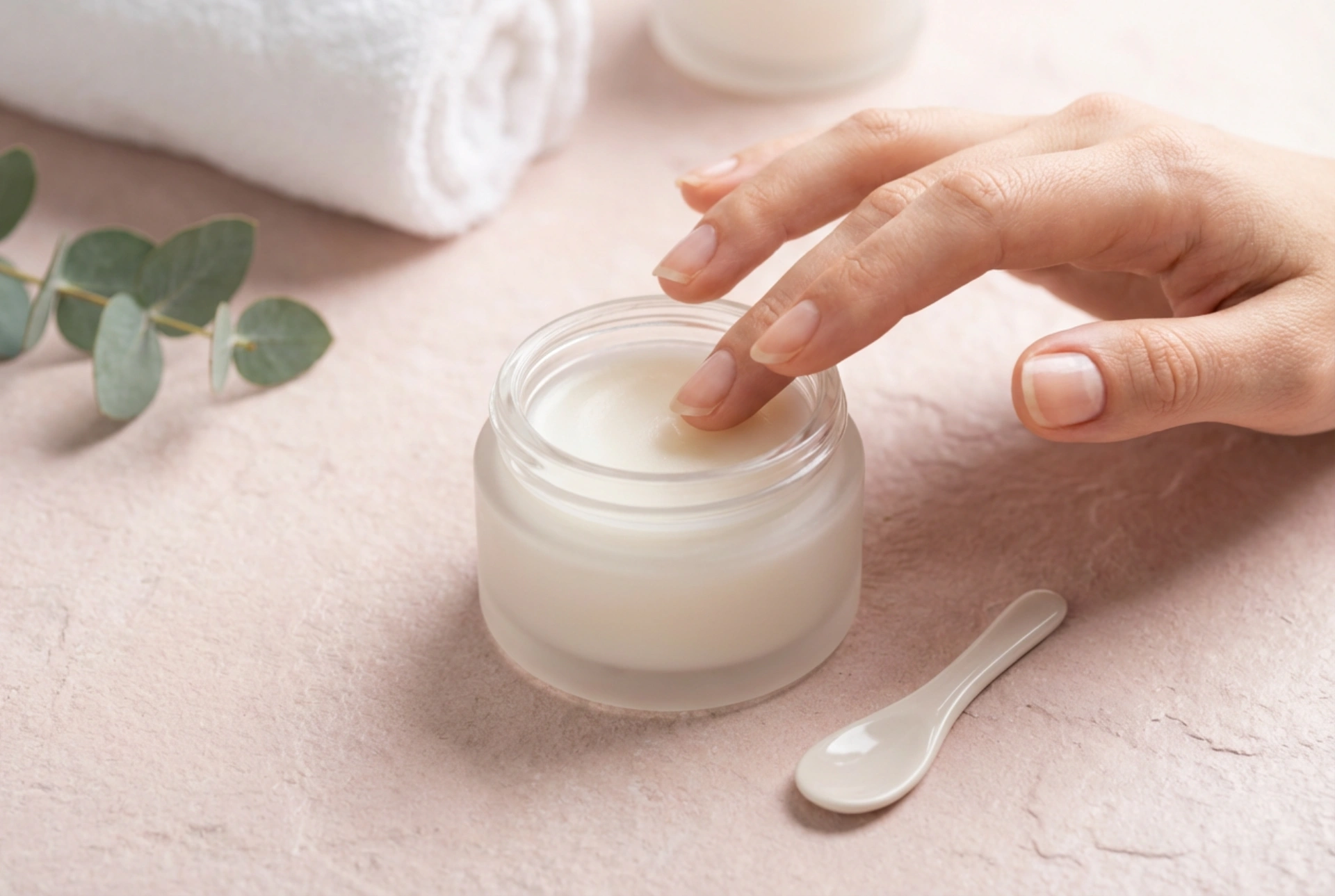


Achieving deeply hydrated skin without the heavy or sticky feeling of traditional creams is a common goal in modern skincare. A balm formulated with hyaluronic acid offers a sophisticated solution, providing intense moisture with a smooth, pleasant texture. Its unique properties make it an excellent choice for anyone seeking a comfortable yet effective hydrating product. This guide will explore the benefits of a hyaluronic acid balm and detail the best techniques for its application, helping you unlock a supple, well-nourished complexion.
What is Hyaluronic Acid and Why is it a Skincare Hero?
Hyaluronic acid (HA) is a substance naturally found in our skin, connective tissues, and eyes. Its primary function is to retain water, keeping tissues well-lubricated and moist. In skincare, it acts as a powerful humectant, meaning it can draw moisture from the air and the deeper layers of your skin to hydrate the surface. A single molecule of hyaluronic acid can hold up to 1,000 times its weight in water, making it an incredibly effective ingredient for combating dryness and dehydration. When included in a balm, it helps to plump the skin, reduce the appearance of fine lines caused by dryness, and promote a smoother, more radiant look.
The Unique Advantages of a Balm Formulation
While hyaluronic acid is available in many forms, such as serums and gels, a balm offers distinct benefits. Balms typically have a richer, more emollient texture that creates a light occlusive layer on the skin's surface. This layer is crucial as it helps to seal in the moisture drawn by the hyaluronic acid, preventing it from evaporating. Unlike heavy, old-fashioned balms, modern formulations are designed to be non-greasy and non-sticky. They provide lasting hydration and protection for the skin's moisture barrier without clogging pores, making them suitable for a wide range of skin types, from dry to combination.
How to Apply a Hyaluronic Acid Balm for Maximum Effect
To get the most out of your hyaluronic acid balm, proper application is key. Following a few simple steps can significantly enhance its hydrating power.
Start with Damp Skin
Hyaluronic acid needs water to work its magic. Applying the balm to slightly damp skin—for example, right after cleansing or after spritzing your face with a hydrating mist—provides the necessary moisture for the HA to grab onto and pull into your skin. Applying it to a completely dry face can sometimes have the opposite effect, as it may draw moisture from the deeper layers of your skin, leaving it feeling even drier.
Use the Right Amount
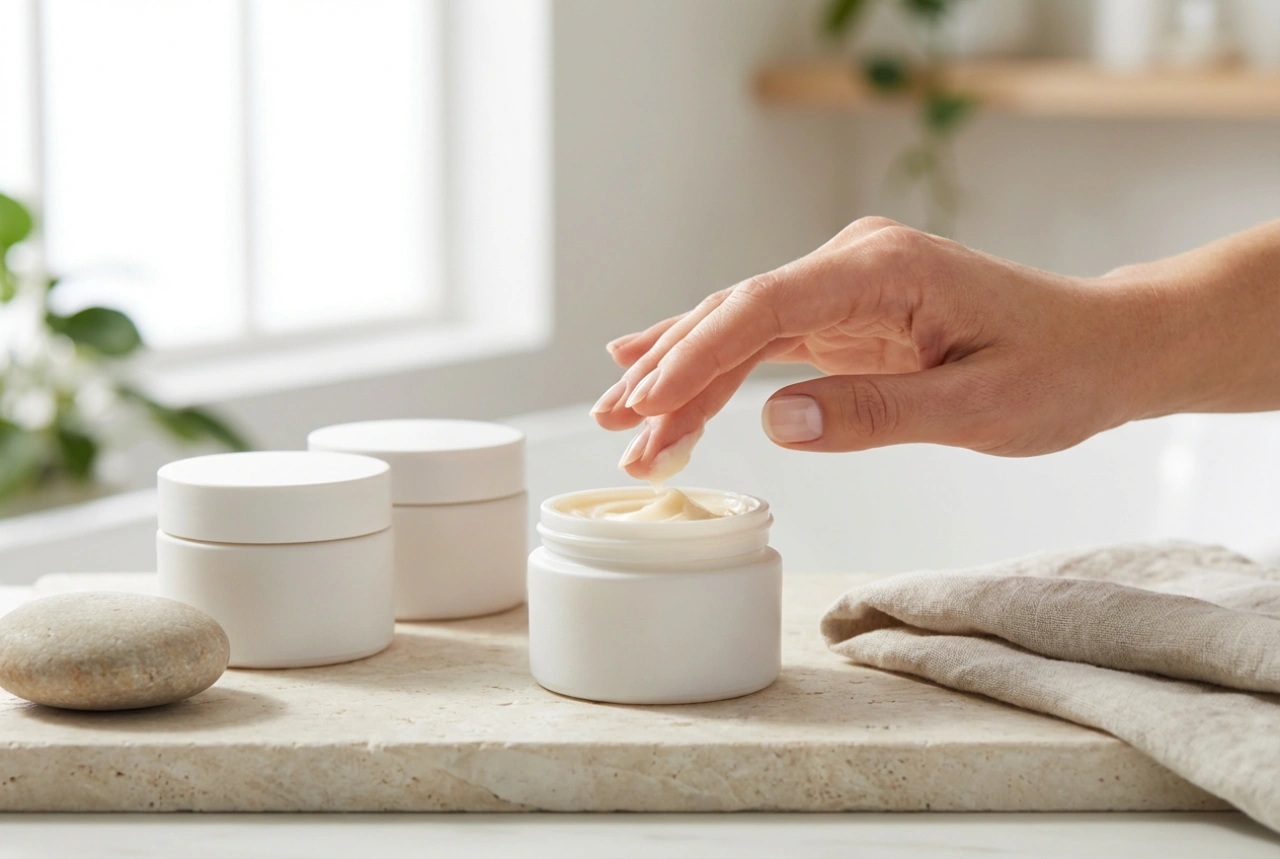
A little goes a long way. Start with a pea-sized amount of balm for your entire face. Warm it between your fingertips to soften the texture slightly, which makes for a smoother application. You can always add a little more to areas that are particularly dry, like your cheeks or around your nose.
Gentle Application Technique
Instead of rubbing the product vigorously, gently pat or press the balm into your skin. This technique promotes absorption without causing unnecessary pulling or stretching of the skin. Use upward, circular motions to lightly massage it in, which can also help to stimulate circulation for a healthy-looking glow.
Incorporating the Balm into Your Skincare Routine
A hyaluronic acid balm is a versatile product that can be easily integrated into both morning and evening routines. Its placement depends on the other products you use. Generally, skincare should be applied from the thinnest to the thickest texture.
- Morning Routine: After cleansing and applying any water-based serums, apply the hyaluronic acid balm to lock in hydration. Always follow up with a broad-spectrum sunscreen, as the balm itself does not provide sun protection.
- Evening Routine: Apply the balm as the final step in your routine (or before a facial oil, if you use one). It will work overnight to repair and strengthen your skin's moisture barrier, leaving you with a soft and refreshed complexion in the morning.
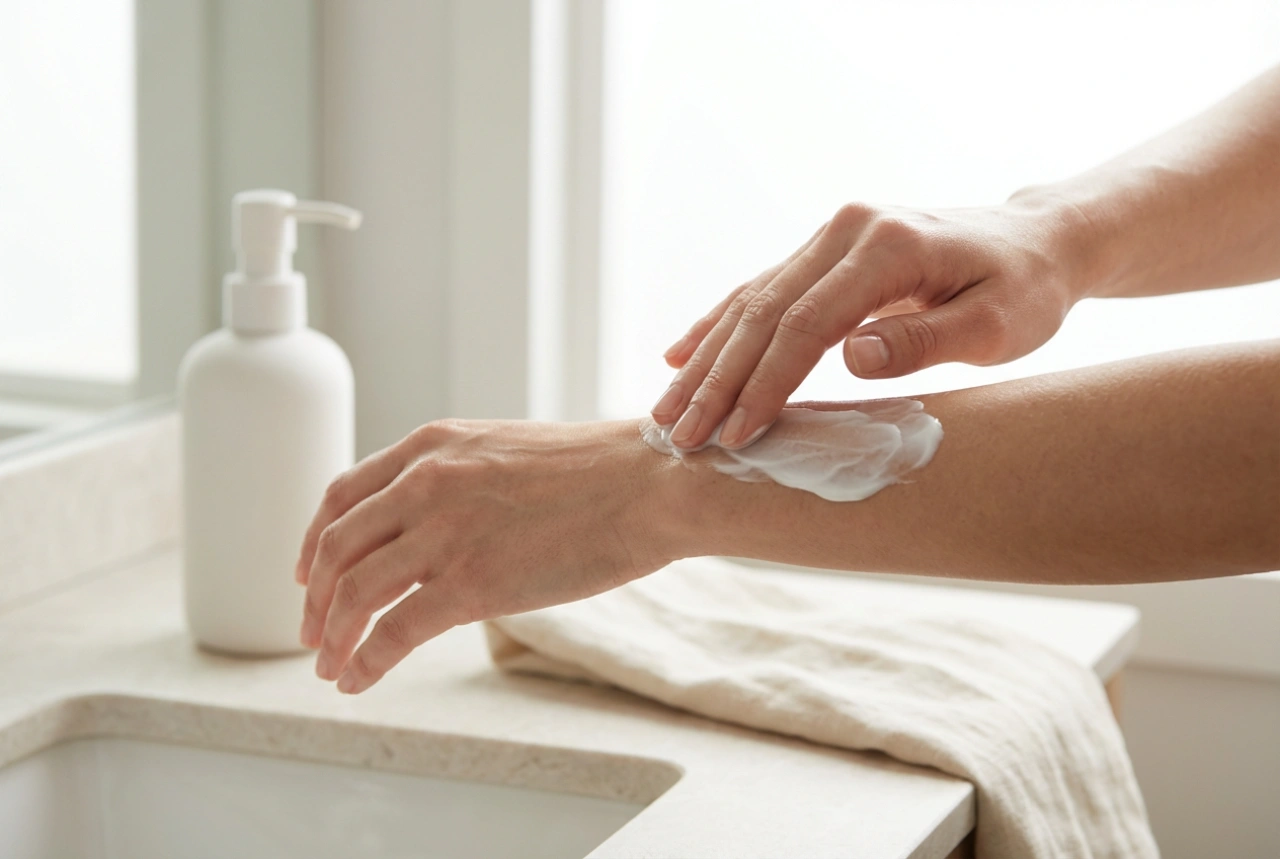
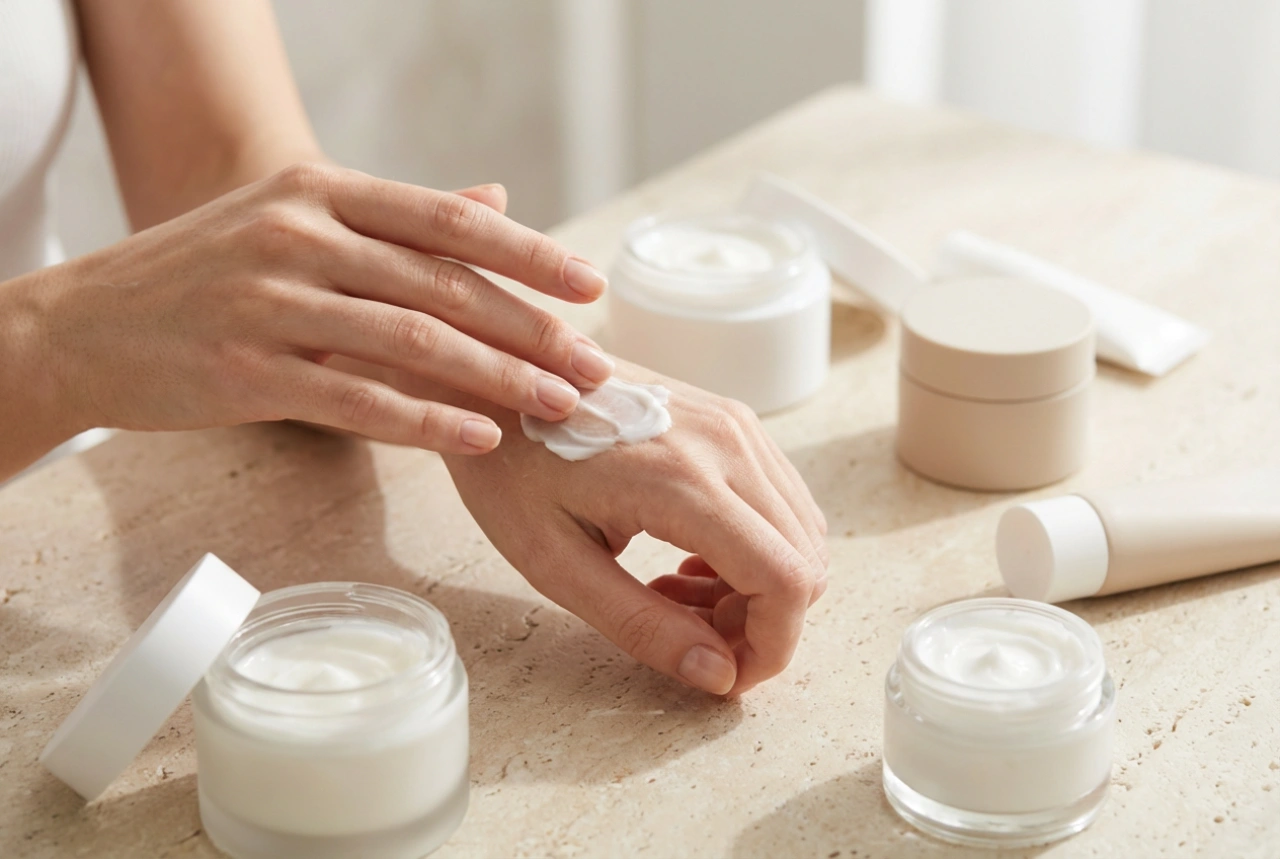
Don't limit its use to just your face. A hyaluronic acid balm is also excellent for hydrating other dry areas, such as your hands, cuticles, elbows, and knees, providing comfort and smoothness wherever it's needed.