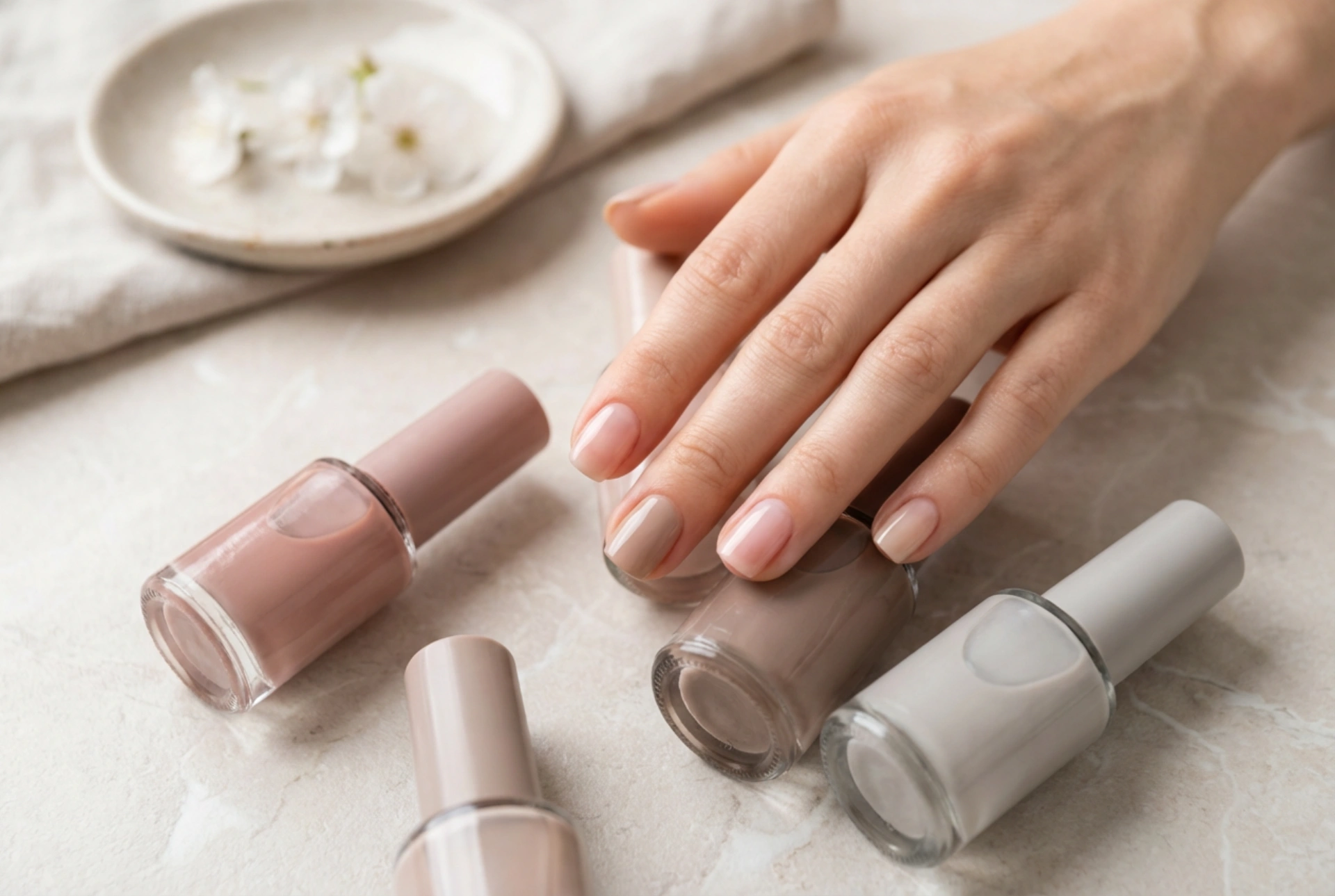


A beautifully executed manicure with a glossy, unchipped finish is a hallmark of elegance and care. While it might seem that only a professional can achieve such lasting results, the secret often lies in the technique and preparation rather than the specific product. Achieving a durable, chip-resistant manicure at home is entirely possible. It requires a bit of patience and understanding of the key factors that contribute to the longevity of your nail polish. By following a few fundamental steps, you can significantly extend the life of your manicure and enjoy flawless nails for much longer.
The Foundation: Preparing the Nail Plate
Proper preparation is the most critical step for a long-lasting manicure. Any oils, residue, or unevenness on the nail surface will prevent the polish from adhering correctly. Think of it as priming a canvas before painting; without a clean base, the final result will be compromised.
Key Preparation Steps:
- Cleanse the Nails: Start by washing your hands and nails thoroughly to remove any dirt or oils. Ensure your nails are completely dry before you proceed.
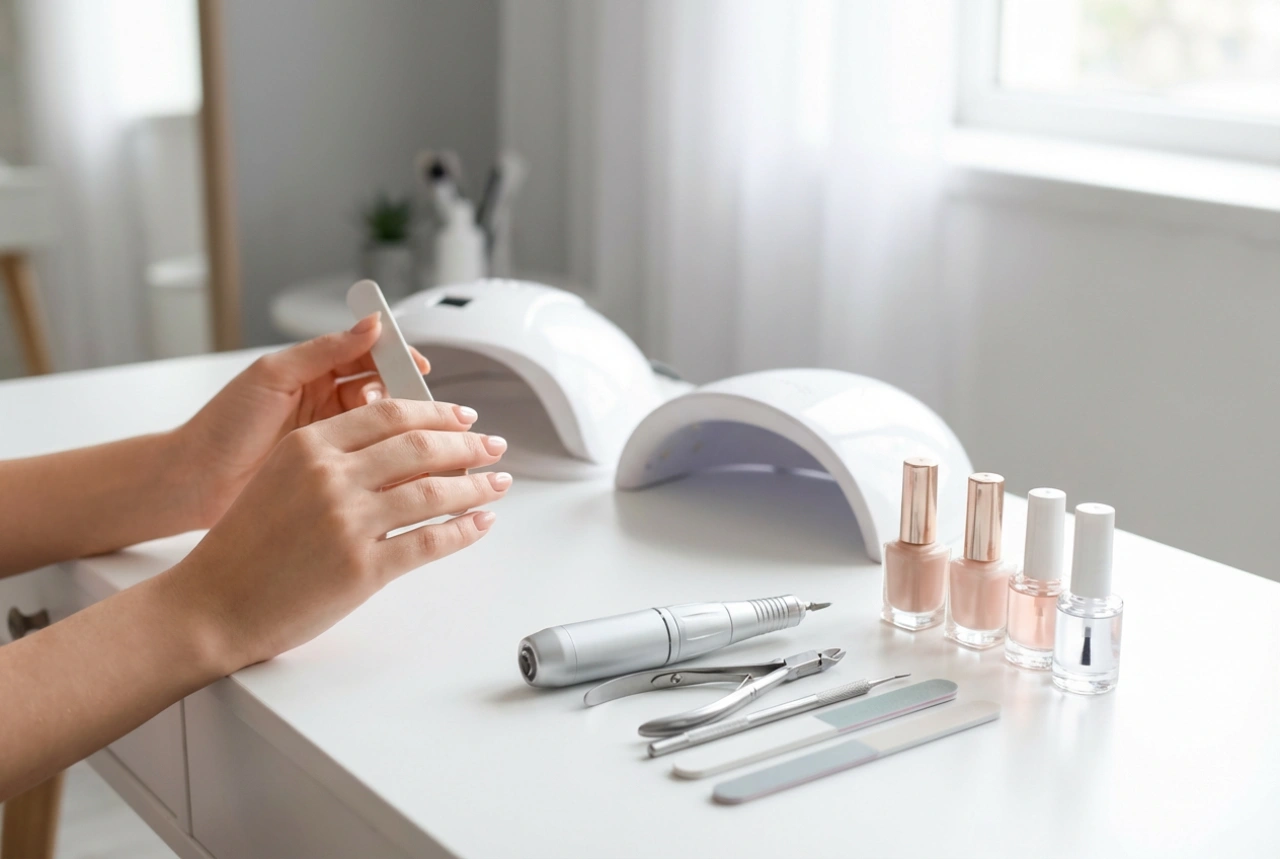
- Shape and Smooth: Use a nail file to shape your nails to your desired length and form. It's best to file in one direction to prevent splitting. Afterwards, gently use a soft buffer to lightly smooth the surface of the nail. This creates a subtle texture that helps the base coat grip better.
- Cuticle Care: Gently push back your cuticles using a wooden or rubber-tipped cuticle pusher. Avoid cutting them at home, as this can lead to damage. Well-tended cuticles create a cleaner look and a better surface for polish application.
- Degrease the Surface: The final step in preparation is to wipe each nail with a cotton pad soaked in a nail dehydrator or rubbing alcohol. This removes any remaining natural oils and ensures the nail plate is perfectly clean and ready for the base coat.
The Art of Application: Technique Over Speed
How you apply the polish is just as important as the preparation. Rushing the process or applying thick layers is a common mistake that leads to smudging, bubbling, and premature chipping. The key is to apply thin, even coats and allow adequate drying time between each layer.
The Three-Layer System:
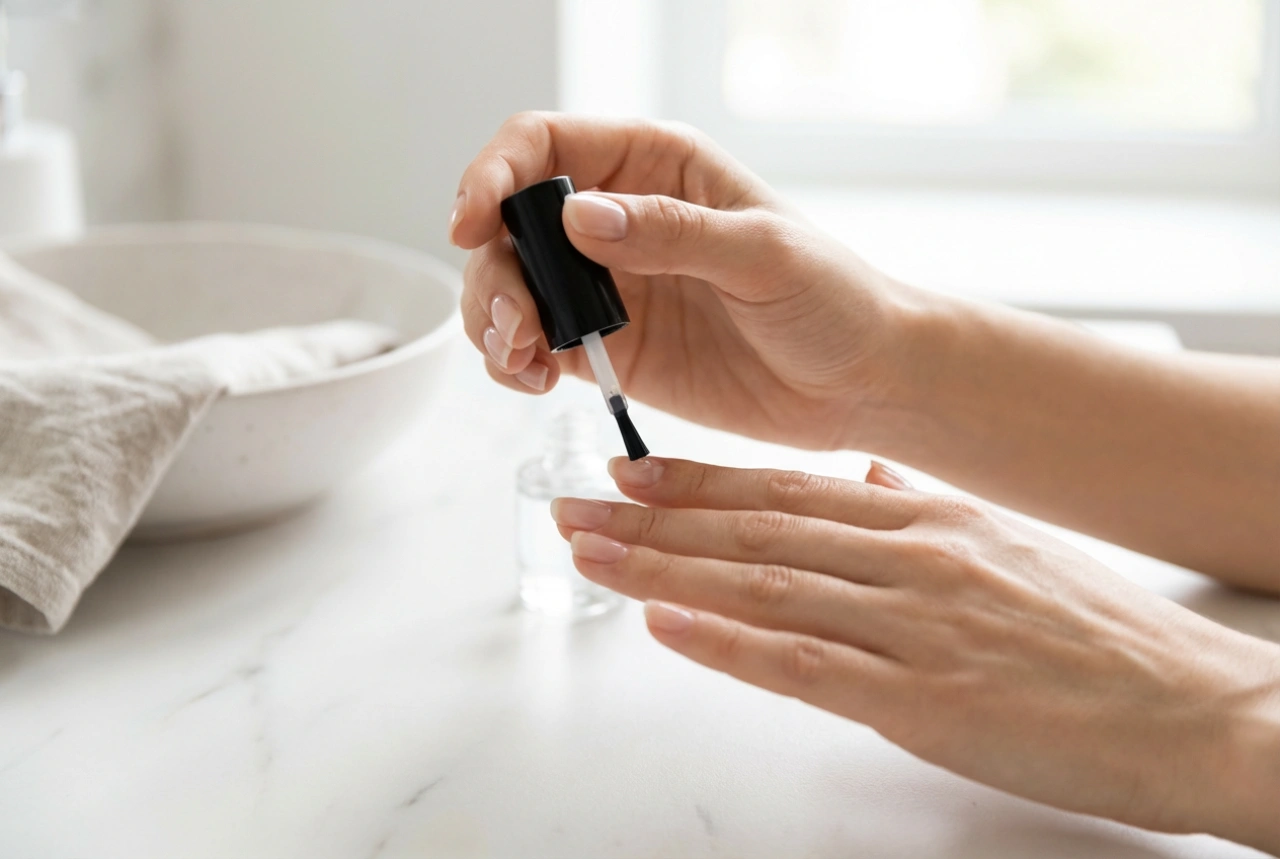
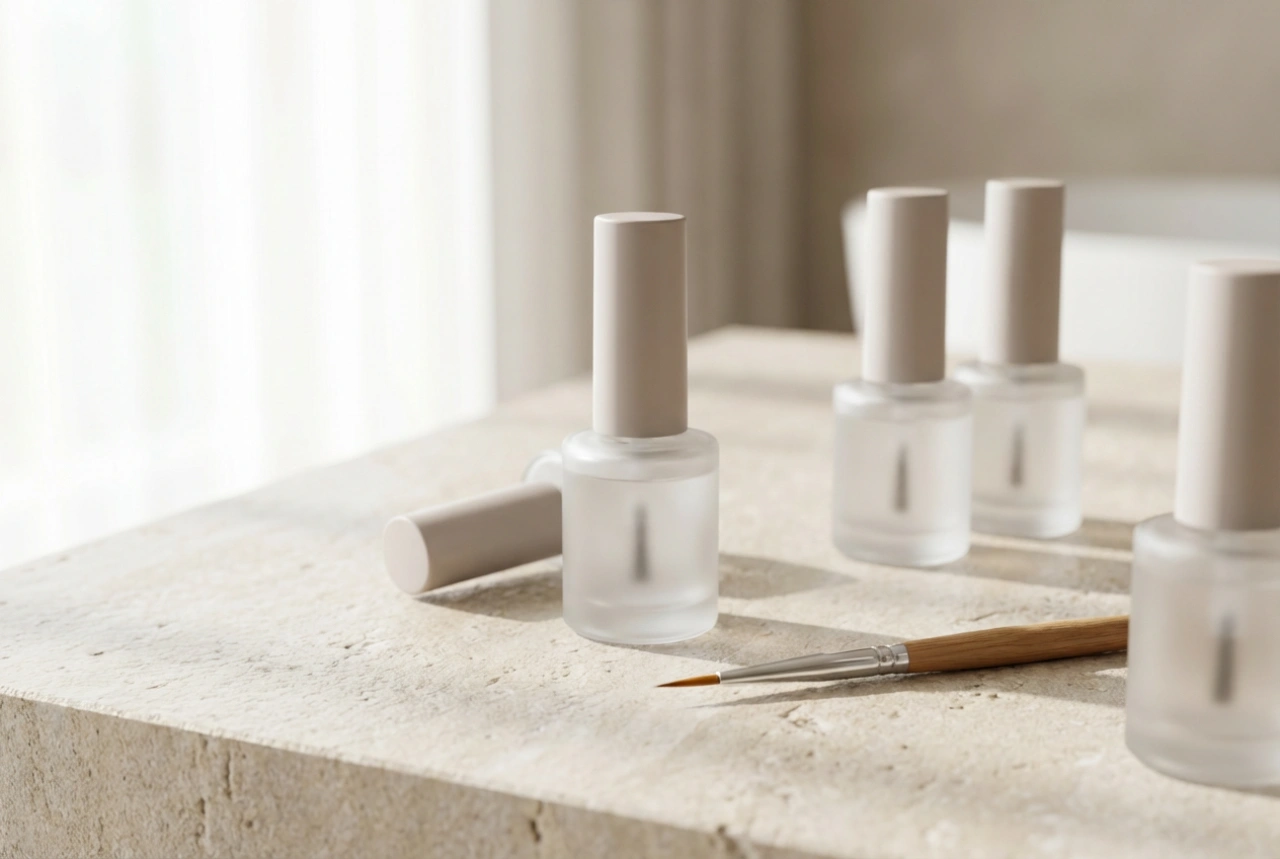
- The Base Coat: Never skip the base coat. This clear layer serves multiple purposes: it protects your natural nail from staining, creates a smooth surface for the colour, and acts as a double-sided adhesive, gripping both the nail plate below and the polish above. Apply one thin layer and let it dry completely.
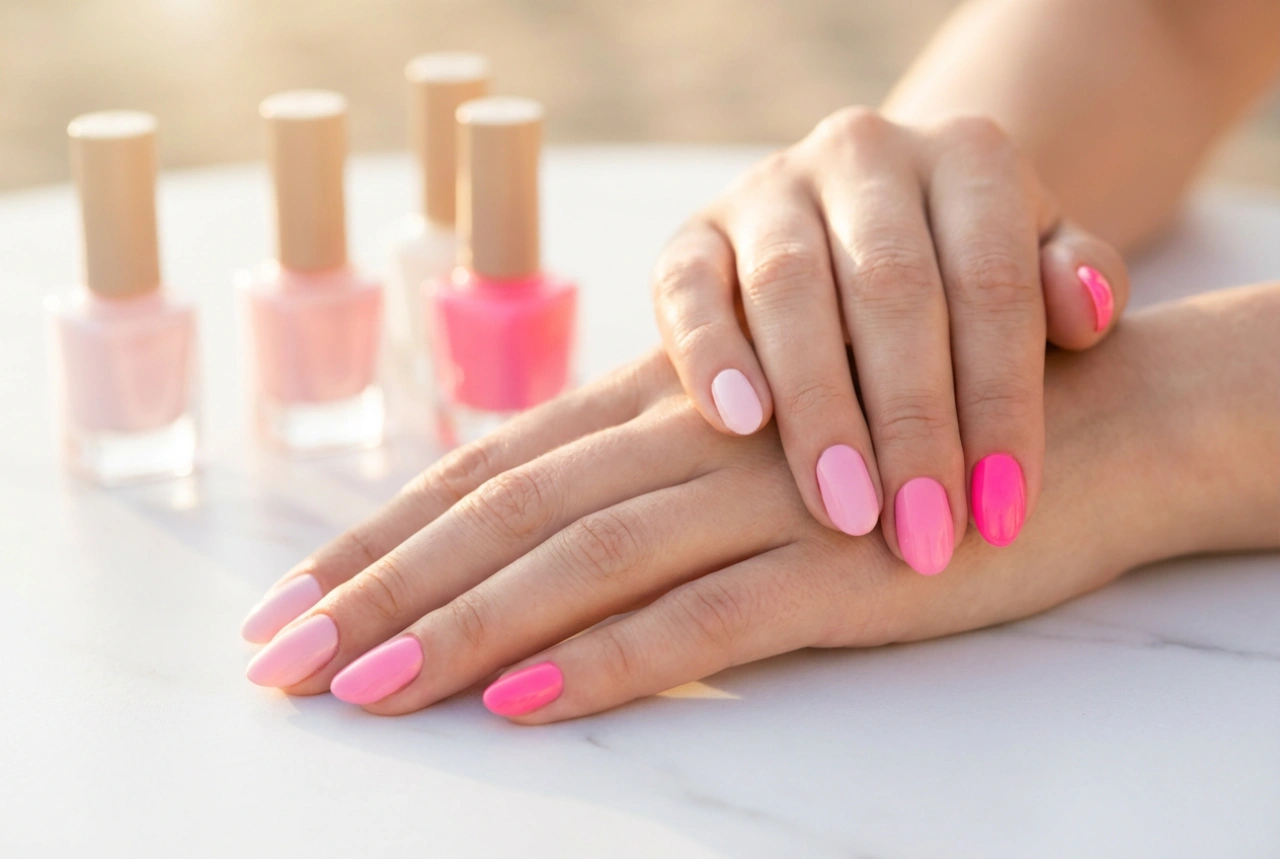
- The Colour Coats: Apply your chosen nail colour in two thin coats rather than one thick one. A thick coat takes much longer to dry and remains soft underneath, making it prone to dents and chips. Apply the first thin coat, wait at least two to three minutes, and then apply the second.
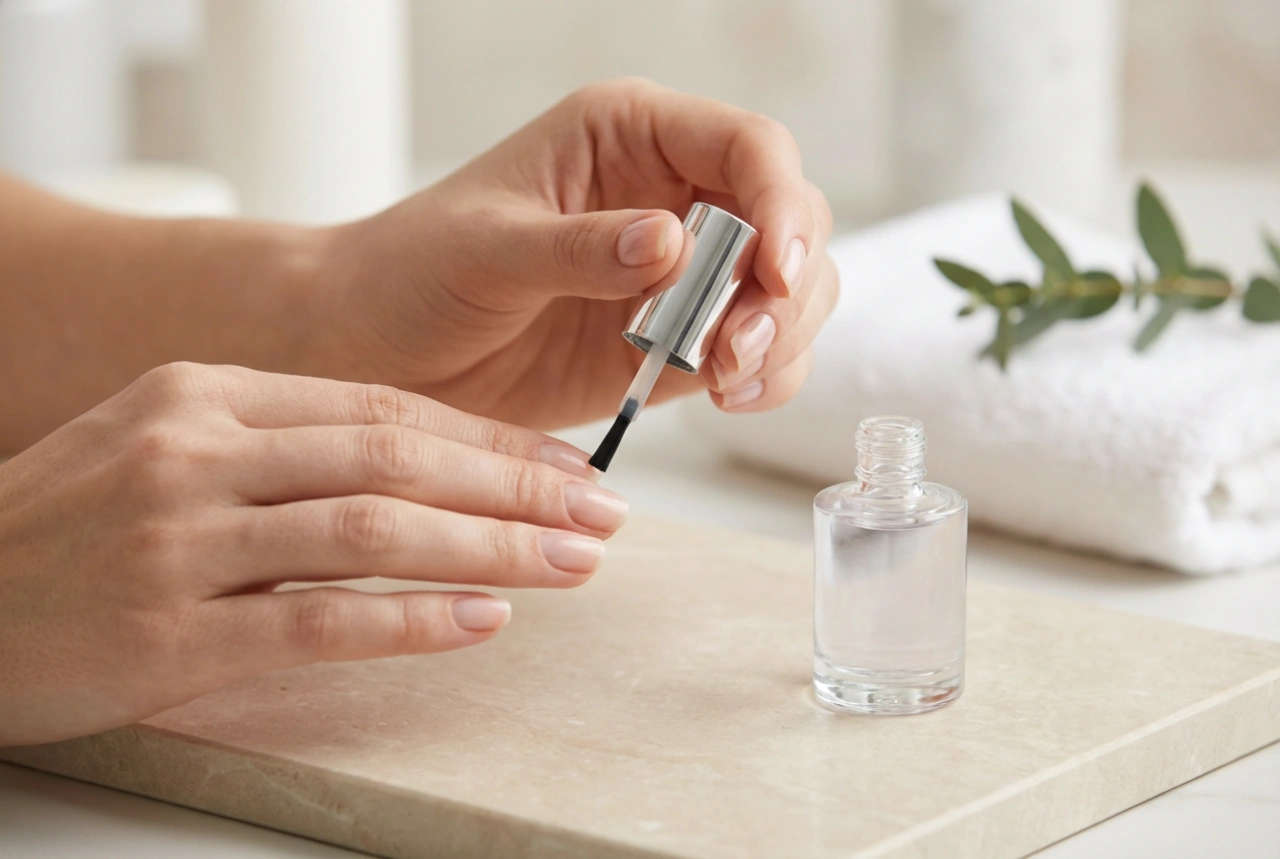
- Capping the Edge: A crucial professional technique is 'capping' the free edge of the nail. After painting the surface of the nail with each coat (base, colour, and top), run the brush lightly along the very tip of the nail. This seals the edge and provides extra protection against the chipping that often starts at the tips.
The Finishing Touch: Sealing with a Top Coat
A top coat is your manicure's best defence against the outside world. It provides a hard, protective shield that guards against scratches, chips, and dulling. It also adds a high-gloss shine that makes your manicure look fresh and professional.
Maximising Top Coat Benefits:
- Generous but Even Application: Apply a good quality top coat over your dry colour polish. Ensure you cover the entire nail surface and remember to cap the free edge again for maximum durability.
- Refresh Your Manicure: To extend the life and shine of your manicure, reapply a thin layer of your top coat every two to three days. This simple step can add several extra days of wear and refreshes the glossy finish.
Daily Habits for a Longer-Lasting Manicure
Once your manicure is perfectly dry, your daily habits will determine how long it lasts. Being mindful of how you use your hands can make a significant difference.
- Wear Gloves: When doing household chores like washing dishes or cleaning with chemicals, always wear rubber gloves. Prolonged exposure to water and harsh detergents is the number one enemy of a lasting manicure.
- Avoid Using Nails as Tools: Be conscious of using your nails to open cans, scrape off labels, or type aggressively. Use the pads of your fingers or an appropriate tool instead.
- Moisturise Regularly: Hydration is key. Apply cuticle oil or hand cream daily. This keeps your cuticles and the skin around your nails healthy, and it helps keep your nails flexible and less prone to breaking, which in turn helps the polish last longer.
By integrating these preparation, application, and maintenance habits into your routine, you can master the art of the durable at-home manicure. It is a testament to the fact that lasting beauty often comes down to thoughtful care and proper technique.