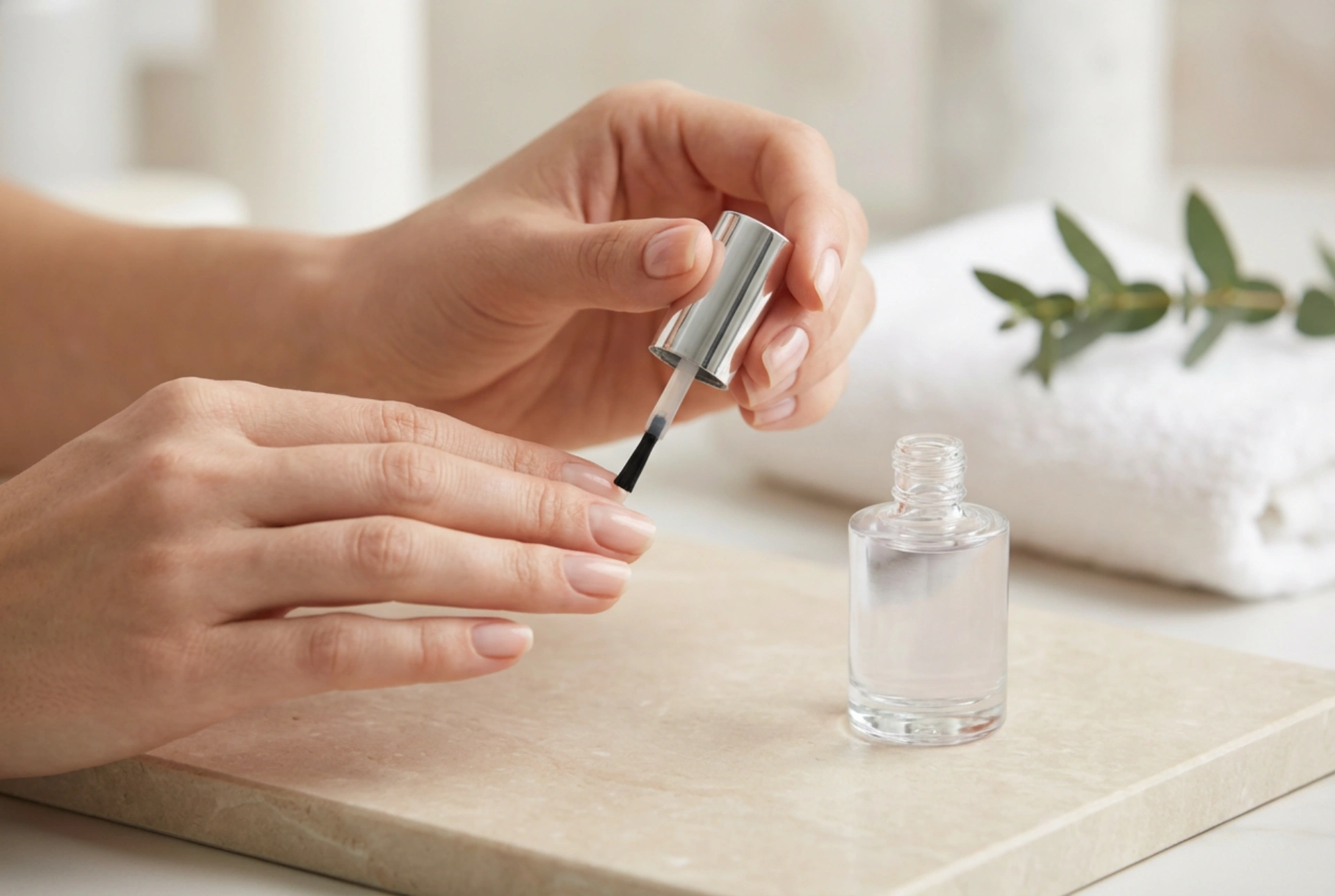


An elegant, well-manicured set of hands is often the result of a meticulous beauty routine where preparation is key. Achieving a flawless, long-lasting manicure starts long before the colour coat is applied. Among the essential preparation products, nail primer plays a critical role in ensuring that subsequent layers of polish or gel adhere perfectly to the natural nail plate. Understanding how this product works, when to apply it, and the mistakes to avoid can elevate your home manicure routine to a professional standard, keeping your nails looking immaculate for longer.
What is a Nail Primer and How Does It Work?
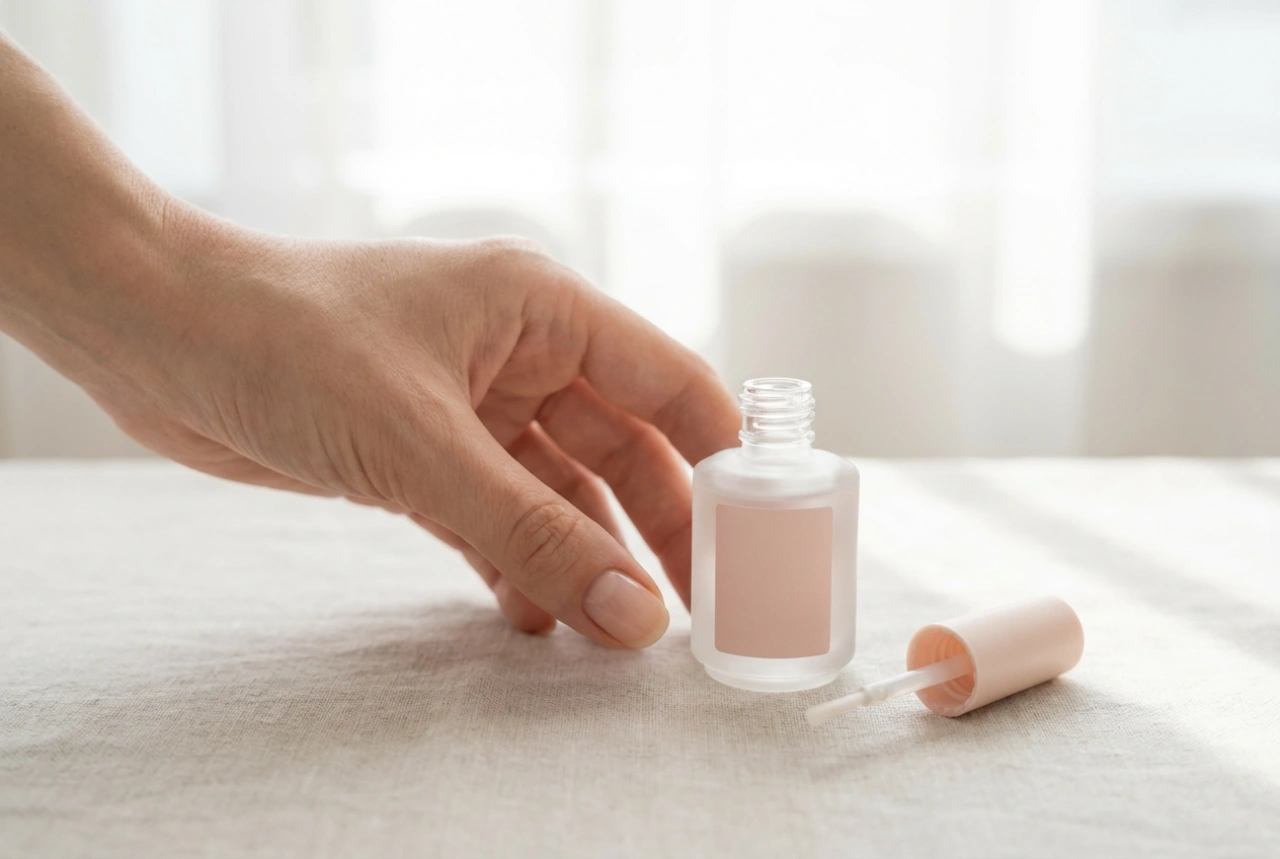
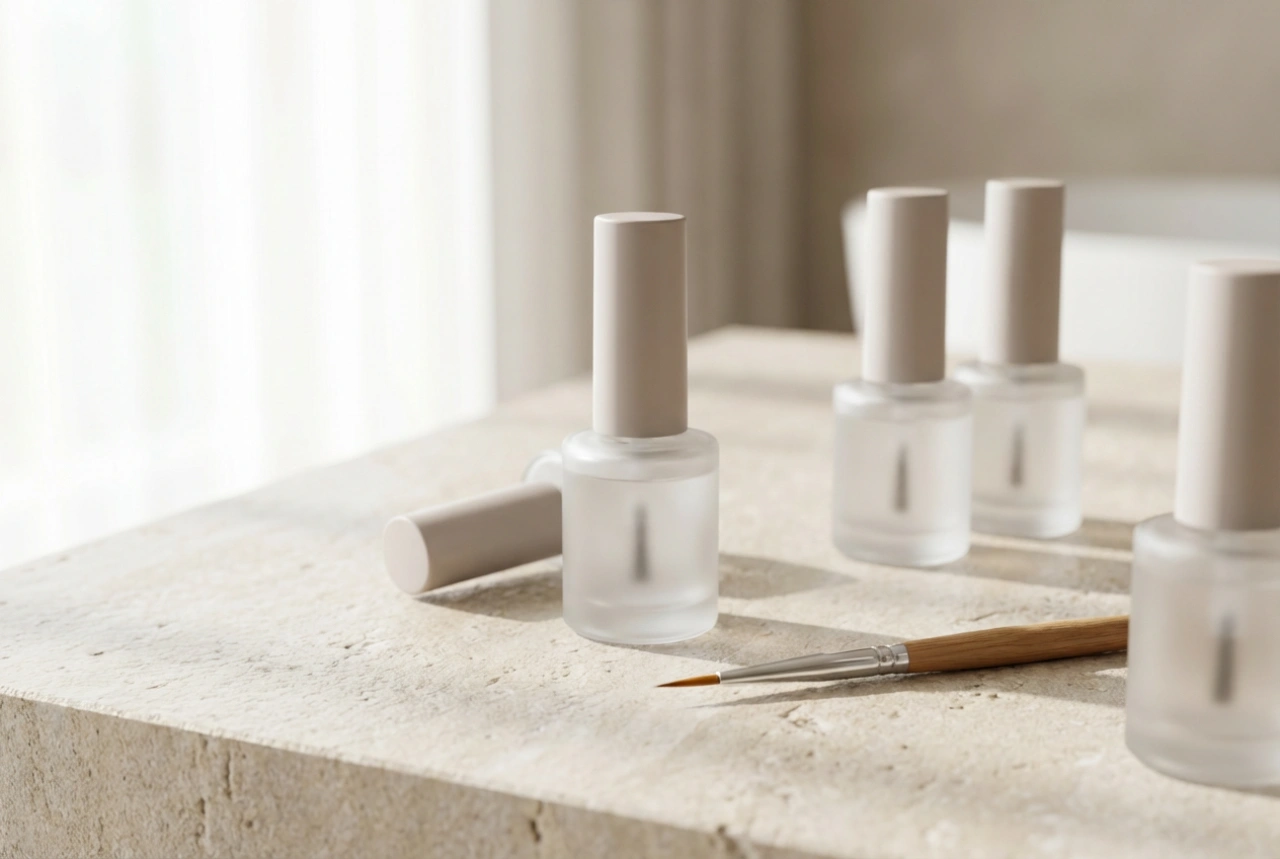
A nail primer is a specialised liquid preparation product designed to improve the adhesion of nail coatings, such as traditional nail polish, gel polish, or acrylics, to the natural nail plate. Think of it as double-sided tape for your nails. The natural nail plate naturally contains oils and moisture, which can prevent nail products from bonding securely. A nail primer works by temporarily altering the pH of the nail or removing these natural oils and moisture, creating an optimal surface for the polish to grip onto.
There are generally two main types of nail primers available for home use: acid-free and acid-based. Acid-free primers act like a sticky adhesive, creating a covalent bond between the nail plate and the product. They are gentle and suitable for most nail types. Acid-based primers, on the other hand, are more heavy-duty and work by creating microscopic roughness on the nail plate to allow for mechanical bonding. For standard home manicures, acid-free options are usually preferred due to their milder nature.
When Should You Use a Nail Primer?
Not every manicure requires the use of a primer, but there are specific scenarios where it becomes an invaluable step in your preparation ritual:
- Oily Nail Plates: If you find that your nail polish routinely chips or lifts within a day or two, you may have naturally oily nail plates. A primer helps neutralise these oils, significantly extending the lifespan of your manicure.
- Gel Manicures at Home: When applying gel systems, ensuring proper adhesion is crucial to prevent lifting at the edges. Using a primer after dehydrating the nail plate ensures a secure bond.
- Weak or Flexible Nails: Nails that bend easily can cause polish to crack and peel. A primer helps the product stay anchored to the moving nail plate, reducing the likelihood of premature lifting.
How to Safely Apply Nail Primer
Applying nail primer requires precision and care to protect the surrounding skin and ensure the product works effectively. Follow these steps for a perfect application:
Step 1: Preparation
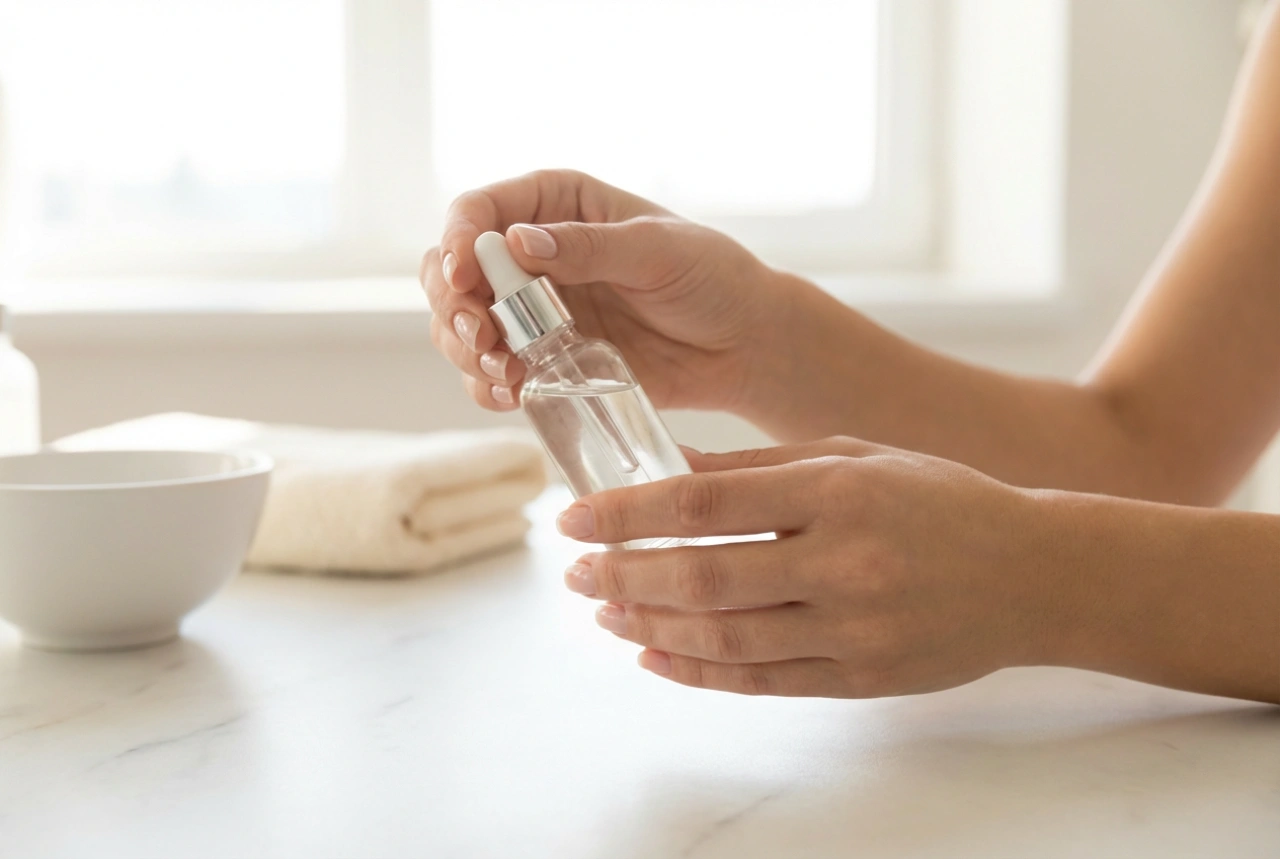
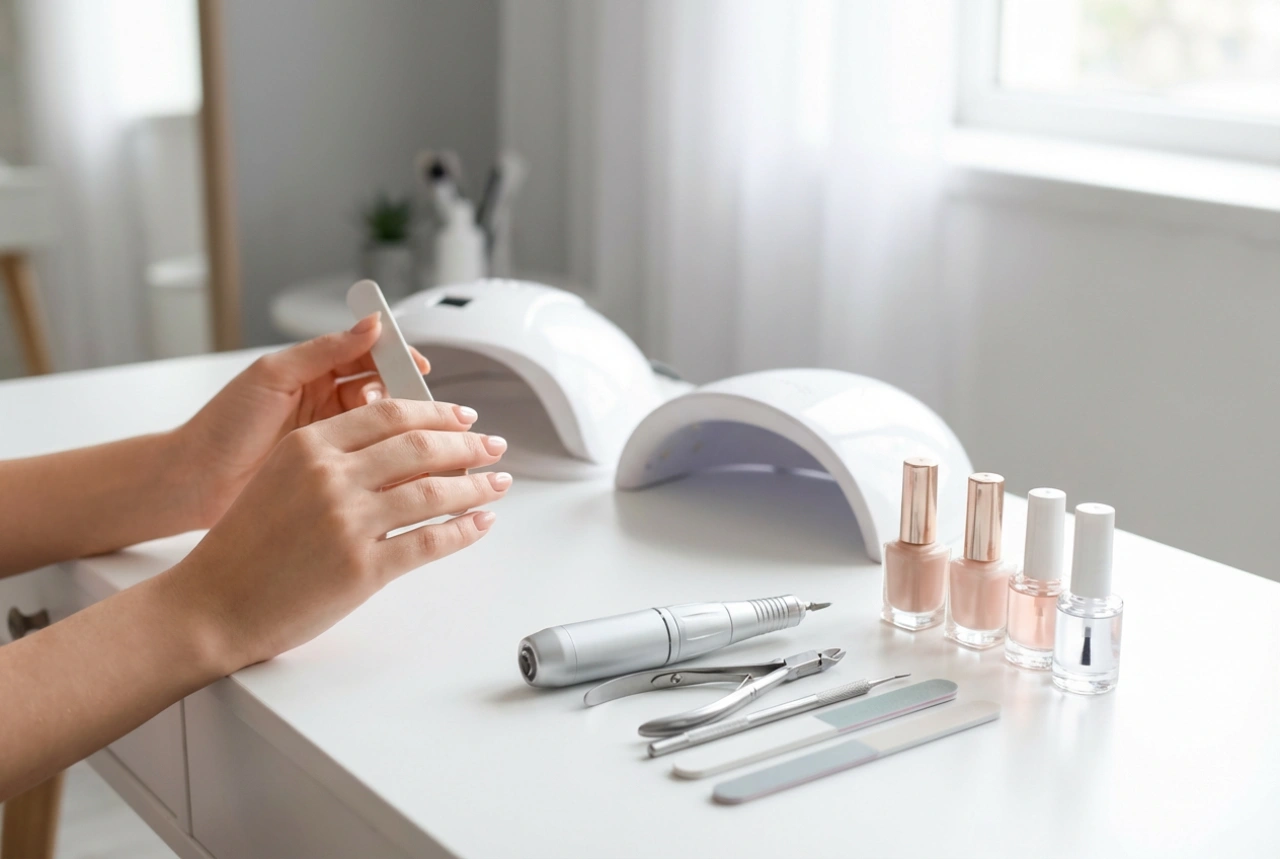
Begin by performing your standard manicure routine. Shape your nails, gently push back the cuticles, and lightly buff the nail surface to remove any shine. Cleanse the nails thoroughly with a dehydrating solution or isopropyl alcohol to remove dust and initial surface oils.
Step 2: Minimalist Application
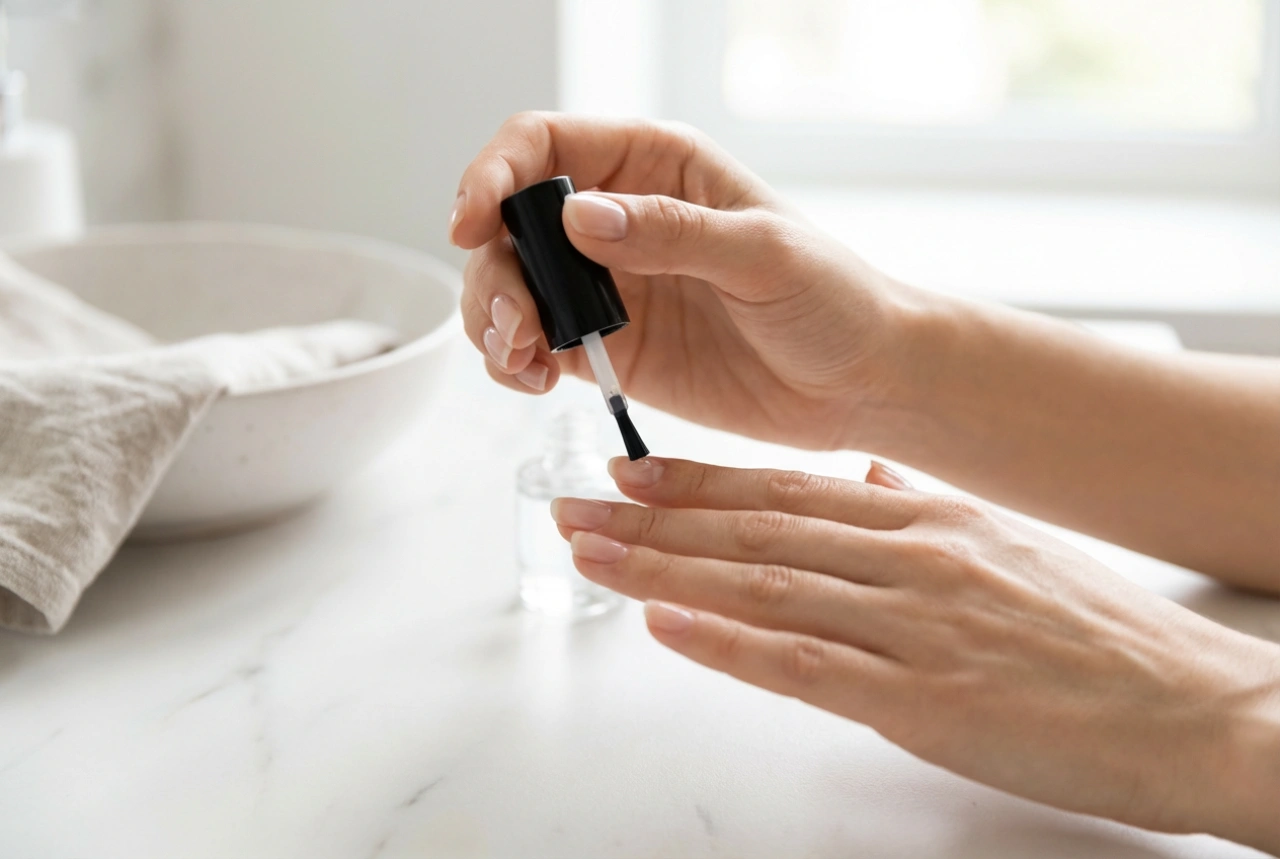
Wipe the brush against the neck of the bottle to remove excess liquid. The brush should be almost dry. Apply a very thin, single coat of the primer to the natural nail plate. Avoid touching the cuticles or the surrounding skin, as this can cause irritation or lead to product lifting later.
Step 3: Drying Time
Depending on the type of primer used, it will either air-dry to a chalky matte finish (usually acid-based) or remain slightly shiny and tacky (usually acid-free). Allow the primer to dry completely according to the manufacturer's instructions before proceeding with your base coat. This usually takes between thirty seconds and one minute.
Common Mistakes to Avoid
To get the best results from your nail primer, it is important to avoid a few common pitfalls that can compromise your manicure or the health of your nails:
- Using Too Much Product: Flooding the nail with primer can actually have the opposite effect, causing the polish to lift. A tiny amount is all that is required.
- Skin Contact: Allowing the primer to touch the cuticles or sidewalls can lead to skin irritation. Always leave a tiny margin between the product and the skin.
- Skipping the Dehydrator: A primer is not a replacement for a nail dehydrator. For the best results, use a dehydrator first to remove surface moisture, followed by the primer to ensure chemical bonding.
- Touching the Prepared Nails: Once the primer is applied, avoid touching your nails with your fingers, as this will reintroduce oils to the clean surface.
Elegant Hand Care as a Ritual
Integrating a nail primer into your home manicure preparation is a simple step that yields professional-looking, durable results. By respecting the application process and selecting the right product for your nail type, you can enjoy a beautiful, long-lasting finish that reflects the care and attention of a refined beauty ritual.