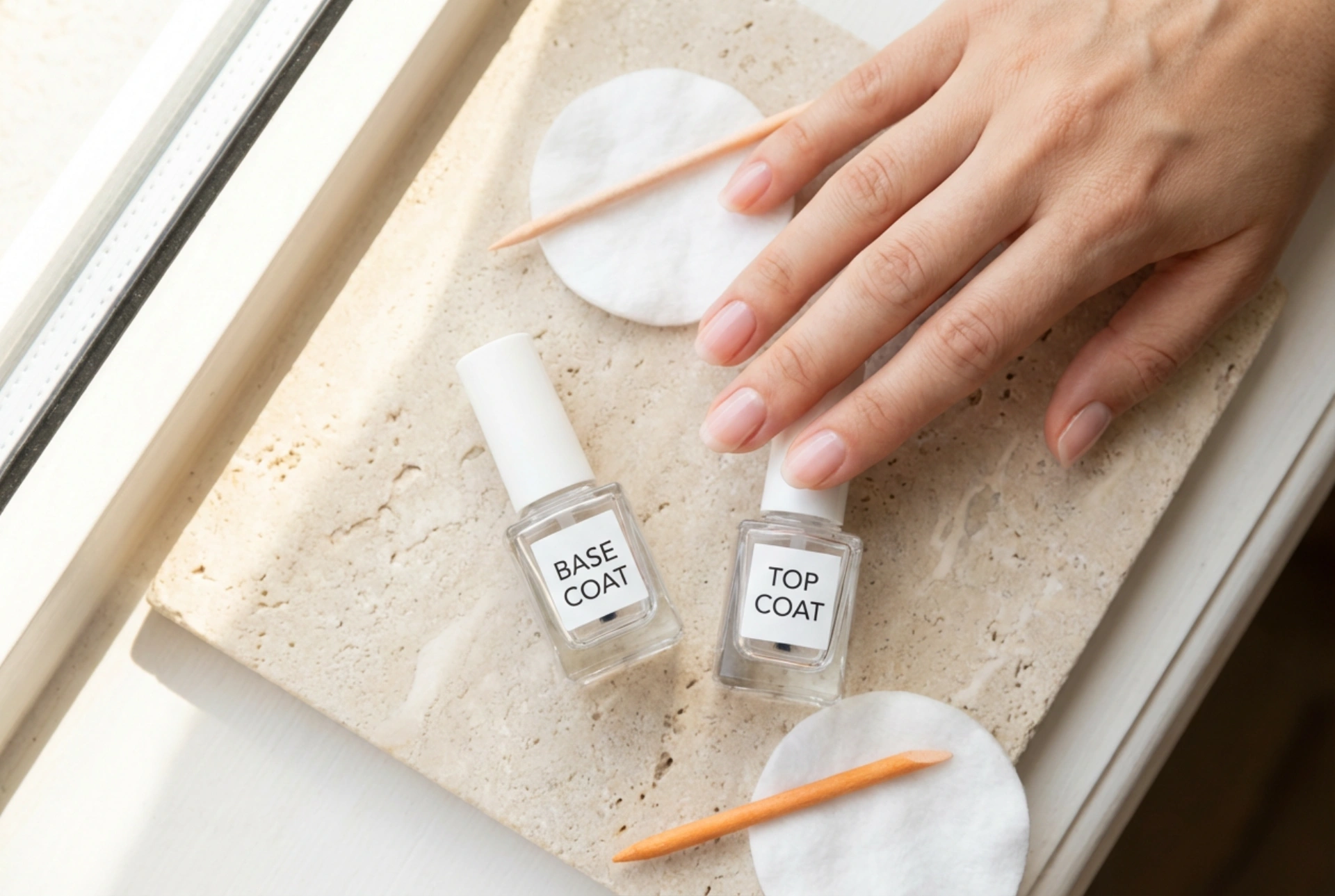


Achieving a salon-quality manicure at home that remains flawless for more than a few days can seem like a challenge. The secret often lies not just in the coloured polish itself, but in the foundational and finishing steps. A well-chosen base coat and a protective top coat are the unsung heroes of a durable and stunning manicure. Understanding their roles and how to combine them effectively is key to extending the life of your nail art and keeping your nails healthy.
Why is a Base Coat Essential for Your Manicure?
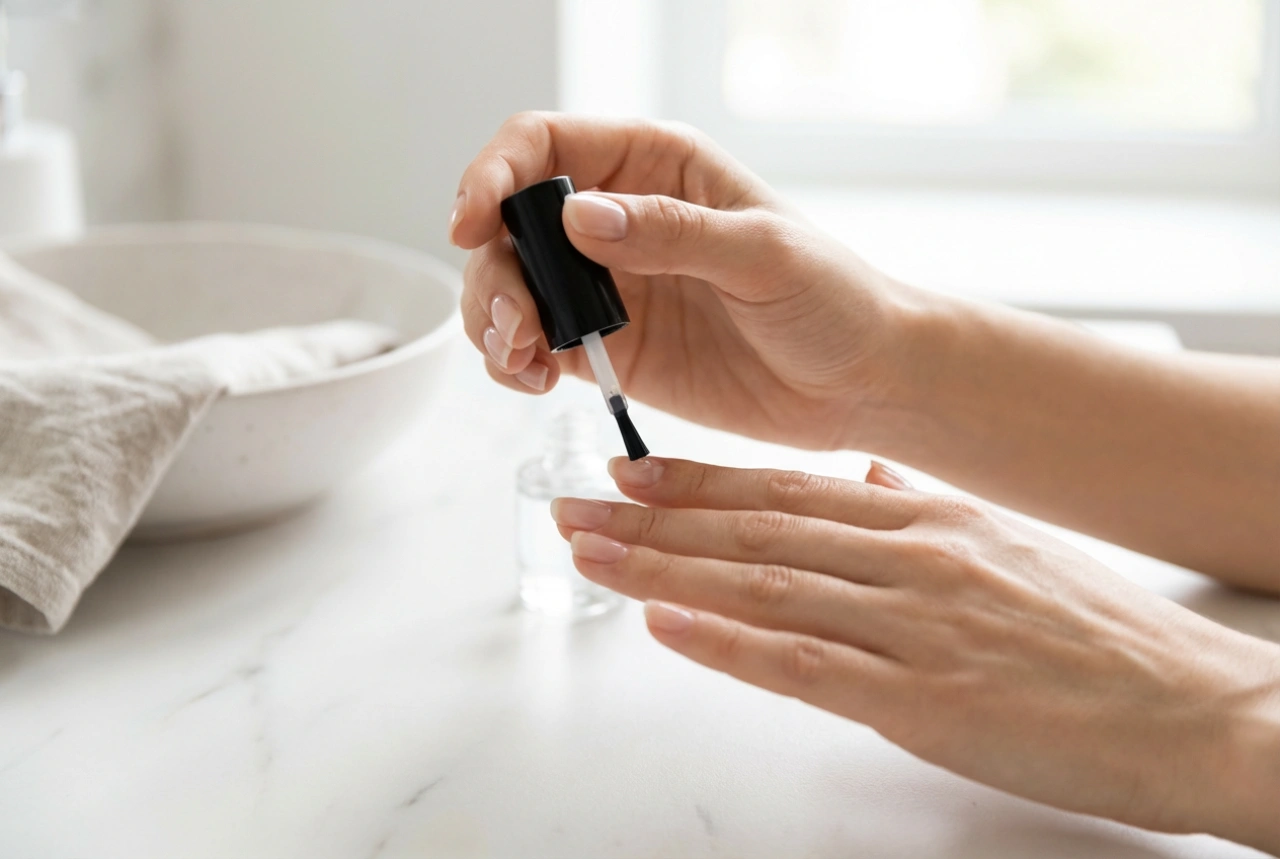
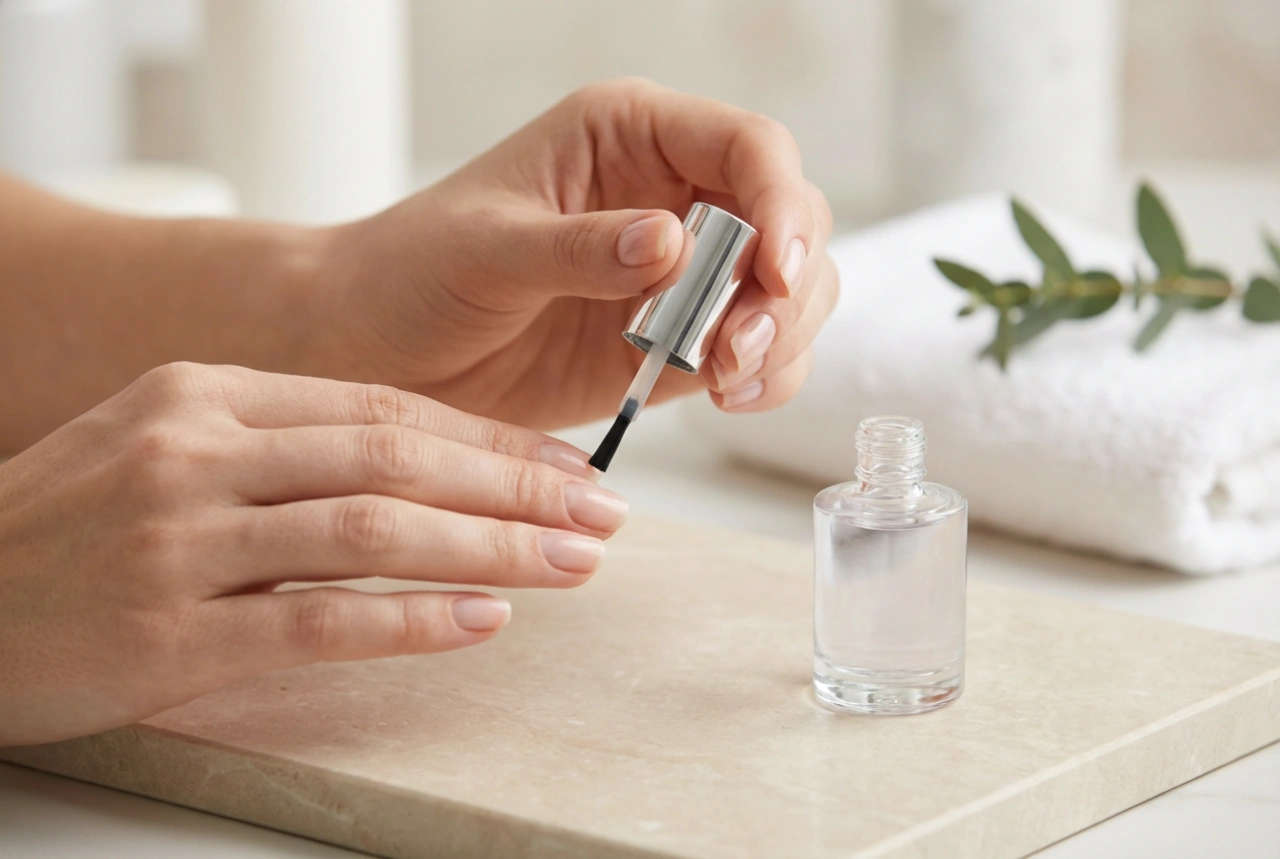
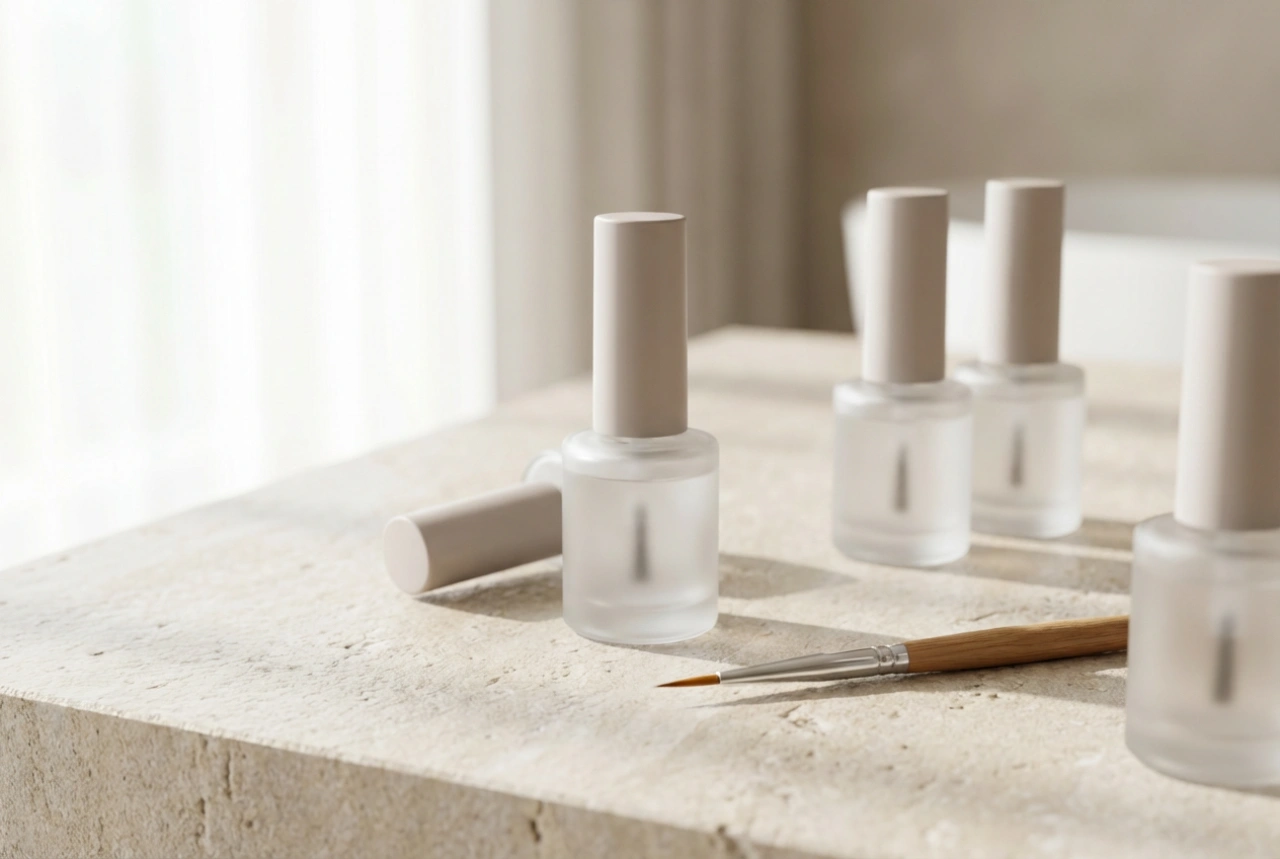
The base coat is the crucial first step after preparing your nails. It's a transparent or lightly tinted layer applied directly to the natural nail plate before any colour. Its primary function is to create a protective barrier and improve the overall quality and longevity of the manicure.
Key Functions of a Base Coat
- Protection: It prevents dark or highly pigmented polishes from staining the natural nail plate. This is especially important for reds, blues, and blacks, which can leave a yellowish tint.
- Adhesion: A good base coat acts like double-sided tape, gripping both the nail plate and the coloured polish. This significantly improves adhesion and helps prevent the polish from chipping prematurely.
- Smoothing: Many base coats have a self-levelling formula that fills in minor ridges and imperfections on the nail surface, creating a perfectly smooth canvas for even colour application.
- Nail Care: Specialised base coats are formulated with ingredients to address specific nail concerns, such as strengthening brittle nails or providing extra hydration for dry nails.
The Indispensable Role of a Top Coat
A top coat is the final layer applied over the coloured polish. Its purpose is to seal everything in, provide protection, and give the manicure its desired finish. Skipping this step is like building a house without a roof – it leaves your hard work exposed to the elements.
Benefits of Using a Top Coat
- Durability: The top coat creates a hard, protective shield over the colour, making it much more resistant to chipping, scratching, and everyday wear and tear.
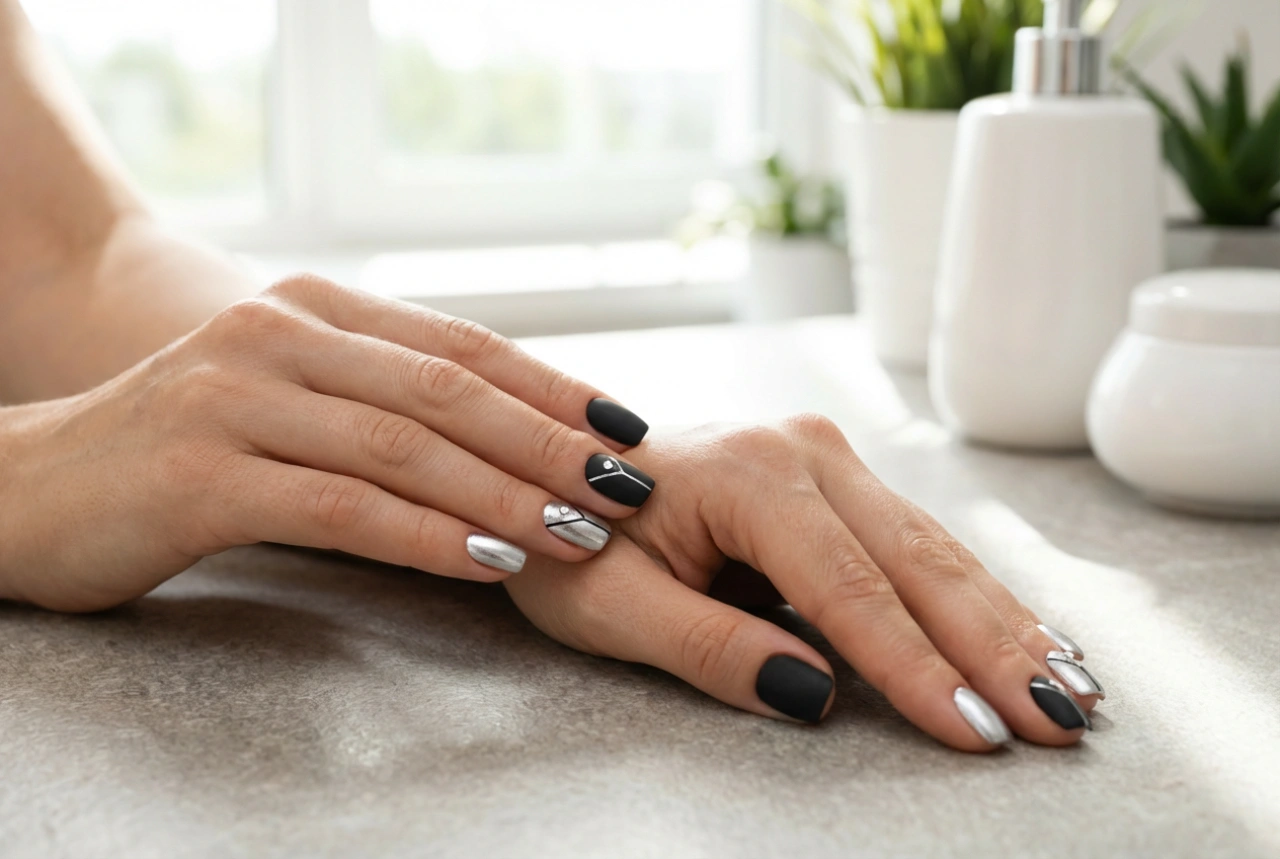
- Shine and Finish: A standard top coat imparts a high-gloss, wet-look shine that makes colours appear more vibrant. Alternatively, you can opt for matte top coats for a modern, velvety finish.
- Faster Drying: Many modern top coats are formulated to be quick-drying, helping to set all the layers of polish more rapidly and reducing the risk of smudges.
- UV Protection: Some top coats contain UV filters that help prevent the coloured polish from fading or yellowing when exposed to sunlight, keeping your manicure looking fresh for longer.
How to Combine Base and Top Coats for Optimal Results
The key to a long-lasting manicure is ensuring the products you use work well together. While it's often safest to use a base and top coat from the same brand and product line, as they are designed for compatibility, you can also mix and match if you understand their properties.
Smart Combination Strategies
- For Weak or Brittle Nails: Start with a dedicated strengthening or hardening base coat. These are often enriched with proteins or other reinforcing ingredients. Finish with a durable, chip-resistant top coat to provide a strong protective layer.
- For Uneven Nail Surfaces: Use a 'ridge-filler' base coat. These have a thicker consistency and contain ingredients that settle into grooves, creating a smooth surface. You can pair this with any standard glossy or matte top coat.
- For a Quick Manicure: If you're short on time, combine a quick-dry base coat with a quick-dry top coat. This pairing significantly cuts down the overall drying time without compromising on protection too much.
- For a Classic, Long-Lasting Look: The most reliable combination is a standard adhesive base coat paired with a high-shine, durable top coat. This duo focuses purely on longevity and a classic glossy finish.
Application is Key
Regardless of the combination, proper application is vital. Apply thin, even layers. Allow the base coat to dry completely before applying colour, and let the colour dry before applying the top coat. Crucially, remember to 'cap' the free edge of your nail with both the colour and the top coat. This means running the brush along the very tip of the nail to seal it, which is the area most prone to chipping.
Common Mistakes to Avoid
A few simple mistakes can undermine the durability of your manicure. Be mindful to avoid these common pitfalls:
- Skipping Steps: Never skip the base or top coat. Each serves a distinct and vital purpose in protecting the nail and the polish.
- Applying Thick Coats: Thick layers of polish, base, or top coat take a very long time to dry fully and are more likely to peel or smudge. Thin coats are always better.
- Not Sealing the Edge: Forgetting to cap the free edge of the nail leaves it vulnerable and is the number one cause of premature chipping.
- Using Old Products: Old, thickened polish, base, or top coats will not apply smoothly or dry properly, leading to a bumpy and weak finish.
By understanding the roles of the base and top coats and choosing them according to your nail type and desired finish, you can significantly elevate your at-home manicure game. These two products are the foundation and shield of your nail colour, working together to deliver a beautiful, durable, and professional-looking result that lasts.