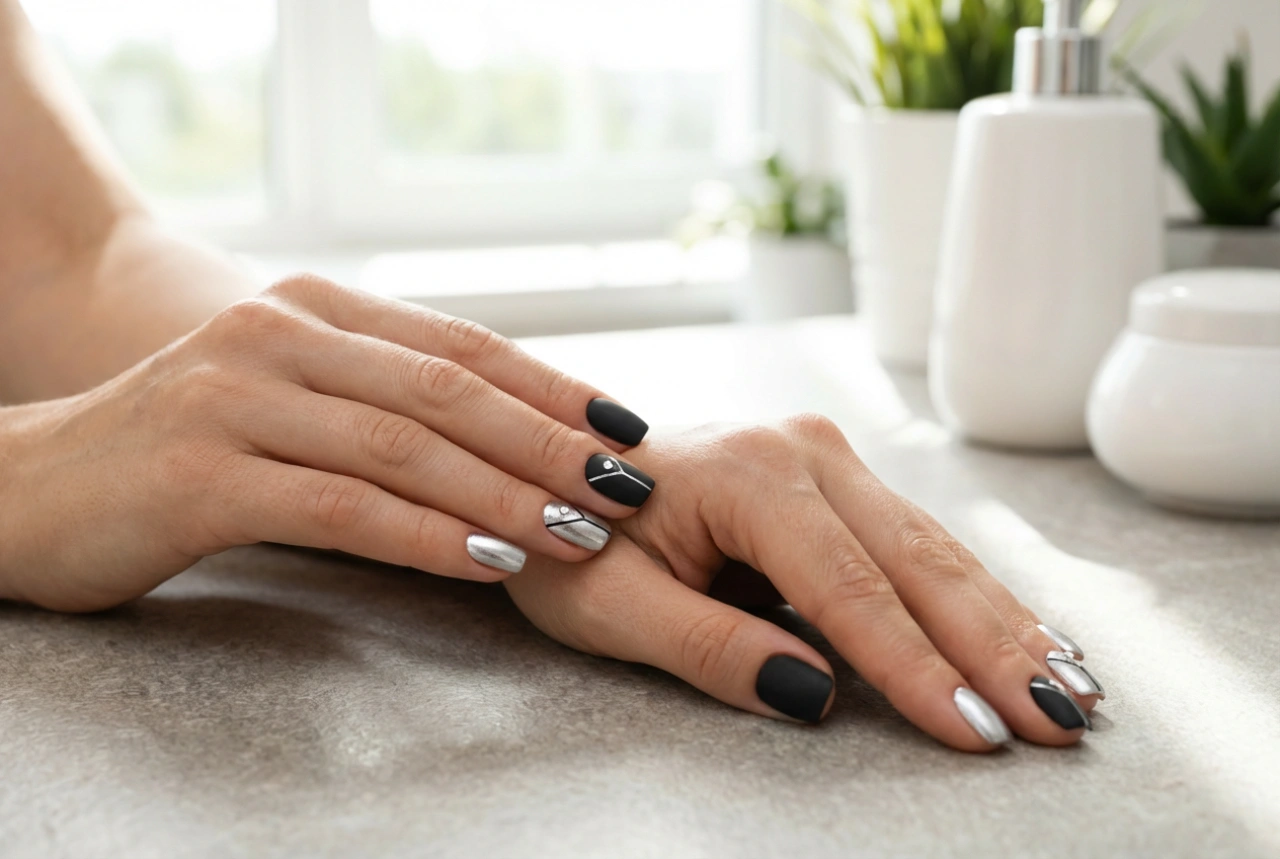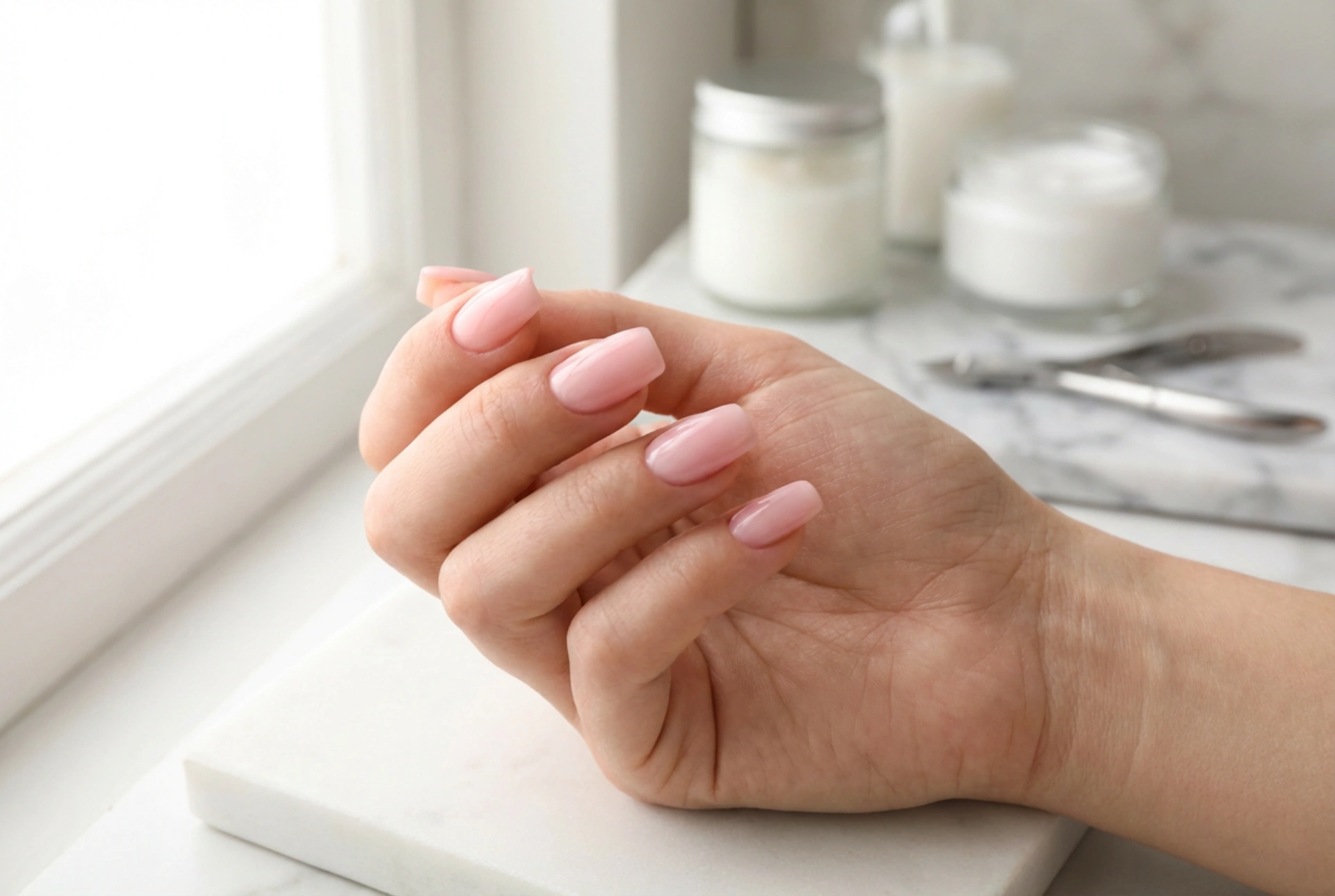


Acrylic nails are a cornerstone of nail enhancement, celebrated for their exceptional durability and the creative freedom they offer. Achieving that flawless, sculpted look seen in professional photos requires a meticulous process that goes far beyond simply applying a product. It's an art form that balances strength with beauty, with each step playing a critical role in the final outcome. From preparing the natural nail to creating a perfect high-gloss finish, understanding the key stages is essential for appreciating the craftsmanship behind a beautiful set of acrylics.
Essential Preparation of the Natural Nail Plate
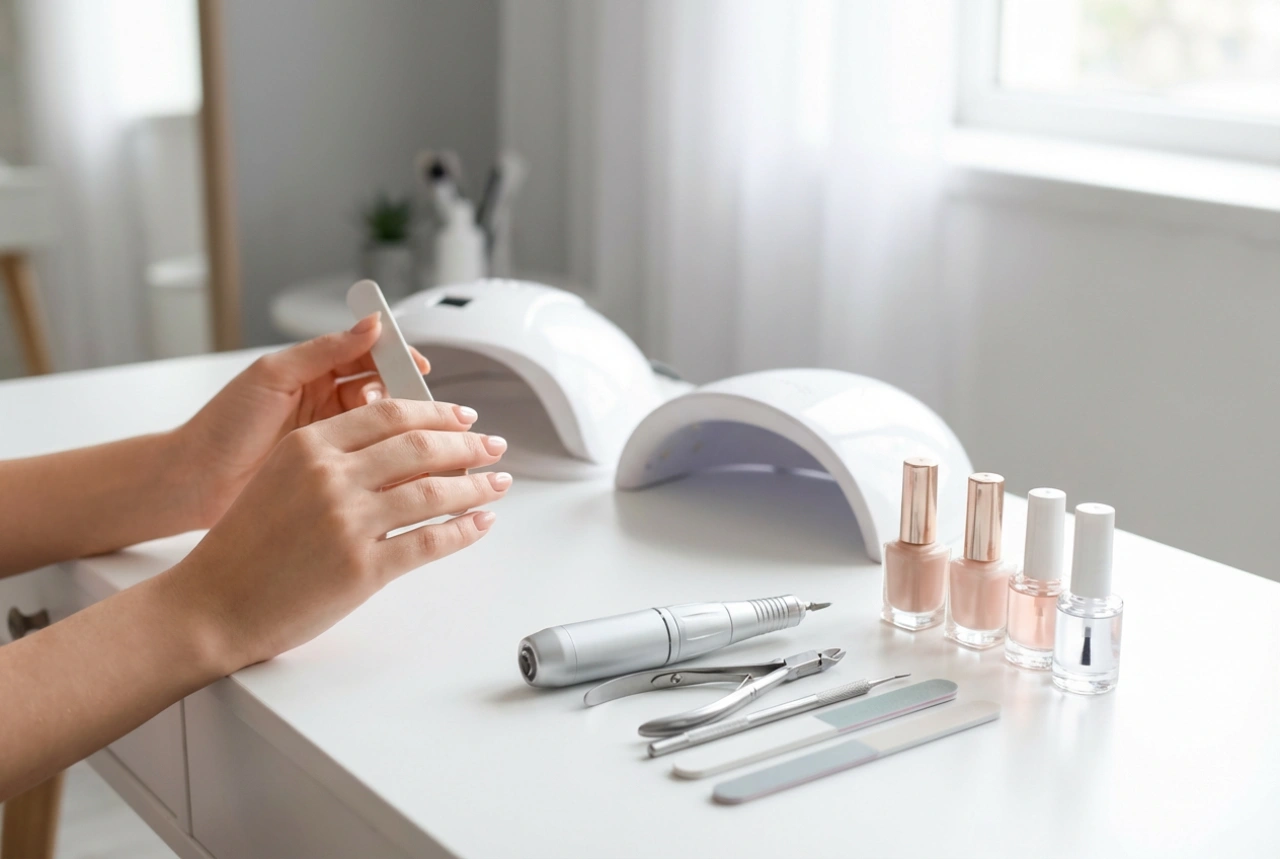
The longevity and safety of an acrylic manicure depend entirely on the initial preparation. This foundational step ensures the acrylic adheres properly and minimises the risk of lifting. The process begins with thoroughly cleansing the hands and nails to create a sanitary workspace. Following this, gentle cuticle work is performed. This involves carefully pushing back the cuticles from the nail plate, never cutting them, to expose the full surface of the nail and create a clean, tidy appearance. Any non-living tissue on the nail plate is carefully removed.
Next, the surface of the natural nail is gently buffed. The purpose of this is not to thin the nail, but to remove its natural shine and oils. This light abrasion creates a slightly rough texture, which provides a better surface for the acrylic product to grip. After buffing, the nail is cleansed of all dust. A dehydrating solution is then applied to temporarily remove any remaining moisture and oils from the nail plate. This is often followed by a primer, a bonding agent that acts like double-sided tape between the natural nail and the acrylic, ensuring a strong and lasting connection.
Building the Structure: The Importance of the Apex
The core of the acrylic manicure is the construction of the nail itself. This is done using a two-part system: a liquid monomer and a powdered polymer. When a brush dipped in the monomer is then touched to the polymer, a small, malleable bead of acrylic forms. This bead is then expertly placed onto the nail and sculpted into the desired shape and length before it hardens, a process which happens through a chemical reaction without the need for a lamp.
The Crucial Role of the Apex
A key element in a strong, professionally applied acrylic nail is the apex. The apex, or stress area, is the highest point of the nail enhancement, typically located in the centre of the nail where it is most likely to bend or break. Building a proper apex provides the nail with structural integrity and shock absorption. A nail without a correctly placed apex will be flat and weak, prone to cracking under everyday pressure. The acrylic is applied more thickly in this area, tapering down towards the cuticle, sidewalls, and the free edge. This creates a graceful, natural-looking curve that is not only aesthetically pleasing but also fundamentally strong.
Perfecting the Shape: Filing and Buffing Techniques
Once the acrylic has fully hardened, the process of refining and perfecting the shape begins. This stage is crucial for achieving a sleek, professional look. It's a multi-step filing process that transforms the rough initial application into a smooth, symmetrical nail. Using a medium-grit file, the technician first defines the perimeter of the nail, shaping the sidewalls and the free edge to the desired length and form—be it square, oval, almond, or another style.
Next, the focus shifts to the surface of the nail. The technician files the entire surface to even out any bumps, ensuring the curve is smooth and the apex is perfectly blended. Special attention is paid to the cuticle area, where the acrylic must be filed to be flush with the natural nail, creating a seamless transition that will grow out gracefully. As the shape is refined, progressively finer-grit files and buffers are used. This removes the deeper scratches left by the initial filing and prepares the nail for the final finishing step, resulting in a surface that is incredibly smooth to the touch.
The Final Touch: Achieving a High-Gloss Shine
The final stage of the acrylic manicure brings the nail to life with a brilliant shine. There are two primary methods to achieve this. The most common method involves applying a gel or air-dry top coat. This sealant layer protects the acrylic from staining and daily wear, while providing an intense, long-lasting gloss that cures to a hard, durable finish. It locks in the shape and provides that beautiful, wet-look shine that completes the manicure.
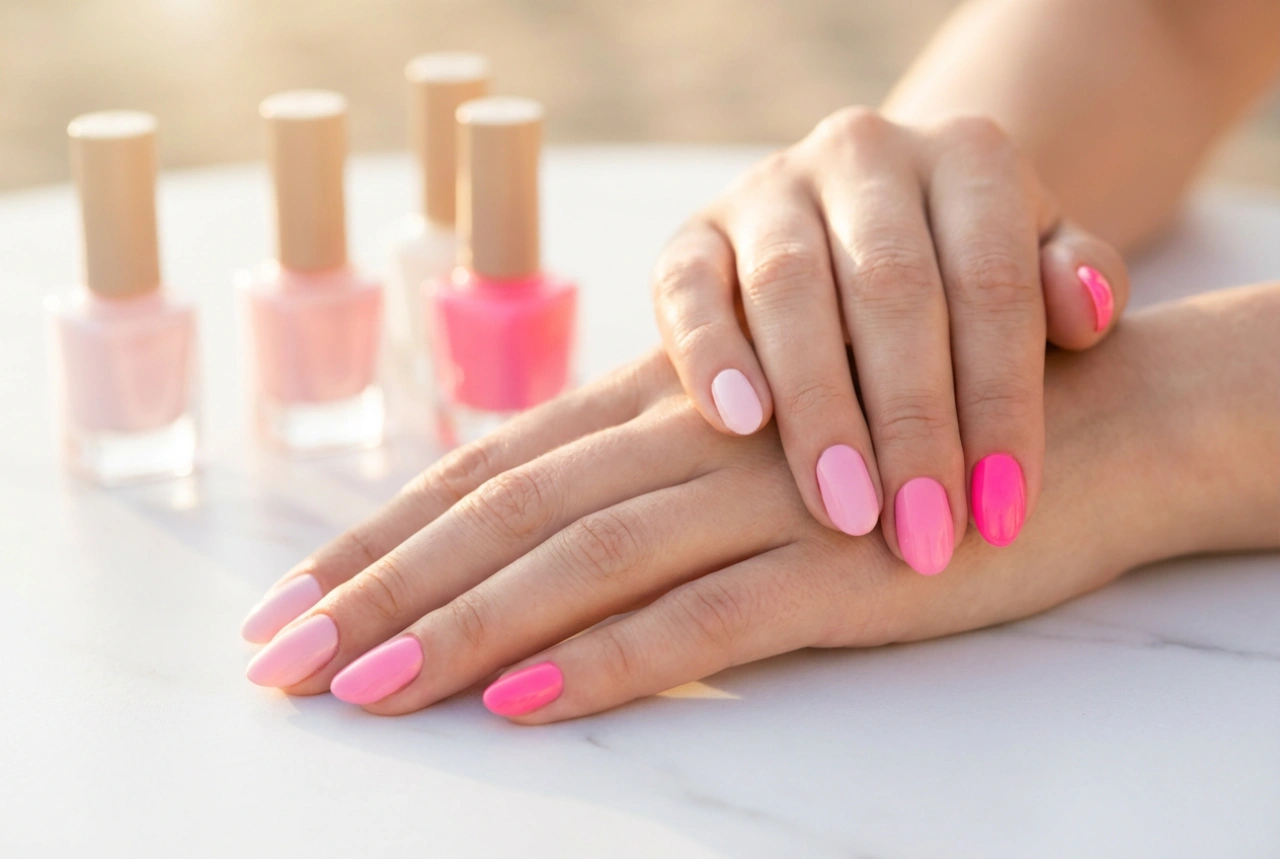
Alternatively, a high-gloss finish can be achieved through buffing. This involves using a three- or four-sided buffing block, moving from a smoothing surface to a final, high-shine surface. This technique polishes the acrylic itself to a mirror-like finish without any top coat. Regardless of the method chosen, this final step is what gives the acrylic manicure its stunning, polished appearance, transforming it from a structural enhancement into a beautiful accessory.