

Achieving a beautiful, long-lasting manicure is a goal for many, but the secret to success often lies in the steps taken before any colour is even applied. Proper nail preparation is fundamental, and a key player in this process is the nail primer. Specifically, an acid-free primer can be a game-changer, ensuring your nail styling adheres perfectly and endures for weeks. Understanding how to use it correctly is the first step towards a flawless, chip-free finish.
What Exactly Is an Acid-Free Nail Primer?
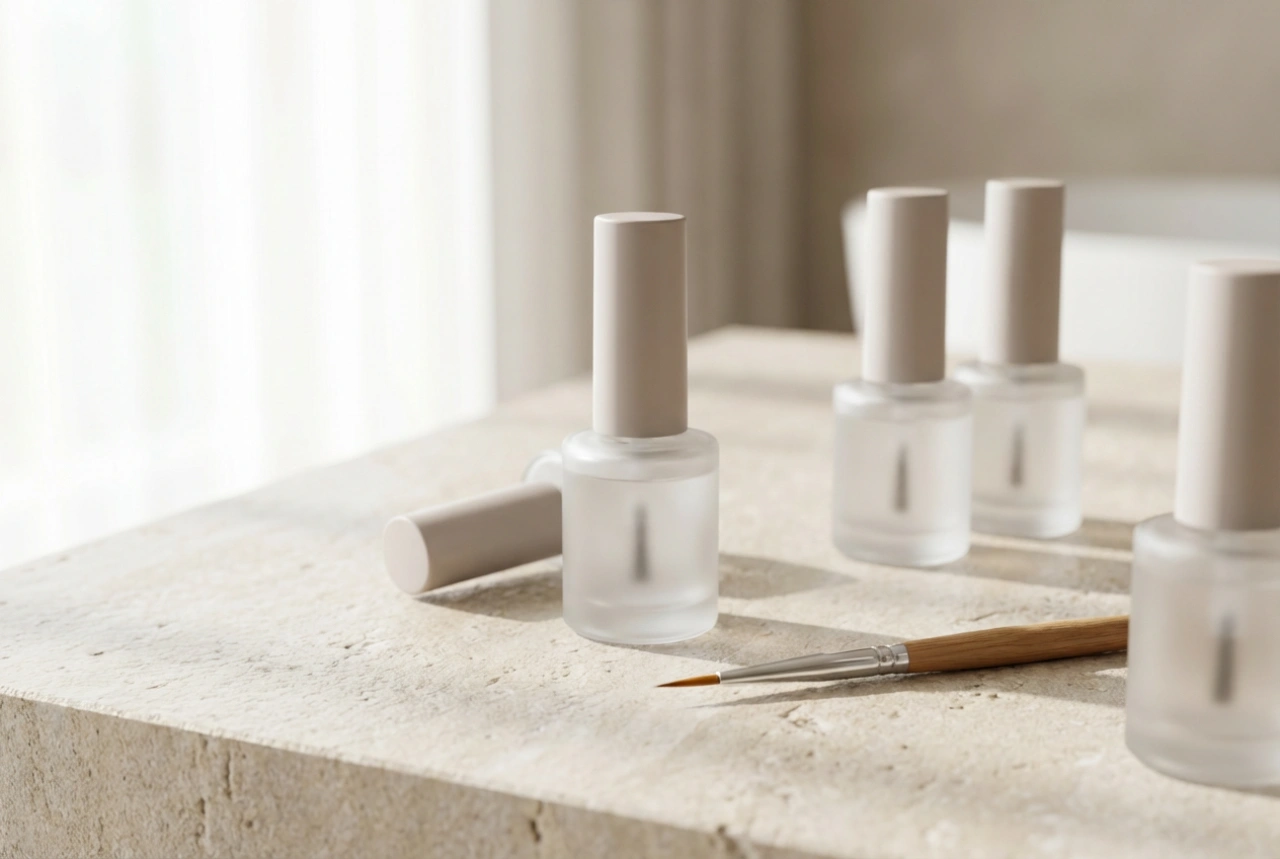
An acid-free nail primer is a liquid bonding agent applied to the natural nail plate before a base coat, gel, or acrylic application. Its primary function is to create an ideal surface for the subsequent product to stick to. Unlike its acid-based counterparts, an acid-free primer does not etch or roughen the nail surface. Instead, it works by temporarily altering the pH of the nail plate to make it more compatible with the nail product. Think of it as a sophisticated double-sided tape; after it air-dries, it leaves a slightly tacky, sticky layer that acts as a powerful anchor for your manicure, significantly reducing the chances of lifting or peeling. Its gentle formulation makes it a popular choice for home use and for individuals with more sensitive nail plates.
The Benefits of Using an Acid-Free Primer
Incorporating an acid-free primer into your nail care routine offers several distinct advantages that contribute to a more professional and durable result. It's more than just an extra step; it's a foundational element for impeccable nail styling.
- Enhanced Adhesion: The most significant benefit is the dramatic improvement in adhesion. The primer creates a strong chemical bond between the natural nail and the product, whether it's a gel polish, hybrid, or acrylic system.
- Prevents Lifting: By ensuring a secure bond, the primer is your best defence against the frustrating issue of lifting, where the edges of the nail enhancement begin to peel away from the natural nail.
- Extends Manicure Longevity: A manicure built on a well-primed nail is destined to last longer. You can enjoy your beautiful nails for an extended period without worrying about premature chipping or wear.
- Gentler on Nails and Skin: The acid-free formula is less aggressive than acid-based primers. It minimizes the risk of irritation to the surrounding skin and is generally considered a kinder option for the natural nail plate.
How to Apply Acid-Free Primer: A Step-by-Step Guide
Proper application is crucial to unlocking the full potential of your acid-free primer. Following these steps will ensure you create the perfect foundation for any nail styling.
1. Meticulous Nail Plate Preparation
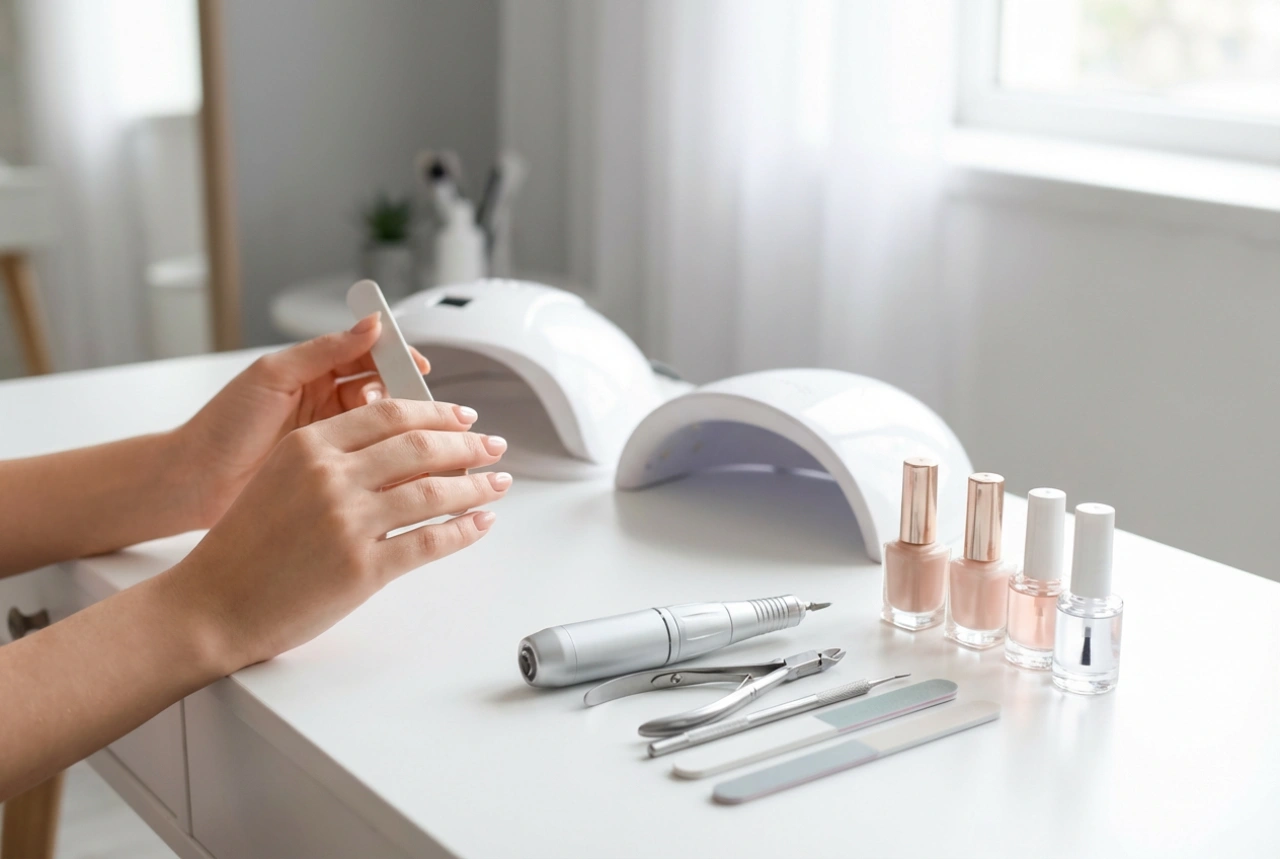
Never apply primer to an unprepared nail. Start by shaping your nails to the desired length and form using a nail file. Next, gently push back your cuticles with a suitable tool. It is vital not to cut them, but simply to clear them from the nail plate. Afterwards, take a fine-grit buffer and lightly buff the entire surface of each nail. The goal is to remove the natural shine and any surface oils, not to thin the nail. Finally, wipe each nail with a lint-free pad soaked in a specialised nail cleanser or isopropyl alcohol to remove all dust and dehydrate the surface completely.
2. Precise Primer Application
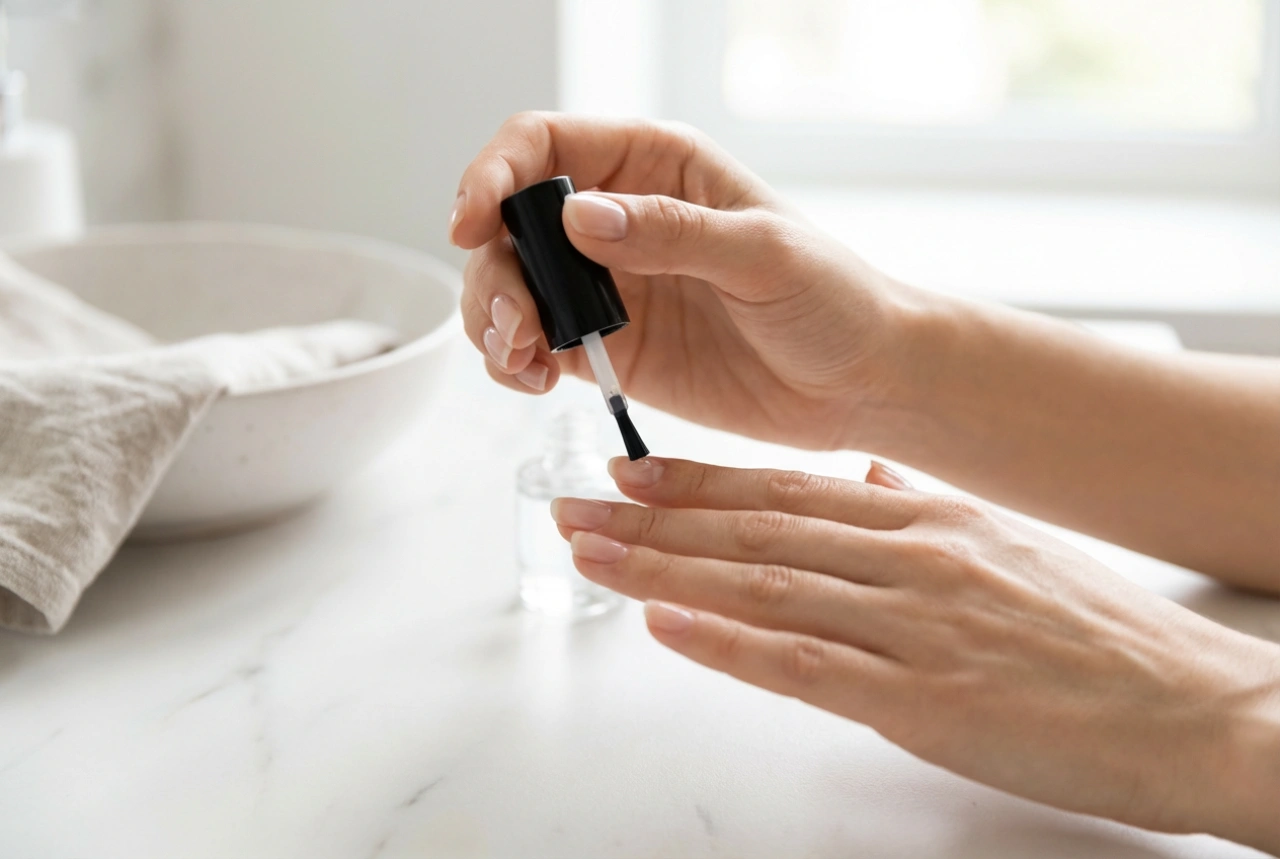
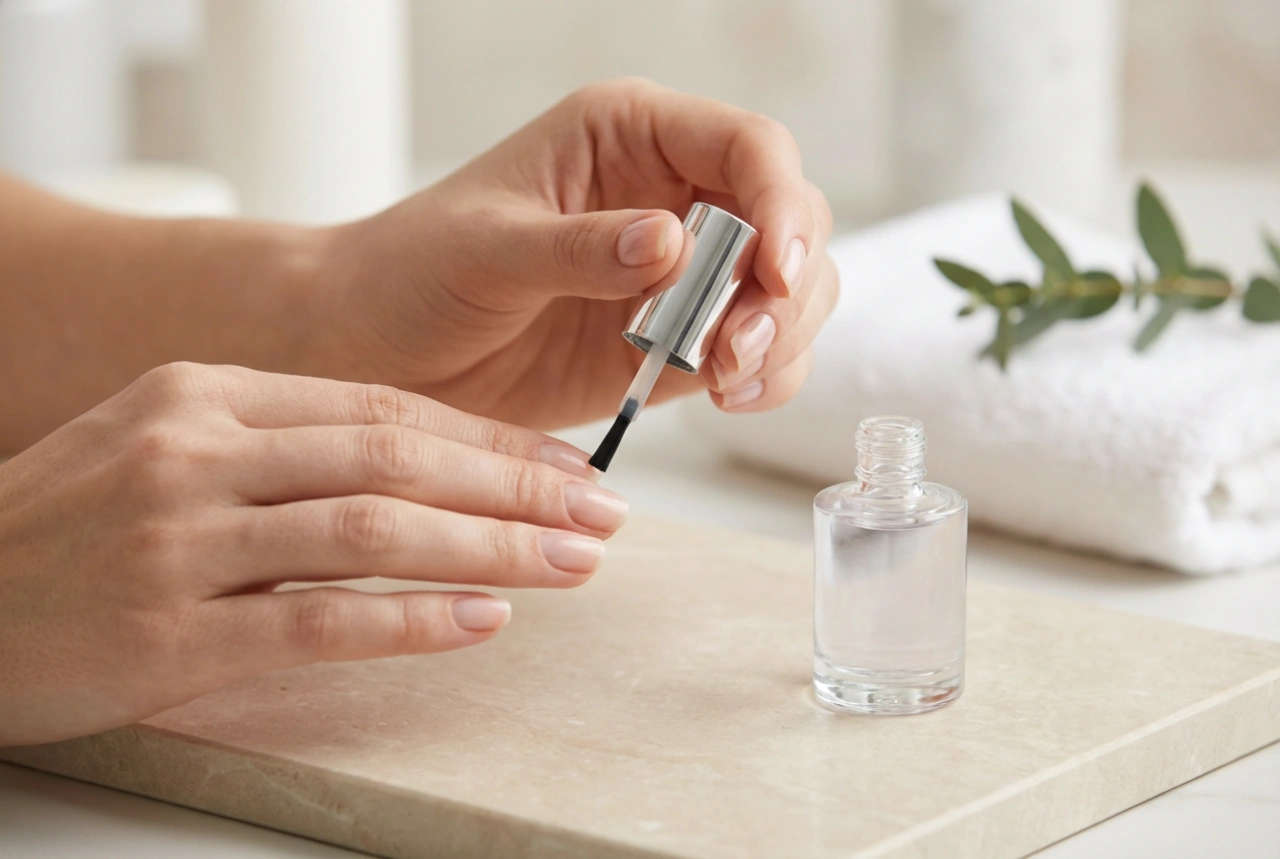
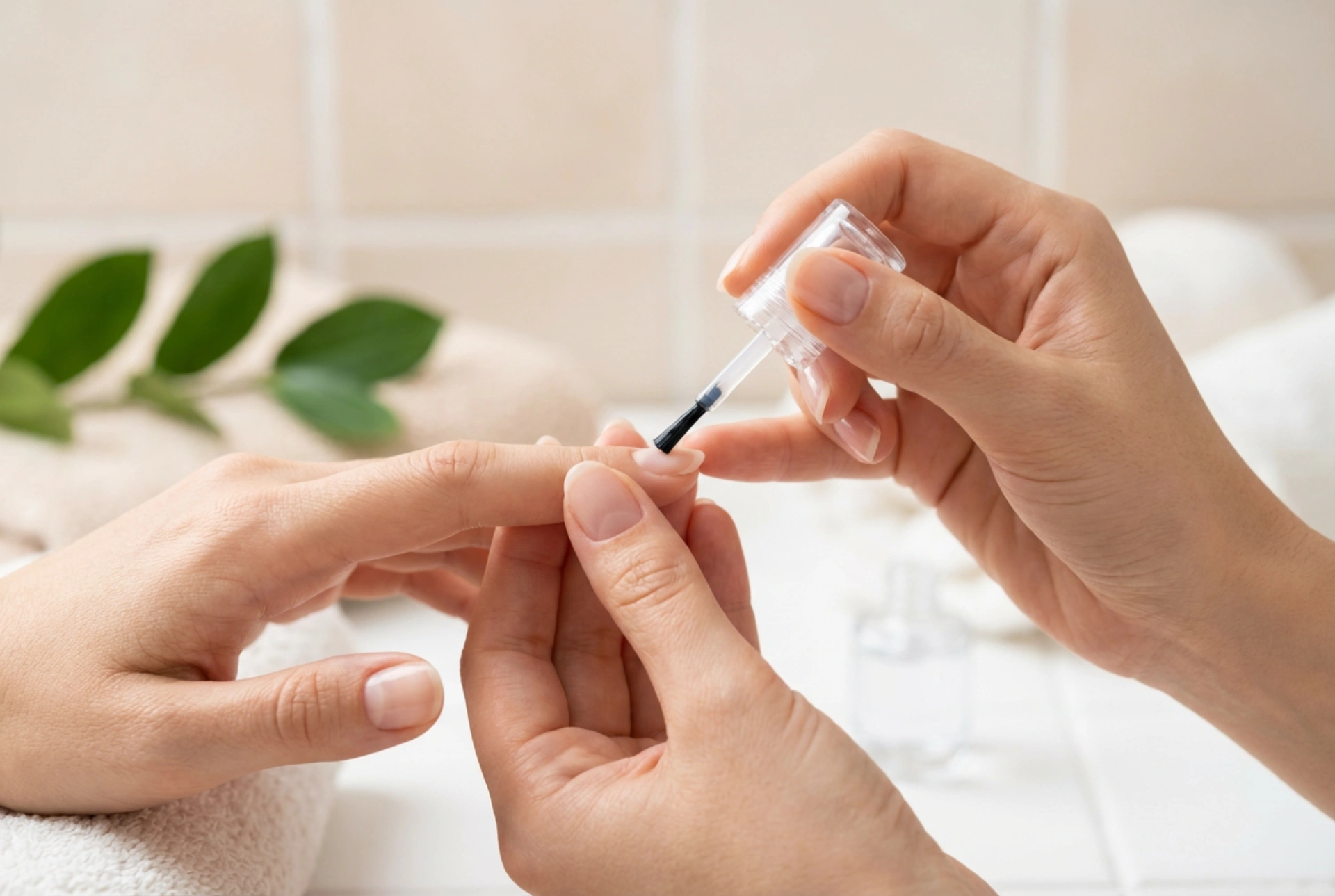
With primer, less is always more. Open the bottle and wipe the brush against the inner neck to remove most of the product. You only need a minimal amount. Carefully apply a very thin layer of the acid-free primer over the entire natural nail plate. Be extremely cautious to avoid touching the cuticles or the skin around the nail. If you do accidentally get some on your skin, wipe it off immediately with a clean, dry brush or a lint-free wipe before it dries.
3. Drying and Proceeding with Your Manicure
Most acid-free primers are designed to air-dry, which typically takes between 30 to 60 seconds. You do not need a UV or LED lamp to cure them. You will know it is ready when the surface no longer looks wet, but it will feel slightly tacky to the touch. This stickiness is intentional and is what creates the superior bond. Do not touch the nail surface once the primer is on. Immediately proceed with applying your chosen base coat, and continue with your manicure as usual.
Common Mistakes to Avoid
To ensure the best results, be mindful of these common application errors:
- Applying Too Much Primer: A thick layer will not create a stronger bond. In fact, it can be counterproductive and may even lead to lifting. A thin, economical application is key.
- Skipping Nail Preparation: Applying primer on a shiny, oily, or dusty nail plate will render it completely ineffective. Prep is non-negotiable.
- Getting Primer on the Skin: Contact with skin can not only cause irritation but also creates a bridge for oils to get under the nail enhancement, leading to lifting at the edges.
- Not Waiting for it to Dry: Applying a base coat while the primer is still wet will interfere with its bonding ability. Be patient and give it a minute to work its magic.
By understanding its purpose and mastering the correct application technique, you can transform your manicures from good to great. An acid-free primer is a simple, safe, and highly effective tool for achieving the durable, salon-quality nails you desire.