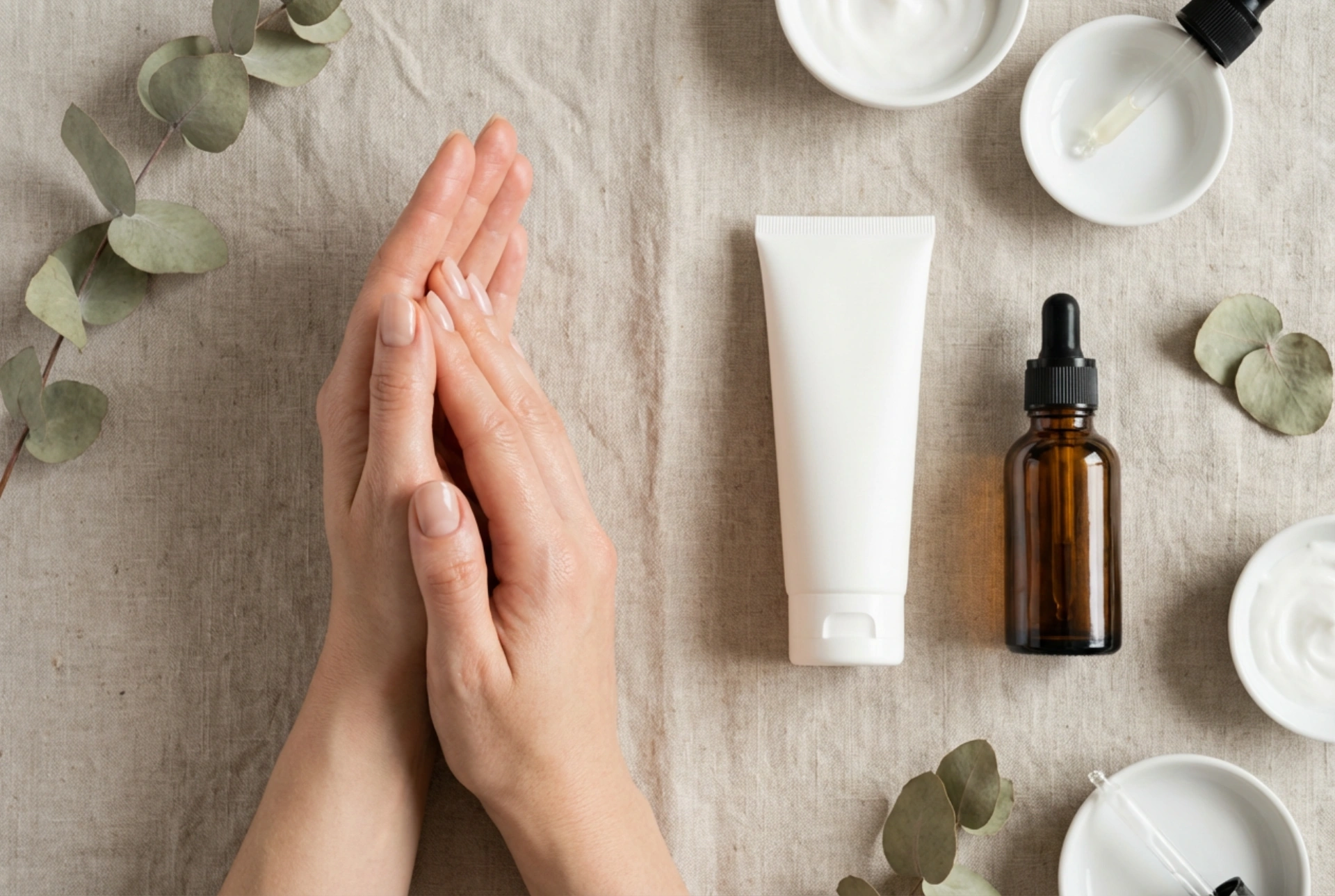


Our hands are our primary tools for interacting with the world, constantly exposed to sun, wind, water, and detergents. It's no surprise they are often the first place to show signs of dryness and discomfort. While reaching for a hand cream is a natural instinct, the way you apply it, and the other steps you combine it with, can make all the difference. Achieving that feeling of soothing relief and restoring smooth, comfortable skin is possible with a thoughtful and consistent routine.
Understanding Your Hand Cream's Ingredients
Before diving into application, it helps to know what makes a hand cream effective. Without mentioning specific products, look for formulas that contain a combination of three types of ingredients. Humectants, such as glycerine and hyaluronic acid, draw moisture from the air into your skin. Emollients, like shea butter, cocoa butter, and various plant oils, work to soften and smooth the skin's surface. Finally, occlusives, which include ingredients like beeswax or lanolin, form a protective physical barrier on the skin to prevent moisture loss. For daytime use, a lighter lotion that absorbs quickly might be preferable, while a richer, thicker cream is ideal for intensive overnight care.
The Art of Correct Application
Simply rubbing a dab of cream onto your palms is not enough to tackle significant dryness. A more mindful technique will ensure the product is absorbed effectively where it's needed most. Follow these steps for the best results:
- Start with clean hands: Wash your hands with a gentle, non-stripping cleanser and lukewarm water. Pat them dry, but leave them ever so slightly damp. This helps to lock in hydration.
- Use the right amount: A pea-sized amount of cream is usually sufficient for both hands. You can always add more if needed, but starting small prevents a greasy feeling.
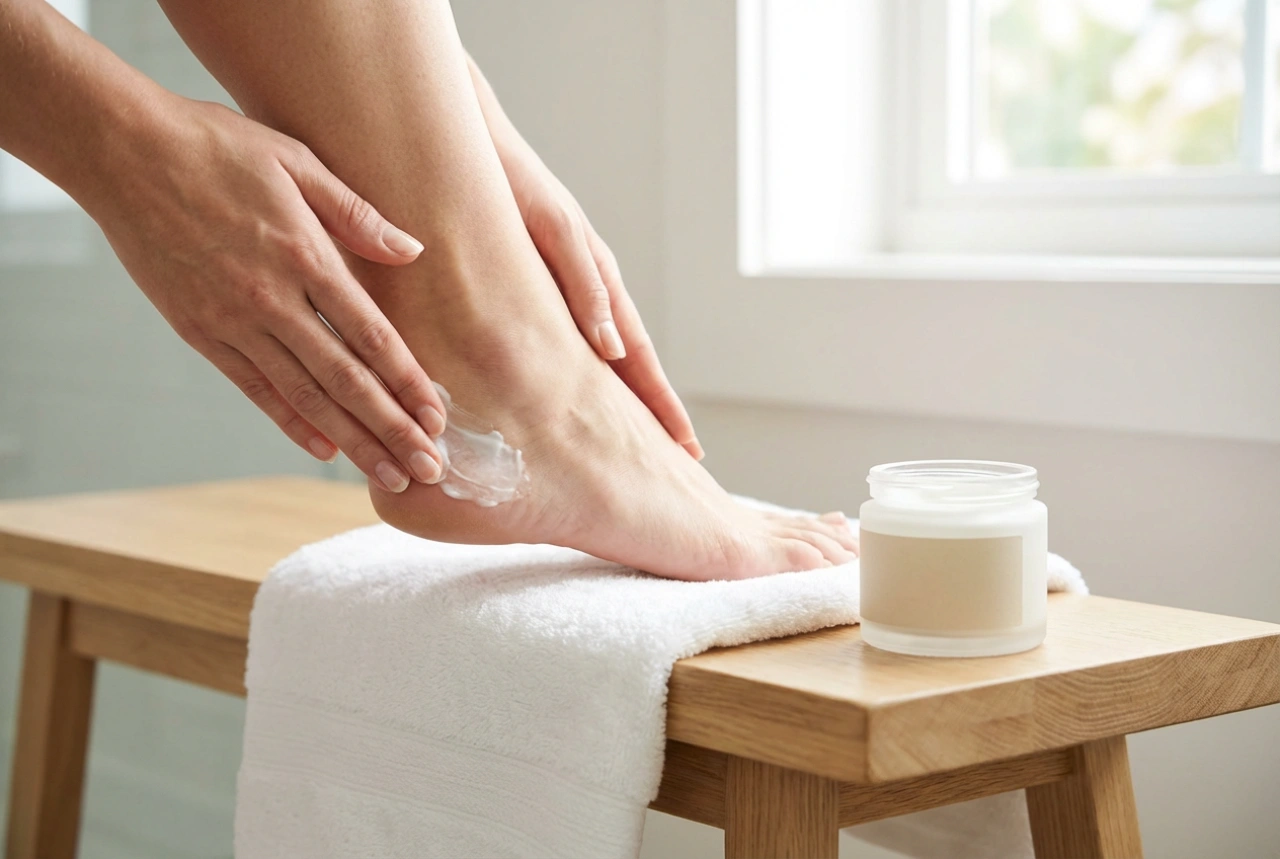
- Warm the product: Dispense the cream onto the back of one hand and use the back of your other hand to gently spread it. This warms the cream, improving its spreadability and absorption.
- Focus on the driest areas: The backs of our hands have fewer oil glands than our palms and are more exposed to the elements, so they tend to be drier. Begin by massaging the cream here, paying special attention to your knuckles.
- Massage thoroughly: Use gentle, circular motions to work the cream into your skin. Do not forget the areas between your fingers and your wrists.
- Care for your cuticles: Finish by massaging any remaining cream into your cuticles and nails. This helps to keep them soft and prevent hangnails.
This massage technique not only ensures even coverage but also helps to stimulate blood flow, which contributes to overall skin health.
Timing is Everything: When to Moisturise
To combat cracked skin, consistency is crucial. Applying hand cream should become a regular habit throughout your day. The most important times to moisturise are:
- After every hand wash: Washing hands, while essential for hygiene, strips the skin of its natural oils. Applying cream immediately afterwards replenishes this lost moisture.
- Before exposure to harsh conditions: Before you head out into the cold or wind, or before doing household chores like washing dishes (even if wearing gloves), apply a protective layer of cream.
- Before bed: Night-time is when your body enters its repair mode. Applying a generous layer of a rich cream before you go to sleep allows the product to work uninterrupted for several hours, providing intensive healing.
To make this a seamless part of your day, consider keeping tubes of hand cream in convenient places—by the kitchen and bathroom sinks, on your bedside table, and in your bag.
Boosting Your Routine for Enhanced Results
For hands that need extra attention, simply applying cream might not be enough. You can significantly enhance its effects by incorporating other simple treatments into your weekly care.
Complement with Natural Oils
As suggested by the small dropper bottle often seen alongside creams, natural plant oils can be a powerful ally. Oils like jojoba, sweet almond, or argan oil are rich in nutrients and fatty acids. You can apply a few drops to your hands and massage it in before your cream to provide a deeper layer of nourishment. Alternatively, mix a single drop of oil directly into your portion of hand cream to boost its emollient properties.
The Overnight Deep Treatment
Create an intensive spa-like treatment for your hands while you sleep. Start by applying a very generous, thick layer of your richest hand cream. You can also apply your chosen natural oil first. Once your hands are well-coated, slip on a pair of cotton gloves. The gloves lock in the moisture and create a warm environment, which helps the products penetrate more deeply into the skin. You will wake up to noticeably softer, smoother, and more comfortable hands.
The Importance of Gentle Exfoliation
If your hands are very dry and rough, a build-up of dead skin cells can prevent your moisturisers from being absorbed properly. Gently exfoliating your hands once or twice a week can help. You can create a simple, effective scrub at home by mixing a spoonful of sugar with a small amount of a carrier oil (like olive or coconut oil) to form a paste. Massage this mixture gently over your hands for a minute, then rinse with warm water and immediately follow up with your hand cream.