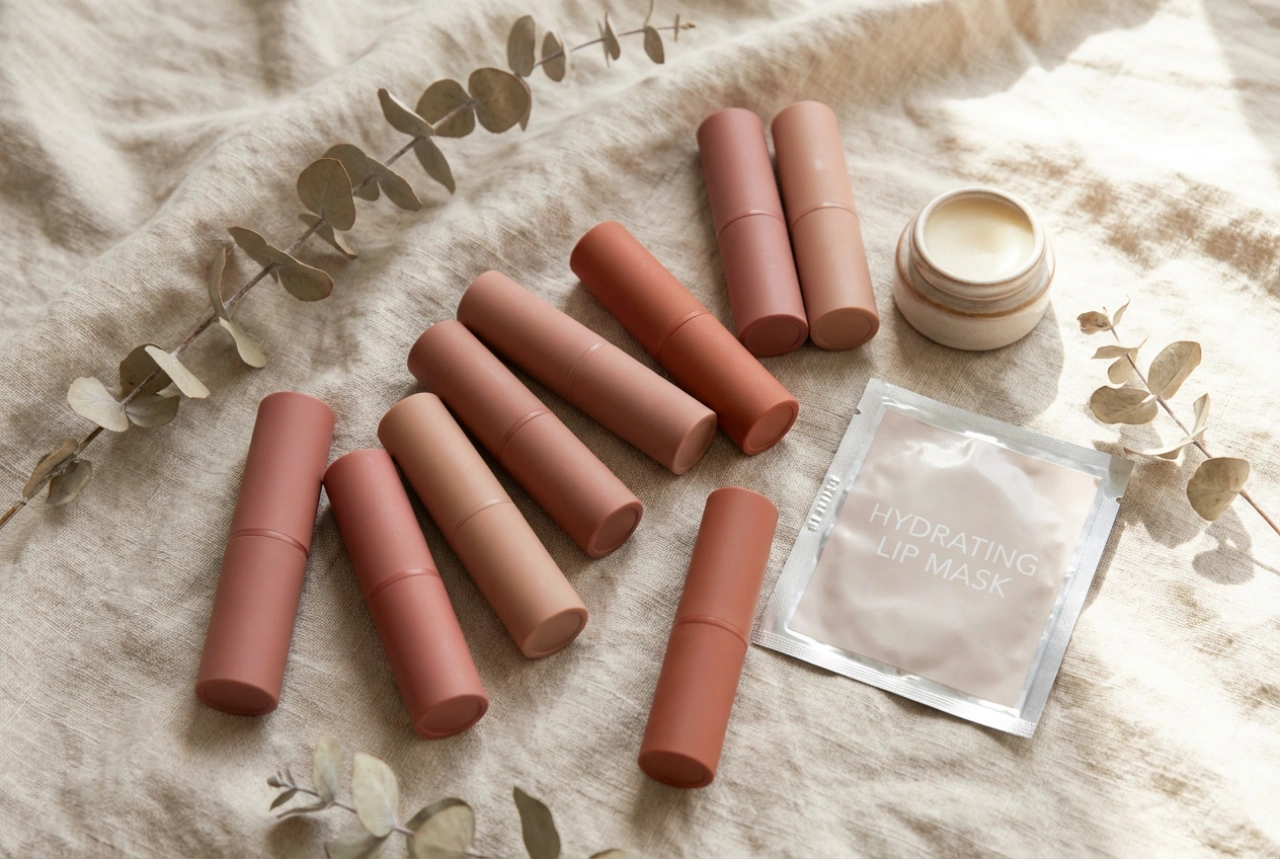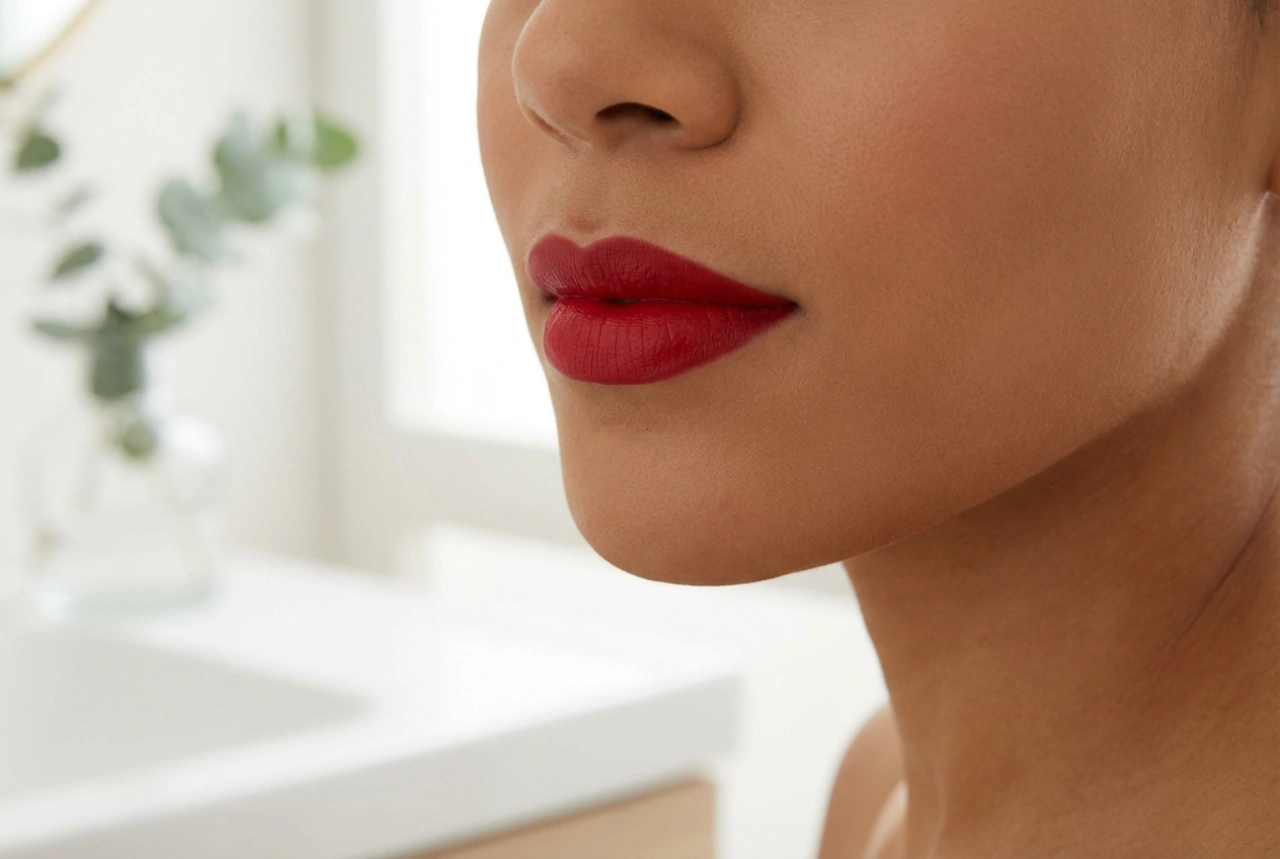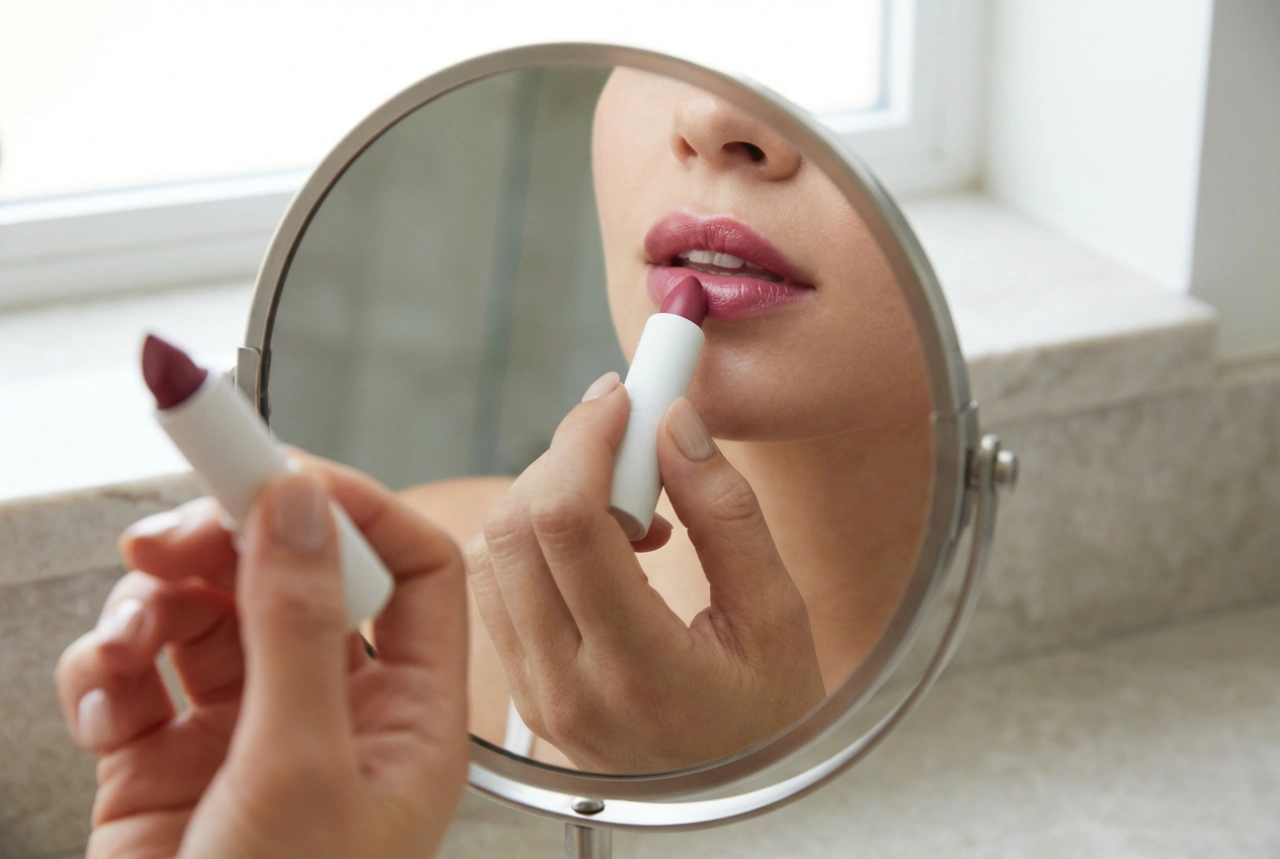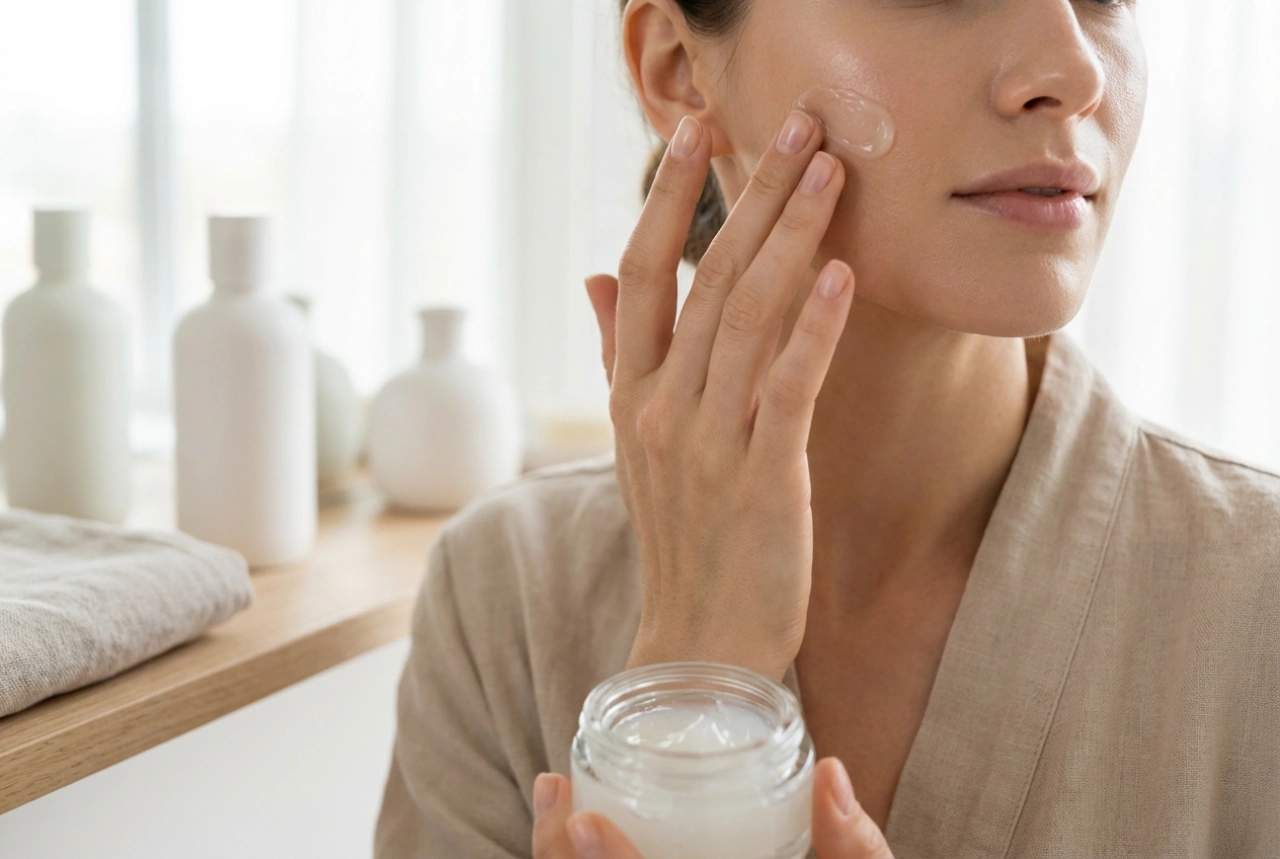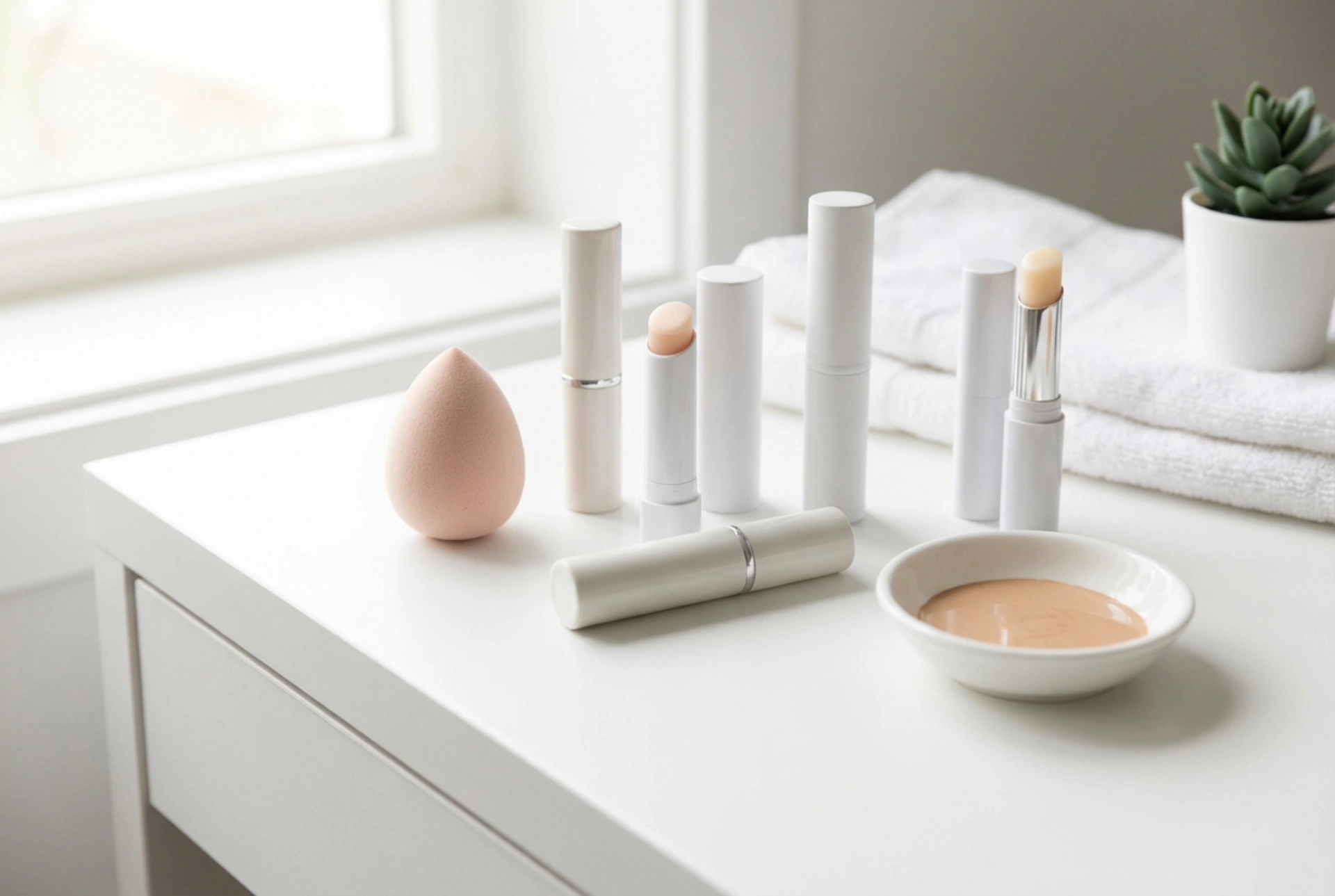


A smooth, hydrated base is the secret to any flawless makeup application, and this is especially true for our lips. The right protective lip balm can transform your lip texture, creating the perfect canvas for your favourite lipstick or gloss. As suggested by the sight of balms and makeup essentials laid out in preparation, taking a moment for lip care is a small step that yields significant results, ensuring your lip colour looks polished and feels comfortable all day long.
Why Is Lip Care an Essential First Step?
The skin on our lips is unique and far more delicate than the skin on the rest of our face. It is thinner and lacks the sebaceous (oil) glands that help keep other areas of our skin moisturised. This makes lips prone to dryness, chapping, and flaking, especially when exposed to environmental factors like sun, wind, and cold air. A good lip care routine, with a protective balm as its centrepiece, provides a necessary barrier that locks in moisture and shields this delicate skin from damage. Healthy, hydrated lips not only feel better but also prevent lip makeup from settling into fine lines or clinging to dry patches.
Choosing the Right Lip Balm Formula
Not all lip balms are created equal. The ideal formula for you will depend on your specific needs and how you intend to use it, particularly if it's as a base for makeup. Understanding the ingredients and textures can help you make the best choice.
Key Ingredients to Look For
When selecting a lip balm, look for nourishing and protective ingredients. A well-formulated product will contain a mix of humectants (to attract moisture), emollients (to soften), and occlusives (to seal it all in). Here are some effective ingredients:
- Beeswax or Candelilla Wax: These natural waxes create a protective barrier on the lips, preventing moisture loss without feeling overly heavy.
- Shea Butter and Cocoa Butter: Rich in fatty acids and vitamins, these butters are excellent emollients that deeply nourish and soften the skin.
- Jojoba Oil or Coconut Oil: These oils closely mimic the skin’s natural sebum, providing effective moisturisation that absorbs well.
- Vitamin E: A powerful antioxidant that helps to protect and repair the skin from environmental stressors.
- Hyaluronic Acid: A humectant that can hold many times its weight in water, drawing moisture to the lips for a plump, hydrated effect.
Formulas for Pre-Makeup Application
For wearing under lipstick, it is best to choose a balm that is hydrating but not overly greasy or slippery. A waxy or more solid stick formula often works well, as it creates a smooth, matte-like base that lipstick can adhere to. Avoid very glossy or oily balms, as they can cause your lip colour to slide around and feather. Save richer, creamier balms for an intensive overnight treatment to repair and rejuvenate your lips while you sleep.
How to Properly Apply Lip Balm Before Makeup
The application technique is just as important as the product itself. Following a few simple steps will ensure you get the full benefits of your balm without compromising the longevity of your lip colour.
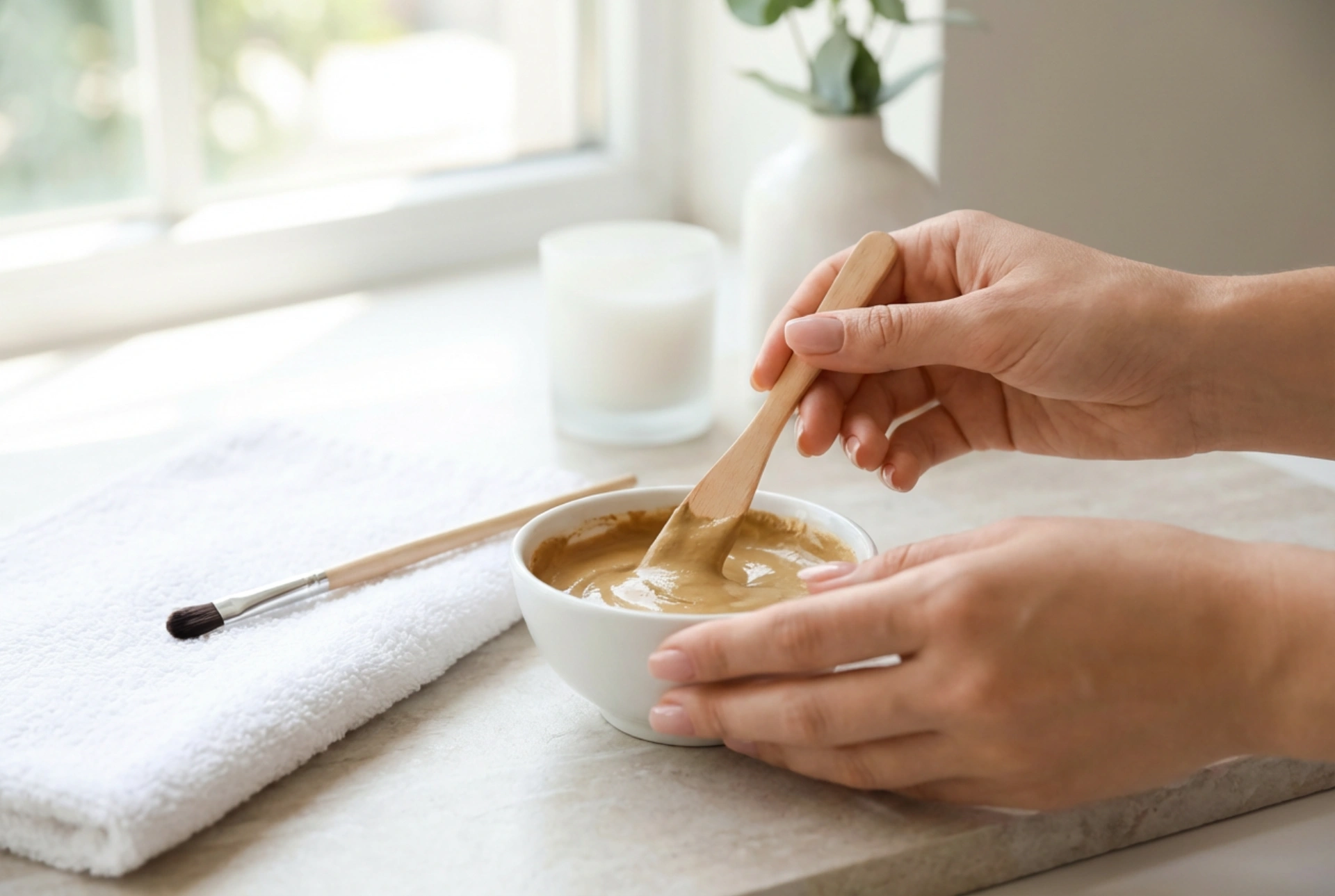
- Step 1: Start with a Clean Canvas. If your lips are flaky, gently exfoliate them first with a soft-bristled toothbrush or a mild lip scrub. Pat them dry.
- Step 2: Apply the Lip Balm. Swipe a thin, even layer of your chosen protective lip balm across both your top and bottom lips. Don't be afraid to apply a little outside the lip line if that area is also dry.
- Step 3: Let It Absorb. This is the most crucial step. Allow the balm to sink into your lips for at least 5-10 minutes. You can use this time to apply the rest of your face makeup. This gives the nourishing ingredients time to work their magic.
- Step 4: Blot the Excess. Just before applying your lip colour, gently press a tissue between your lips to blot away any excess residue. This removes any greasy film, leaving behind a perfectly primed, hydrated surface that won't cause your makeup to slip.
- Step 5: Apply Your Lip Makeup. Now that your lips are prepped, you can proceed with your lip liner and lipstick. You will notice that the colour glides on more evenly and looks smoother.
Common Mistakes to Avoid
To achieve the best results, be mindful of a few common pitfalls. Avoid applying lipstick immediately after a thick layer of balm without blotting, as this is the primary cause of feathering and poor wear time. Also, try not to use balms with strong flavours or potential irritants like menthol or camphor before applying makeup, as they can sometimes cause sensitivity. Finally, remember that lip care is an ongoing process. Keep your balm handy to reapply throughout the day, especially after meals, to keep your lips consistently hydrated.