

Achieving beautifully smooth feet, reminiscent of a professional pedicure, is now possible in the comfort of your own home. An electric foot file is a powerful tool designed for this very purpose, helping to efficiently remove hard, calloused skin. Understanding how to use it correctly is the key to unlocking flawless results safely. This guide will walk you through the essentials, from initial setup to post-treatment care, ensuring your feet feel soft and rejuvenated.
Getting to Know Your Electric Foot File
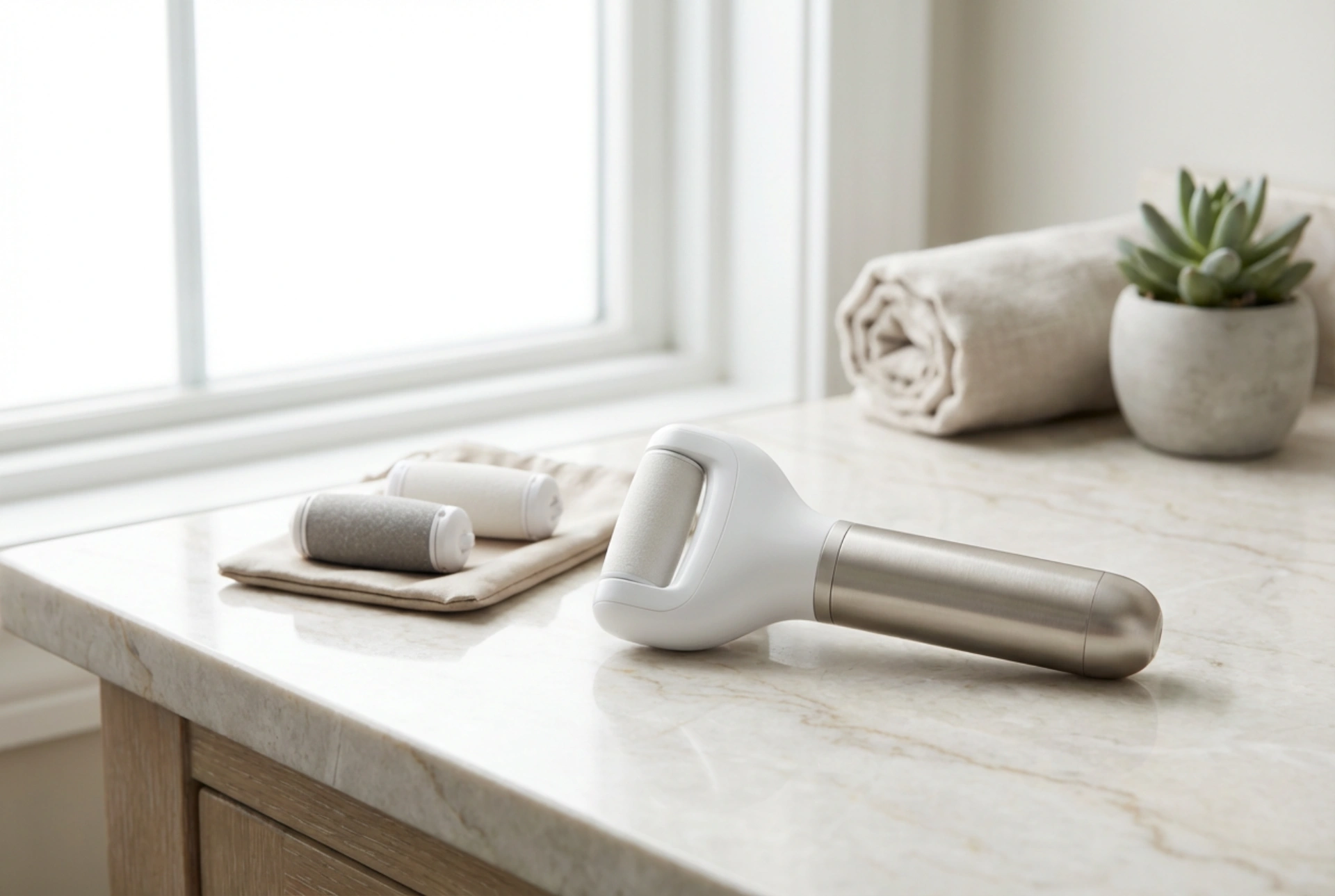
Before you begin, it is important to familiarise yourself with your device. Most electric foot files consist of a main handheld body and interchangeable rotating heads, often called rollers or discs. These heads are coated with an abrasive material, similar to a traditional foot file, but come in different levels of coarseness.
- Coarse Heads: These are designed for tackling thicker, more stubborn areas of hard skin and calluses.
- Fine Heads: These are ideal for smoothing the skin after using a coarse head, for more sensitive areas, or for regular, light maintenance.
Many models also feature variable speed settings. Lower speeds offer more control and are suitable for sensitive skin or delicate areas, while higher speeds provide more power for quickly reducing significant calluses. Always start with the lowest setting until you are comfortable with the tool's operation.
Preparation for Safe and Effective Use
Proper preparation is crucial for both safety and achieving the best possible outcome. Unlike manual files that can be used on wet skin, electric foot files are almost always designed to be used on clean, completely dry feet. Filing on dry skin allows the device to remove the dead skin more effectively and reduces the risk of removing too much skin or causing irritation.
Follow these simple preparation steps:
- Wash your feet thoroughly with a gentle soap and water.
- Dry your feet completely with a towel, paying special attention to the areas between your toes and around your heels.
- Ensure there are no lotions, oils, or creams on your skin before you start, as this can clog the roller head and reduce its effectiveness.
The Correct Technique for Smooth Results
Using the right technique will prevent skin irritation and give you that polished, professional finish. The golden rule is to be gentle and let the tool do the work.
Choosing the Right Attachment and Speed
Begin by selecting the appropriate head for your needs. If you have very thick calluses, start with a coarse roller on a low speed setting. If you are just performing light maintenance or have sensitive skin, a fine roller may be all you need. You can always switch to a coarser head or higher speed if necessary, but starting slow and gentle is the safest approach.
Mastering Movement and Pressure
Turn the device on and gently glide the roller head over the hard skin. Here are key points to remember:
- Apply light pressure: Do not press down hard. The rotation of the file is what removes the skin, not the pressure you apply. Pressing too hard can stop the roller or, worse, remove too much skin and cause soreness.
- Keep it moving: Never hold the file in one spot for more than a few seconds. Use a continuous, gentle back-and-forth or circular motion over the targeted area.
- Work in short sessions: Address the hard skin in short bursts of a few minutes per area. It is better to remove a little bit of skin over several sessions than to try and remove everything at once, which can lead to over-filing and sensitivity.
Focus on Problem Areas
Concentrate the filing on areas where calluses typically form, such as the heels, the balls of the feet, and the outer edge of the big toe. Avoid using the file on the soft, delicate skin on the top of your feet or around your ankles.
Aftercare and Device Maintenance
What you do after filing is just as important as the filing process itself. Proper aftercare soothes the skin, while good device maintenance ensures your tool remains hygienic and effective for future use.
Nourishing Your Feet
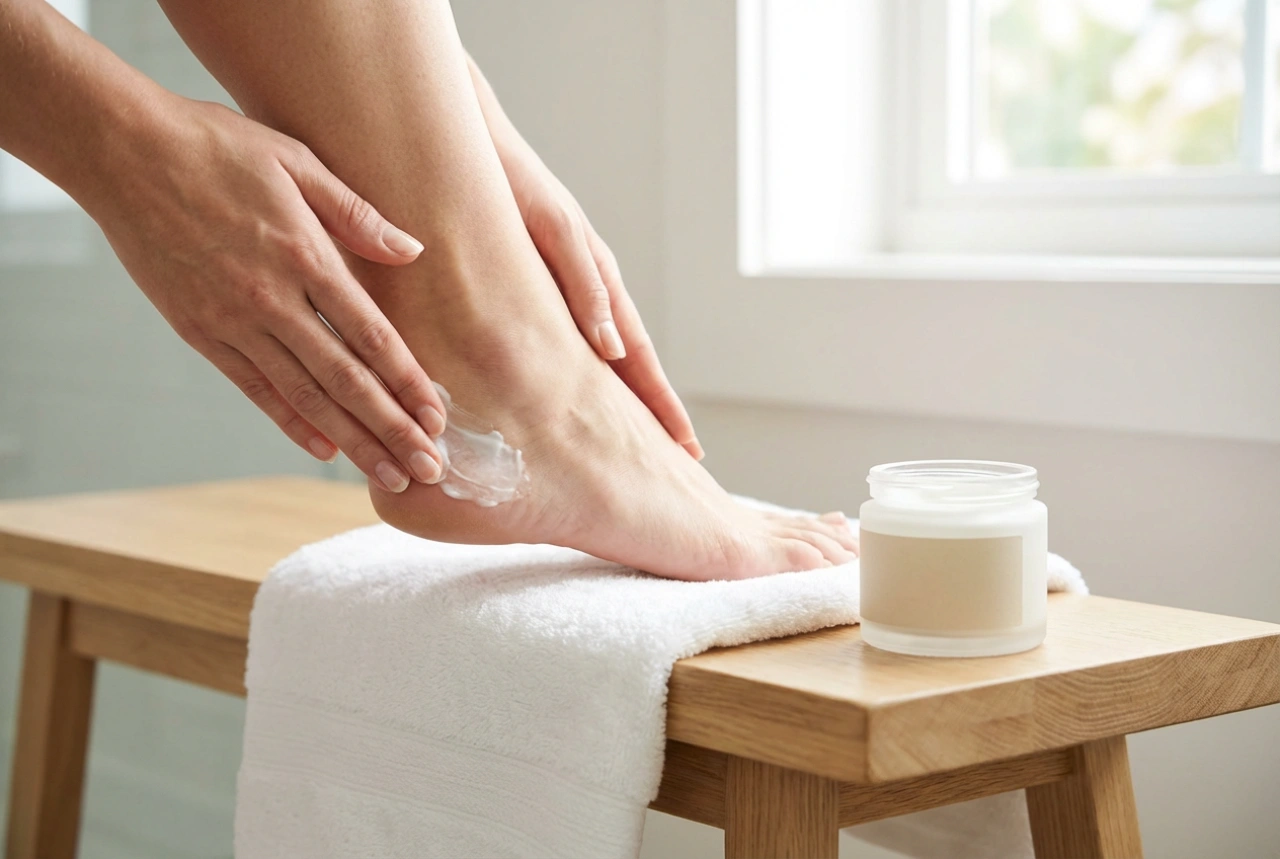
Once you are satisfied with the smoothness of your skin, turn off the device. Rinse your feet with cool water to wash away any dead skin dust. Pat them dry gently and immediately apply a generous amount of a rich, hydrating foot cream or balm. This will help to lock in moisture, soothe the newly exposed skin, and keep your feet feeling soft for longer. For an intensive treatment, apply cream at night and wear cotton socks to bed.
Keeping Your Tool Clean
Hygiene is paramount. After each use, detach the roller head from the device. Most heads can be rinsed under running water. You can use a small, soft brush to gently scrub away any remaining skin particles. Allow the head to air dry completely before reattaching it or storing it. Wipe the body of the device with a clean, dry or slightly damp cloth. Storing your file and its attachments in a clean, dry place will prolong their lifespan and ensure they are ready for your next home pedicure session.