

Regular household cleaning, while essential for a tidy home, can take a toll on the skin of our hands. Constant exposure to water, detergents, and other cleaning agents can strip the skin of its natural protective oils, leading to dryness, tightness, and a rough texture. Fortunately, with a consistent care routine, you can quickly restore comfort and softness to your hands. This guide will walk you through the steps to effectively regenerate your skin after cleaning.
Immediate Care After Finishing Chores
The first step towards regeneration begins the moment you put away your cleaning supplies. It's crucial to remove any residue of cleaning products from your skin, as they can continue to cause irritation long after you've finished. Start by washing your hands thoroughly with lukewarm water and a mild, moisturising soap. Avoid hot water, as it can further dry out the skin. Instead of rubbing your hands vigorously with a towel, gently pat them dry with a soft, clean cloth. This prevents unnecessary friction and irritation on already sensitised skin. This simple act of gentle washing and drying prepares your hands for the essential moisturising steps that follow.
The Importance of Consistent Moisturing
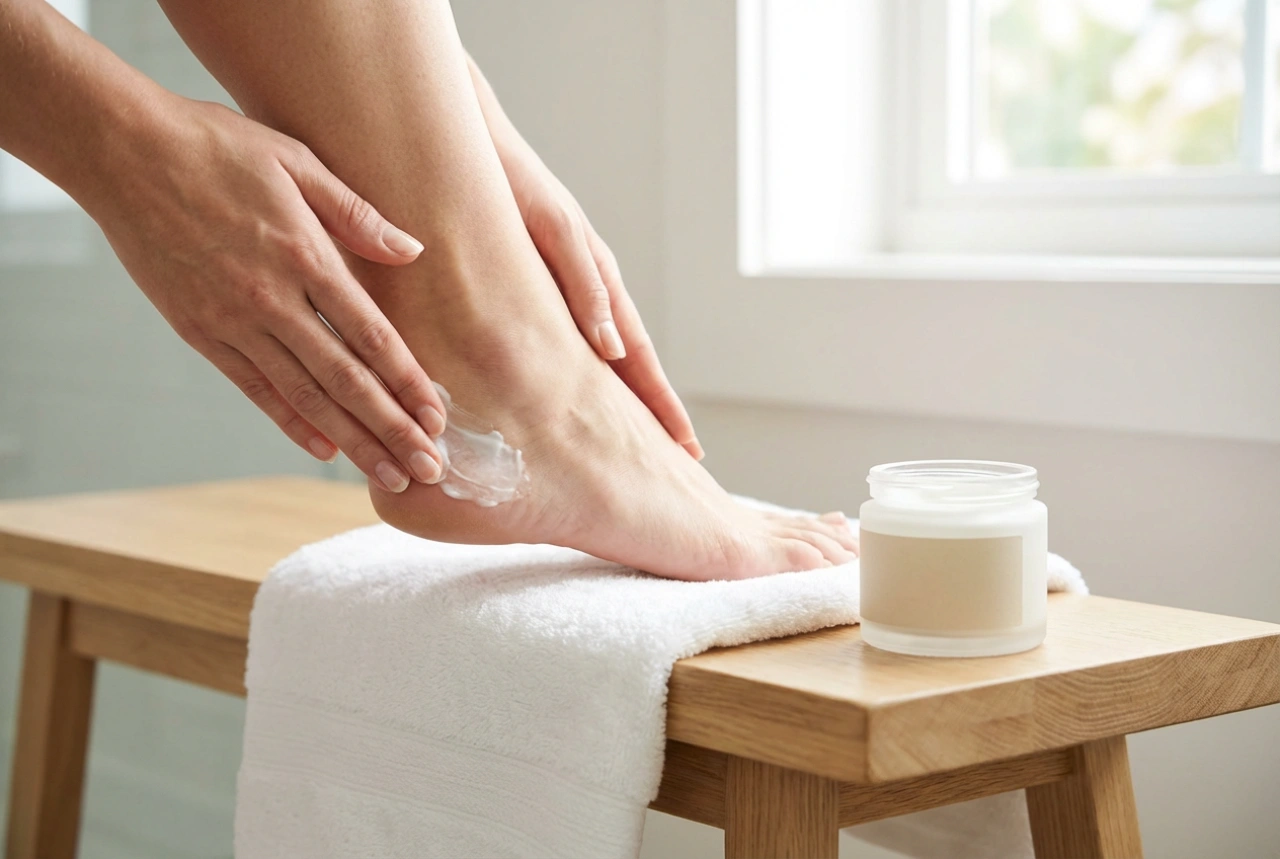
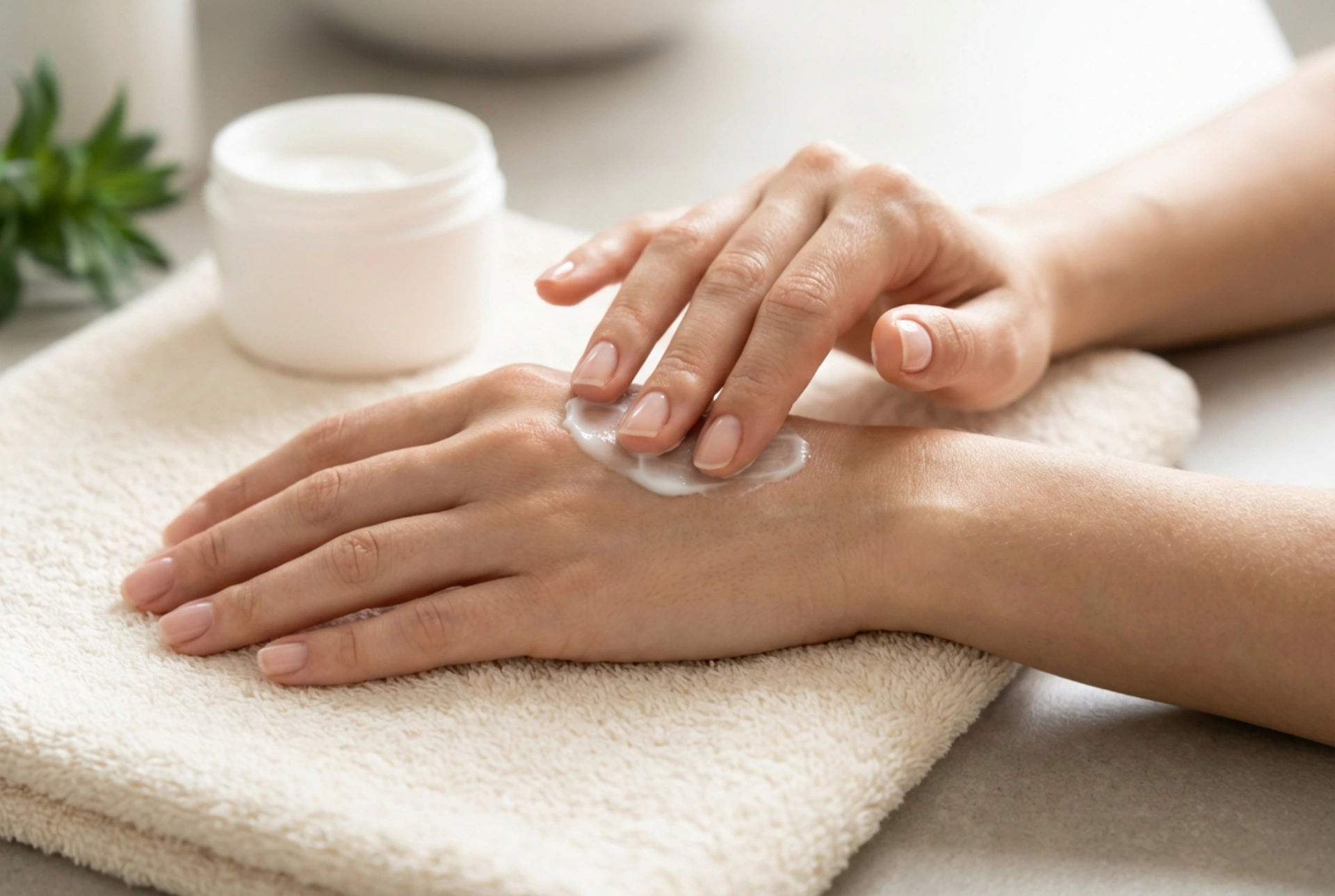
Once your hands are clean and dry, it's time to replenish the lost moisture. This is the most critical part of any hand care routine. Choose a high-quality hand cream and apply it generously, making sure to massage it into your palms, the backs of your hands, your fingers, and your cuticles.
What to Look for in a Hand Cream
For effective regeneration, look for creams containing ingredients known for their hydrating and barrier-restoring properties. These include:
- Humectants: Ingredients like glycerin and hyaluronic acid attract water to the skin, providing an instant hydration boost.
- Emollients: Ingredients such as shea butter, cocoa butter, and various plant oils (like jojoba or almond oil) help to soften and smooth the skin's surface.
- Occlusives: These form a protective barrier on the skin to prevent moisture loss. Examples include petrolatum, lanolin, and beeswax.
- Barrier-repairing ingredients: Ceramides and niacinamide help to restore the skin's natural protective barrier, making it more resilient against future damage.
Apply your hand cream not only after cleaning but multiple times throughout the day, especially after washing your hands, to maintain a constant level of hydration.
Intensive Overnight Regeneration Treatment
For hands that are particularly dry and chapped, a more intensive treatment can work wonders while you sleep. Your skin's natural repair processes are most active at night, making it the perfect time for deep regeneration. Before bed, apply a thick, generous layer of a rich, nourishing hand cream or a dedicated hand ointment. Don't worry about it feeling greasy, as the goal is to create a nourishing cocoon for your skin. For an enhanced effect, wear a pair of soft cotton gloves after applying the cream. The gloves help to lock in the moisture and warmth, allowing the product to penetrate more deeply into the skin. You will wake up with noticeably softer, smoother, and more comfortable hands.
Preventative Measures for Healthy Hands
While regenerating dry hands is effective, prevention is always the best strategy. Protecting your hands from harsh chemicals and excessive water exposure in the first place will significantly reduce dryness and irritation. The most effective preventative measure is to wear waterproof rubber or nitrile gloves every time you clean, wash dishes, or perform any wet household tasks. If you have sensitive skin, you can wear a pair of thin cotton liners under the rubber gloves for extra comfort and to absorb sweat. Additionally, try to choose cleaning products with milder formulas where possible, and always remember to moisturise your hands regularly, even when they don't feel particularly dry. This consistent care builds your skin's resilience over time.