

Caring for our most delicate areas is a cornerstone of personal wellness, yet it's a topic often surrounded by uncertainty. Achieving daily comfort and freshness doesn't require complex routines or harsh products. In fact, the opposite is often true. The key to successful intimate hygiene lies in understanding the unique needs of this sensitive area and adopting a gentle, mindful approach. A focus on maintaining its natural balance is far more beneficial than intensive cleaning, ensuring you feel comfortable and confident every day.
Understanding the Basics of Intimate Care
The intimate area maintains its own delicate ecosystem with a naturally acidic pH. This acidity creates a protective barrier that helps to keep the local microflora in balance and prevent discomfort. When this balance is disrupted, it can lead to feelings of irritation and dryness. Many common hygiene products, like standard soaps and shower gels, are alkaline and can interfere with this natural acidity. Therefore, the primary goal of intimate hygiene is not to sterilise the area, but to gently cleanse while respecting and preserving its natural protective environment.
The Golden Rules of Gentle Cleansing
A simple and consistent routine is your best ally for maintaining intimate health. Over-complicating things can often do more harm than good. Follow these fundamental principles for effective and safe cleansing.
Choosing the Right Cleansing Method
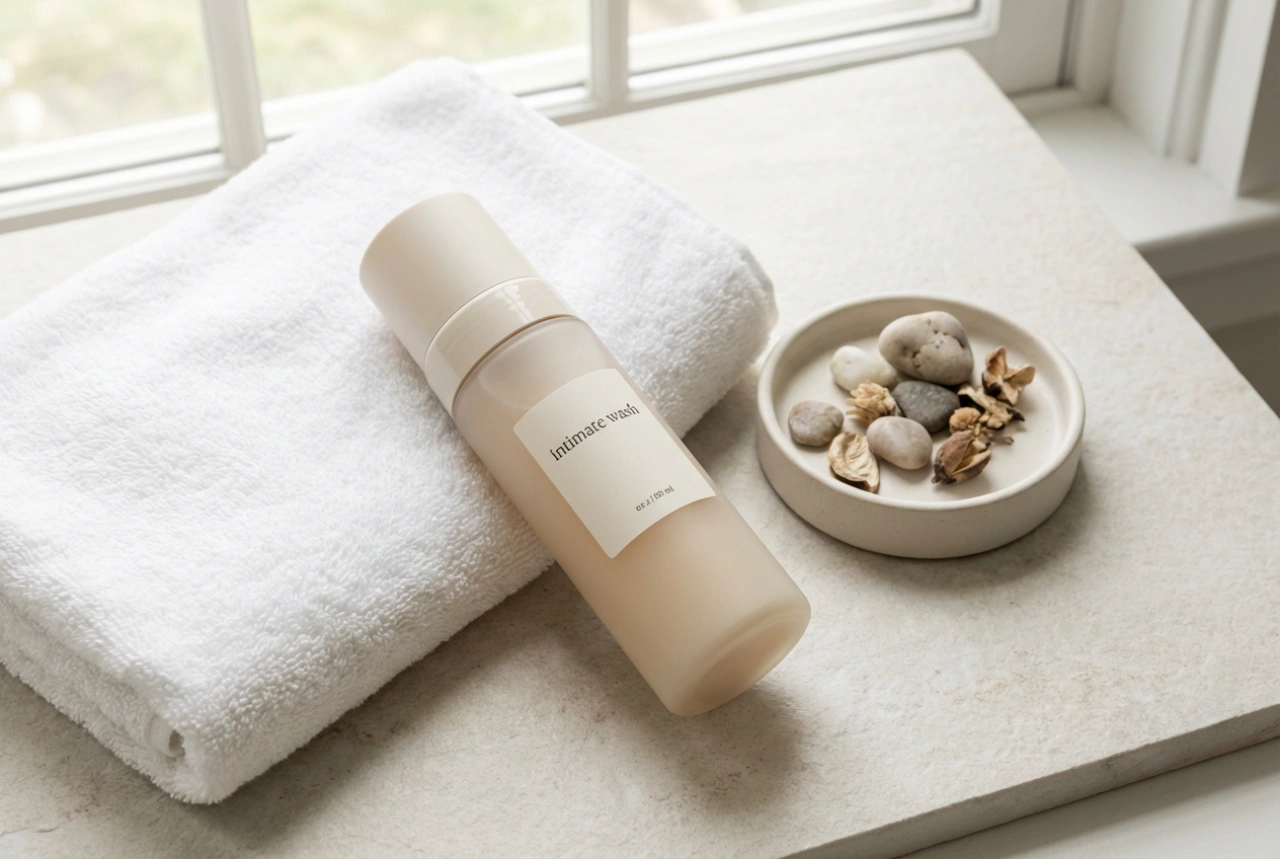
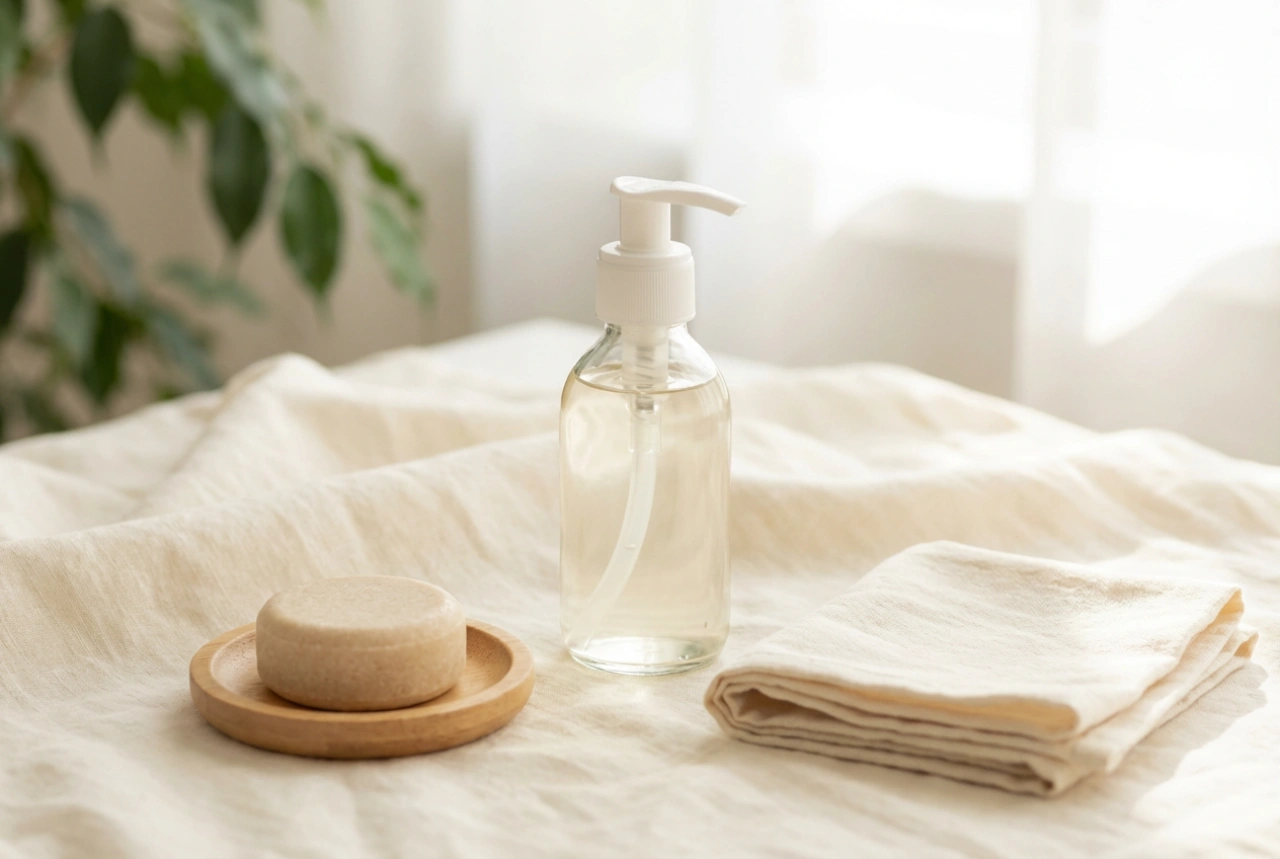
For most people, cleansing the external intimate area (the vulva) once a day with warm water is perfectly sufficient. Water is neutral and non-irritating, making it the safest option. If you prefer to use a product, it's crucial to choose one specifically designed for intimate use. Look for a wash that is:
- pH-balanced: It should match the natural acidic pH of the intimate area.
- Soap-free: Soaps can be drying and strip away natural protective oils.
- Fragrance-free and dye-free: Perfumes and colourants are common causes of sensitivity and allergic reactions.
Always apply any cleansing product with your hand, as washcloths, sponges, or loofahs can be too abrasive for this delicate skin and may harbour unwanted microorganisms.
The Correct Technique
How you wash is just as important as what you use. Always follow these steps to prevent irritation and the transfer of microorganisms:
- External only: The vagina is self-cleaning, so you only need to wash the external parts. Douching or internal washing is unnecessary and can disrupt the delicate internal balance.
- Front to back: Always wash and wipe from the front towards the back. This simple habit helps prevent the transfer of organisms from the anal area to the urethra and vagina.
- Rinse thoroughly: Make sure to rinse away all traces of any cleansing product to prevent residue from causing irritation.
- Pat dry gently: After washing, gently pat the area dry with a soft, clean towel. Avoid vigorous rubbing, which can chafe the sensitive skin.
Daily Habits for Lasting Comfort
Beyond cleansing, your everyday choices play a significant role in intimate comfort. Small adjustments to your daily routine can make a big difference.
- Wear breathable underwear: Natural fabrics like cotton allow air to circulate, which helps to keep the area dry and cool. Synthetic fabrics can trap heat and moisture, creating an environment where discomfort is more likely to arise.
- Avoid overly tight clothing: Very tight trousers, leggings, or shapewear can restrict airflow and increase friction, potentially leading to irritation. Opt for looser-fitting clothing when possible.
- Change damp clothes promptly: Don't sit around in wet swimwear or sweaty gym clothes. Change into dry clothing as soon as you can to keep the area dry and comfortable.
- Be mindful of laundry detergents: Use a mild, hypoallergenic detergent for your underwear and ensure they are thoroughly rinsed to remove any potentially irritating residues.
Common Intimate Hygiene Mistakes to Avoid
Sometimes, in our effort to be clean, we can inadvertently cause problems. Being aware of these common mistakes can help you protect your intimate health.
- Over-washing: Washing more than once or twice a day can strip the skin of its natural protective barrier, leading to dryness and irritation.
- Using scented products: Avoid scented pads, tampons, intimate sprays, and perfumed wipes. The chemicals used for fragrance are a frequent source of irritation and can disrupt the natural pH.
- Ignoring your body's signals: Pay attention to how your body feels. If you notice persistent itching, unusual discharge, or discomfort, it is not something to be ignored. While good hygiene is a great preventative measure, these symptoms warrant attention.
- Using regular body products: Do not use regular shower gel, bubble bath, or soap in the intimate area. Their composition is generally too harsh for the sensitive skin and delicate pH balance found there.
Ultimately, intimate hygiene is about gentle, supportive care rather than aggressive cleaning. By understanding the needs of this delicate area and adopting a simple, consistent routine, you can easily maintain comfort, freshness, and confidence as part of your overall well-being.