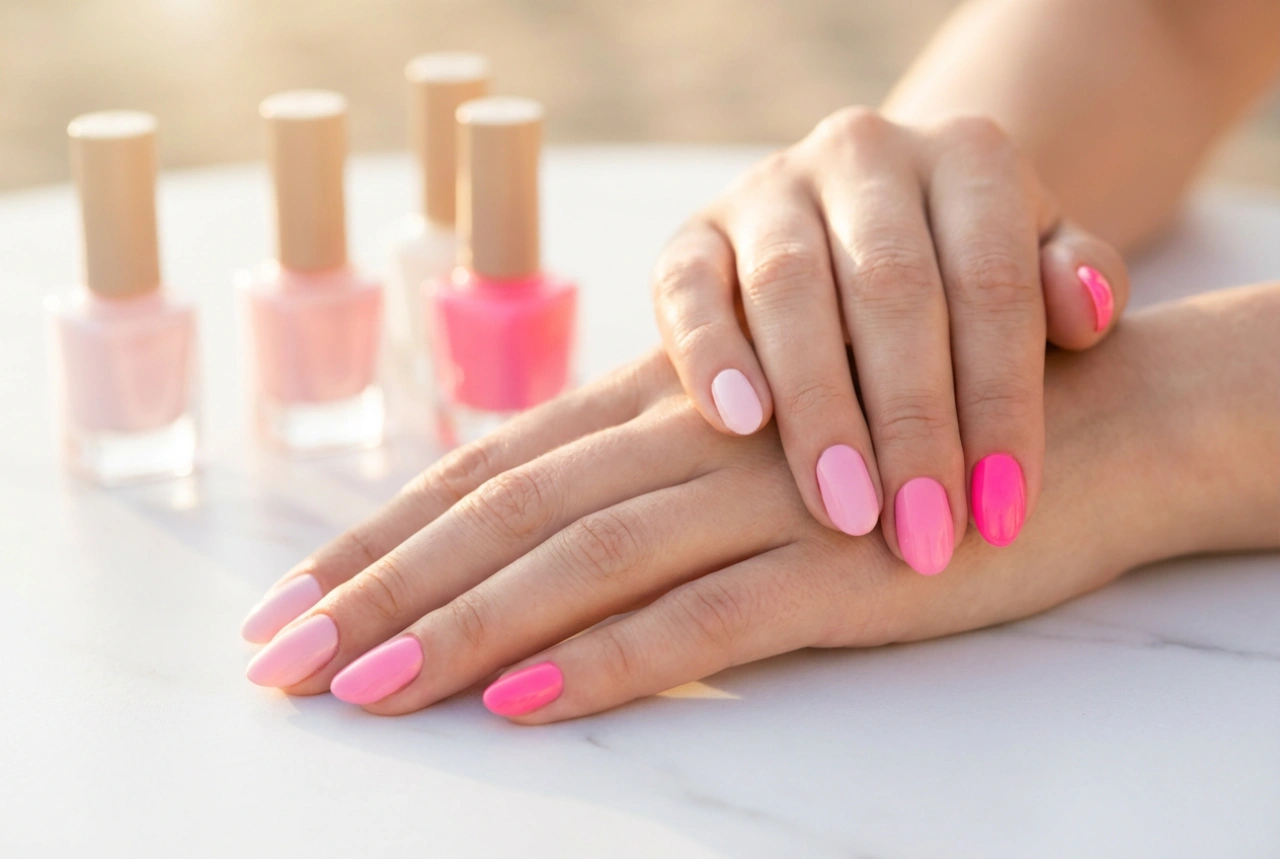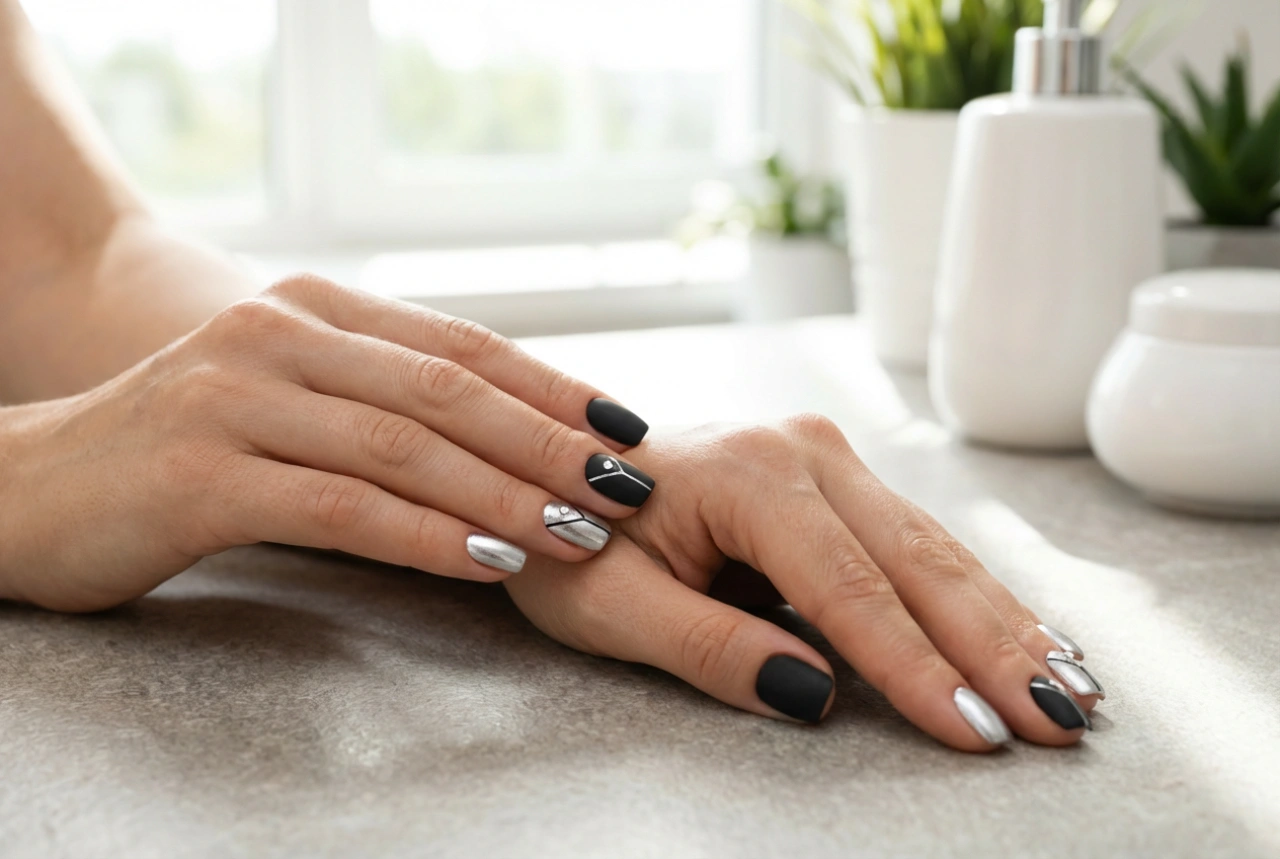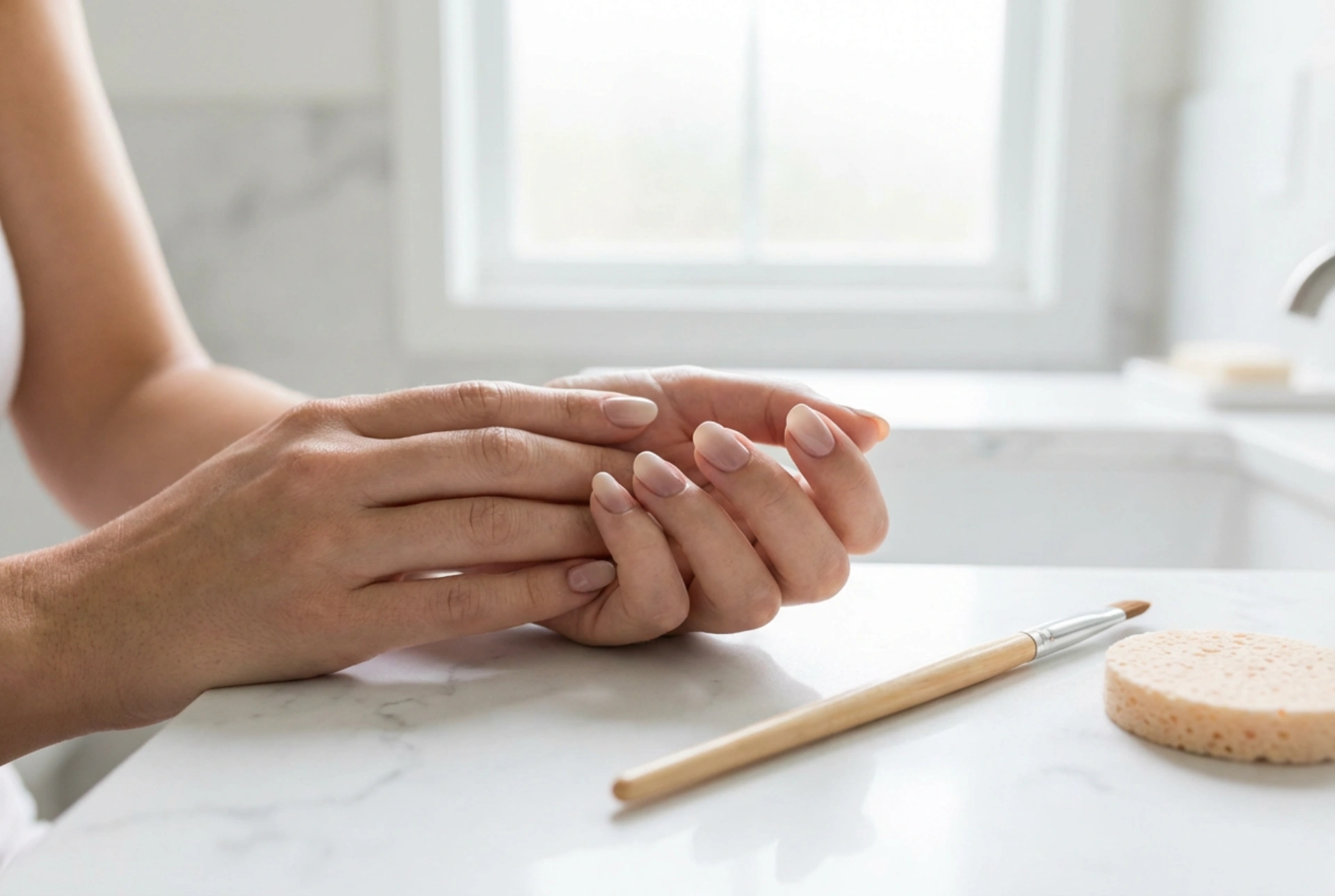


A two-tone manicure is a fantastic way to express your creativity and add a sophisticated touch to your look without needing a vast collection of polishes. Combining just two complementary or contrasting shades can create stunning effects, from sharp geometric patterns to soft, blended gradients. The best part is that you can achieve these professional-looking results at home using simple tools like tape, a fine brush, or a small sponge. Let's explore the techniques that will transform your nails into a canvas for beautiful colour combinations.
Preparation: The Foundation for a Perfect Manicure
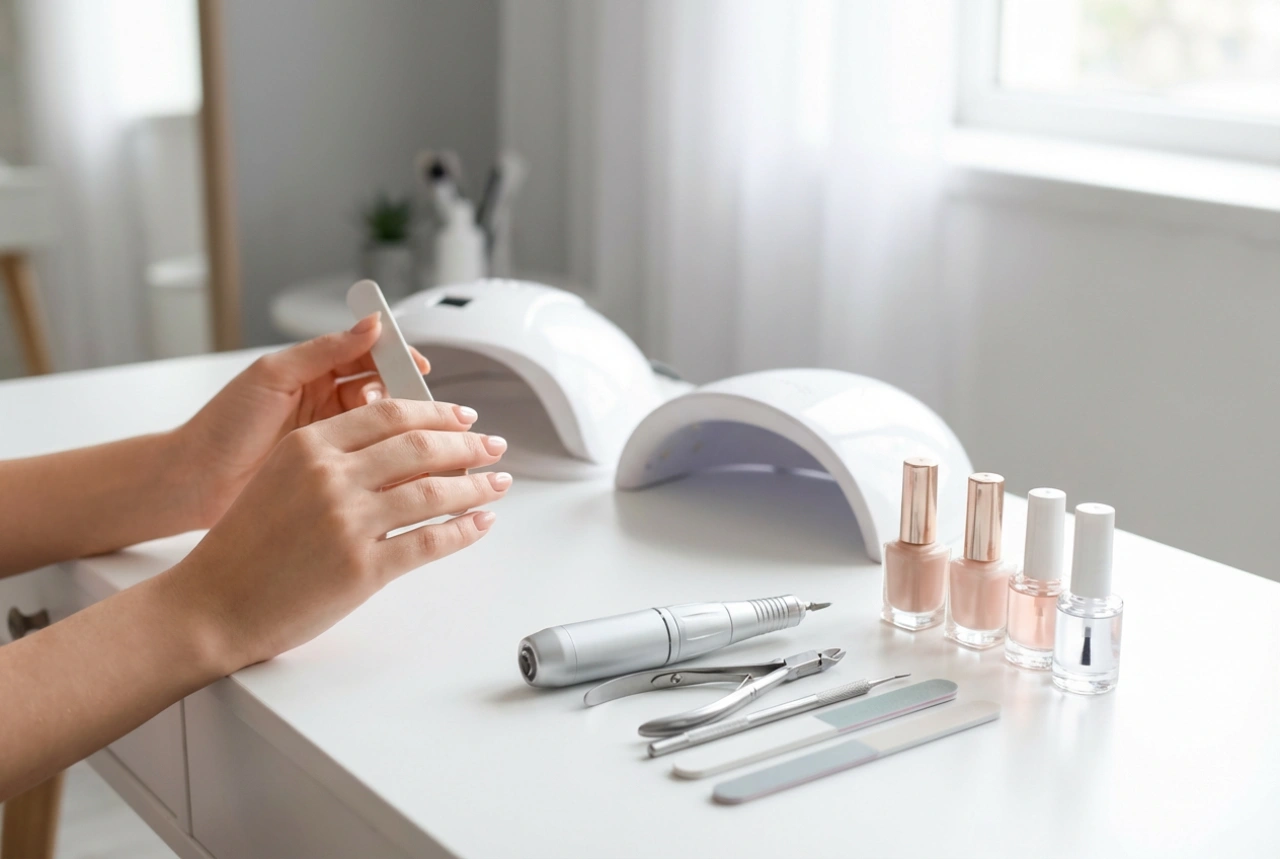
Before you begin combining colours, proper preparation is essential for a long-lasting and flawless finish. A clean and smooth base ensures that your design looks its best.
- Start by cleaning your nails and removing any old polish.
- Gently push back your cuticles and shape your nails with a file to your desired length and form.
- Wipe your nails with a nail polish remover to eliminate any natural oils, which helps the polish adhere better.
- Apply a thin layer of a quality base coat. This protects your natural nails from staining and provides a smooth surface for the colour.
- Once the base coat is completely dry, apply one or two coats of your chosen base colour. Let it dry thoroughly before moving on to the next step. Patience is key here; a tacky base will ruin your design.
Technique 1: Sharp Lines and Shapes with Tape
Using tape is one of the easiest ways to create clean, sharp lines and geometric designs. You can use special nail art striping tape or simply cut thin strips from regular household tape.
How to Create a Tape Design:
- Ensure your base colour is 100% dry. This is the most crucial step to prevent the polish from peeling off with the tape.
- Place the strips of tape on your nail to create your desired pattern. Think diagonals, chevrons, half-moons, or simple stripes. Press the edges of the tape down firmly to prevent the second colour from bleeding underneath.
- Paint your second colour over the tape and the exposed part of the nail. You can apply it to the entire nail or just a section.
- The timing for removal is important. Carefully and slowly peel off the tape while the second layer of polish is still wet. If you wait for it to dry, it may crack or lift off with the tape.
- Once the design is dry, seal it with a clear top coat to add shine and protection.
Technique 2: Artistic Freedom with a Fine Brush
If you feel more artistic, a fine-tipped nail art brush gives you the freedom to create freehand designs. This method is perfect for delicate lines, dots, swirls, or colour-blocking without the straight edges of tape.
Tips for Brushwork:
- After your base colour has dried, pour a small drop of your second nail polish colour onto a non-porous surface like a piece of foil or a plastic palette.
- Dip the very tip of your fine brush into the polish. It's better to start with less polish and add more as needed.
- With a steady hand, paint your design onto the nail. You can create parallel lines next to each other, a delicate French tip in a contrasting colour, or small polka dots.
- Clean your brush with nail polish remover between colours or after you've finished to keep the bristles in good condition.
- Allow your intricate design to dry completely before applying a top coat to avoid smudging your work.
Technique 3: Soft Gradients with a Sponge
The sponge method is ideal for creating a beautiful ombré or gradient effect where two colours blend seamlessly into one another. A disposable makeup sponge works perfectly for this technique.
Creating a Gradient Effect:
- Prepare your nails with a base coat and your lightest chosen colour. Let it dry completely.
- To make clean-up easier, apply a liquid latex barrier or petroleum jelly to the skin around your nail.
- On a flat, non-porous surface, paint two stripes of your chosen colours right next to each other, slightly overlapping them in the middle.
- Take your makeup sponge and gently dab it onto the polish a few times to pick up the colours and help them blend.
- Lightly dab the sponge onto your nail. You may need to do this two or three times to build up the opacity and intensity of the gradient.
- While the polish is still wet, remove the protective barrier from around your nail.
- Use a small brush dipped in nail polish remover to clean up any polish that got onto your skin.
- Finish with a generous layer of a glossy top coat, which helps to further blend the colours and smooth out the texture left by the sponge.