

Achieving a flawless, long-lasting manicure at home has become more accessible than ever, thanks to a range of specialised devices. From curing lamps to electric files, these tools can elevate your nail care routine, providing results that rival a professional salon. However, understanding what each device does, what features to look for, and how to use them safely is crucial for protecting your nails and achieving the best outcome. This guide will walk you through the essential equipment for home nail care.
Essential Devices for Home Manicures
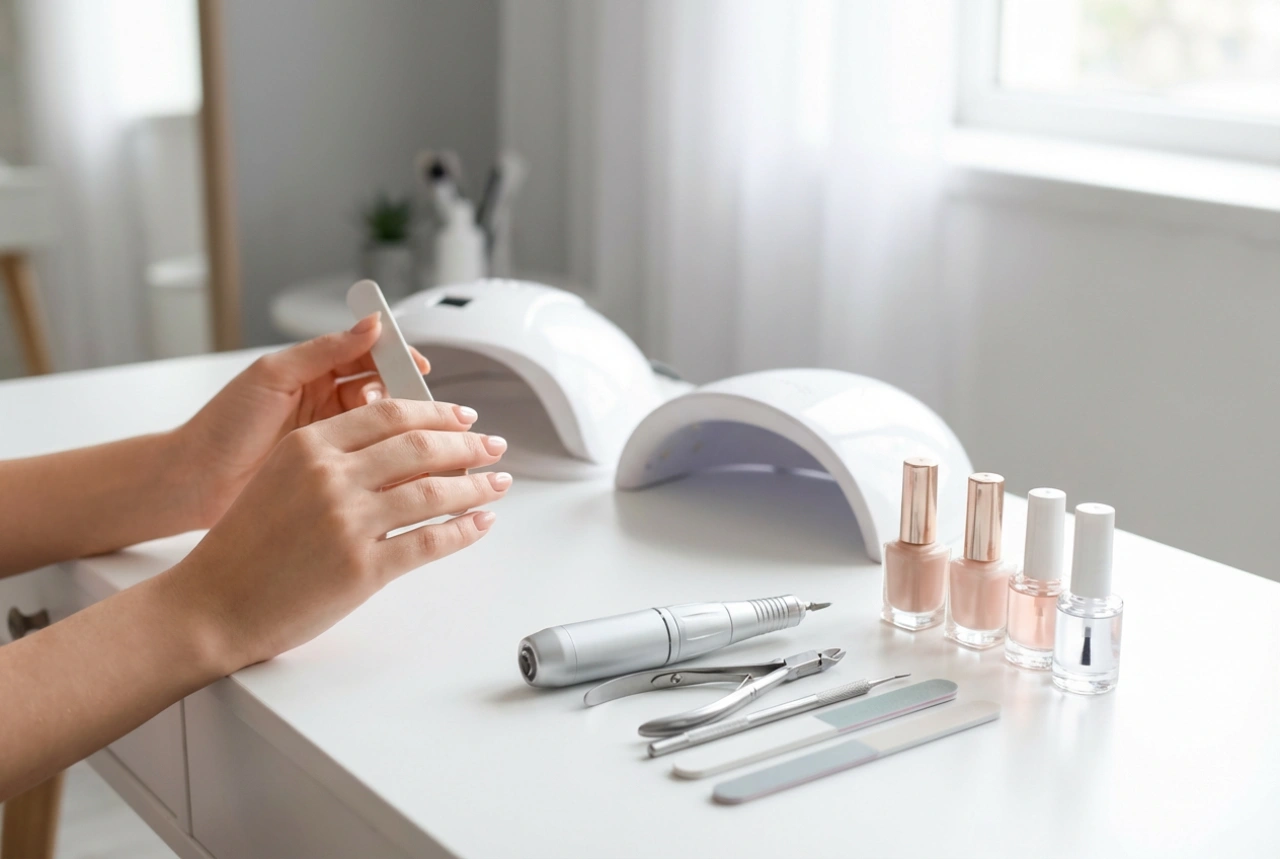
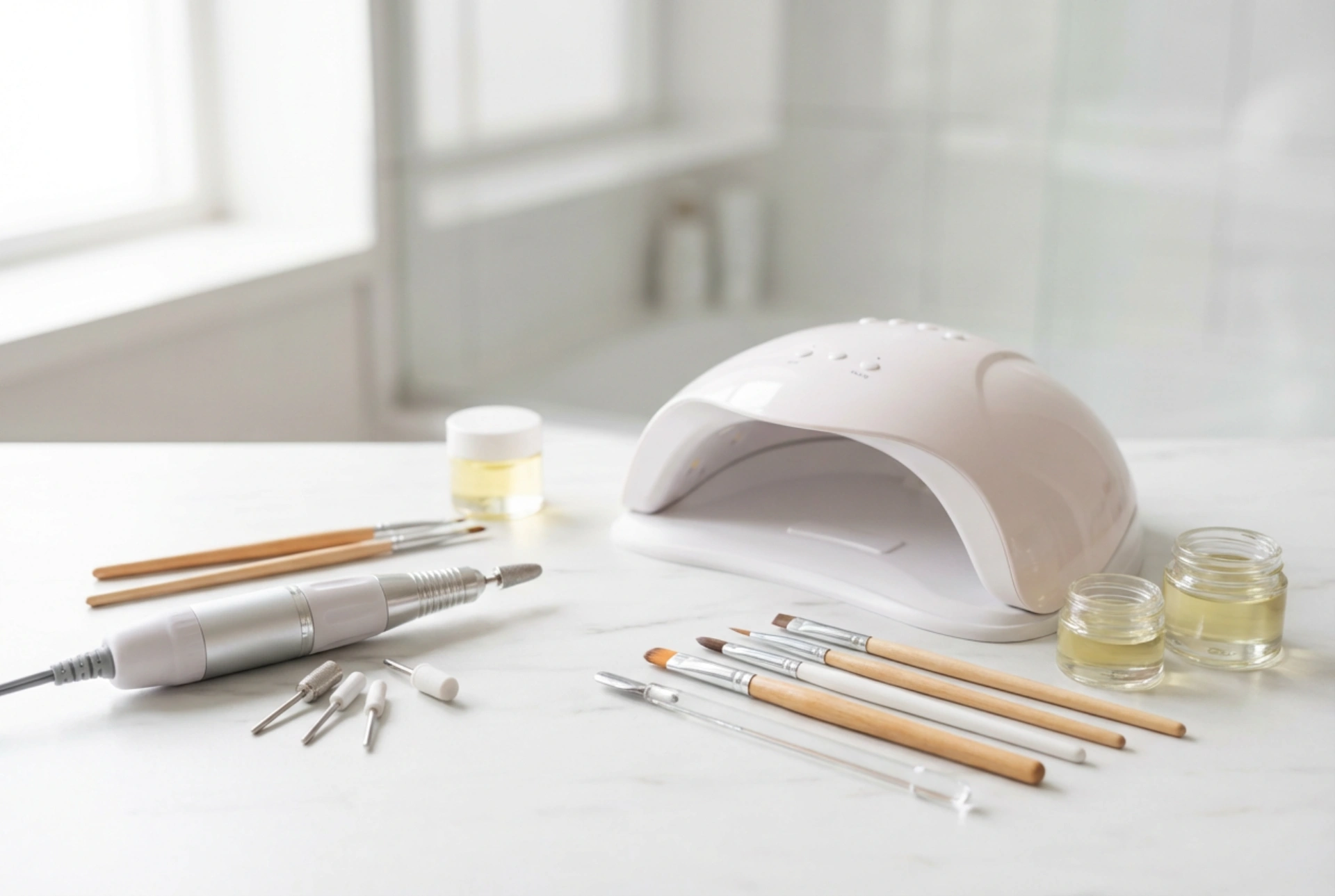
Building a home nail kit starts with a few key pieces of equipment. While manual files and buffers are fundamental, certain electronic devices can significantly speed up the process and improve the quality of your work, especially when using gel polishes or nail enhancements.
UV/LED Lamps
A curing lamp is non-negotiable for anyone using gel polishes. These devices emit light that hardens or 'cures' the gel, turning it from a liquid into a durable, glossy finish in seconds. The main types are:
- UV (Ultraviolet) Lamps: The traditional option, these lamps use fluorescent-style bulbs to cure gels. They are effective but may take longer to cure (typically 2 minutes per coat) and the bulbs need replacing over time.
- LED (Light Emitting Diode) Lamps: A more modern technology, LED lamps cure compatible gels much faster (usually 30-60 seconds). The diodes have a much longer lifespan and do not need to be replaced.
- Hybrid Lamps: Many lamps on the market today combine both UV and LED technology, offering the versatility to cure a wider range of gel products efficiently.
When choosing a lamp, consider its power (wattage), size (enough for one whole hand), and whether it has useful features like preset timers and a low-heat mode for sensitive nails.
Electric Nail Files
Often called a nail drill or e-file, this tool is a motorised file that can be used for shaping nails, refining enhancements, removing old product, and performing detailed cuticle work. They come with interchangeable tips, known as 'bits', each designed for a specific purpose. For home use, a portable, rechargeable model with adjustable speed settings is ideal. It allows for greater control and is much gentler and more efficient than manual filing, especially for removing tough gel polish or acrylics.
Understanding Key Parameters
To choose the right equipment, it's helpful to understand a few technical specifications. These parameters directly impact the device's performance and suitability for your needs.
Lamp Power and Timers
The power of a nail lamp is measured in watts (W). Higher wattage generally means faster curing times. For home use, a lamp between 36W and 72W is typically sufficient. Look for lamps with multiple timer settings (e.g., 30s, 60s, 90s) and an automatic sensor that turns the light on when you insert your hand. A 'low heat' or 'gentle cure' setting can also be beneficial, as it gradually increases the power to reduce the heat spike some people feel with certain builder gels.
Electric File Speed (RPM)
The speed of an electric file is measured in Rotations Per Minute (RPM). For natural nails and gentle cuticle work, a lower speed of up to 15,000 RPM is recommended. For removing gel polish or working on enhancements, speeds up to 25,000 RPM may be necessary. High-end professional models can go higher, but for at-home use, a device with a maximum of 20,000-30,000 RPM is more than adequate. Always start at the lowest speed and increase it gradually as you become more comfortable.
Safe Operation and Maintenance
Proper use and care of your nail equipment are essential for safety and longevity. Always prioritise hygiene and follow the manufacturer's instructions.
General Safety Precautions
- Read the Manual: Before using any new device, thoroughly read the instruction manual to understand its functions and safety warnings.
- Use in a Ventilated Area: Filing nails, especially enhancements, can create a lot of dust. Work in a well-ventilated room or consider using a dust collector to minimise inhalation.
- Protective Gear: Consider wearing a dust mask and safety glasses, particularly when using an electric file at high speeds.
- Avoid Skin Contact: When using an electric file, be careful not to touch the spinning bit to the skin around the nail. With lamps, ensure uncured gel does not touch your skin.
- Start Slow: If you are new to electric files, practice on a swatch stick or a nail tip before using it on your own nails. Always use the lowest speed setting until you gain confidence.
Cleaning and Hygiene
Maintaining the cleanliness of your tools is vital to prevent the spread of bacteria. File bits should be cleaned after every use, first by brushing away dust and then by disinfecting them with a suitable solution. The interior and exterior of your lamp should be wiped down with a gentle cleaner to remove any stray gel or dust. Store your equipment in a clean, dry place away from direct sunlight to protect it from damage.