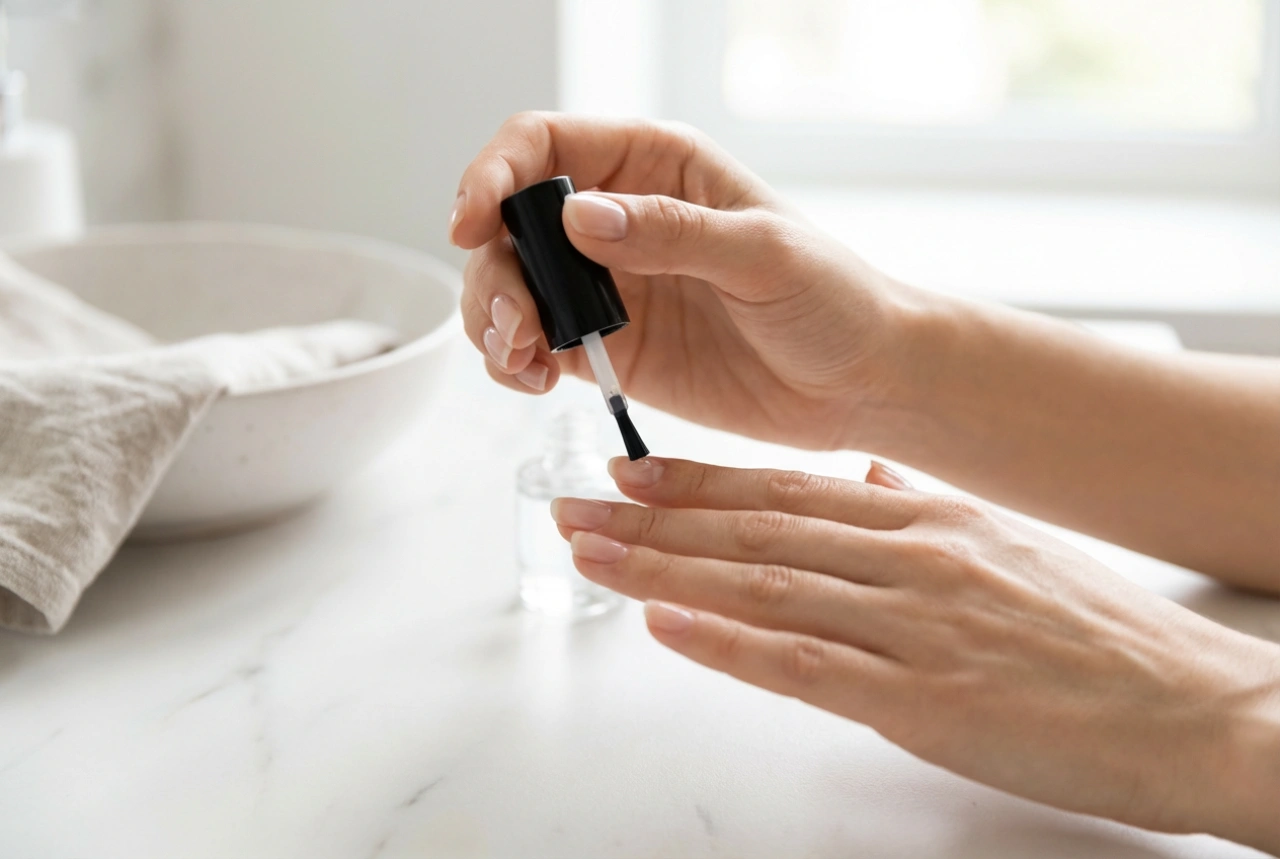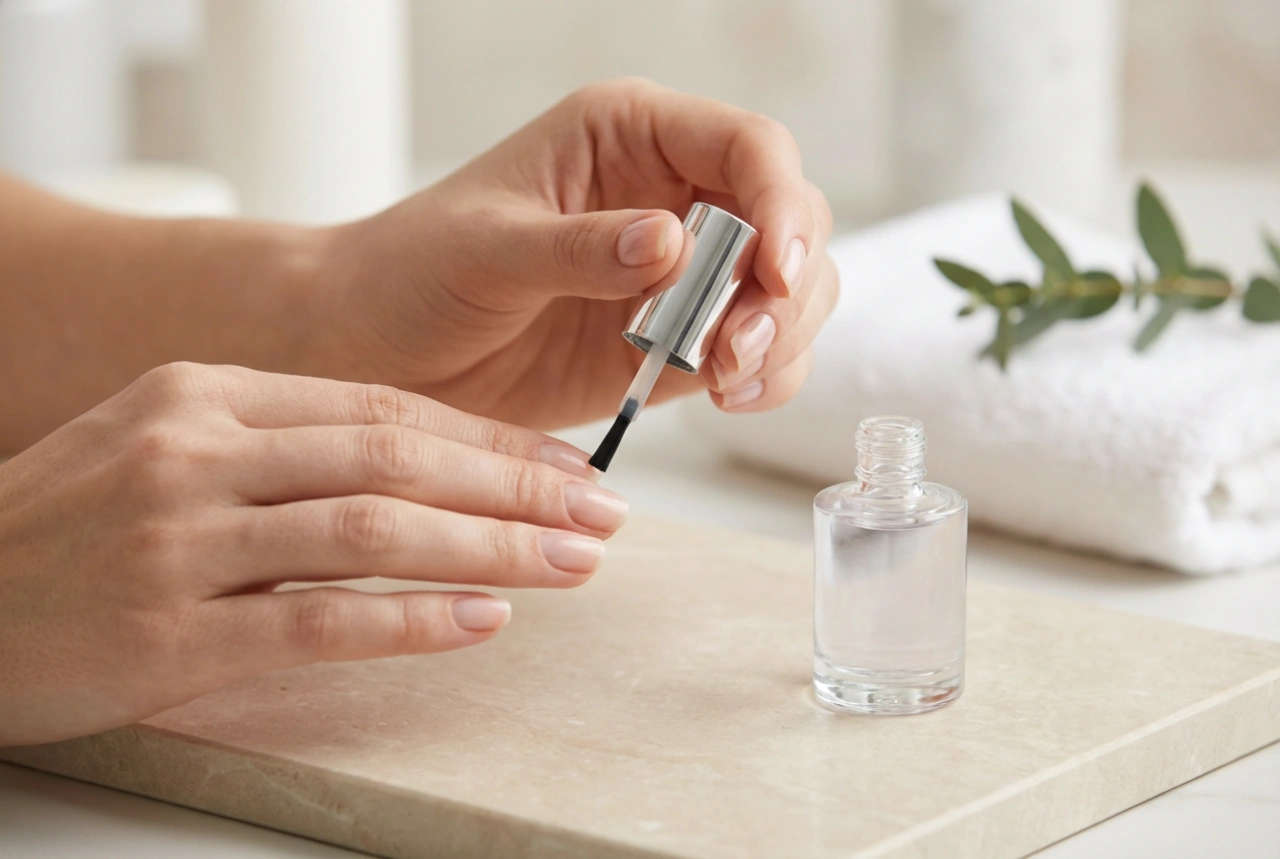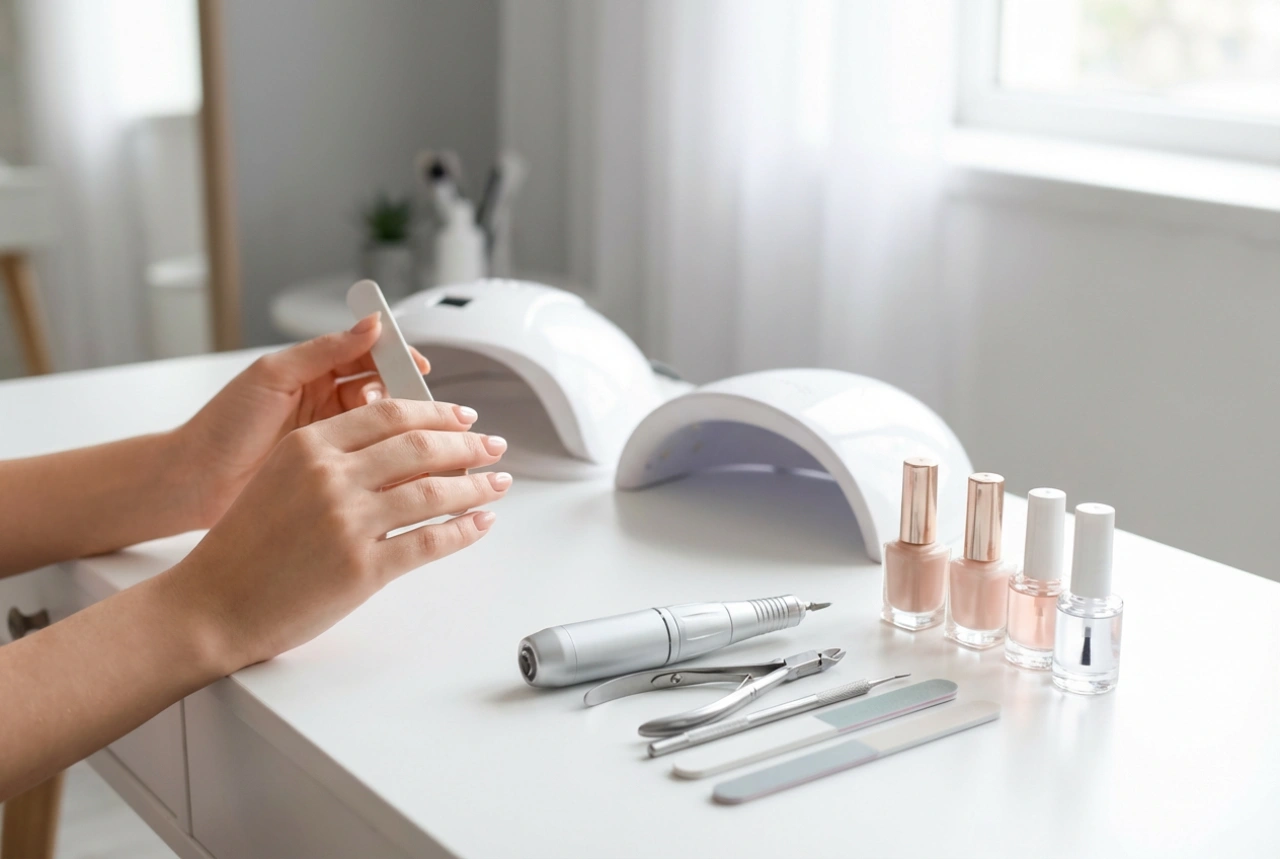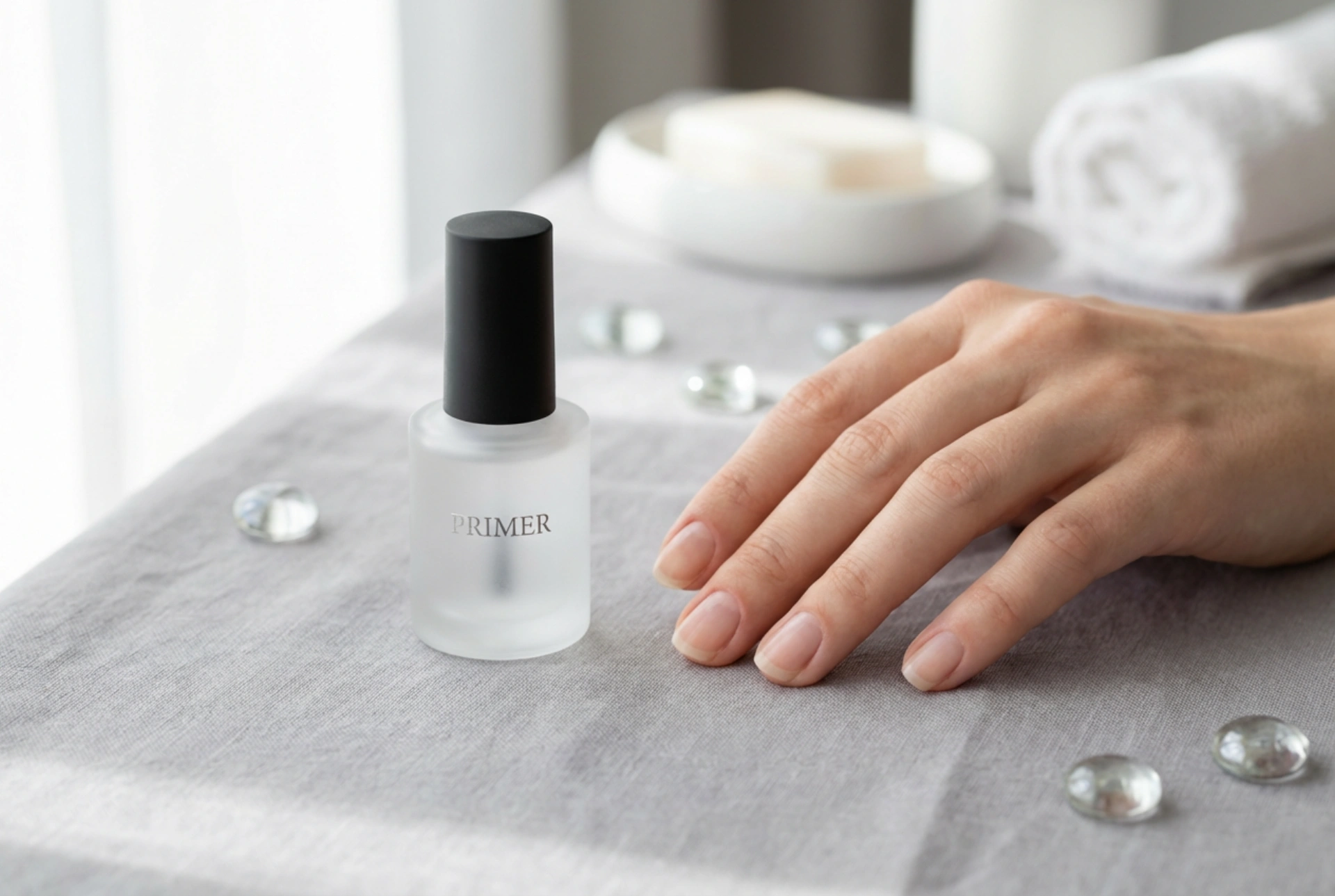


Achieving a professional-looking, durable manicure at home begins long before the first coat of colour is applied. The secret often lies in meticulous preparation, and a key product in this process is a nail primer. Often overlooked by home manicure enthusiasts, this preparatory step is the foundation for adhesion and longevity, ensuring your nail enhancements or polish stay put for as long as possible. Understanding what a primer is and how it works can transform the quality and durability of your manicures.
What Exactly is a Nail Primer?
A nail primer is a liquid applied to the natural nail plate before any other products like base coats, gel polish, or acrylics. Its primary function is to prepare the nail surface by removing any residual oils and moisture. This dehydration process creates an optimal surface that allows the subsequent product to bond more securely to the natural nail. Think of it as preparing a wall before painting; you need a clean, dry, and properly prepared surface for the paint to adhere well and last. A primer does the same for your nails, significantly reducing the risk of lifting, chipping, or peeling.
Primer vs. Base Coat: What's the Difference?
It's a common point of confusion, but primers and base coats serve different purposes. A primer is a dehydrator and bonding agent that prepares the nail itself. A base coat, on the other hand, is the first layer of polish. It creates a protective barrier between the natural nail and the coloured pigment, preventing staining. It also provides a smooth, slightly tacky surface for the colour to grip onto. In a full gel or acrylic system, you would apply a primer first, let it dry, and then apply a base coat before proceeding with colour or building the nail.
The Main Types of Nail Primers
Nail primers generally fall into two categories: acid-based and acid-free. The choice between them depends on the type of manicure you are doing and your nail's specific needs.
Acid-Based Primers
These are the traditional, stronger type of primers. They typically contain methacrylic acid, which works by creating microscopic, porous holes on the surface of the nail plate. This etching process allows the acrylic or gel product to anchor itself deep into the nail for an exceptionally strong bond. Acid-based primers are most often recommended for acrylic applications and for individuals who have very oily nail beds or experience chronic lifting problems. However, they must be used with extreme caution, applied very sparingly, and kept away from the skin as they can be corrosive.
Acid-Free Primers
More modern and much gentler, acid-free primers are the go-to for most users today, especially for gel polish manicures. Instead of etching the nail, they work like double-sided tape. After application, they leave a slightly sticky residue on the nail plate. This residue creates a powerful chemical bond that connects the natural nail to the enhancement product applied on top. They are much less likely to cause irritation to the skin or nail bed, making them a safer choice for general use and for those with sensitive nails.
When is a Nail Primer Necessary?
While not every single manicure requires a primer, it is an essential step in several key situations to ensure a flawless and lasting result.
For Gel and Acrylic Systems
If you are applying gel polish, hard gels, or acrylics, using a primer is non-negotiable. These systems rely on perfect adhesion to the natural nail to prevent lifting and ensure they last for weeks. A primer properly prepares the nail plate to create the strong bond necessary for these durable enhancements.
If You Have Oily Nail Plates
Do your manicures, even those with regular polish, tend to chip or peel within a day or two? You may have naturally oily nail plates. The excess oil prevents products from adhering properly. Using an acid-free primer before your base coat can make a world of difference by temporarily dehydrating the nail and creating a clean slate for your polish.
To Maximise the Life of Any Manicure
Even if you don't have particularly oily nails, using a primer can help extend the life of almost any manicure. By ensuring the nail surface is perfectly prepped, you give your base coat and polish the best possible chance to adhere securely, adding extra days of chip-free wear to your favourite nail colour.
How to Apply Nail Primer Correctly
Proper application is crucial for a primer to work effectively and safely. Always follow the 'less is more' principle.
- Step 1: Prepare the Nail. Start with clean, dry nails. Gently push back your cuticles and lightly buff the entire nail surface with a fine-grit buffer to remove the natural shine. Use a brush or lint-free wipe to remove all dust.
- Step 2: Apply Sparingly. Dip the brush into the primer bottle and wipe almost all of the product off on the inside of the neck. You need only a tiny amount.
- Step 3: Dab, Don't Paint. Lightly dab the primer onto the centre of the nail plate. The product will spread on its own. Avoid flooding the nail and ensure you do not touch the surrounding skin or cuticles.
- Step 4: Air Dry. Let the primer air dry completely. Acid-based primers will dry to a chalky white finish. Acid-free primers will remain slightly shiny and tacky to the touch. Do not touch the nail after the primer has dried.
- Step 5: Proceed with your Manicure. Once the primer is dry, you can continue with your base coat, gel, or acrylic application as planned.