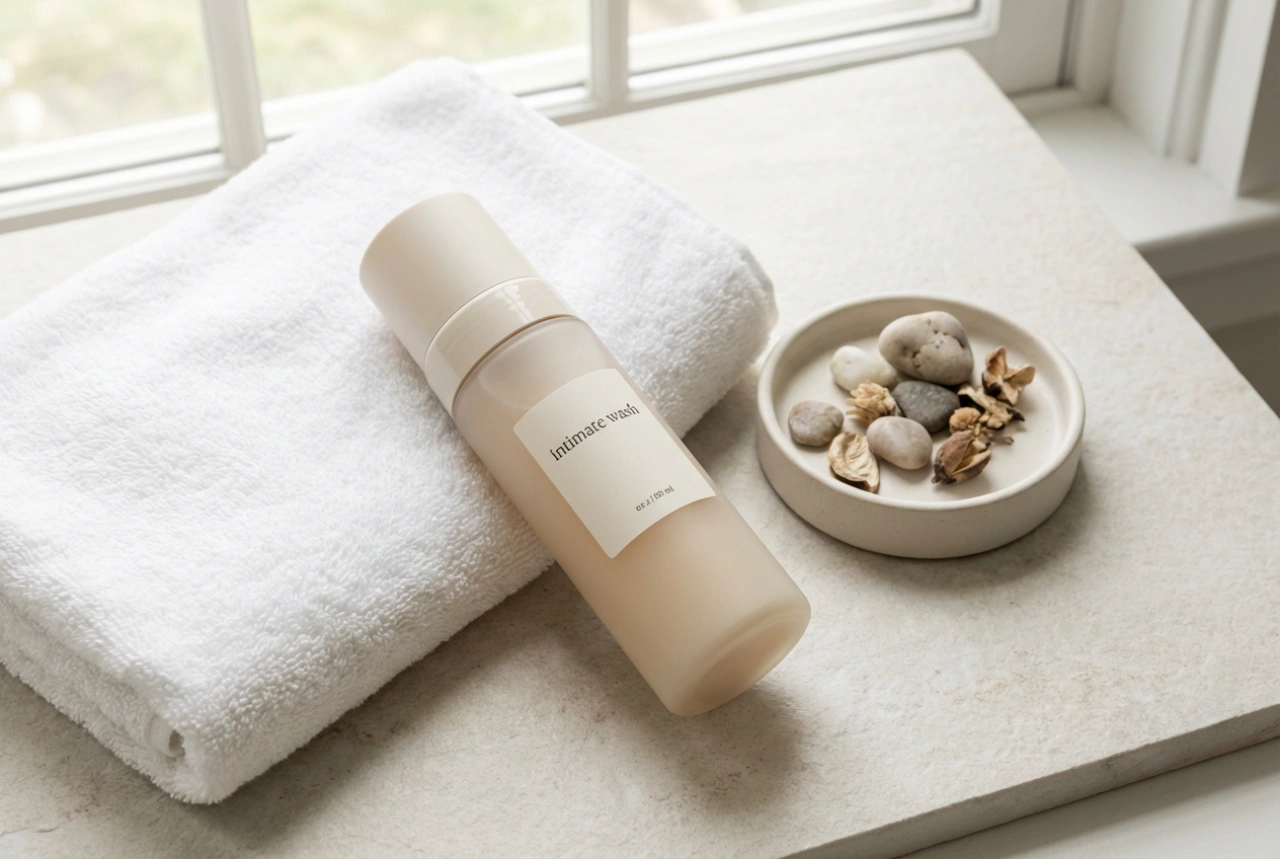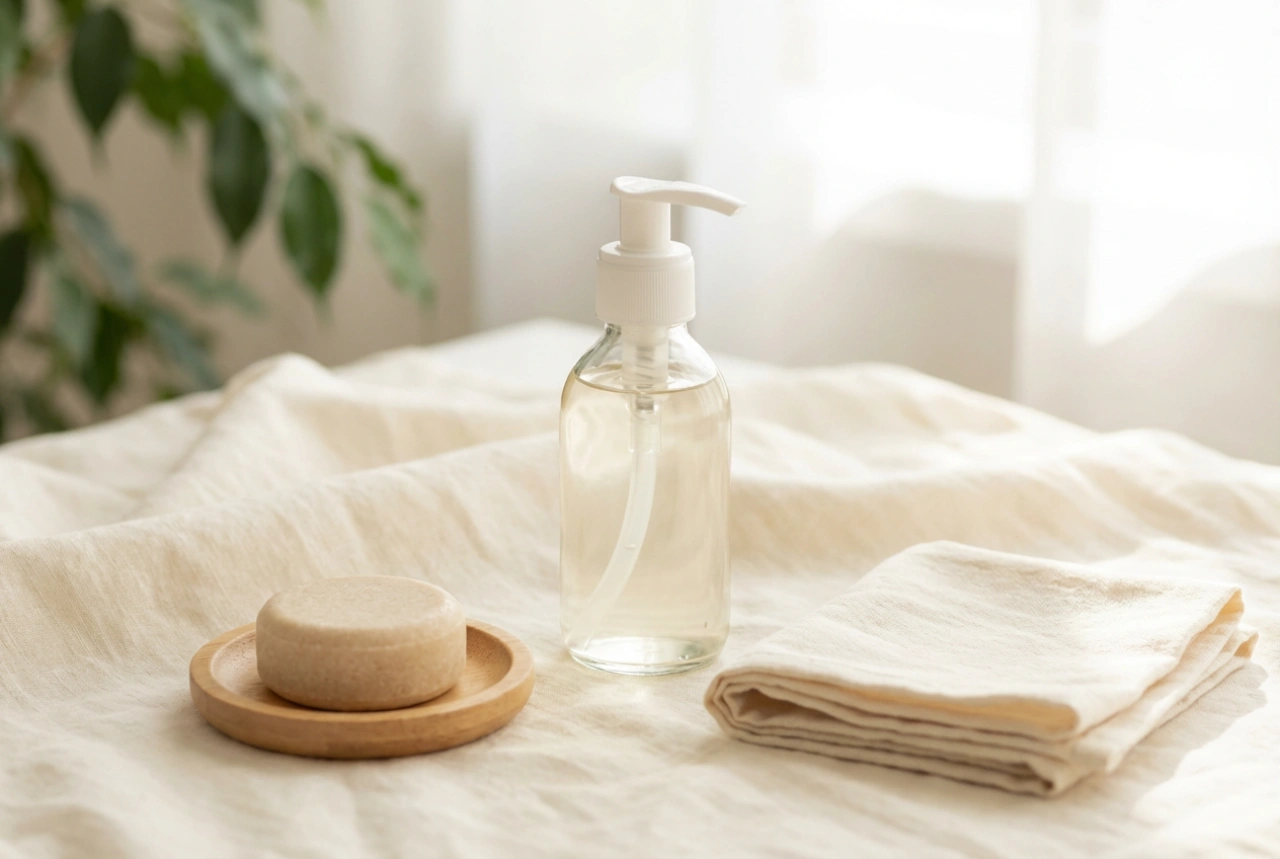


Daily personal hygiene is a fundamental aspect of self-care, and the intimate area requires special consideration. The skin in this region is particularly delicate and sensitive, which means the choice of cleansing product is crucial for maintaining comfort and natural balance. A suitable intimate wash should provide gentle yet effective cleansing without disrupting the skin's protective barrier, helping you feel fresh and confident throughout the day.
Why Use a Specialised Intimate Wash?
You might wonder why you can't just use your regular shower gel or soap for intimate hygiene. The main reason lies in the different needs of your skin. Many standard body washes contain strong cleansing agents, fragrances, and have a pH level that can be too harsh for the sensitive intimate area. Using such products can strip away the natural protective layer, leading to feelings of dryness, discomfort, or irritation. Specialised intimate washes are formulated to be much milder, respecting the unique environment of this delicate skin.
The Difference in Formulation
Unlike body soaps that are designed to tackle sweat and dirt across the entire body, feminine washes are created with the sensitivity of the intimate zone in mind. They typically use gentler surfactants (cleansing agents) and are often free from common irritants. Their primary goal is to cleanse without causing disruption, helping to maintain the natural feeling of comfort and cleanliness.
What to Look For in an Intimate Wash
Reading the ingredients list is the best way to determine if a product is right for you. A good formula focuses on mild, supportive ingredients while avoiding potentially harsh additives.
Beneficial Ingredients to Seek Out
- Lactic Acid: This is a key ingredient in many high-quality intimate washes. It helps to support the skin's natural acidic pH, which is an important part of its protective function.
- Gentle Plant Extracts: Ingredients like chamomile, aloe vera, and calendula are known for their soothing and calming properties. They can help to reduce feelings of discomfort and provide a sense of gentle care.
- Moisturising Agents: Look for components like glycerin or panthenol. These ingredients help to hydrate the skin, preventing the feeling of dryness that some cleansing products can cause.
- Prebiotics: Some modern formulations include prebiotics. These ingredients help to support the skin's surface by nurturing its natural balance, contributing to overall comfort.
Ingredients to Be Mindful Of
- Harsh Sulphates: Strong surfactants like Sodium Lauryl Sulphate (SLS) and Sodium Laureth Sulphate (SLES) can be too stripping for the delicate intimate area. Look for sulphate-free formulas or those with milder alternatives.
- Artificial Fragrances and Colourants: Perfumes and dyes are common causes of skin sensitivity and irritation. Unscented or naturally scented products are often a safer choice for intimate care.
- Alcohol: Certain types of alcohol can be very drying and irritating to the skin. It is best to choose alcohol-free formulations for intimate hygiene.
Understanding pH Balance
The term 'pH-balanced' is frequently used in relation to intimate care products. The pH scale measures how acidic or alkaline a substance is. The skin in the intimate area naturally has an acidic pH, which helps it stay balanced and comfortable. A good intimate wash should have a pH that is compatible with this natural state. Using products with a high (alkaline) pH, such as traditional bar soaps, can disrupt this delicate balance. Choosing a pH-balanced wash helps to cleanse the area while respecting its natural environment.
Tips for Correct Usage
How you use your intimate wash is just as important as which one you choose. Following a few simple steps can ensure you get the benefits of the product without causing any issues.
- A Little Goes a Long Way: You only need a small, pea-sized amount of the wash.
- External Use Only: Intimate washes are designed for cleansing the external genital area (the vulva) only.
- Use Your Hand: Lather the product in your hand with a little water before applying. Avoid using sponges or washcloths, as they can be too abrasive and may harbour bacteria.
- Rinse Thoroughly: After cleansing, rinse the area completely with warm water to ensure no residue is left behind.
- Pat Dry Gently: Use a soft, clean towel to gently pat the area dry. Avoid vigorous rubbing, as this can cause irritation.
By selecting a thoughtfully formulated intimate wash and using it correctly, you can easily incorporate this step into your daily routine, promoting a lasting sense of freshness, comfort, and well-being.