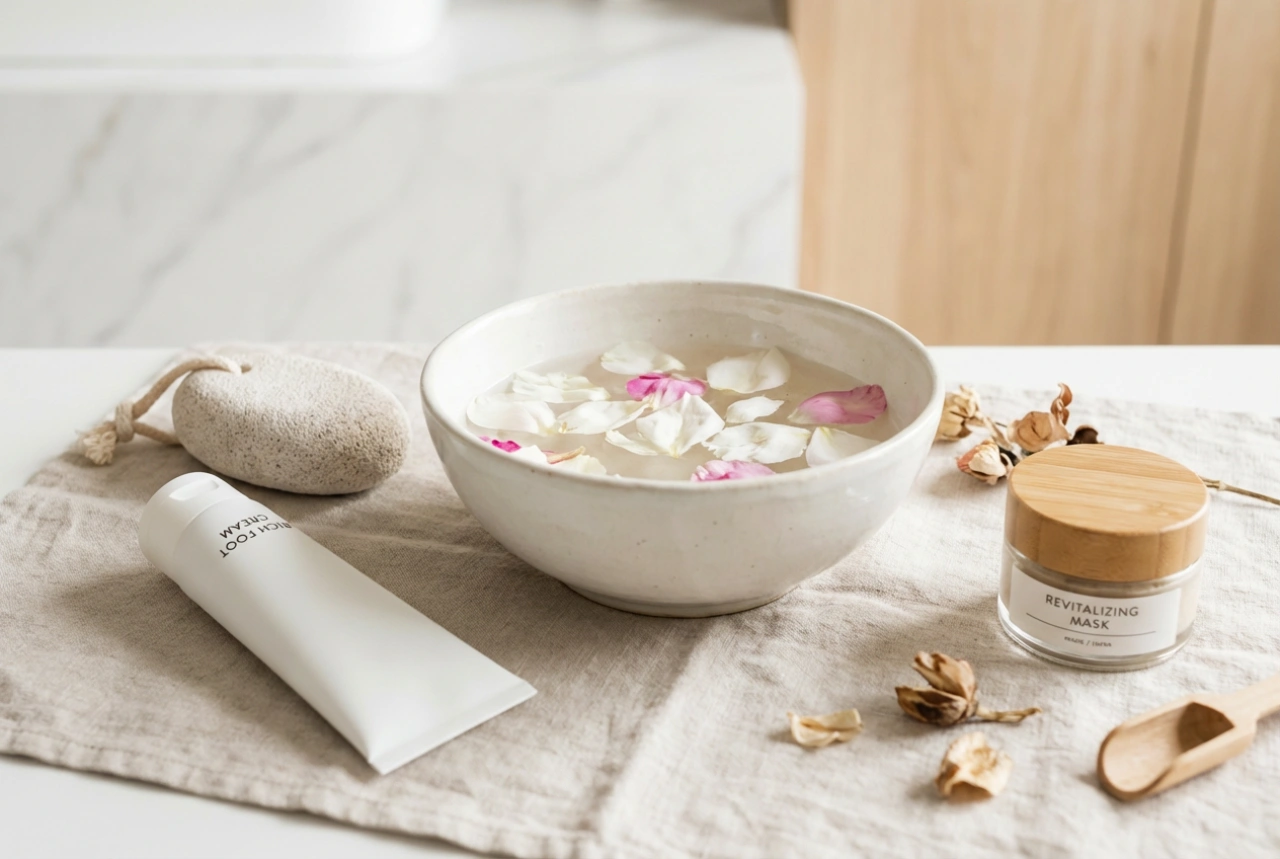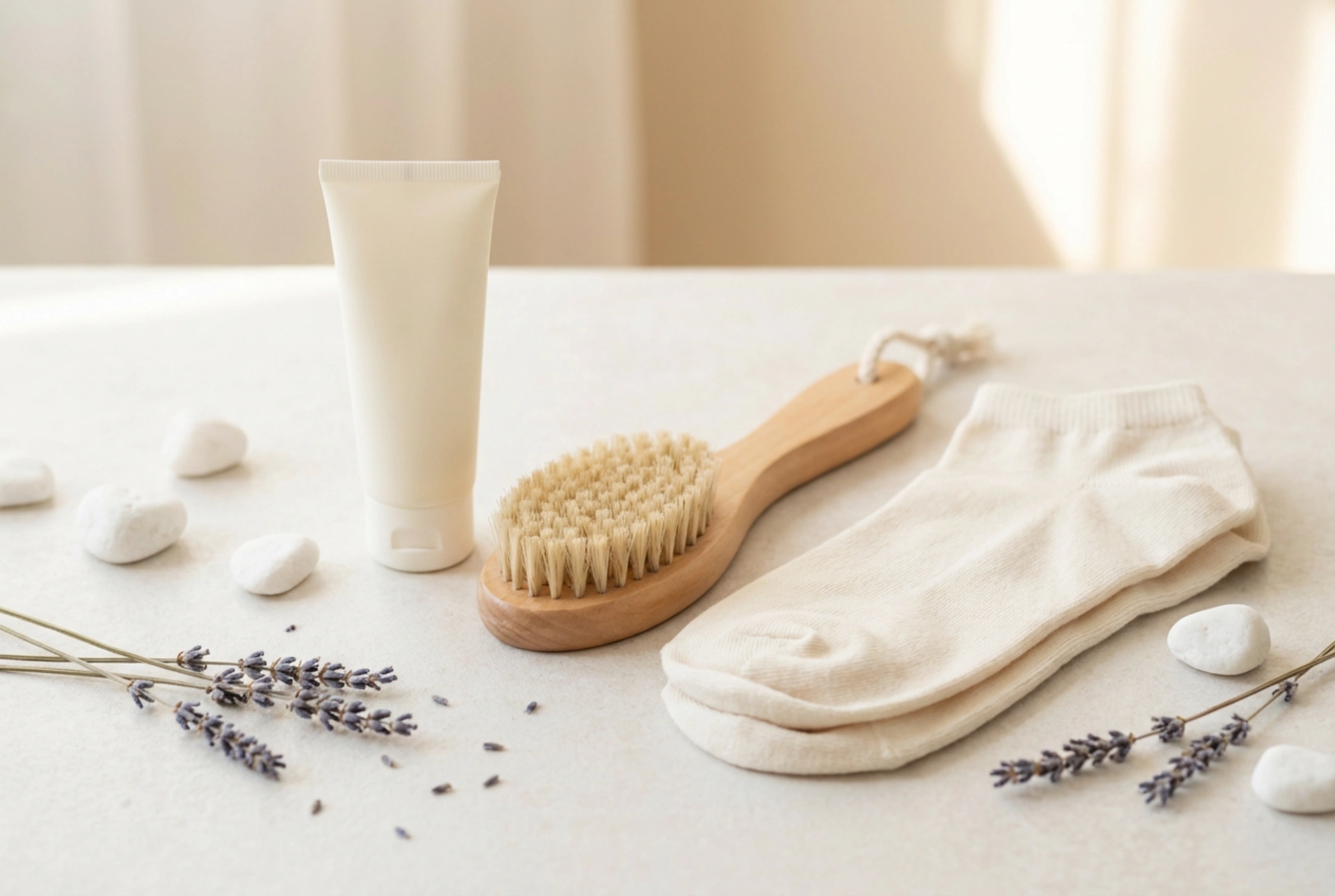


Beautiful and smooth feet are not only a matter of aesthetics but also of daily comfort. When the skin on our heels becomes dry, thick, and prone to cracking, it can cause significant discomfort. Looking at a serene selection of foot care essentials, such as nourishing balms, gentle exfoliating tools, and soft spa socks, it is easy to see that an effective foot care routine relies on a harmony of different methods. To restore softness to your feet, it is essential to understand how different treatments work and how to combine them for the best results.
The Role of Foot Peelings and Exfoliation
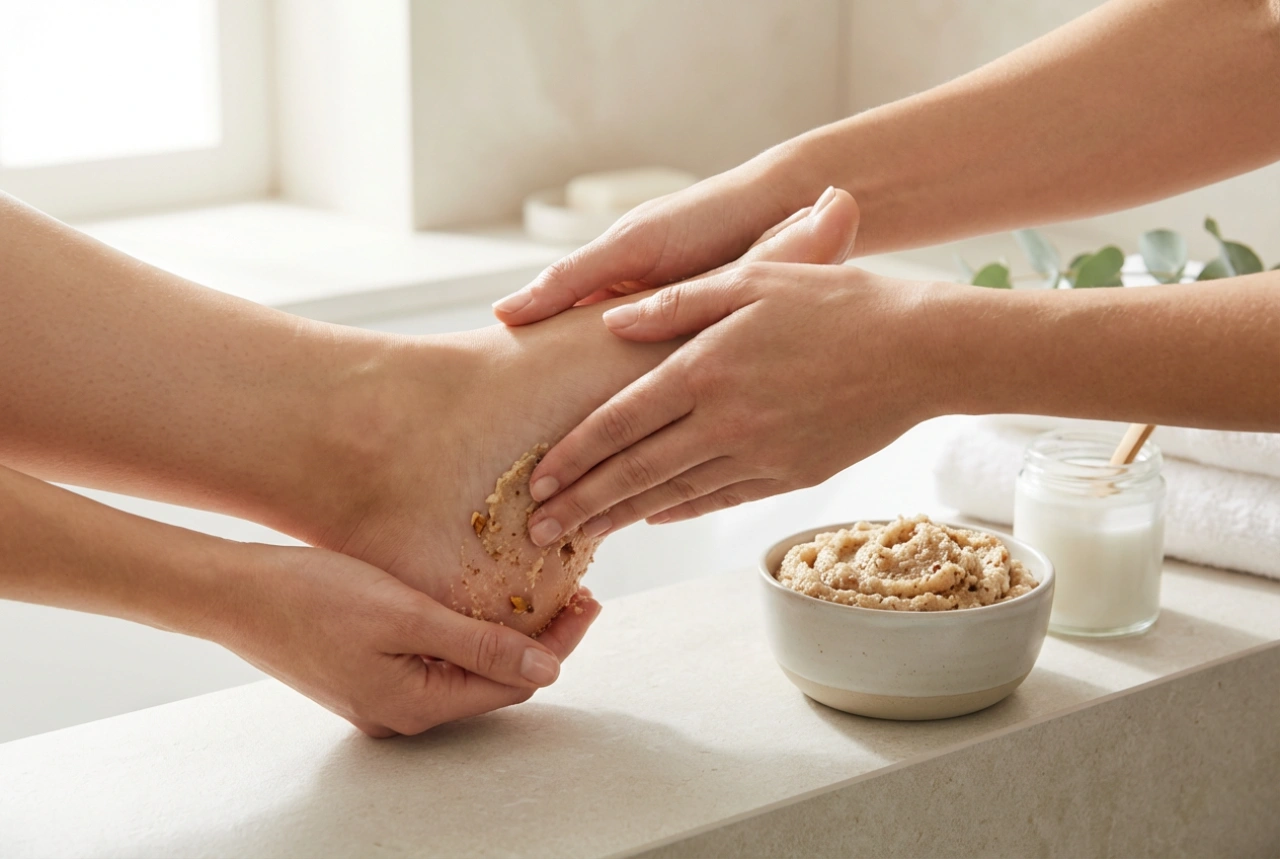
The first step in addressing dry and thickened skin on the heels is the removal of dead skin cells. Regular exfoliation prevents the build-up of hard layers that eventually lead to painful cracking. However, the key to successful exfoliation is gentleness. Mechanical foot scrubs containing natural particles, such as ground apricot kernels or sea salt, are excellent for regular maintenance. They gently polish the surface and stimulate microcirculation.
For thicker skin, chemical peelings containing mild cosmetic acids, such as lactic or glycolic acid, can be highly effective. These ingredients gently dissolve the intercellular bonds of dead skin, allowing it to peel away naturally over a few days. It is important to avoid aggressive filing with metal rasps, as excessive friction can trigger a defense mechanism in the skin, causing it to grow back even thicker and harder.
Deep Hydration with Specialized Foot Creams
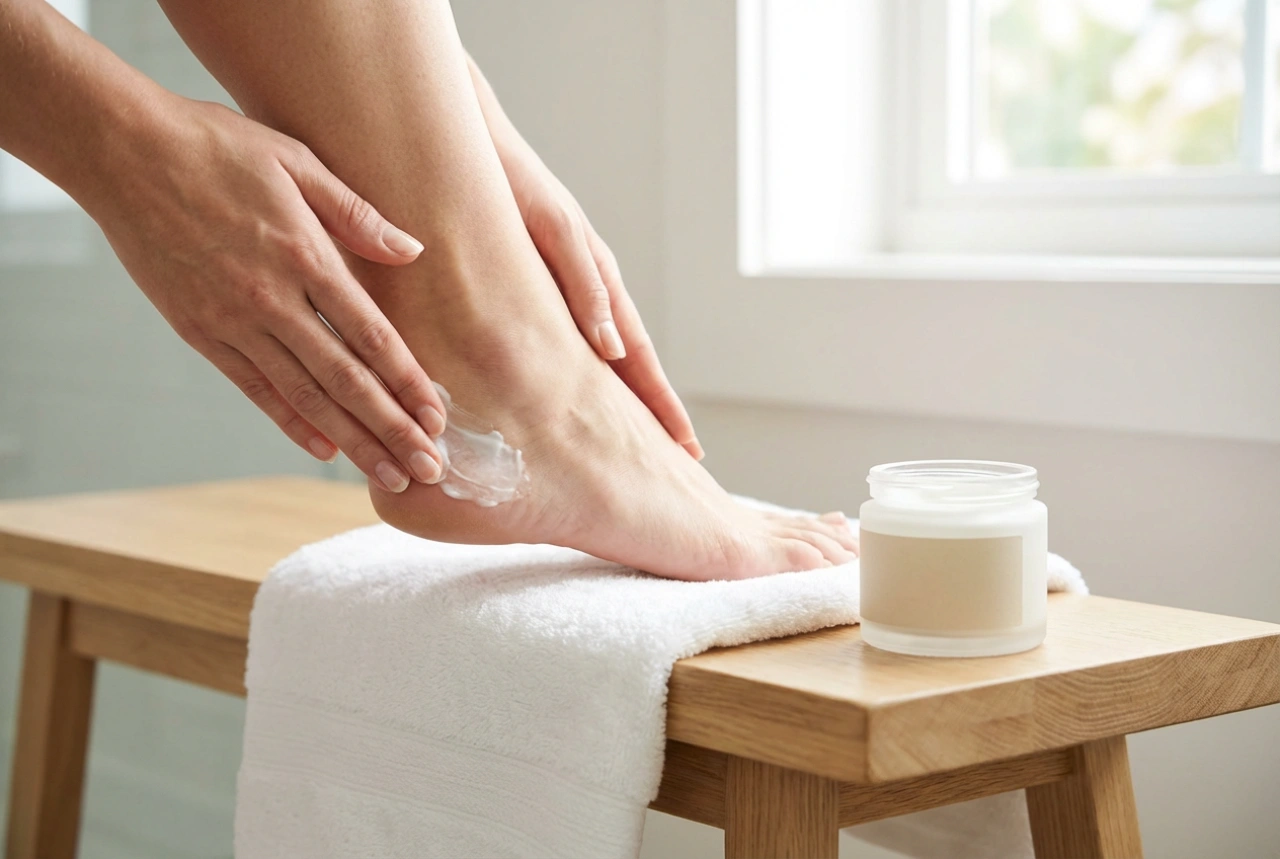
Once the dead skin cells are gently exfoliated, the newly revealed skin requires intensive hydration and nourishment. A standard body lotion is often insufficient for the thick skin on our feet. Specialized foot creams should contain deeply moisturizing and water-binding ingredients. Urea is one of the most effective components in foot care; in lower concentrations, it deeply hydrates, while in higher concentrations, it helps to soften rough areas.
In addition to hydration, the skin barrier must be rebuilt to prevent future moisture loss. Look for creams enriched with natural lipids, such as shea butter, macadamia oil, or avocado oil. Applying a rich cream daily, preferably after a bath when the skin is most receptive, helps maintain elasticity and prevents the skin from splitting under pressure.
The Power of Regenerating Foot Socks
Cosmetic socks have become a popular and highly convenient tool in home foot care. They generally fall into two categories: exfoliating socks and intensive moisturizing socks. Exfoliating socks are pre-soaked in a liquid containing fruit acids. They are worn for a specified time to initiate a gradual peeling process over the following week. This is a powerful treatment that should only be used occasionally.
On the other hand, moisturizing spa socks are designed to lock in nourishment. These can be reusable cotton socks worn overnight over a thick layer of your favourite foot cream, or single-use foil socks infused with rich serums. By creating an occlusive barrier, they prevent the cream from evaporating, allowing the active ingredients to penetrate deeply into the skin layers while you rest.
Creating a Balanced Foot Care Routine
To achieve long-lasting smoothness, it is best to combine these three methods into a consistent weekly routine rather than relying on just one. A balanced approach ensures that the skin is consistently exfoliated, deeply moisturized, and protected. Here is a simple way to structure your home foot care:
- Twice a week: Use a gentle foot scrub during your shower to keep the skin surface smooth.
- Daily: Apply a rich, nourishing foot cream every evening before bed, massaging it thoroughly into the heels.
- Once a week: Apply a generous layer of cream or a specialized foot mask and wear soft cotton spa socks overnight for an intensive regenerating treatment.
By maintaining consistency and choosing gentle, nourishing products, you can easily restore comfort and softness to your feet without the need for harsh interventions.