

A pristine manicure is not only about vibrant colours and artistic designs, but also about the structural integrity and health of the natural nail plate. Modern beauty care increasingly focuses on precise techniques that allow us to monitor and maintain the perfect balance between aesthetics and durability. Achieving the ideal nail thickness is crucial for preventing breakage while ensuring that any applied overlays look entirely natural. Subtle, elegant hands with well-groomed nails rely on this delicate balance, which can be measured and adjusted with the right tools and knowledge.
The Importance of Nail Plate Thickness
The natural nail plate consists of multiple layers of compacted keratin cells. Its thickness varies naturally depending on genetics, age, and daily care routines. In the realm of professional and home manicure styling, maintaining an optimal thickness is essential. A nail plate that is too thin becomes highly flexible, prone to splitting, and sensitive to external factors. Conversely, an excessively thick nail can look bulky and lose its natural flexibility, leading to painful lifting or snapping under pressure.
Understanding the architecture of the nail allows for a more refined approach to styling. The nail should be thickest at the stress point—the area where the free edge meets the nail bed—and gradually taper towards the cuticle and the free edge. This natural arch provides the necessary strength to withstand daily activities without placing undue stress on the delicate nail bed beneath.
How to Measure Nail Thickness Accurately
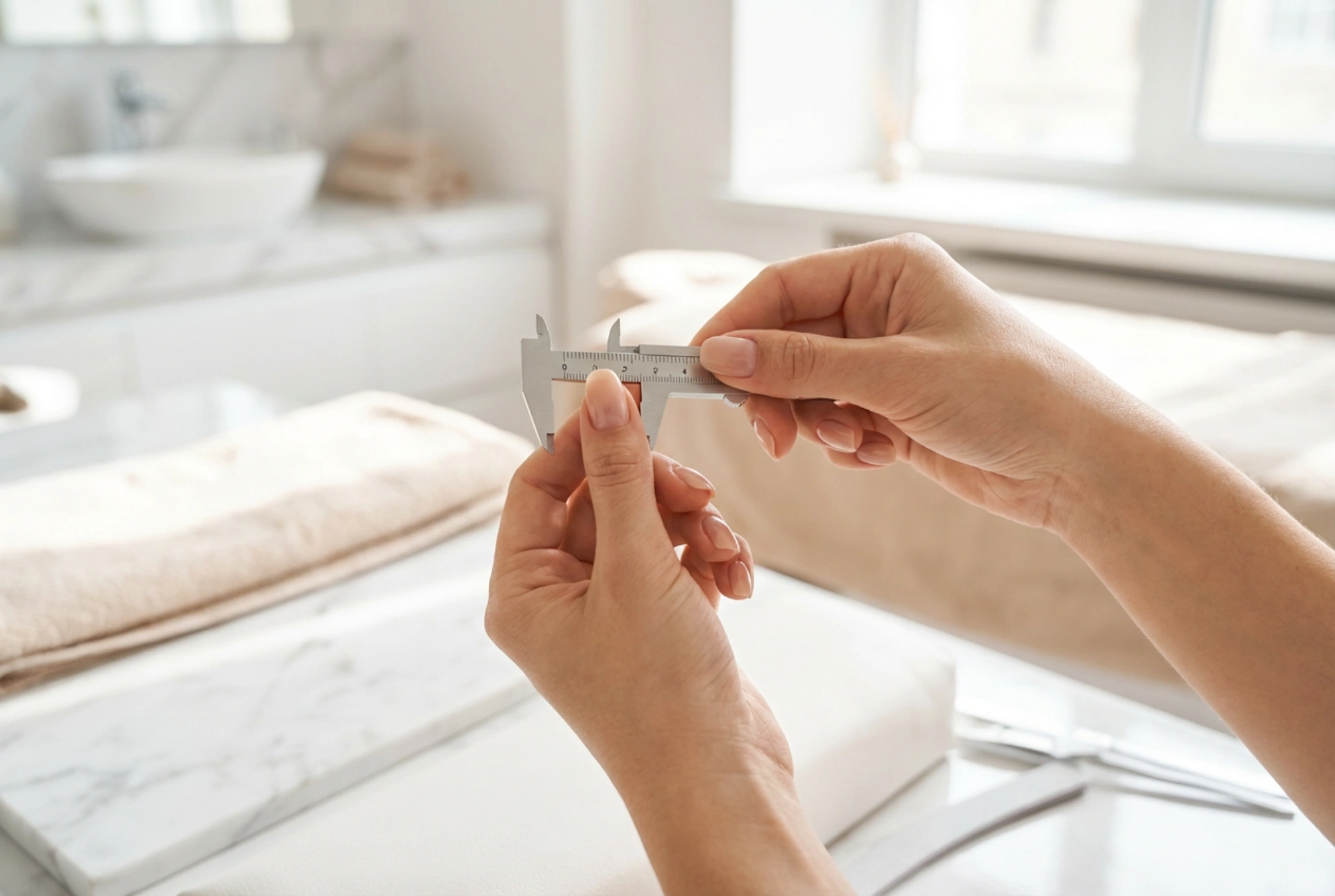
For those who seek perfection in their nail care routine, a specialized measurement tool, such as a manual or digital thickness gauge, offers invaluable assistance. This minimalist device allows you to measure the exact thickness of both the natural plate and any applied enhancement layers, ensuring consistency across all fingers.
Step-by-Step Measurement Process
- Preparation: Ensure the nail surface is completely clean, dry, and free from temporary oils or dust.
- Positioning: Gently slide the gauge onto the free edge of the nail. Place the contact points near the centre of the nail plate, ensuring the tool is perpendicular to the surface.
- Recording the Measurement: Take note of the thickness at the free edge and compared to the apex of the nail. Repeat this process for each finger to identify any inconsistencies.
By keeping track of these measurements, you can easily determine whether your nails are thinning due to over-buffing or if your protective base coats are being applied too heavily.
Determining the Optimal Nail Thickness
The ideal thickness of a natural, healthy fingernail typically ranges between 0.3 and 0.5 millimetres. When applying protective coatings, gel overlays, or classic polishes, the combined thickness should ideally not exceed 0.8 to 1.0 millimetre. Staying within these parameters ensures that the hands maintain a sleek, lightweight appearance while enjoying maximum protection.
Keeping the nail within the optimal range also ensures proper oxygenation and flexibility. When nails are kept at a balanced thickness, they can bend slightly under impact rather than breaking instantly, preserving both the natural nail and the longevity of the manicure.
Safe Correction Techniques for Perfect Balance
If your measurements reveal that your nails are outside the optimal range, there are several gentle, non-invasive ways to correct the thickness at home without compromising nail health.
Addressing Excessively Thick Nails
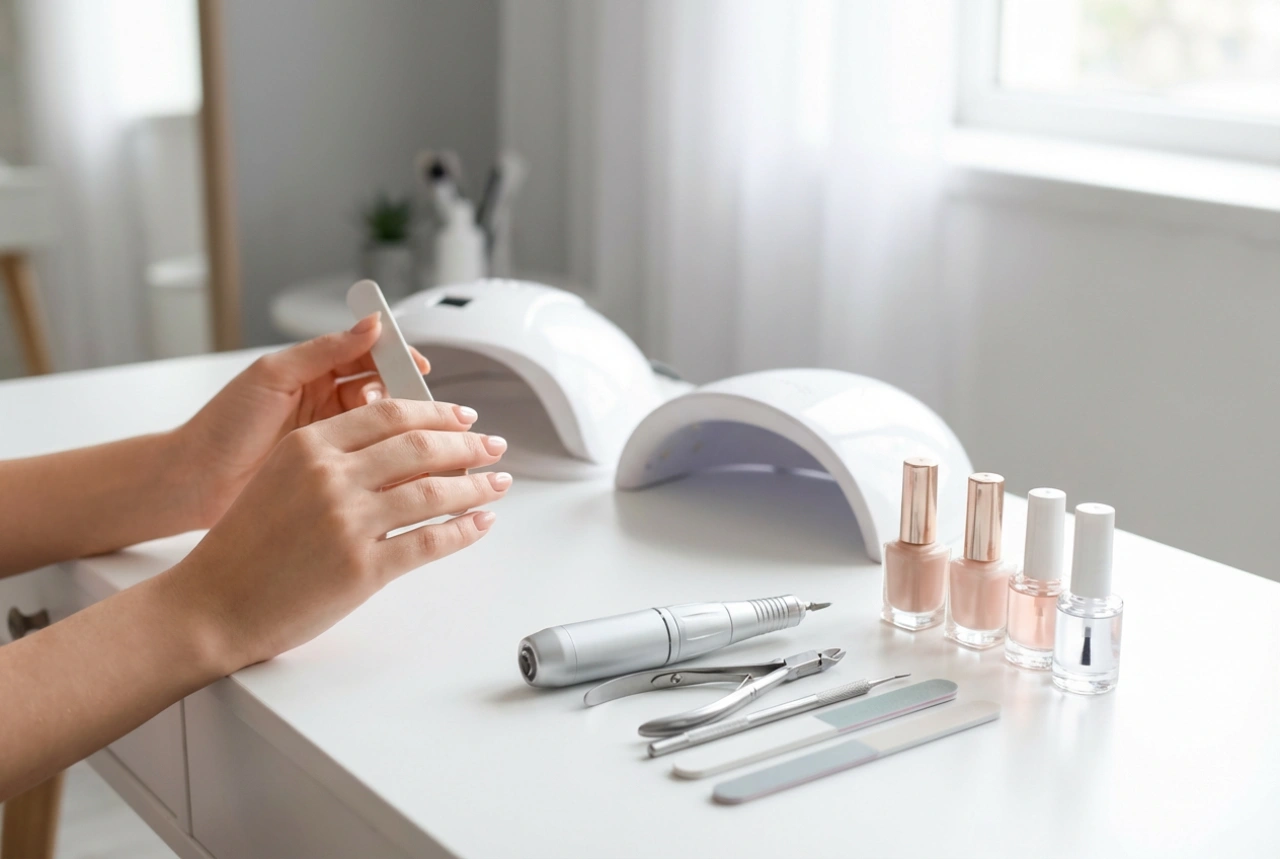
If a build-up of product or a naturally thick nail plate is affecting the appearance of your hands, you can carefully refine the surface. Use a high-quality, fine-grit buffer (typically 240 grit or higher) to gently sweep across the nail plate in one direction. Avoid excessive friction, which can generate heat and damage the deeper keratin layers. The goal is to smooth out irregularities and reduce bulk near the free edge.
Supporting Thin and Fragile Nails
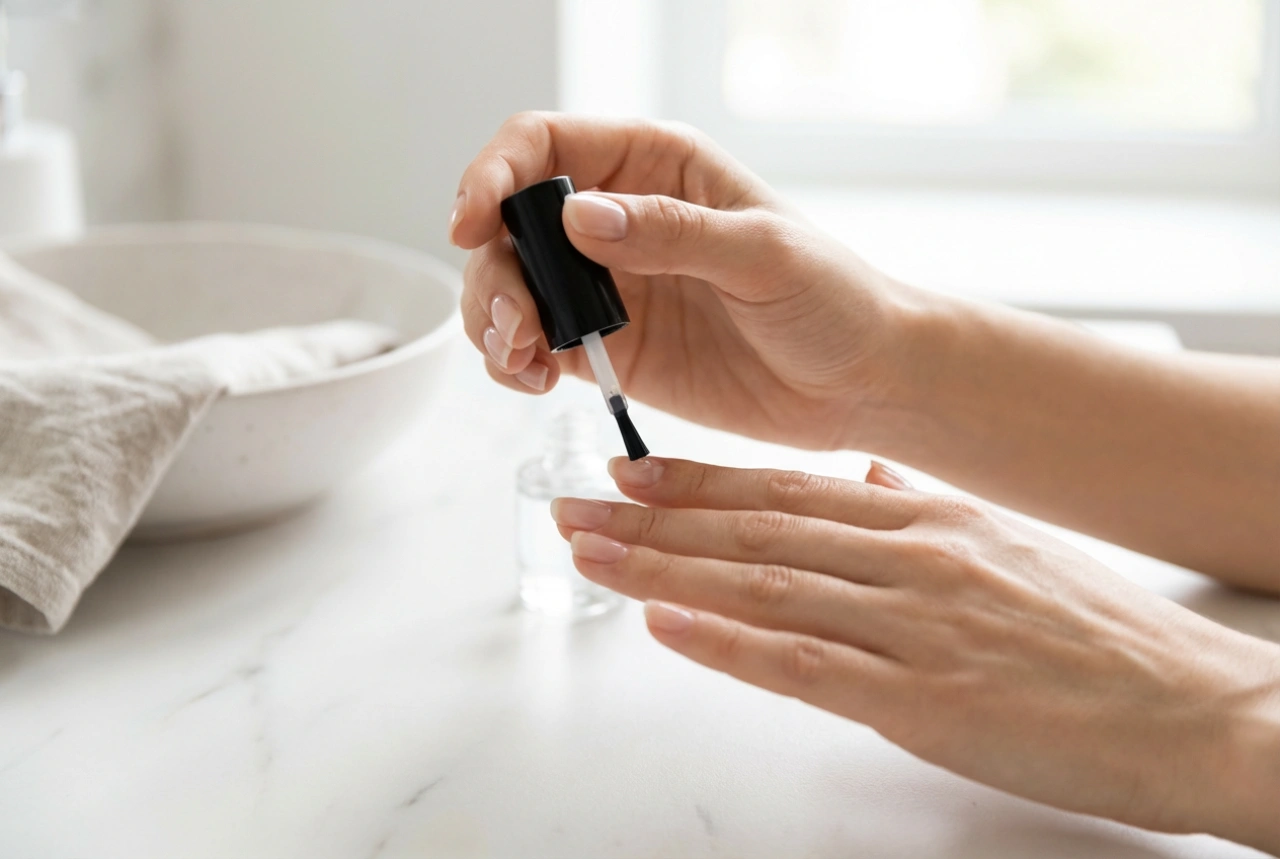
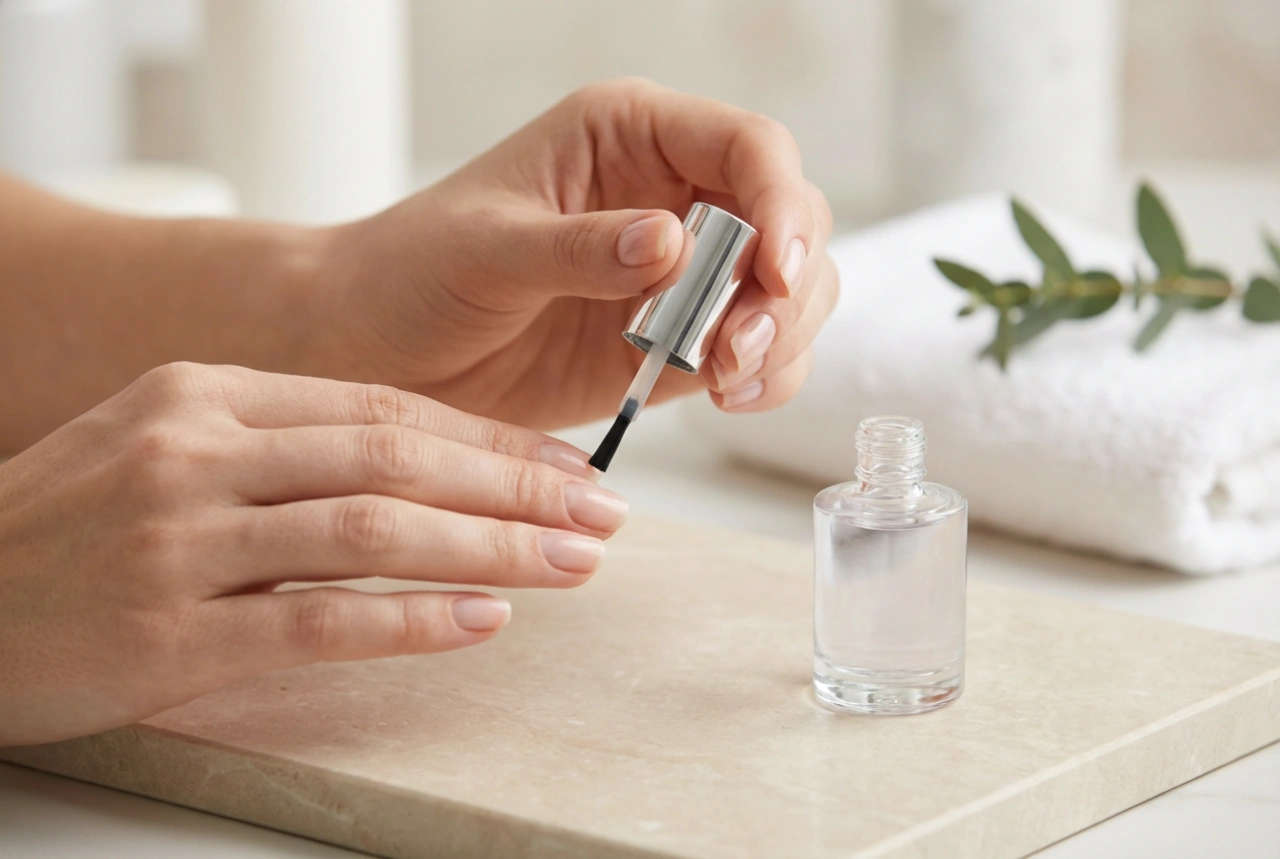
When the nail plate is too thin, the focus must shift entirely to protection and reinforcement. Avoid aggressive filing or buffing. Instead, apply a thin, nourishing clear base coat formulated with strengthening proteins. This adds a microscopic layer of defense, temporarily increasing the nail\'s thickness and resilience while it grows out naturally.
Maintaining Nail Health and Elegance
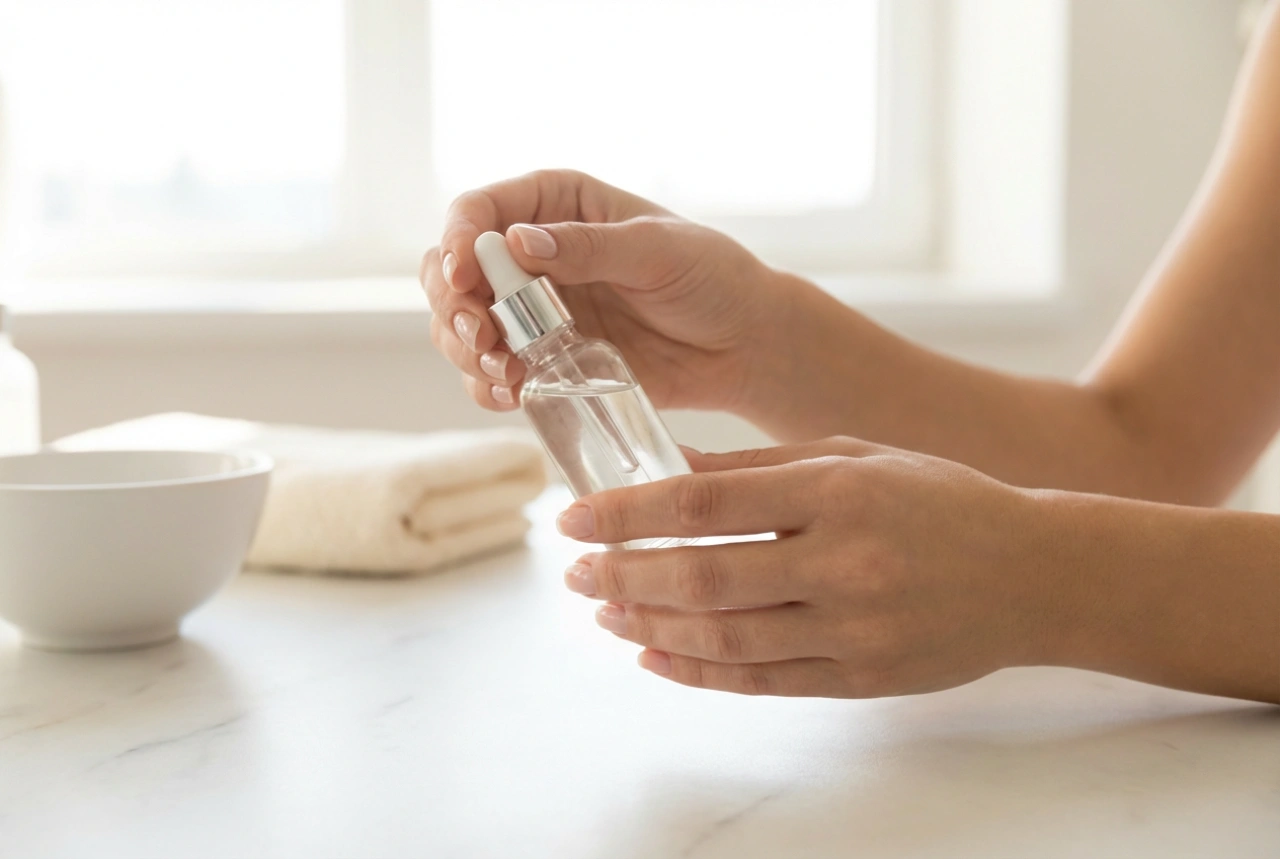
Precise measurement and careful correction are only parts of a holistic approach to hand beauty. Daily hydration is vital for maintaining the elasticity of the nail plate, regardless of its thickness. Regularly applying a nourishing cuticle oil and a rich hand cream helps lock in moisture, preventing the keratin layers from becoming brittle. By combining precise technical care with consistent hydration, you can achieve strong, beautifully proportioned nails that radiate health and natural elegance.