

Dry and cracked heels are a common cosmetic concern that affects many people, especially during seasonal transitions. The skin on our feet is naturally thicker and lacks sebaceous glands, making it particularly prone to dehydration and roughness. Establishing a dedicated care routine combining intensive evening nourishment with protective daytime habits is the key to restoring softness and comfort to your feet. By choosing the right ingredients and applying them consistently, you can easily maintain smooth, healthy-looking skin without leaving your home.
The foundation of evening care: intensive nourishment
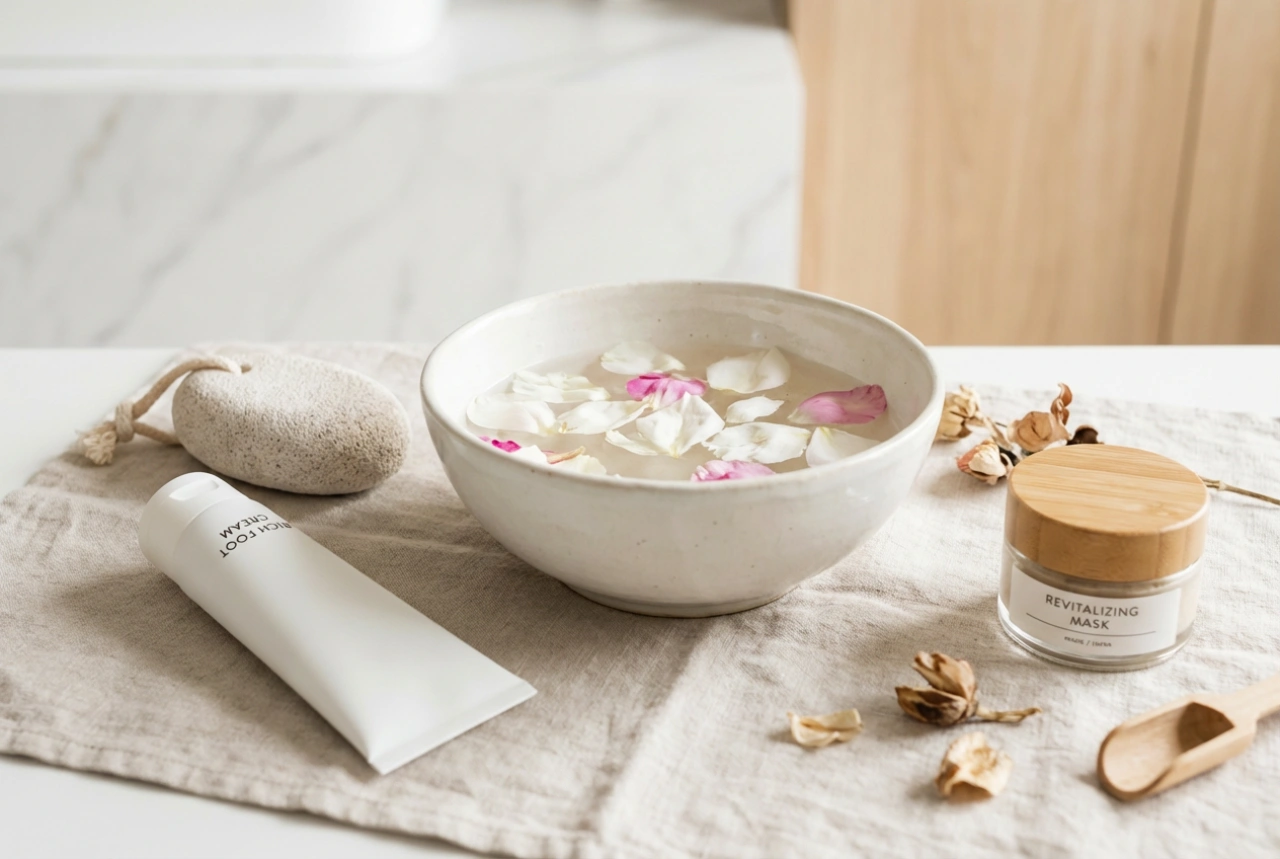
The evening is the ideal time for deep skin regeneration. During sleep, the skin's natural repair processes are highly active, and the absence of walking allows cosmetic products to absorb fully without friction. An effective evening routine should begin with a gentle, relaxing foot bath. Warm water helps to soften the hardened epidermis, making it more receptive to active ingredients. It is important to avoid excessively hot water, which can further strip the skin of its natural moisture.
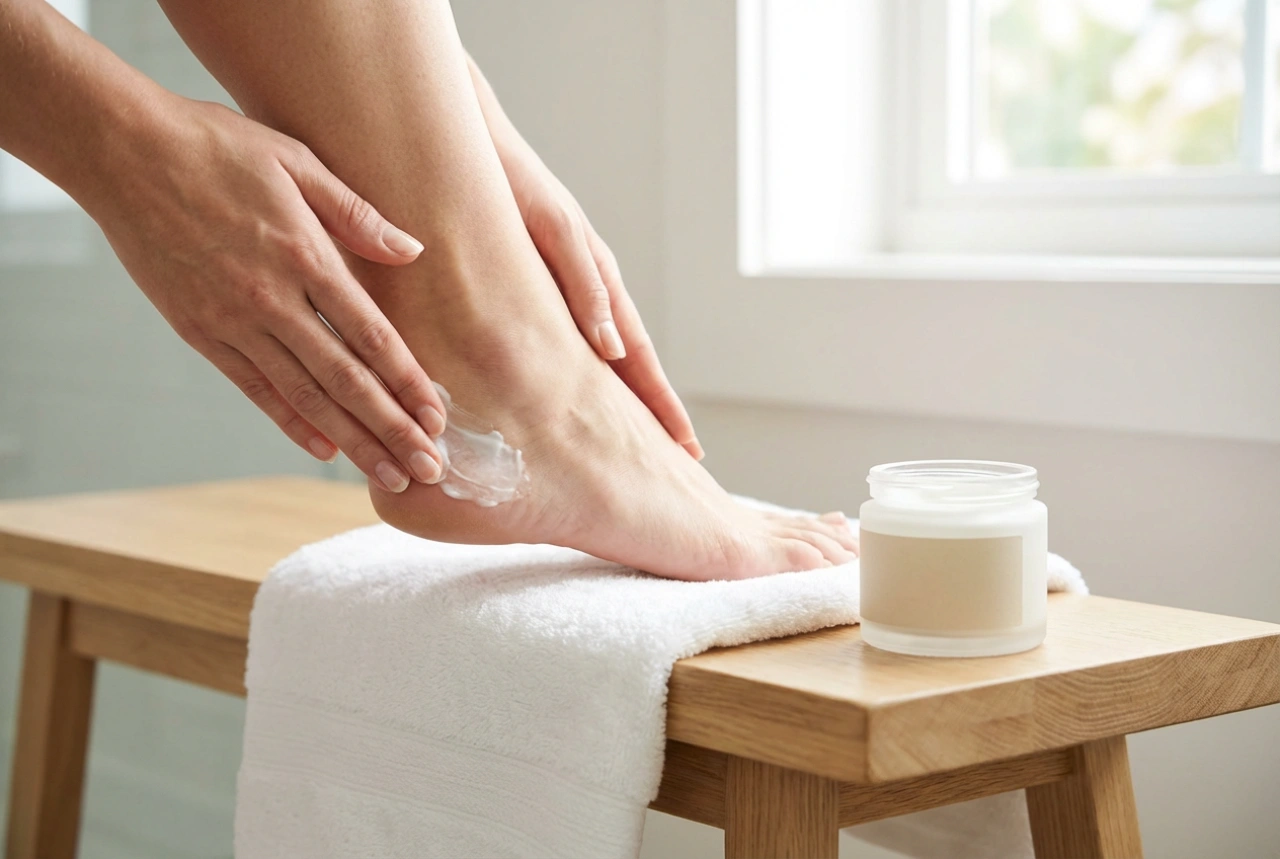
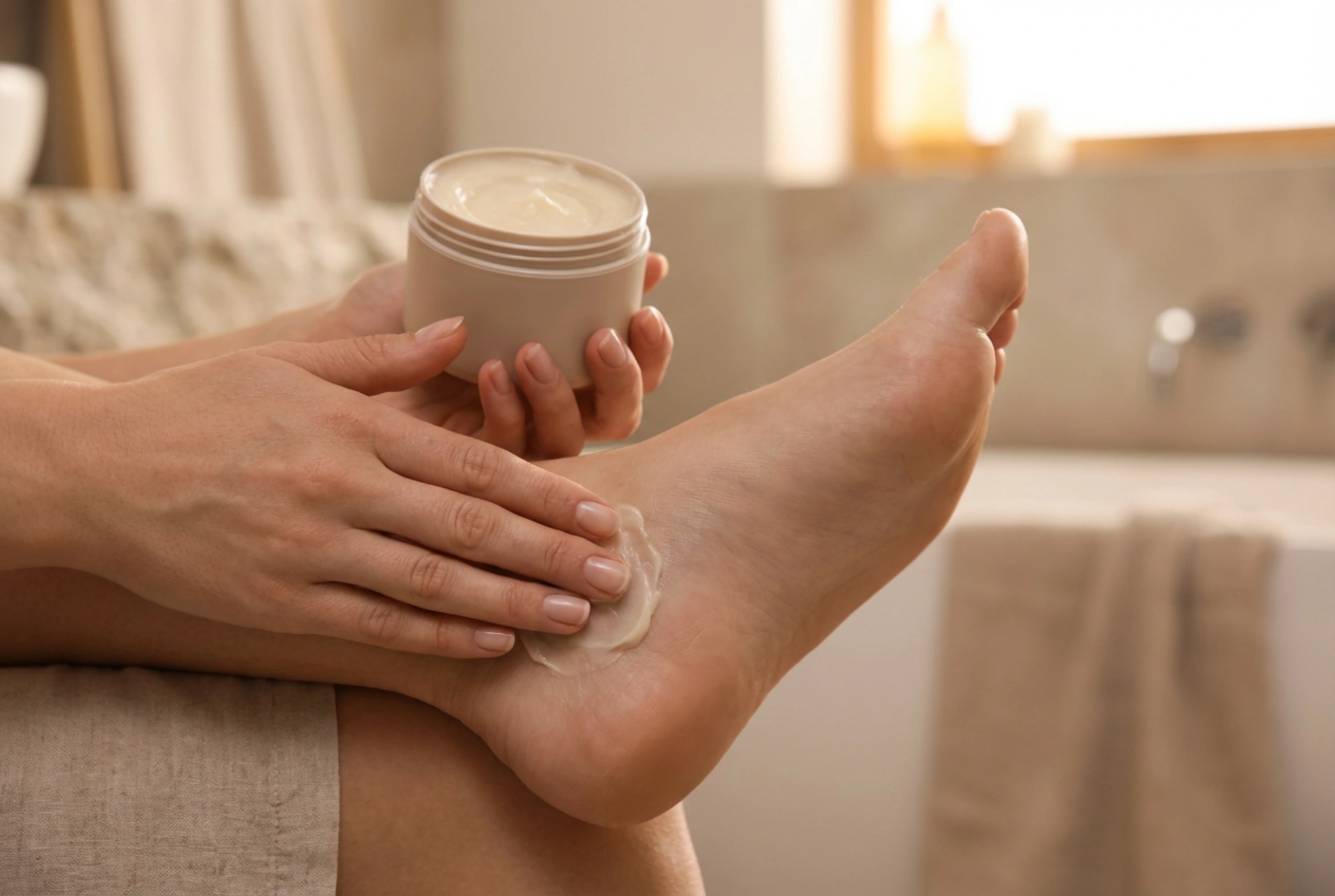
After thoroughly drying your feet, especially between the toes, apply a rich heel cream. When selecting a product for evening use, look for formula components known for their intensive moisturizing and softening properties:
- Urea in moderate concentrations to help gently dissolve dead skin cells and lock in moisture.
- Glycerin, which acts as a powerful humectant, drawing hydration into the deeper layers of the skin.
- Natural plant butters, such as shea butter, which create a protective lipid barrier.
- Allantoin and panthenol to support skin regeneration and soothe irritation.
For enhanced results, apply a generous layer of cream and wear breathable, cotton socks overnight. This simple technique acts as an occlusive wrap, preventing the product from evaporating and ensuring that the skin absorbs every bit of moisture.
Daytime protection: keeping feet comfortable and shielded
While evening care focuses on regeneration, daytime foot care is all about protection and maintaining hydration. During the day, our feet are subjected to constant pressure, friction from footwear, and varying temperatures. To prevent dryness from returning, it is essential to shield the skin during your daily activities.
Before putting on shoes, apply a lightweight, fast-absorbing foot cream or lotion. Unlike the rich evening balm, a daytime product should not leave a greasy residue, ensuring comfort inside your socks or shoes. Look for formulas containing light plant oils, such as macadamia or jojoba oil, which soften the skin without making it slippery. Additionally, choosing the right footwear is crucial. Shoes made from breathable, natural materials reduce excessive sweating and friction, both of which can exacerbate dryness and lead to localized calluses.
Gentle exfoliation and preventative habits
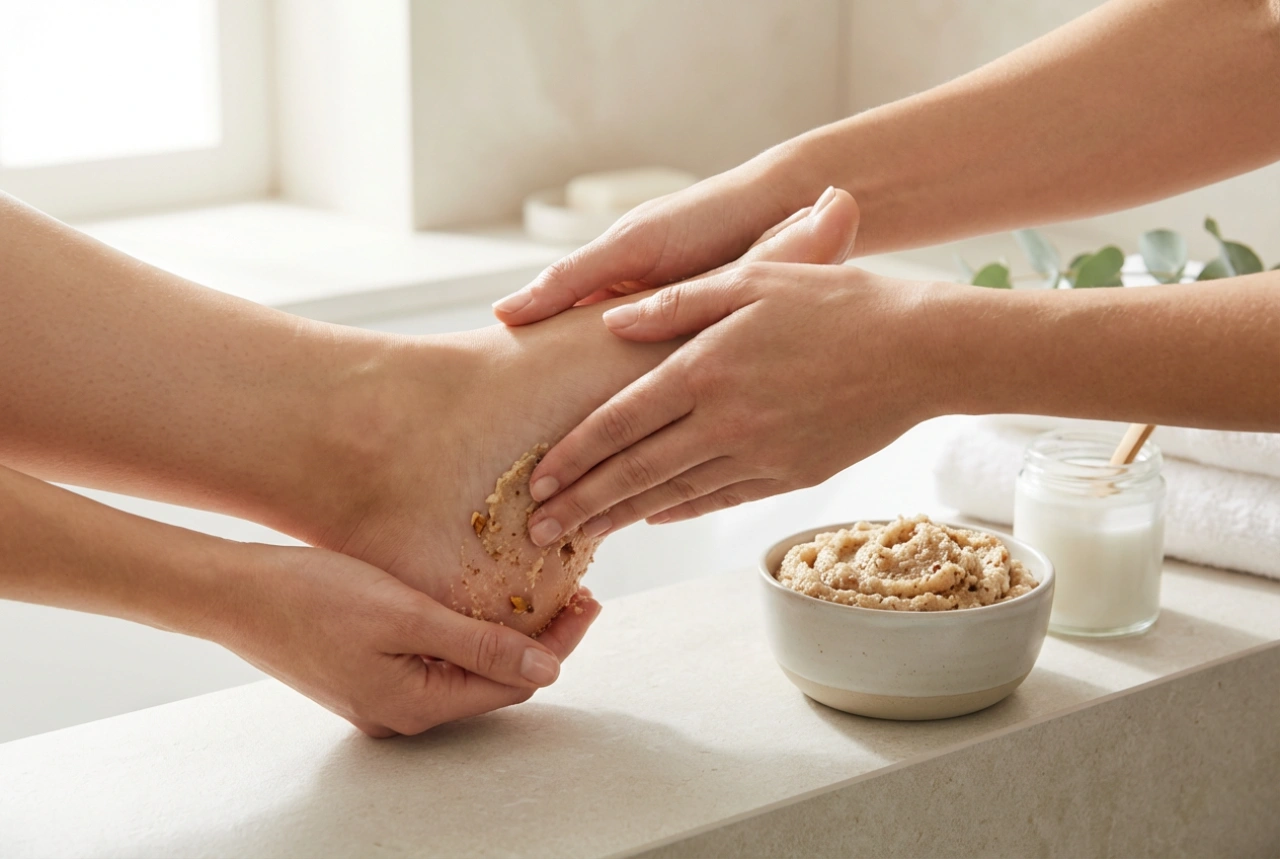
To keep the skin on your heels smooth, regular but gentle exfoliation is necessary. It is a common mistake to use harsh, sharp metal rasps or to vigorously file dry skin, as this mechanical aggression often stimulates the skin to build up even thicker protective layers. Instead, opt for gentle scrubs or enzymatic exfoliators once or twice a week during your shower.
Consistency is the ultimate secret to beautiful feet. Incorporating a quick application of heel cream into your daily routine, drinking plenty of water to hydrate the body from within, and avoiding walking barefoot on hard, dry surfaces will yield visible, long-lasting improvements. By treating your feet with the same care and attention as your face or hands, you can enjoy perfectly soft and smooth heels all year round.