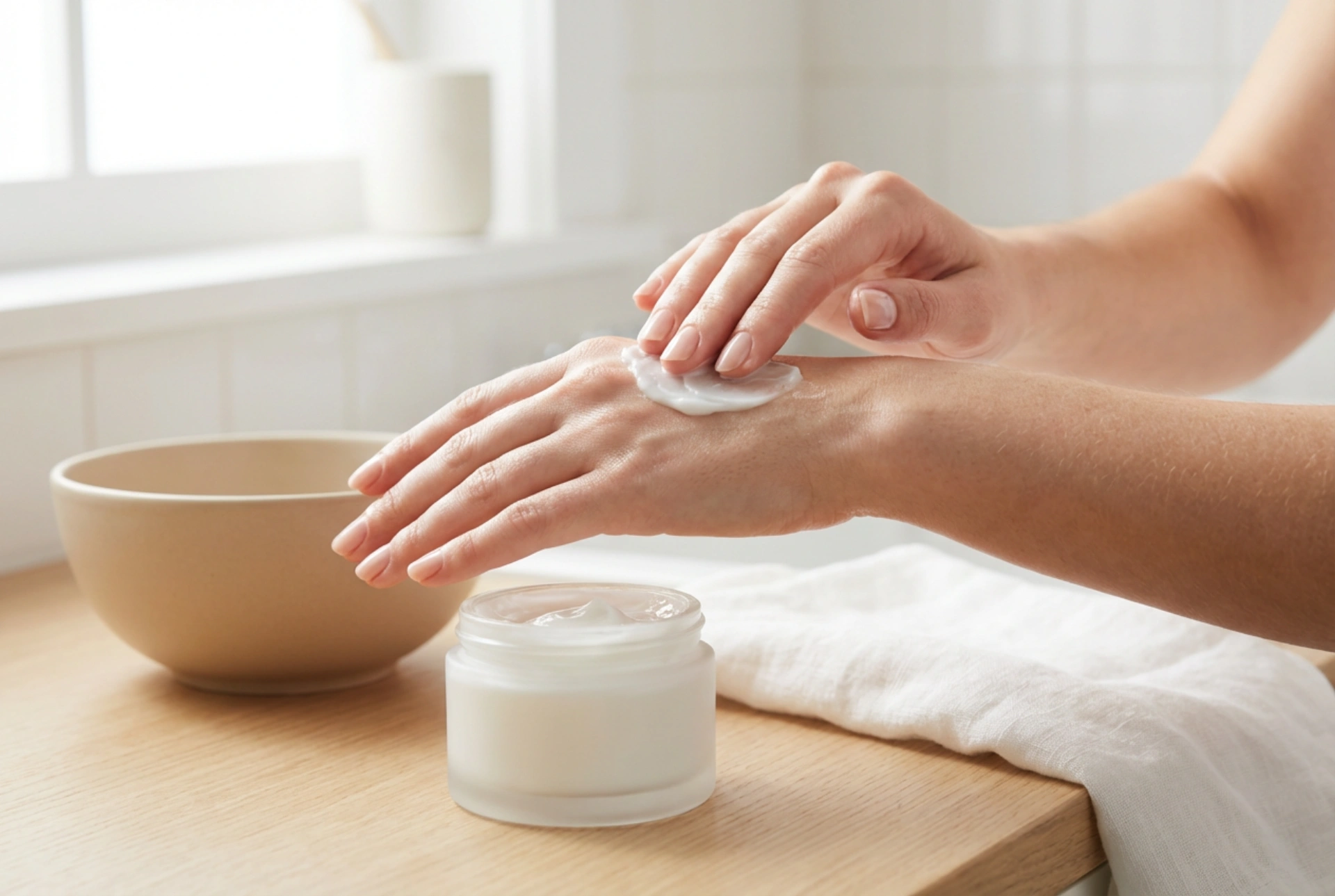


Our hands are constantly exposed to the elements, from chilly winds and dry indoor heating to frequent washing and everyday household tasks. Unlike other parts of the body, the skin on the back of our hands is remarkably thin and possesses very few oil glands, making it particularly vulnerable to moisture loss and irritation. When the natural protective barrier becomes compromised, hands can quickly become dry, rough, and deeply chapped. Finding immediate relief and establishing a routine that delivers lasting hydration is essential for restoring comfort and maintaining smooth, healthy-looking skin.
Understanding the Causes of Dryness
Before addressing how to restore moisture, it is important to understand why the skin on our hands tends to dry out so easily. The outer layer of the skin, known as the lipid barrier, acts as a shield that seals in moisture and keeps external irritants out. Daily activities such as using harsh soaps, washing dishes in hot water, and exposure to cold weather can strip away these essential lipids. Once this protective barrier is weakened, transepidermal water loss increases rapidly, leaving the hands feeling tight, rough, and prone to cracking.
The Role of Environmental Factors
Seasonal shifts play a significant role in the condition of our hands. During colder months, low humidity levels both outdoors and indoors dry out the air, which in turn draws moisture away from the skin. Conversely, summer heat, air conditioning, and frequent outdoor activities can also contribute to dehydration. Understanding these external influences helps us adapt our daily hand care routines to provide the necessary protection year-round.
Steps for Immediate Relief
When hands are severely dry and uncomfortable, quick action is needed to soothe the skin and prevent further irritation. The following steps can help restore immediate comfort and kickstart the recovery process:
- Gentle Cleansing: Switch to mild, fragrance-free liquid or bar cleansers that do not contain harsh sulfates. Wash your hands with lukewarm water rather than hot water, which can further strip the skin of its natural oils.
- Pat Dry, Do Not Rub: After washing, gently pat your hands dry with a soft, clean towel. Leave the skin slightly damp, as this creates the perfect surface for absorbing moisturising ingredients.
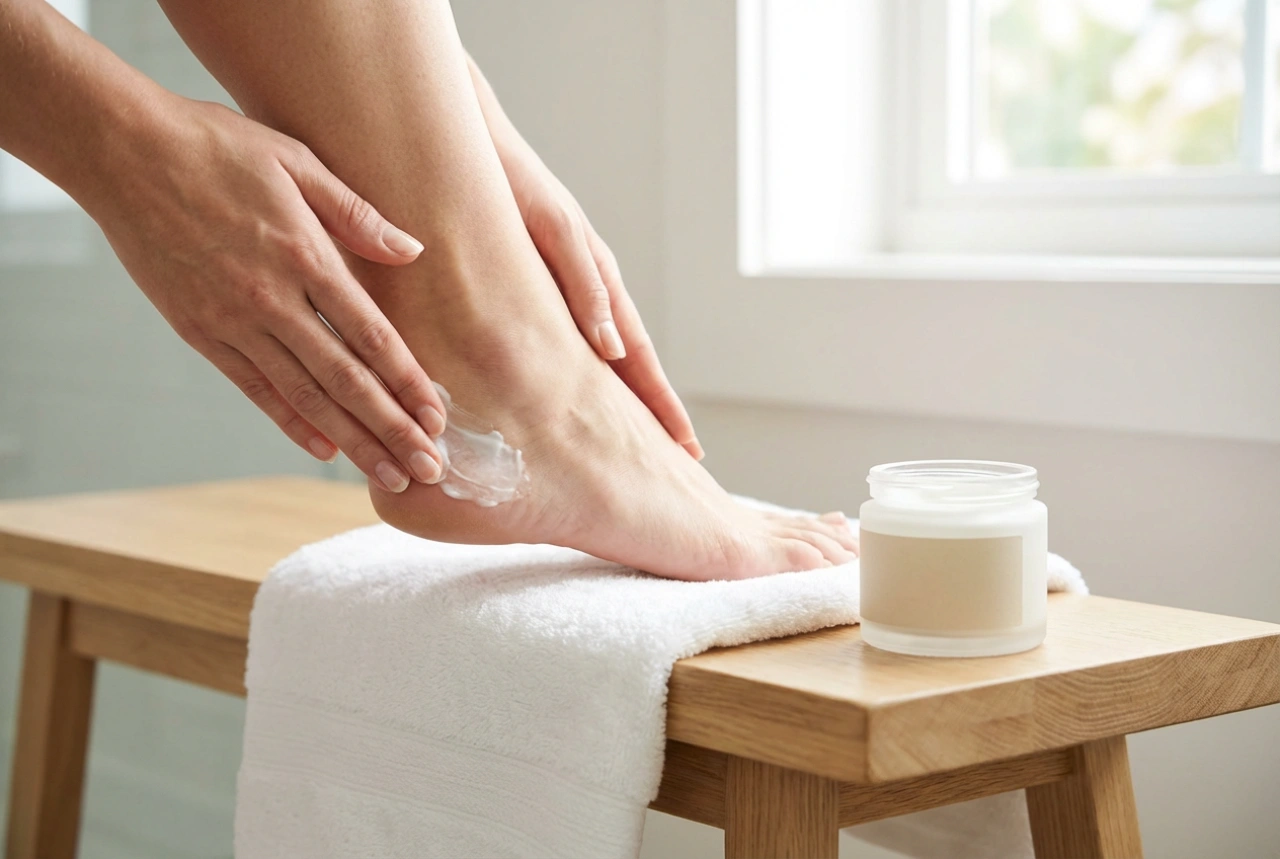
- Apply a Rich Barrier Cream: Within seconds of drying your hands, apply a generous amount of a thick, nourishing hand cream. Look for formulas containing emollients and occlusives that trap moisture and mimic the skin's natural lipid barrier.
Establishing a Long-Term Hydration Routine
Achieving lasting hydration requires consistent, daily care. To keep your hands soft and resilient over time, integrate these protective habits into your lifestyle:
Choosing the Right Ingredients
When selecting a hand cream, look for key ingredients that work together to hydrate, soothe, and protect. Effective formulations often combine humectants, which draw water into the skin, with emollients that smooth the skin surface, and occlusives that form a protective seal. Ingredients like glycerin, shea butter, plant oils, and ceramides are highly beneficial for reinforcing the skin barrier and maintaining optimal moisture levels throughout the day.
The Power of Overnight Treatments
One of the most effective ways to deeply nourish chapped hands is to utilise the hours when the body is at rest. Before going to bed, apply a very thick layer of a rich, lipid-replenishing cream or ointment to your hands. For enhanced results, you can wear soft, breathable cotton gloves overnight. This helps to lock in the moisture, allowing the active ingredients to penetrate deeply and repair the skin barrier while you sleep, ensuring you wake up with soft, hydrated hands.
Preventative Habits for Daily Protection
Prevention is always better than cure when it comes to maintaining healthy skin. Simple adjustments to your daily routine can make a significant difference in preventing dryness before it starts:
- Wear Protective Gloves: Always wear rubber or silicone gloves when doing household chores, washing dishes, or handling cleaning agents. This prevents harsh chemicals and prolonged water exposure from stripping your skin.
- Protect Against the Cold: Make it a habit to wear warm gloves when stepping outside in cold or windy weather to shield your hands from dehydrating temperatures.
- Keep Cream Within Reach: Place tubes of hydrating hand cream in convenient locations, such as next to the bathroom sink, on your desk, and in your handbag, to encourage frequent application throughout the day.