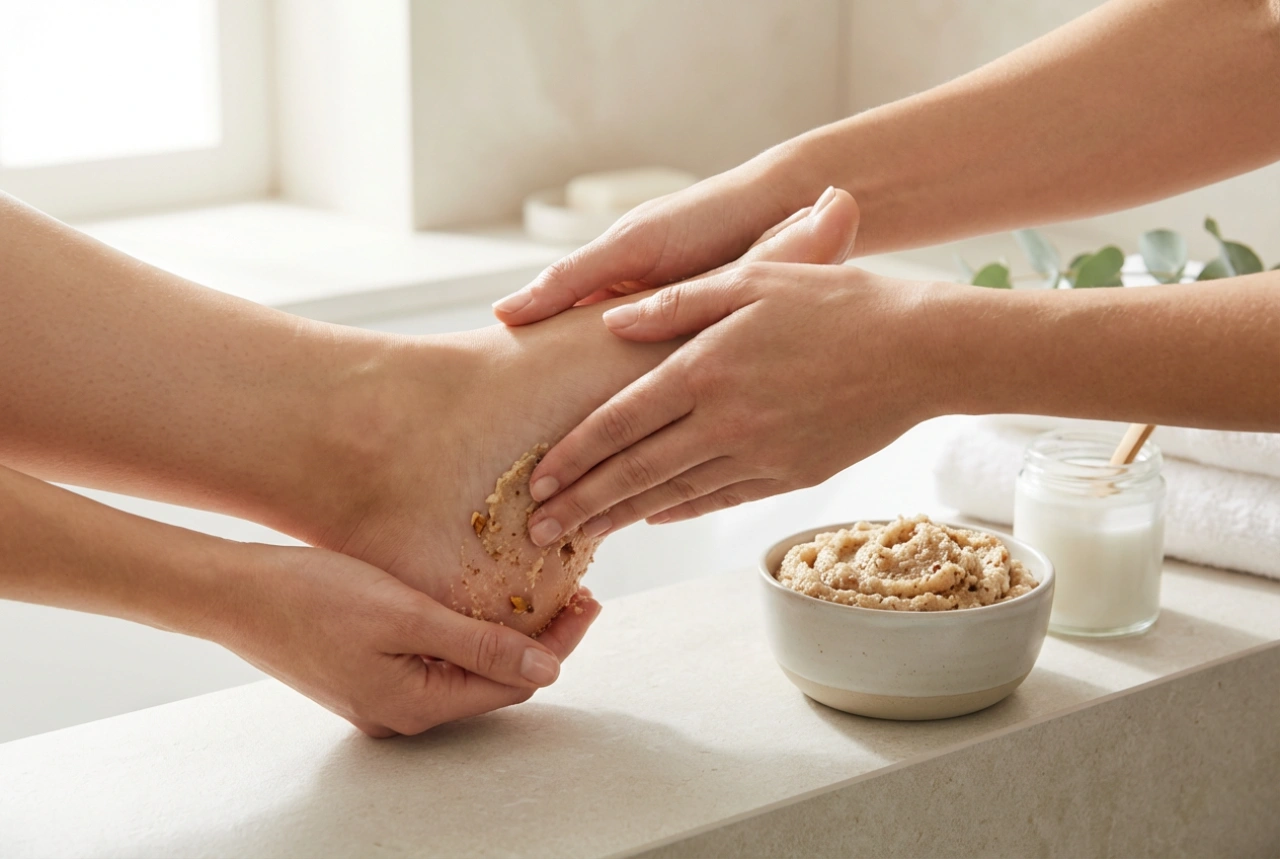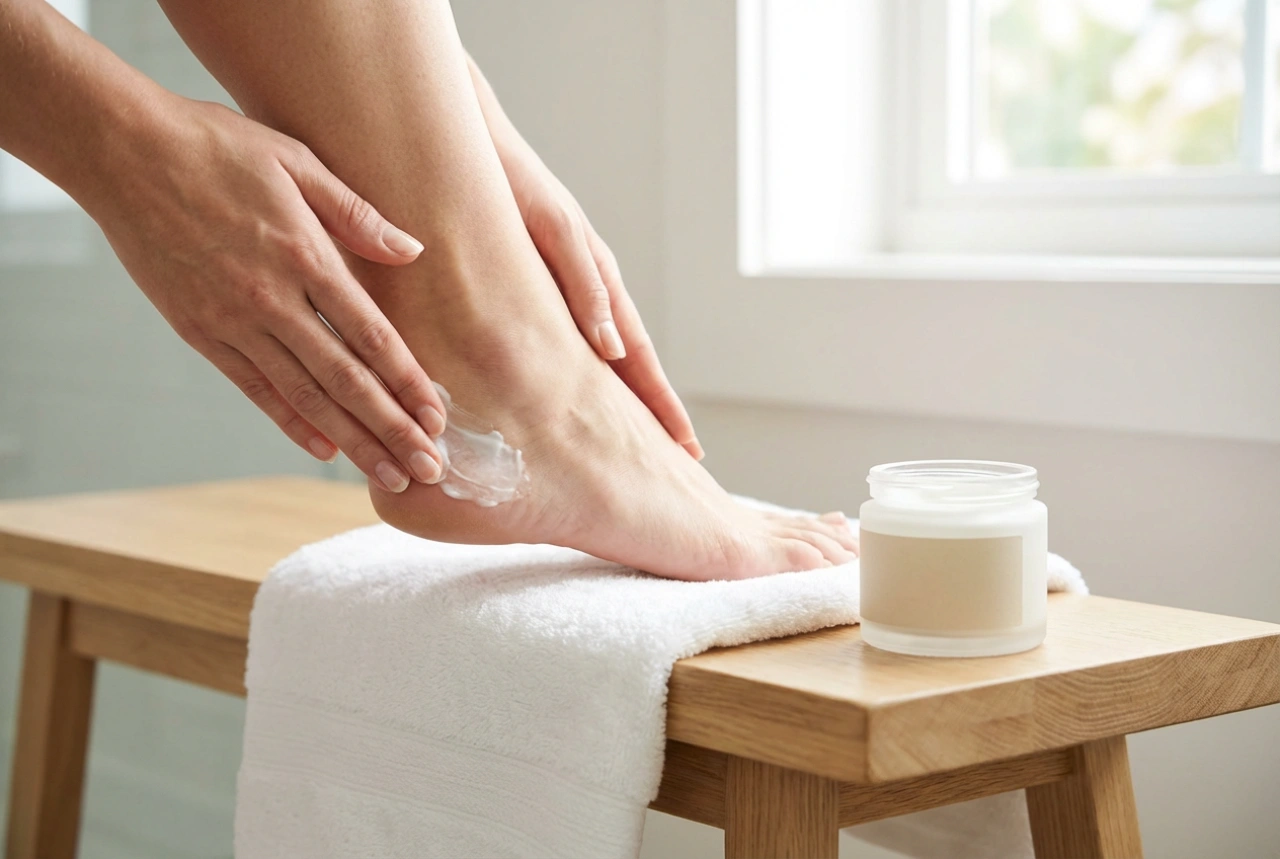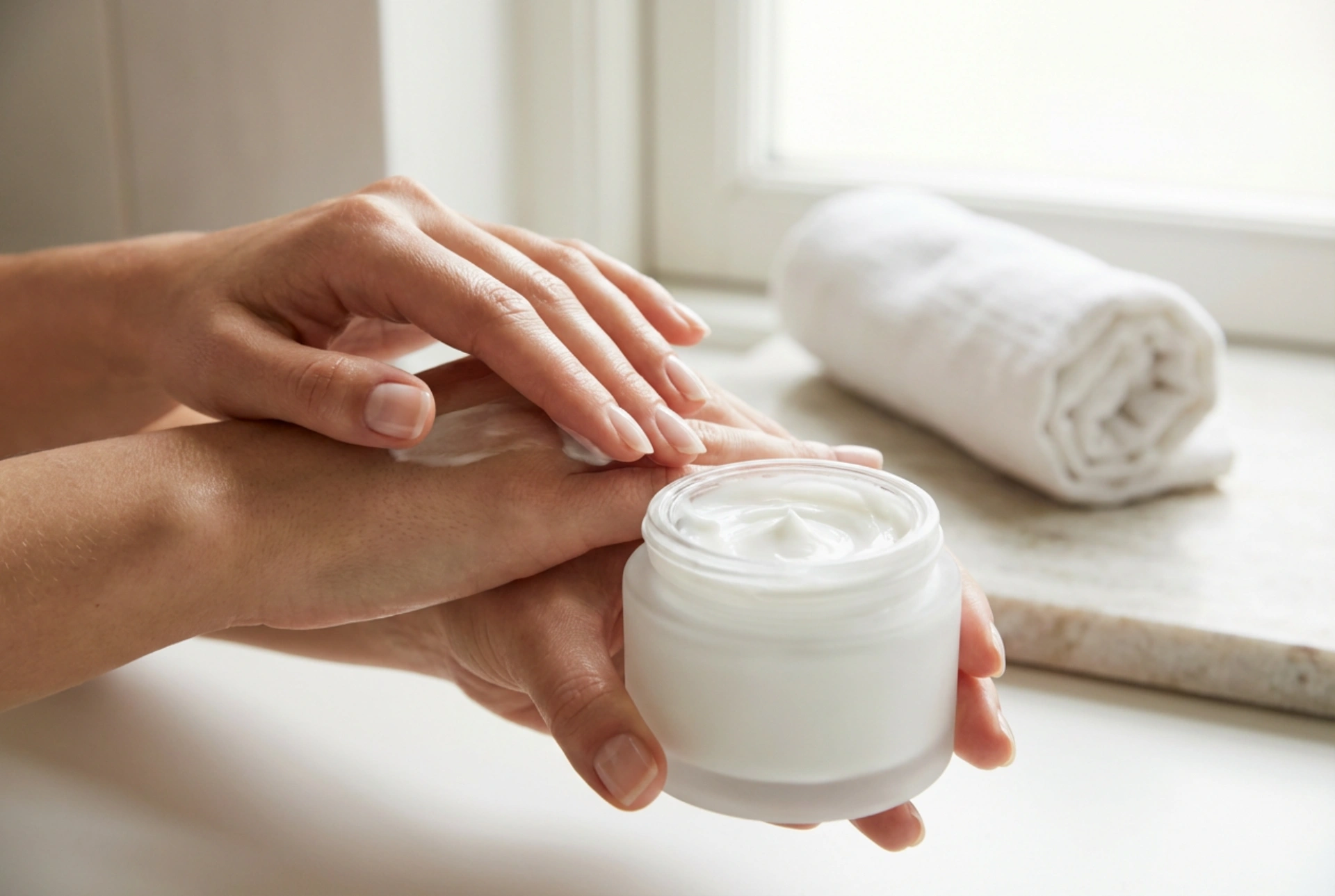


Dry and rough skin on the hands is a common concern that can affect anyone, regardless of the season. Our hands are constantly exposed to environmental factors, frequent washing, and temperature changes, which can lead to a compromised skin barrier. When the delicate skin on our hands loses its natural moisture, it requires systematic care and the right formulations. A close-up look at elegant hands gently massaging a rich, nourishing cream reveals the essence of self-care. Introducing a dedicated hand care routine can restore softness, elasticity, and comfort to even the most demanding skin.
Essential ingredients to look for in a hand cream
When selecting a cream for very dry hands, the key to success lies in analysing the ingredient list. A high-quality formulation should offer a combination of humectants, emollient substances, and protective lipids that work together to rebuild the skin barrier. Understanding how these ingredients function helps in choosing the most effective product for your daily needs.
- Glycerin: A classic humectant that attracts water from the atmosphere and binds it within the outer layers of the skin, providing immediate relief from tightness.
- Urea: In lower concentrations, urea acts as a powerful moisturiser that softens the stratum corneum and improves skin elasticity.
- Plant oils and sheabutter: Natural emollients such as shea butter, sweet almond oil, or jojoba oil create a delicate protective film on the skin surface, preventing transepidermal water loss.
- Panthenol and Allantoin: These soothing ingredients support skin regeneration, calm minor irritations, and promote the natural healing process of chapped skin.
- Ceramides: Essential lipids that help rebuild the intercellular cement, strengthening the natural protective barrier against external irritants.
The art of correct hand cream application
Applying hand cream may seem straightforward, but adopting a mindful technique can significantly enhance the absorption and effectiveness of the active ingredients. Transforming this daily necessity into a brief, relaxing self-care ritual can yield much better results for the skin's texture.
First, ensure your hands are clean and slightly damp. Applying cream immediately after washing, while the skin still retains some moisture, helps lock in hydration more effectively. Take a hazelnut-sized amount of cream and warm it between your palms. Gently massage the product into the back of your hands, which are typically the driest areas and most exposed to the elements.
Pay special attention to the spaces between your fingers, the cuticles, and the areas around your nails. Massaging the cream in circular motions not only aids absorption but also stimulates local blood circulation, promoting healthier-looking skin and nails. For an intensive overnight treatment, apply a thicker layer of cream before bed and wear soft cotton gloves to allow the active ingredients to penetrate deeply while you sleep.
How often should you apply hand cream?
Consistency is the ultimate secret to maintaining soft and healthy hands. Applying cream only when the skin feels uncomfortably dry or starts to crack is a common mistake. Prevention and regular maintenance are far more effective than trying to repair severe dryness.
As a general rule, hand cream should be applied after every single hand wash. Water and soaps, especially those with strong surfactants, strip away the skin's natural oils. Keeping a tube of moisturiser next to every sink in your home and at your workplace makes it easier to build this habit. Additionally, applying cream before going outdoors, particularly in cold or windy weather, establishes a protective shield against harsh environmental conditions.
Additional tips for maintaining soft hand skin
While choosing the right cream is vital, integrating a few lifestyle adjustments can protect your hands from drying out in the first place. Gentle daily habits go a long way in preserving the natural beauty of your hands.
When performing household chores, such as washing dishes or cleaning, always wear protective gloves to shield your skin from harsh cleaning agents and prolonged water exposure. Opt for mild, fragrance-free hand washes that cleanse gently without stripping moisture. Finally, pay attention to the water temperature; lukewarm water is much gentler on the skin barrier than hot water, which can deplete natural lipids and exacerbate dryness.