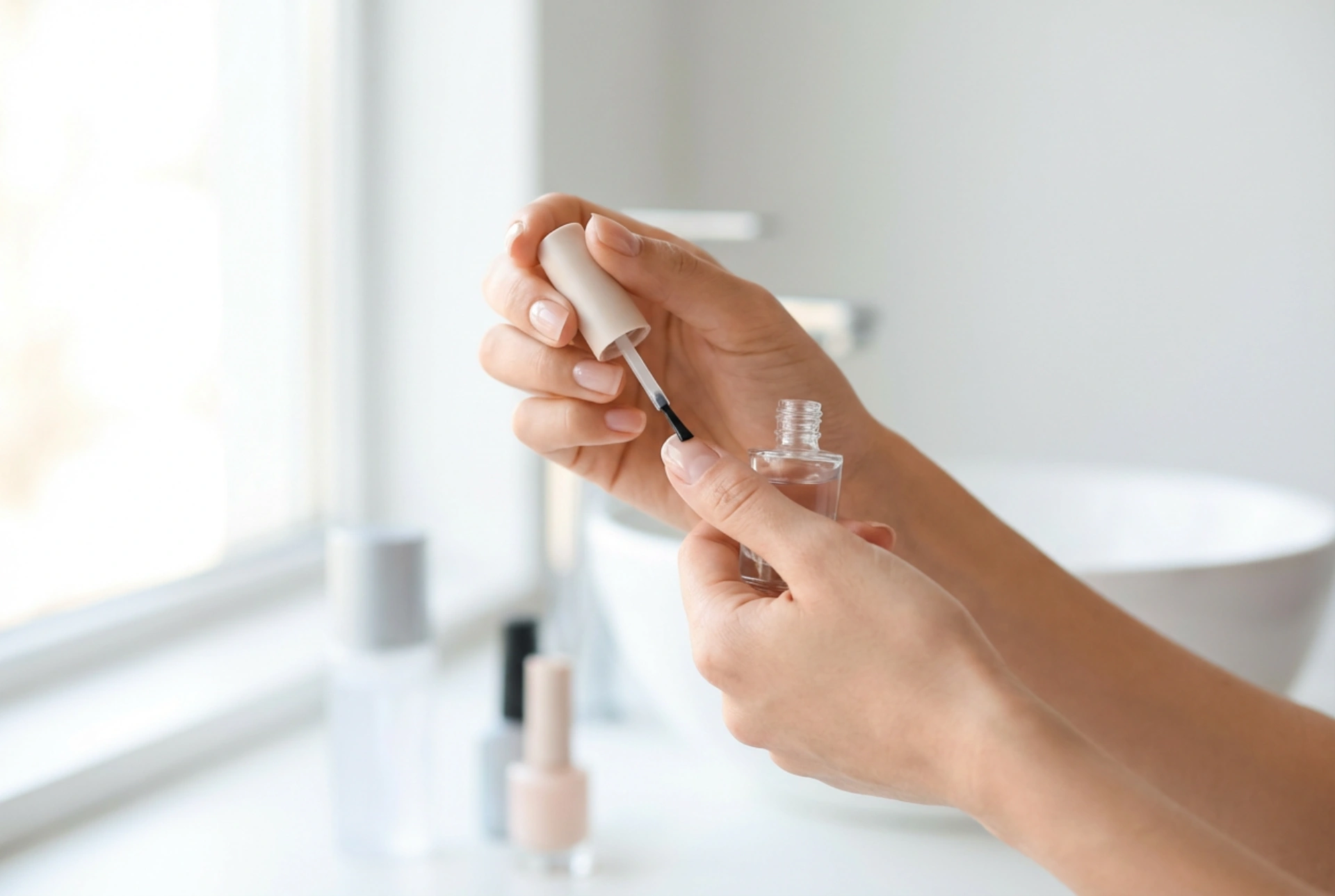


A flawless, long-lasting manicure begins long before the first coat of colour is applied. In the world of nail care and styling, the base coat serves as the essential foundation that determines both the durability and the aesthetic appeal of your manicure. Proper preparation, coupled with the right product selection, ensures that your nails remain strong, protected, and beautifully styled for weeks. Understanding the role of this vital layer is the first step toward achieving professional-quality results at home.
Why is a Nail Base Coat Essential?
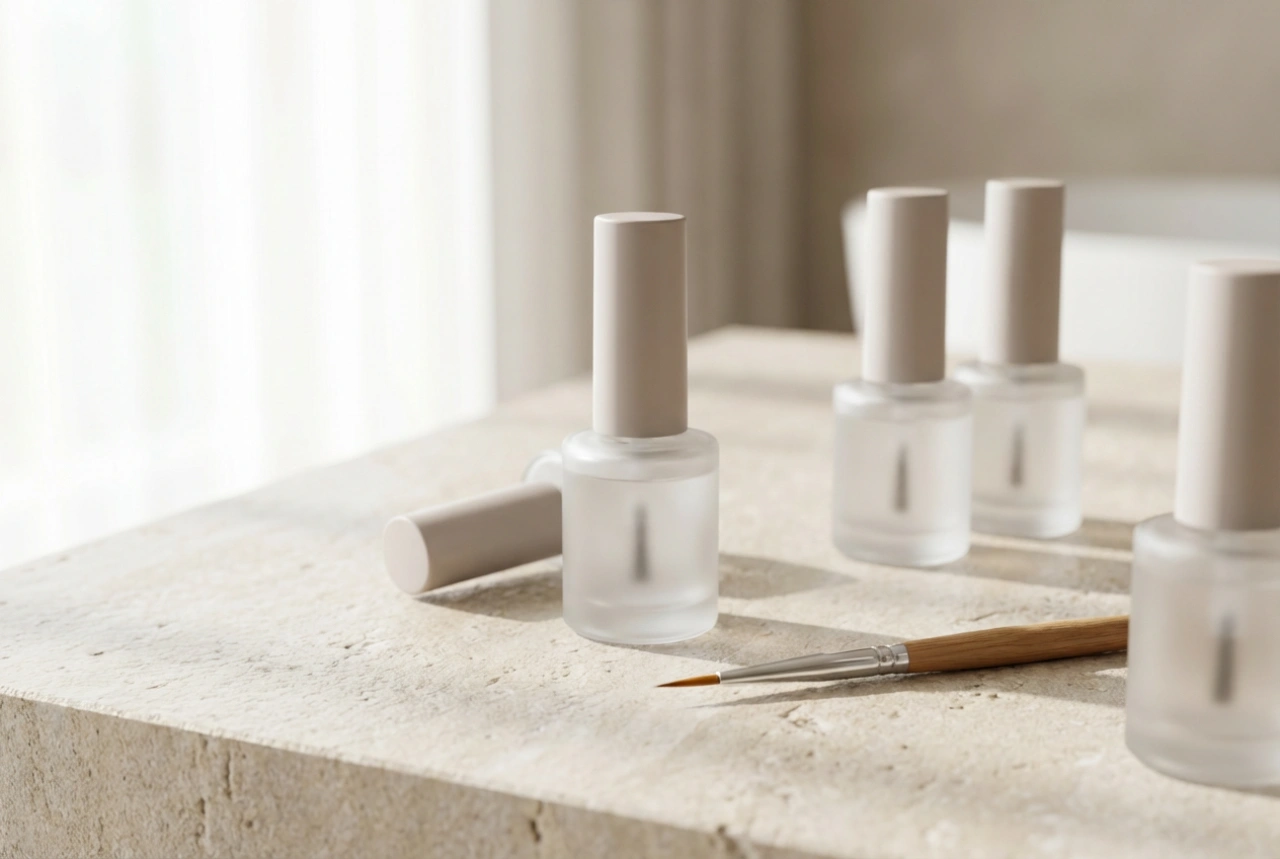
The primary function of a nail base coat is to act as a protective barrier between the natural nail plate and the active ingredients in coloured polishes. Without this protective layer, pigments from darker polishes can easily penetrate the porous structure of the natural nail, leading to unsightly yellowing or staining that is difficult to remove. Additionally, a base coat provides the necessary adhesion, acting like a double-sided tape that binds the natural nail plate to the subsequent layers of polish, preventing chipping and peeling.
Furthermore, a high-quality base coat helps to smooth out any structural irregularities on the nail surface. Natural nails often feature subtle ridges, grooves, or uneven textures. The base coat fills in these microscopic imperfections, creating a perfectly flat, uniform surface. This leveling effect ensures that the coloured polish glides on smoothly, resulting in a professional, high-shine finish.
How to Choose the Right Base Coat for Your Nail Type
Not all nails are created equal, and choosing the correct base coat depends heavily on the condition of your natural nails. Selecting a product tailored to your specific needs is crucial for achieving the best results:
- Classic Smooth Base: Ideal for normal, healthy nails. It provides a thin, flexible layer that enhances adhesion and prevents staining without altering the natural thickness of the nail.
- Strengthening Base: Designed for weak, brittle, or splitting nails. These formulas are often enriched with vitamins and minerals that help reinforce the nail structure over time, preventing breakage under the manicure.
- Rubber or Thick Base: Perfect for uneven, ridged, or very flexible nails. Due to its thicker consistency, it excels at self-leveling and can even be used to gently build up or correct the architecture of the nail plate.
Step-by-Step Guide to Perfect Base Coat Application
Applying a nail base coat correctly requires precision and attention to detail. To ensure maximum durability and a clean look, follow these fundamental steps during your next home manicure ritual:
1. Preparation of the Nail Plate
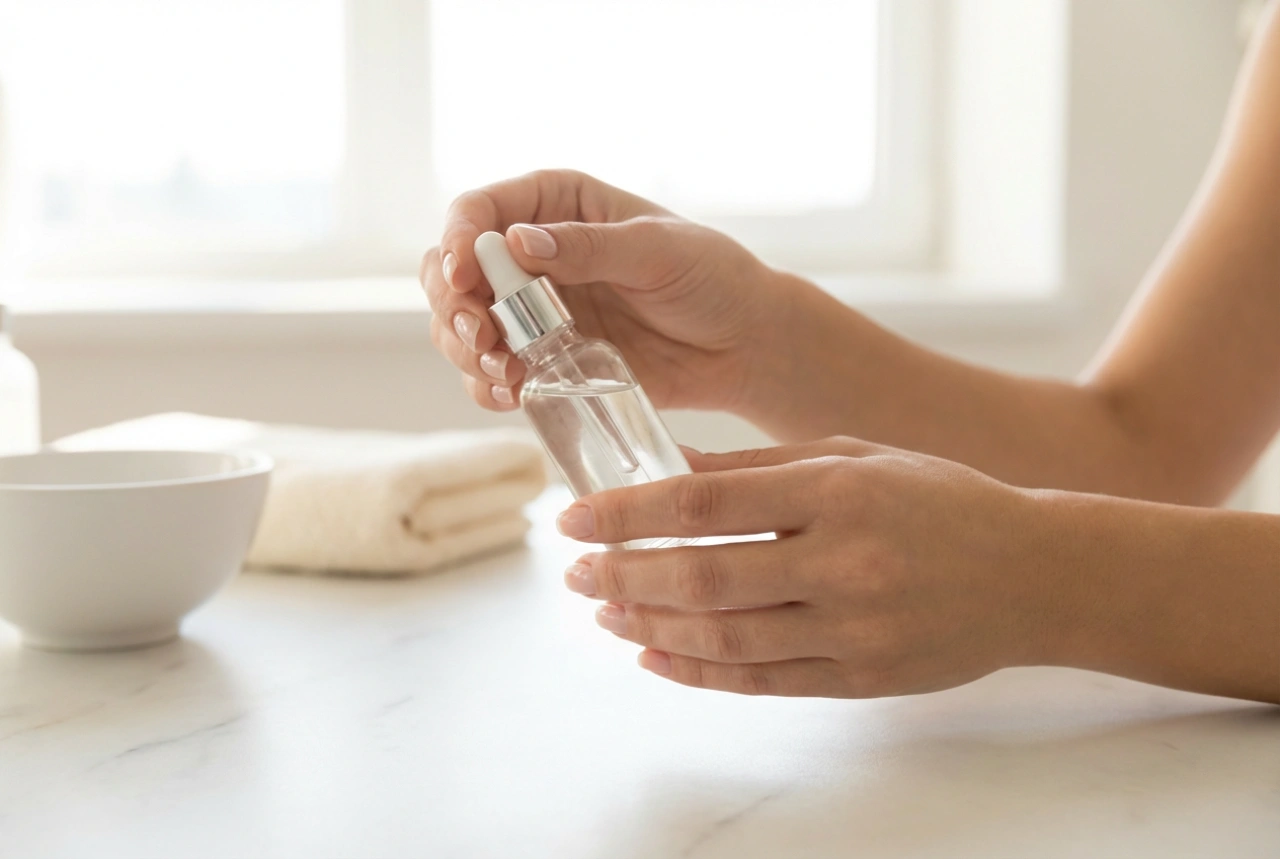
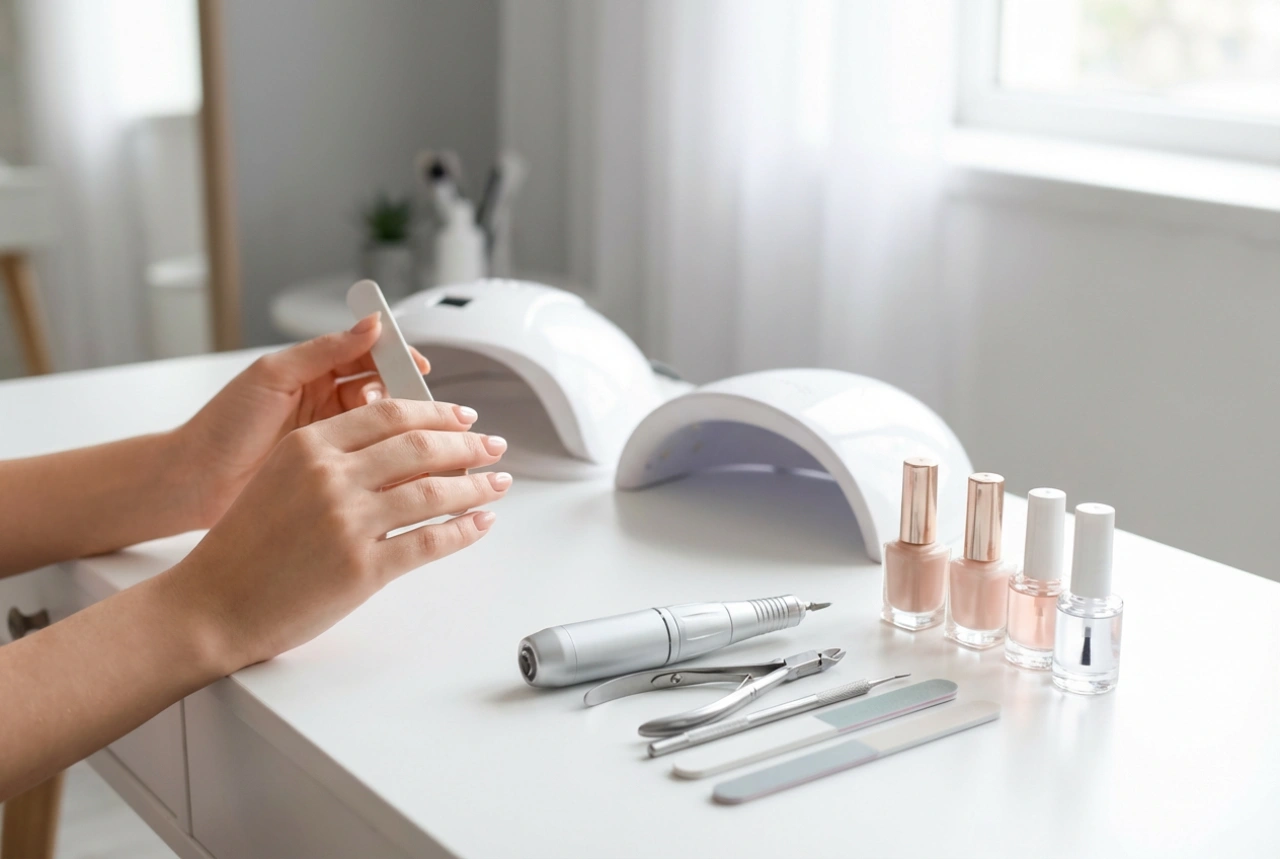
Before any product touches your nail, the surface must be meticulously cleaned and prepared. Begin by gently pushing back the cuticles using a wooden stick or a dedicated tool. Next, use a fine-grit buffer to gently mattify the surface of the nail plate, removing any natural oils or shine. Finally, wipe the nails thoroughly with a degreasing agent to remove dust and residual moisture, ensuring perfect adhesion.
2. The Art of Precise Application
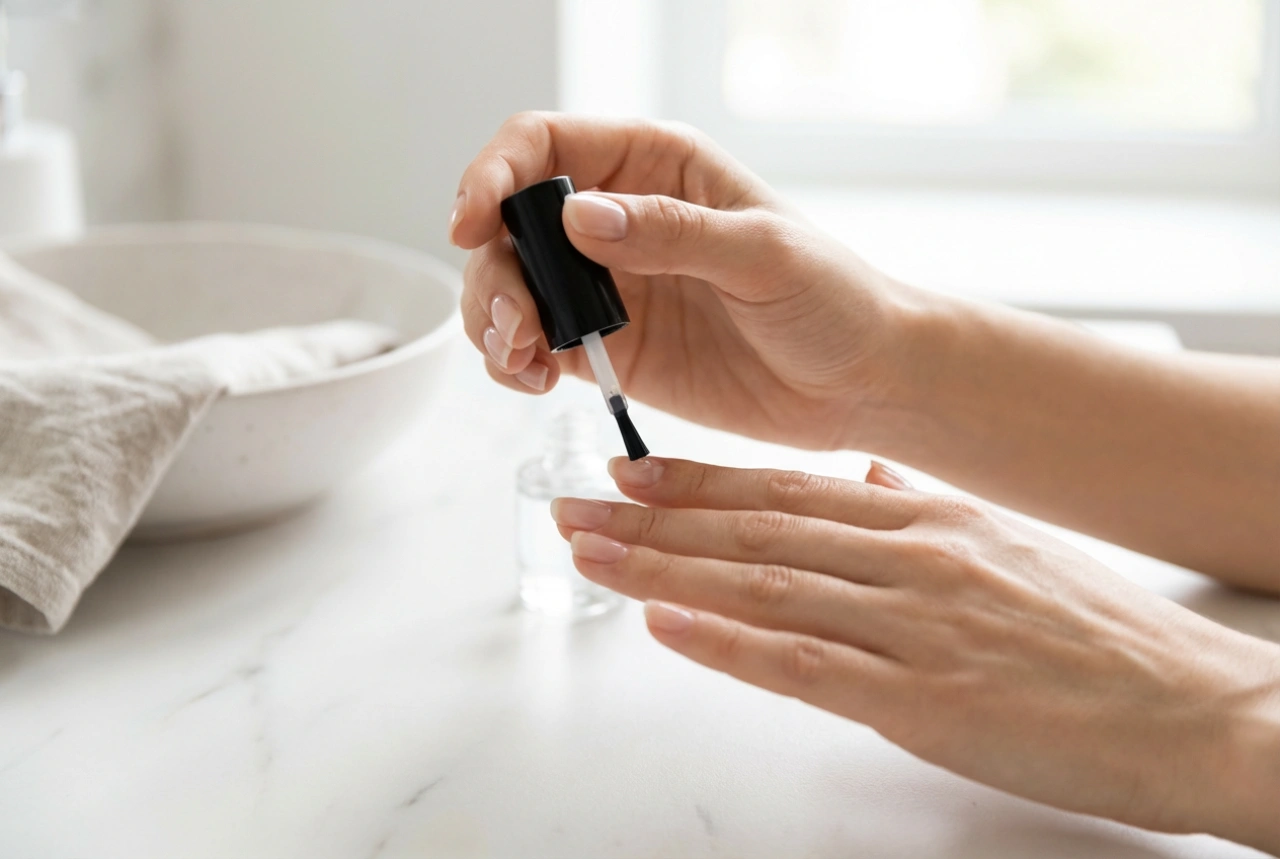
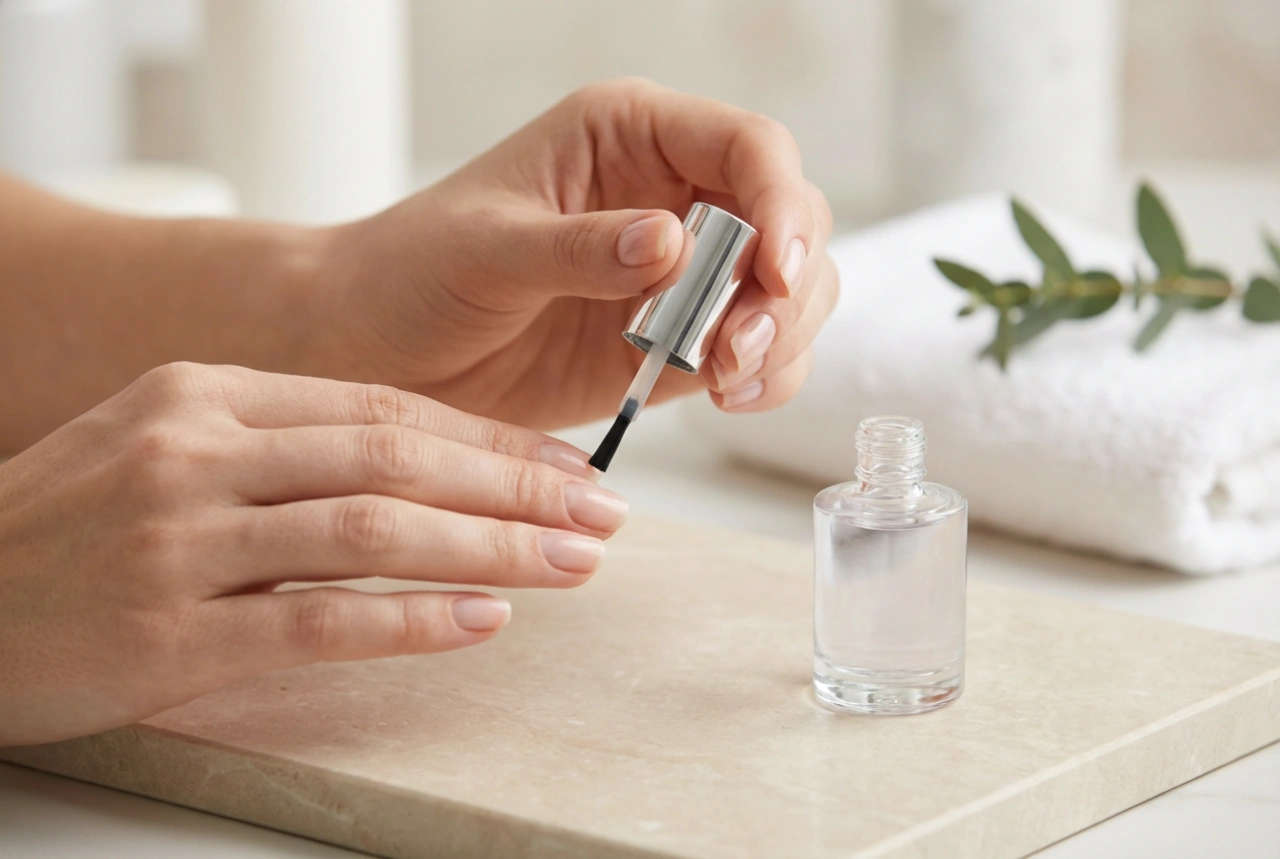
When applying the base coat, moderation is key. Wipe any excess product off the brush onto the neck of the bottle; a thin, even layer is far more effective than a thick one. Place the brush in the centre of the nail, slightly away from the cuticle line, and gently push it toward the cuticle before sweeping down to the free edge. Always ensure you seal the free edge of the nail by running the brush along the very tip, which prevents premature lifting and chipping.
3. Drying and Curing
Depending on the type of product used, allow the base coat to dry completely in the air or cure it under a dedicated lamp according to the manufacturer's guidelines. Avoid touching the sticky inhibition layer that often remains after curing, as this layer is designed to bond with the subsequent colour coats.
Common Mistakes to Avoid
Even with high-quality products, certain errors can compromise the longevity of your manicure. One of the most common mistakes is flooding the cuticles. If the base coat touches the skin surrounding the nail, it creates an air pocket as the nail grows, leading to rapid lifting of the entire manicure. Always keep a safe, microscopic gap between the product and your skin.
Another frequent oversight is neglecting to degrease the nail plate before application. Any remaining hand lotion, natural sebum, or moisture will prevent the base coat from bonding properly, causing the polish to peel off within days. Patience during the preparation stage is the ultimate secret to a long-lasting, elegant manicure.