

Maintaining beautiful, well-manicured hands does not have to interfere with an active lifestyle. Whether you practise yoga, lift weights, or enjoy high-intensity workouts, your nails are constantly exposed to friction, pressure, and moisture. Selecting the right length, shape, and protective coating ensures that your manicure remains flawless while minimising the risk of accidental damage during physical activity.
The Importance of the Right Nail Length
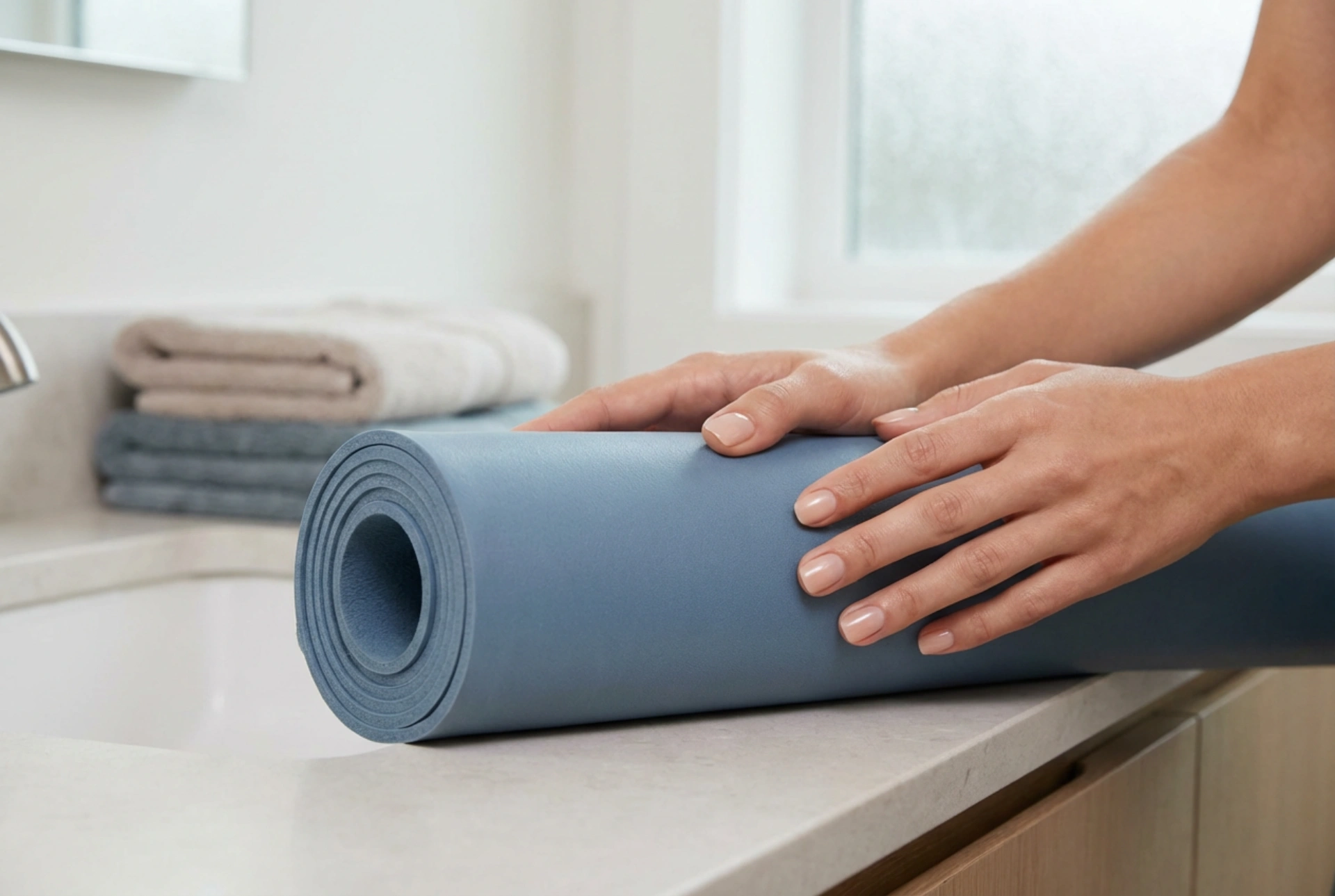
When it comes to regular physical exercise, length is the most critical factor for nail safety. Long nails act as levers; when they hit gym equipment, yoga mats, or sports gear, the force is transferred directly to the nail bed. This can lead to painful lifting, cracking, or even complete detachment of the nail plate.
Keeping your nails short or moderately active-length is the most practical solution. A short nail plate, where the free edge does not extend far beyond the fingertip, is significantly less likely to snag on fabrics or bend under pressure. This length allows you to grip weights, hold planks, and adjust equipment comfortably without worrying about breaking your manicure.
Selecting the Safest Nail Shape
The shape of your nails plays a vital role in distributing pressure and preventing snags. Some shapes are naturally more structurally sound than others, making them ideal for fitness enthusiasts:
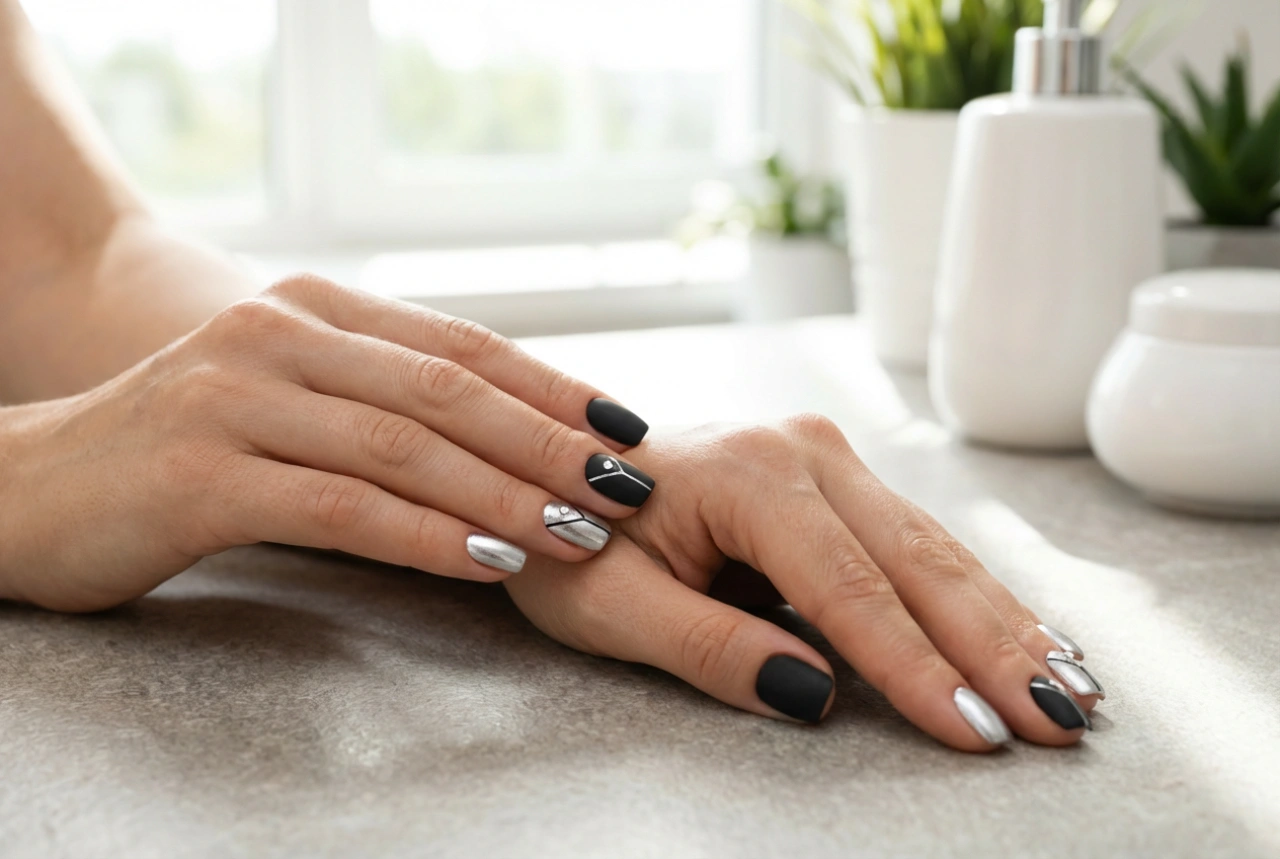
- Squoval (Square with Rounded Edges): This is the gold standard for active individuals. It combines the clean aesthetic of a square nail with the practical, snag-free benefits of rounded corners. It mirrors the natural curve of the fingertip, providing excellent strength and durability.
- Round: A classic round shape is incredibly resilient. With no sharp corners or edges, there is virtually nothing to catch on clothing, gym bags, or exercise mats. It is highly recommended for those with weaker natural nails.
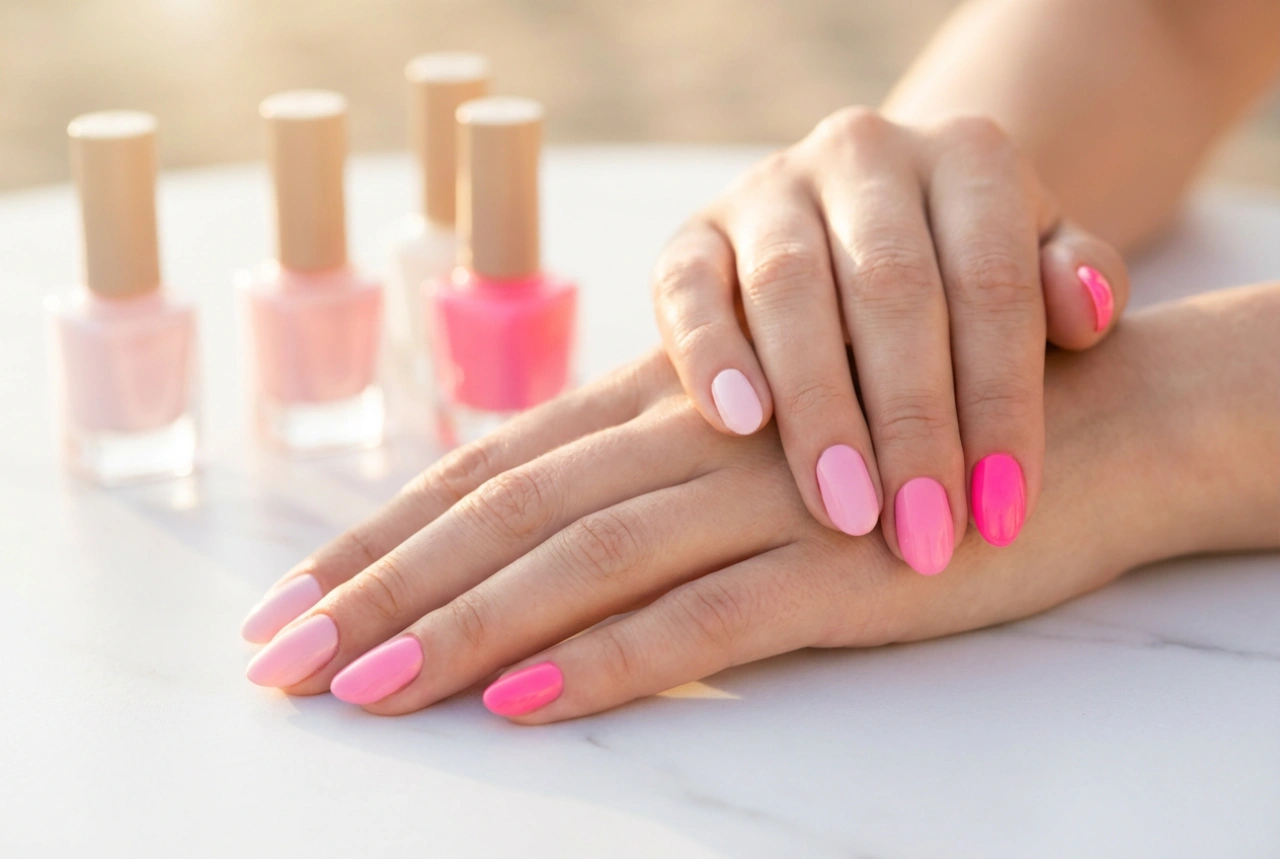
- Oval: Suitable for slightly longer active nails, the oval shape provides an elegant look while maintaining a smooth, continuous edge that reduces the risk of chipping.
It is best to avoid sharp square shapes, stiletto, or long coffin nails if you exercise regularly, as their prominent corners and extended tips are highly vulnerable to cracking and breaking under stress.
Durable Finishes and Protective Coatings
The type of product used to coat your nails determines how well they withstand the wear and tear of a workout. Active hands require formulas that offer both flexibility and strength. Traditional nail polishes often chip within hours of a workout due to friction and contact with sweat.
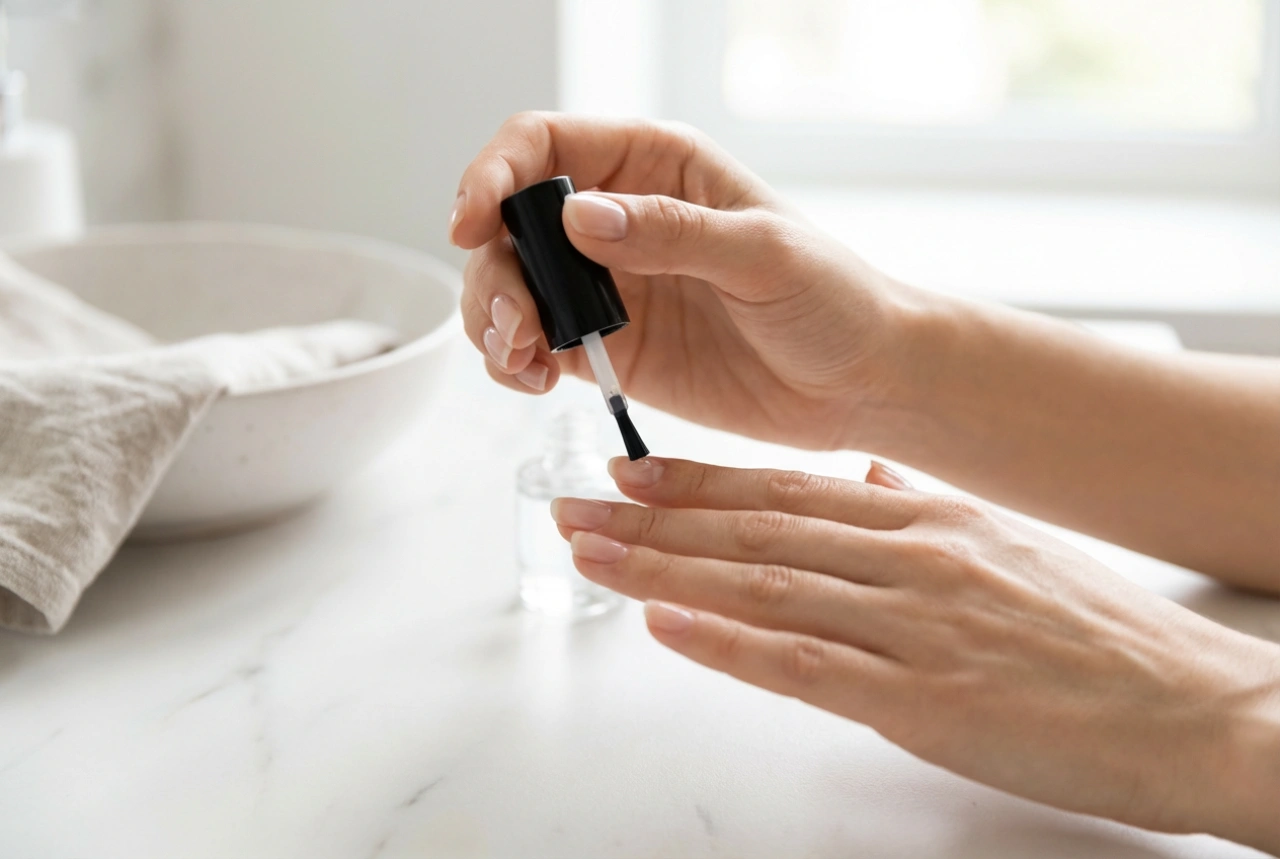
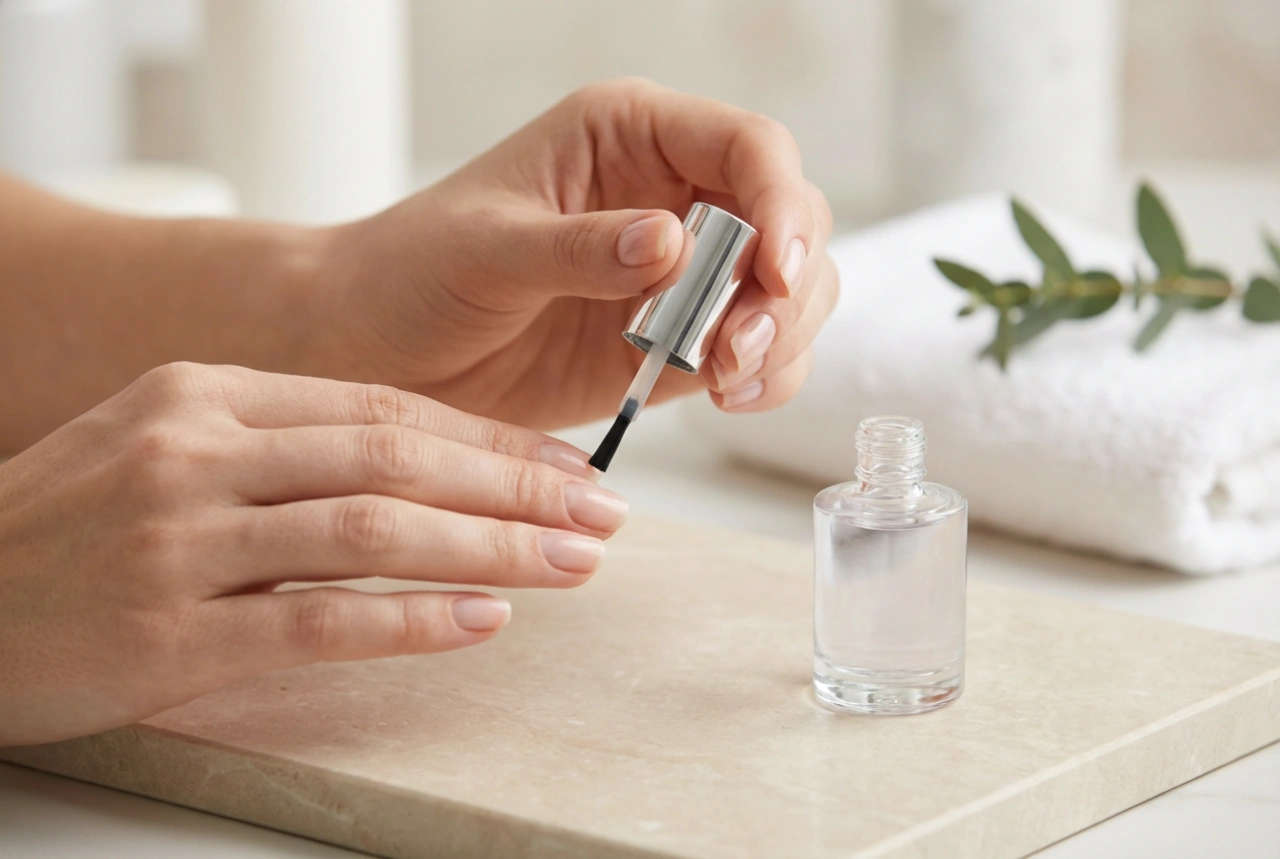
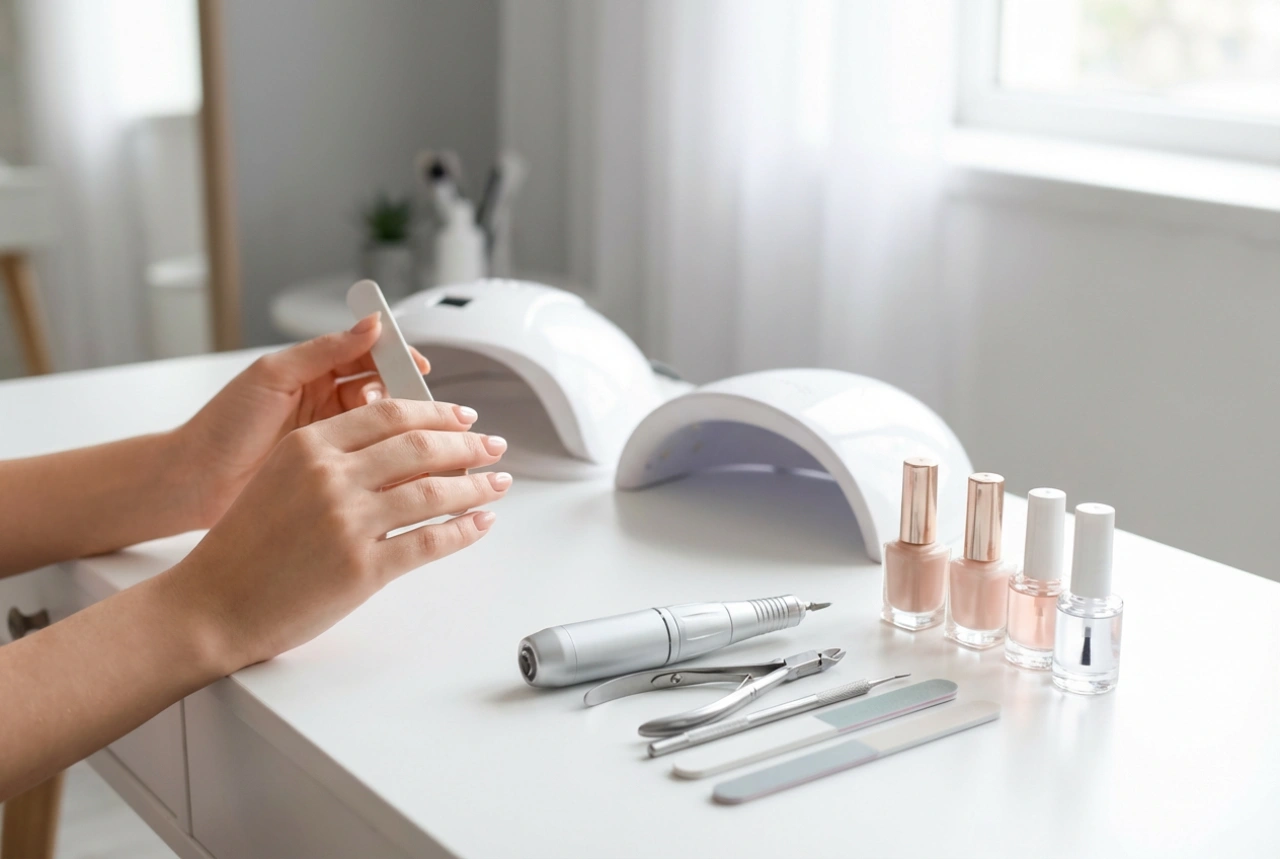
For a long-lasting finish, consider a high-quality gel system or a durable hybrid polish. These formulas are cured under a lamp, creating a resilient barrier that flexes with the natural nail rather than cracking. A reinforcing base coat, such as a rubber base, can provide extra shock absorption, which is particularly beneficial when handling heavy gym equipment. To maintain a healthy sheen and protect the colour from dulling due to chalk or sweat, always seal the manicure with a scratch-resistant top coat.
Pre- and Post-Workout Nail Care
Proper care before and after your exercise routine is essential for maintaining nail strength and hygiene. Sweat contains salts that can dry out the skin around the nails, making the cuticles prone to peeling and splitting.
Before your workout, ensure your hands are clean and dry. Avoid applying heavy hand creams right before exercising, as this can make your grip slippery and unsafe. After your workout and a thorough hand wash, apply a nourishing cuticle oil containing natural oils, such as jojoba or sweet almond oil. Regular hydration keeps the nail plate flexible, preventing the brittleness that leads to snaps and chips during your next fitness session.