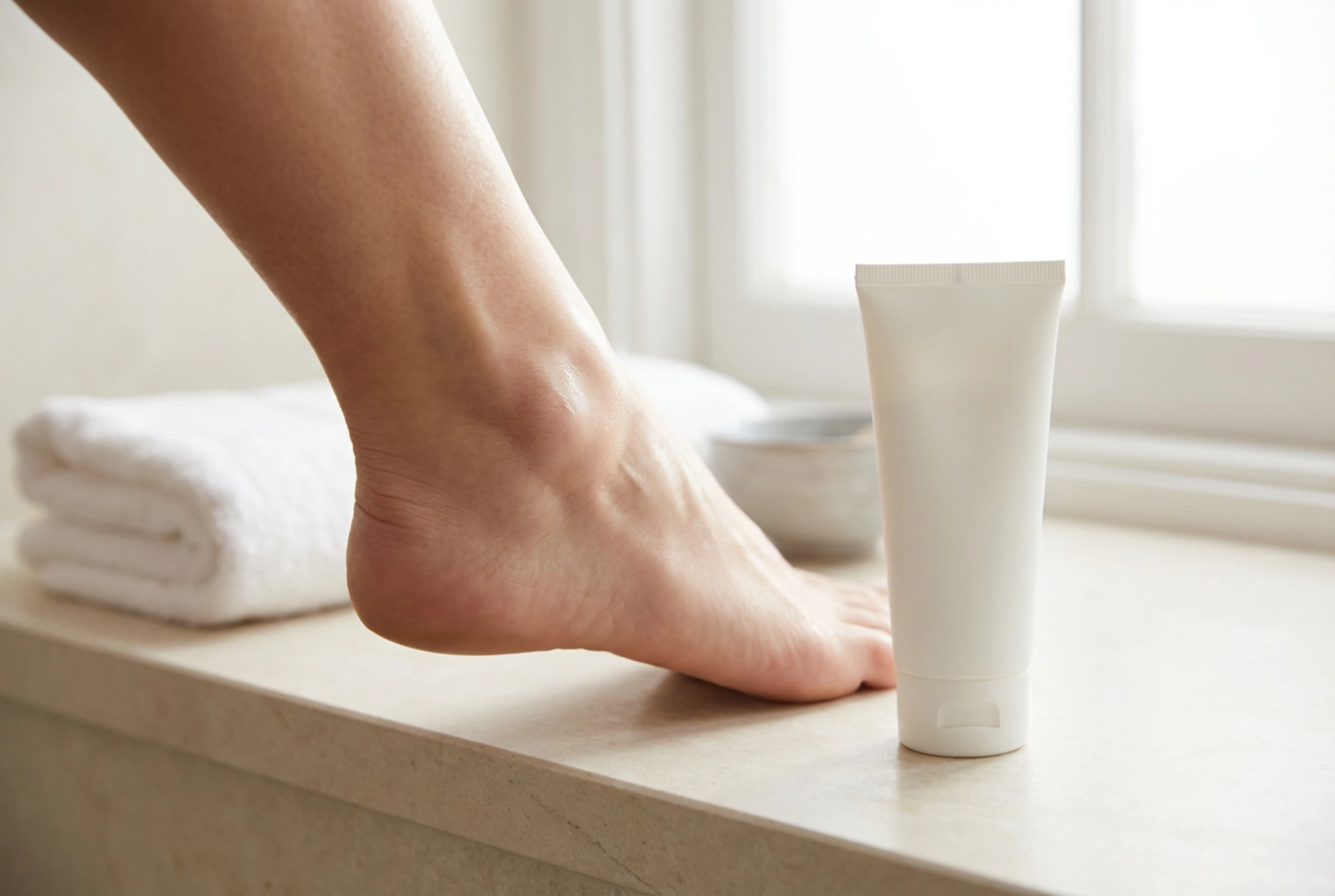


A regular foot care routine is essential for maintaining soft, comfortable, and healthy-looking skin. The heels are particularly prone to dryness, thickening, and rough textures due to the daily pressure they endure. To restore smoothness and prevent the build-up of hardened epidermis, targeted cosmetic solutions are highly beneficial. In particular, formulations containing a high concentration of urea can offer intensive support, transforming a simple evening ritual into a deeply nurturing experience.
Understanding Hardened Heel Skin
The skin on our feet is naturally thicker than on other parts of the body, lacking sebaceous glands and containing a high density of sweat glands instead. This unique structure makes the heels highly susceptible to moisture loss. When the skin loses its natural suppleness, the constant friction and pressure from walking lead to a rapid accumulation of dead skin cells. Over time, this process forms a tough, yellowed, or grayish layer of hardened skin that feels rough to the touch and lacks flexibility.
Addressing this concern requires more than just standard hydration. Regular moisturizers often fail to penetrate these dense layers effectively. This is where specialized ingredients, known for their ability to soften and gently break down hardened keratin structures, become indispensable in daily foot care.
The Role of 30% Urea in Foot Care
Urea is a naturally occurring component of the skin's Natural Moisturizing Factor (NMF). When used in cosmetic formulations, its effects vary significantly depending on the concentration. While lower percentages primarily hydrate, a concentration of 30% urea offers a powerful dual action that is ideal for dry and heavily calloused feet.
Exfoliating and Softening Properties
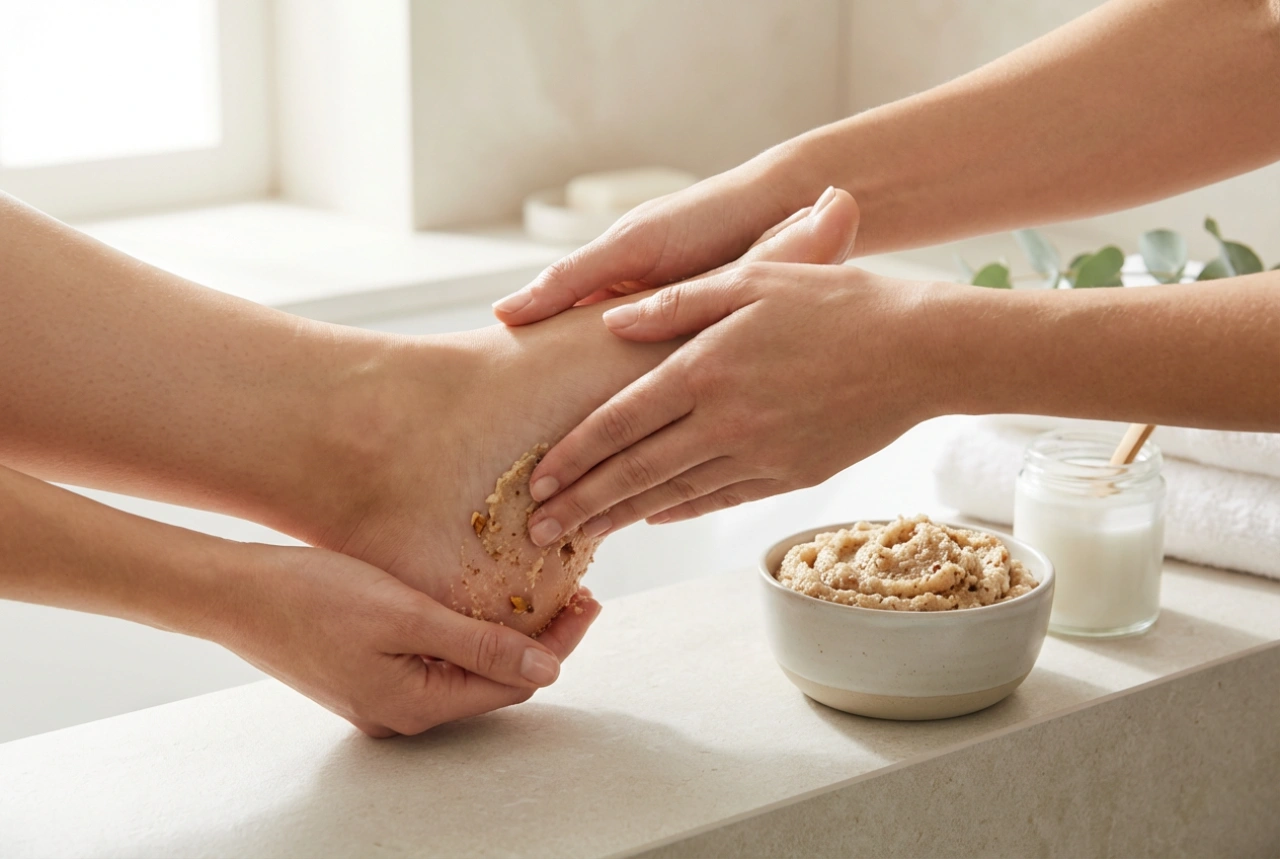
At a 30% concentration, urea acts as an effective keratolytic agent. It works by gently breaking down the cellular bonds within the hardened outer layers of the skin. This process facilitates the natural shedding of dead skin cells without the need for aggressive physical scrubbing, which can sometimes irritate the skin further. By softening the tough keratin structure, it reveals the fresher, more pliable skin underneath.
Intense Hydration and Moisture Retention
Beyond its exfoliating properties, urea is highly hygroscopic, meaning it attracts and binds water molecules within the skin barrier. Even at higher concentrations, it ensures that the newly uncovered skin layers remain deeply hydrated, supple, and resilient. This dual action not only smooths the surface but also helps to prevent the rapid re-formation of rough patches.
How to Incorporate High-Urea Cream into Your Routine
To achieve the best results from a foot cream containing 30% urea, consistency and proper application techniques are key. Integrating this product into a mindful evening care routine can maximize its benefits.
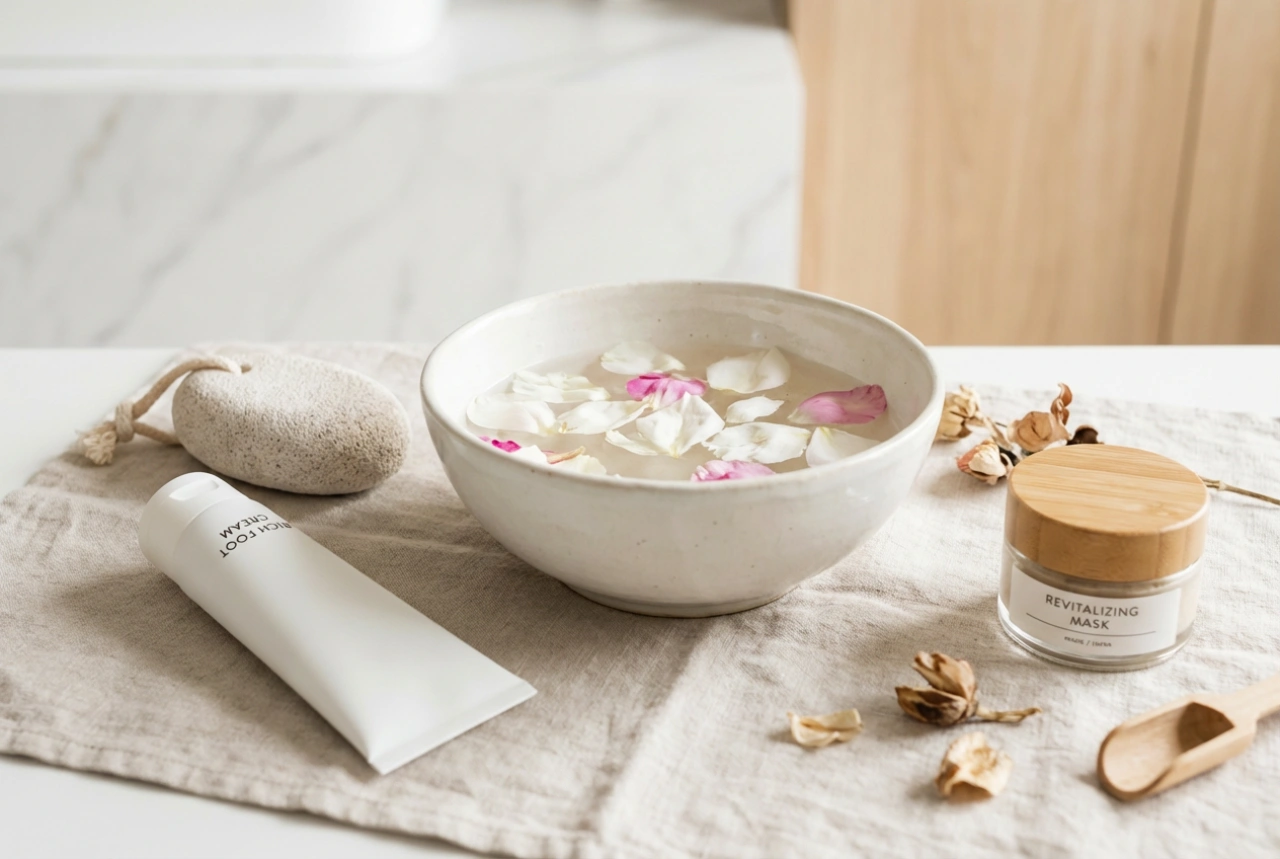
- Preparation: Begin with a warm, relaxing foot bath for 10 to 15 minutes. This helps to pre-soften the skin and prepares it to absorb the active ingredients.
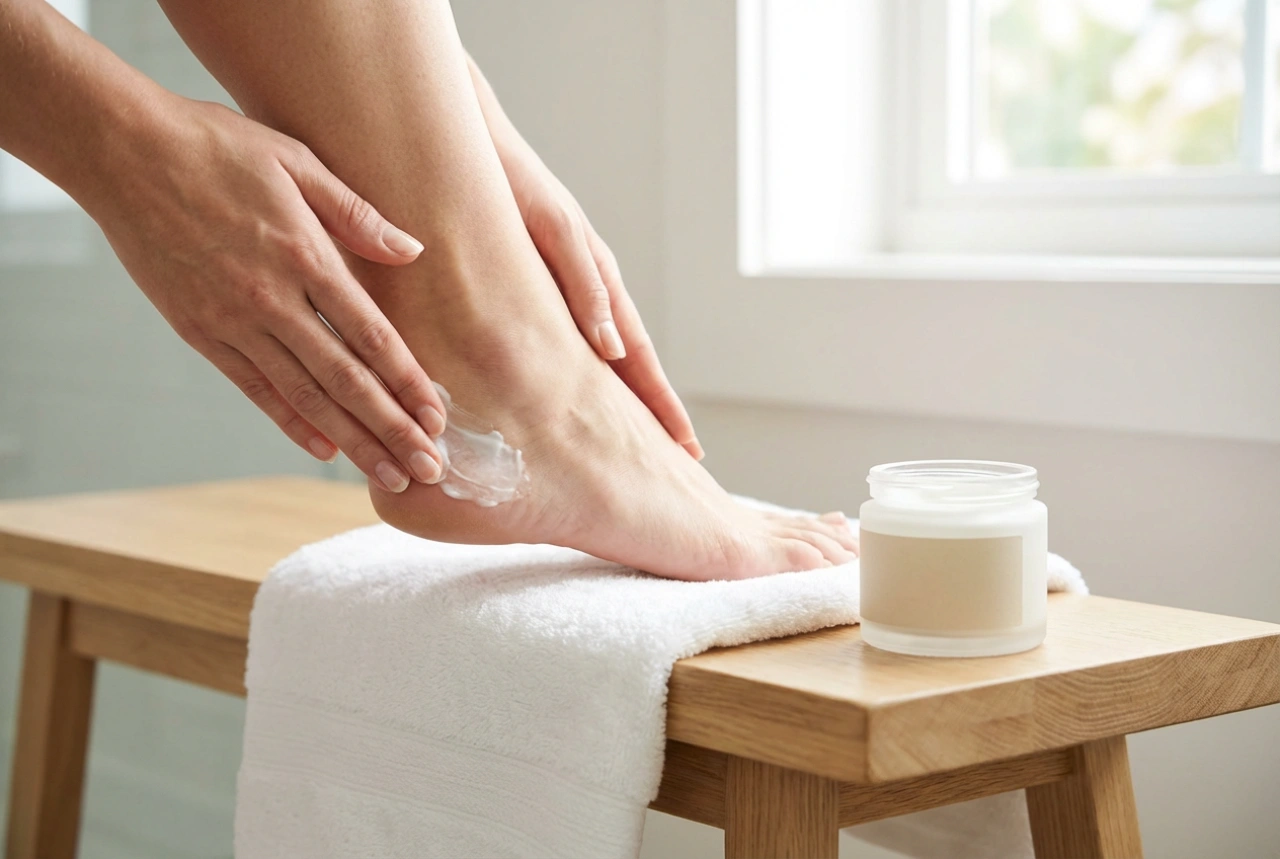
- Application: Apply a small amount of the cream directly to the hardened areas, focusing primarily on the heels and the balls of the feet.
- Massage: Gently massage the product into the skin using circular motions until it is fully absorbed. This also promotes local circulation and relaxation.
- Overnight Care: For an intensive treatment, apply a slightly thicker layer of cream before bed and wear clean, breathable cotton socks to lock in the moisture overnight.
Tips for Maintaining Smooth Heels
Maintaining soft feet is a continuous process that benefits from a combination of protective habits and regular nourishment. Alongside using a high-urea cosmetic, consider the following gentle practices:
- Avoid overly hot foot baths, which can strip away natural lipids and exacerbate dryness.
- Opt for comfortable, well-fitting footwear that reduces unnecessary friction and uneven pressure distribution.
- Stay hydrated throughout the day to support skin health from the inside out.
- Limit the use of sharp metal foot files, as aggressive mechanical scraping can trigger the skin to produce even more protective, hardened layers.