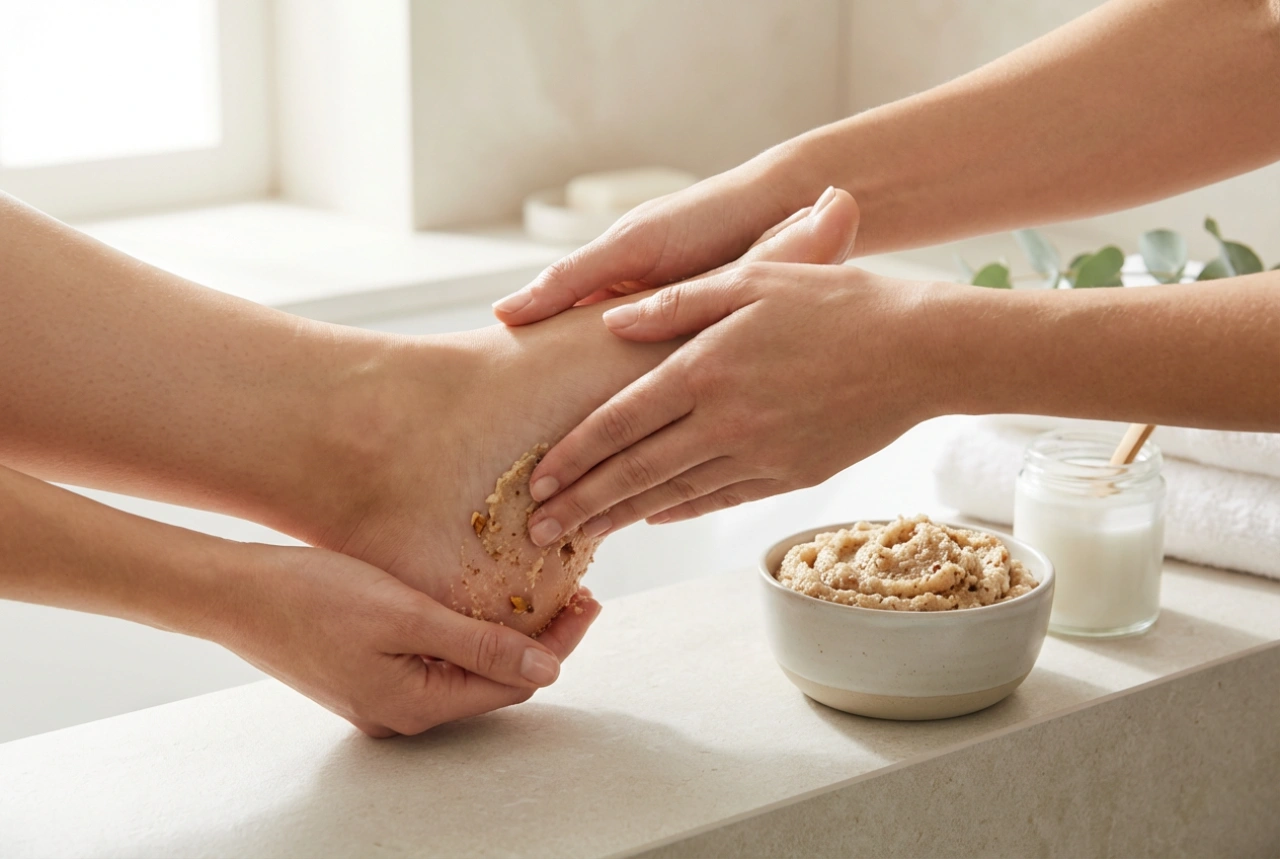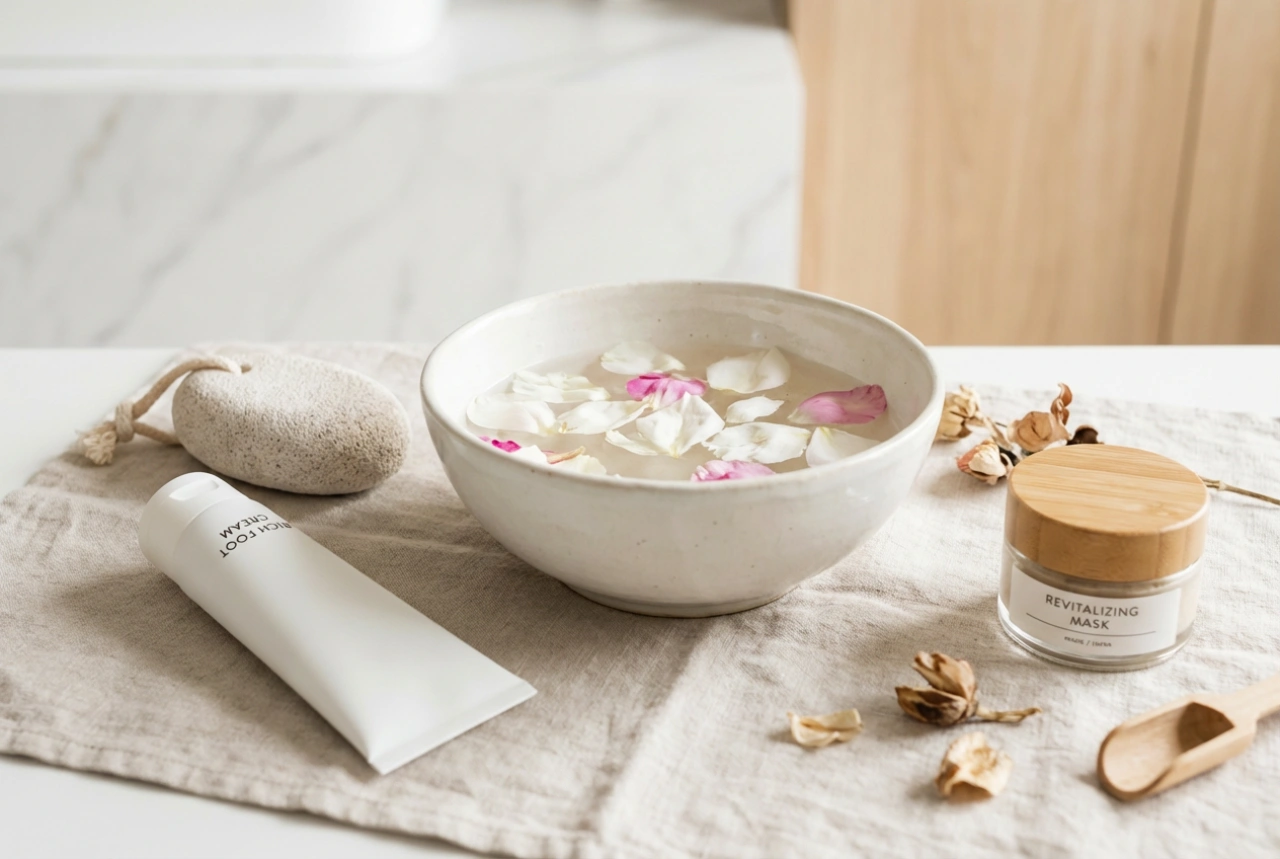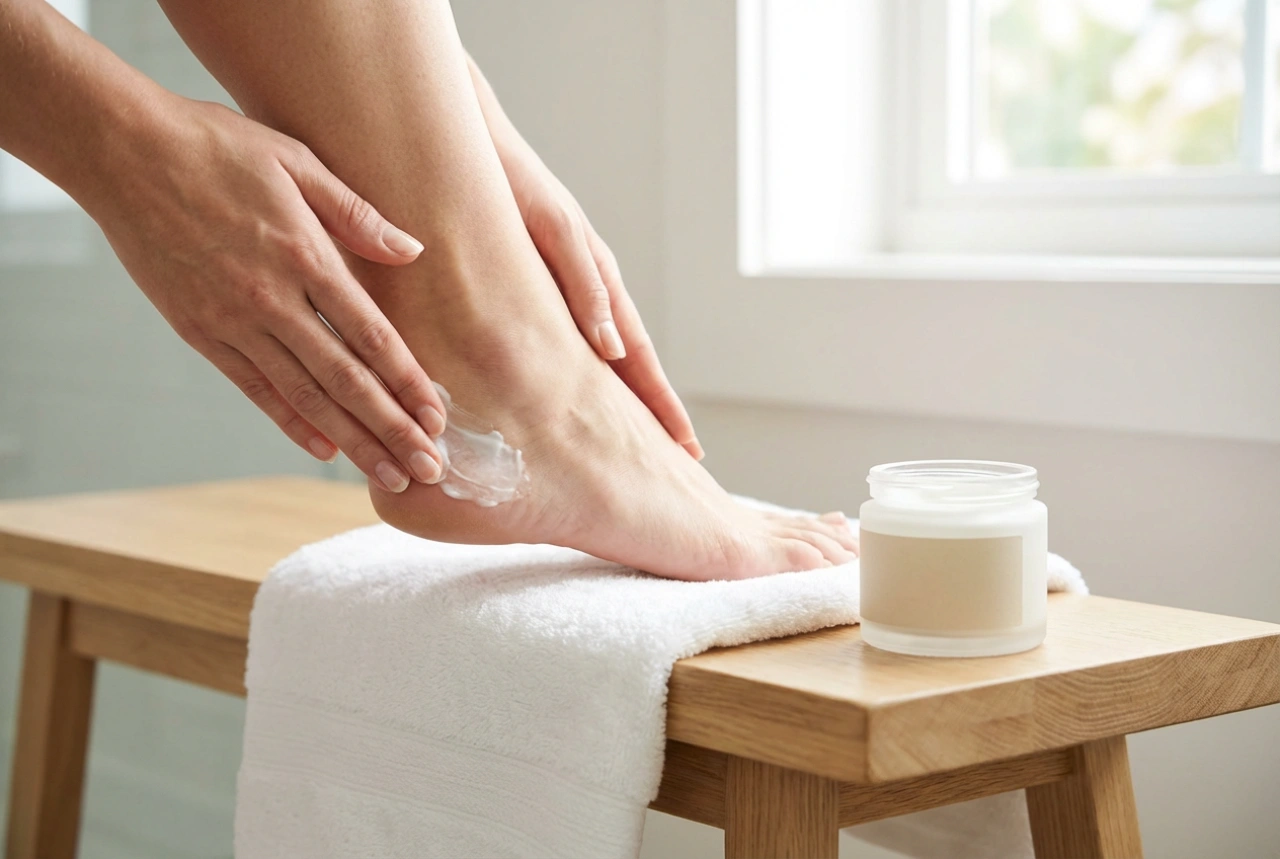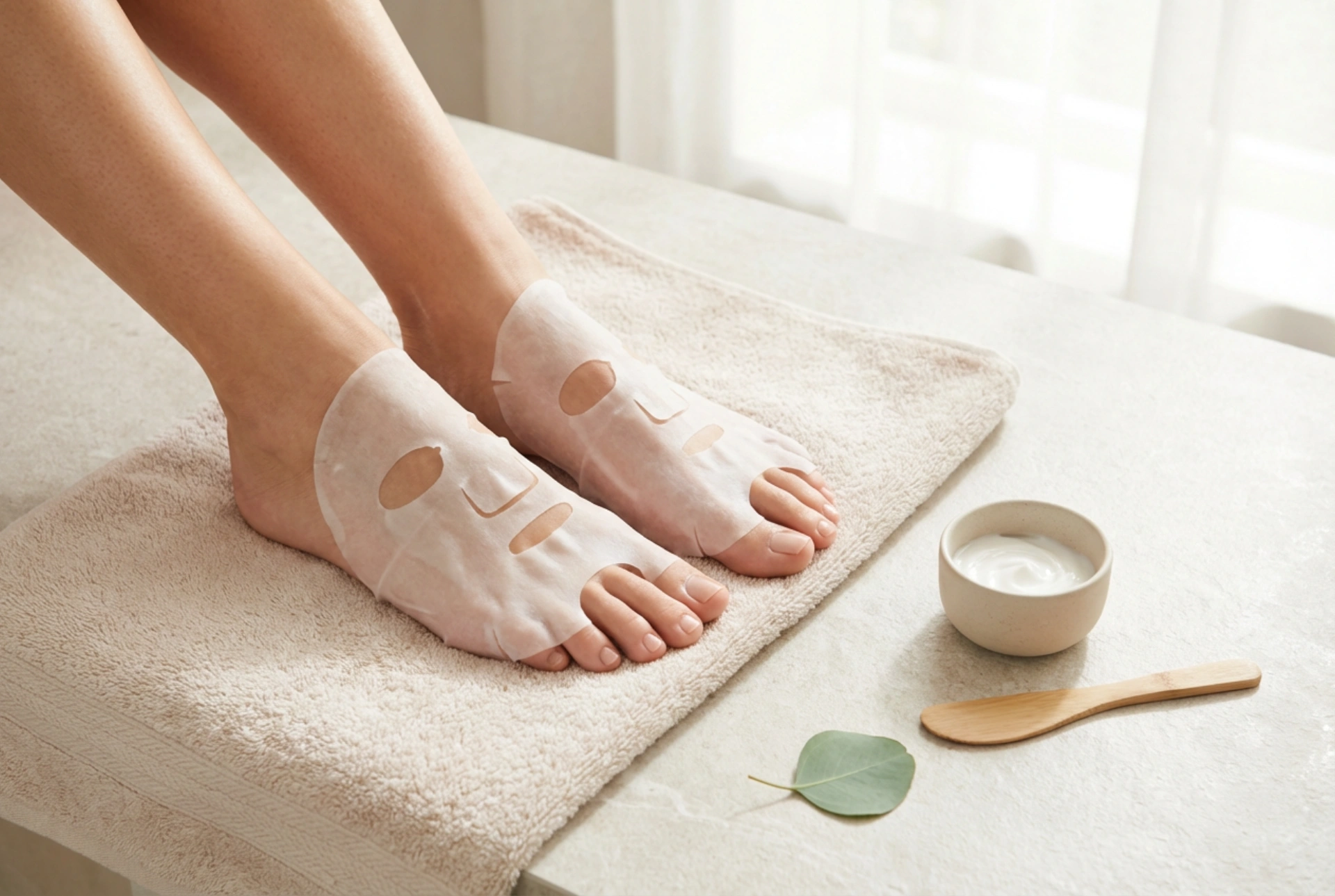


Taking time to care for our feet is an essential part of any self-care routine, yet it is often overlooked. Imagine a tranquil moment at home, where your feet are resting comfortably on a soft, light-coloured towel, wrapped in elegant white sheet masks designed to restore moisture and softness. This simple ritual, complemented by a serene atmosphere and gentle natural light, can transform a routine evening into a refreshing spa-like experience. Foot masks have become increasingly popular as a convenient and effective way to deliver concentrated nourishment to dry, tired feet.
The Main Types of Foot Masks
When selecting a foot mask, it is important to understand the different options available, as each serves a distinct purpose in your foot care regimen. The most common varieties include moisturising, exfoliating, and soothing masks.
Moisturising and Nourishing Foot Masks
These masks are typically designed as wearable plastic booties lined with a rich cream or serum. They are infused with hydrating ingredients such as shea butter, glycerin, or natural oils like almond and jojoba. They are perfect for dry skin, providing intense moisture and leaving the feet feeling incredibly soft and supple.
Exfoliating and Peeling Masks
Exfoliating masks often contain gentle fruit acids, such as lactic or glycolic acid, which work to loosen dead skin cells over several days. These are ideal for tackling rough patches and calluses, helping to reveal smoother skin underneath. It is important to use these masks sparingly to protect the skin barrier.
Soothing and Refreshing Cream Masks
Often containing botanical extracts like aloe vera, mint, or tea tree, these masks are applied directly as a thick cream. They help to cool tired feet, reduce the feeling of heaviness, and provide a refreshing sensation after a long day of walking or standing.
How Long to Leave Foot Masks On
The application time is crucial for achieving the best results without causing irritation. The optimal duration depends entirely on the type of mask you are using.
- Moisturising sheet masks: Typically, these should be worn for 15 to 20 minutes. This allows the serum to absorb deeply into the skin without over-saturating it.
- Exfoliating booties: These masks require a longer application, usually between 60 and 90 minutes, to allow the gentle acids to penetrate the outer layers of dead skin. Always follow the manufacturer instructions closely.
- Cream and clay masks: These are generally left on for 10 to 15 minutes until they dry slightly or are fully absorbed, after which they should be rinsed off with warm water.
Step-by-Step Guide for the Best Application
To maximise the benefits of your foot mask, preparing the skin beforehand and following a structured application routine can make a significant difference.
1. Preparation and Cleansing
Start by washing your feet thoroughly with warm water and a gentle cleanser. A warm bath or soak for 5 to 10 minutes beforehand is highly beneficial, as it softens the skin and prepares it to absorb the active ingredients of the mask more effectively.
2. Application and Relaxation
Carefully apply the cream or slip on the sheet mask booties. Secure them in place, and if using booties, you can wear a pair of regular cotton socks over them. This keeps the booties snug against your skin and allows you to walk safely if needed, though resting is highly recommended.
3. Massage and Post-Care
Once the application time is up, remove the masks. For moisturising masks, do not wash your feet. Instead, gently massage any remaining serum into your skin and ankles. For exfoliating or cream masks that require removal, rinse thoroughly with lukewarm water and pat dry with a soft towel.
Maintaining Beautiful and Soft Feet
Incorporating foot masks into your weekly or bi-weekly beauty routine is an excellent way to maintain soft, healthy-looking skin. Pair this practice with daily application of a simple moisturising cream, wear breathable socks made of natural fibres, and protect your feet from extreme temperatures to keep them feeling refreshed all year round.