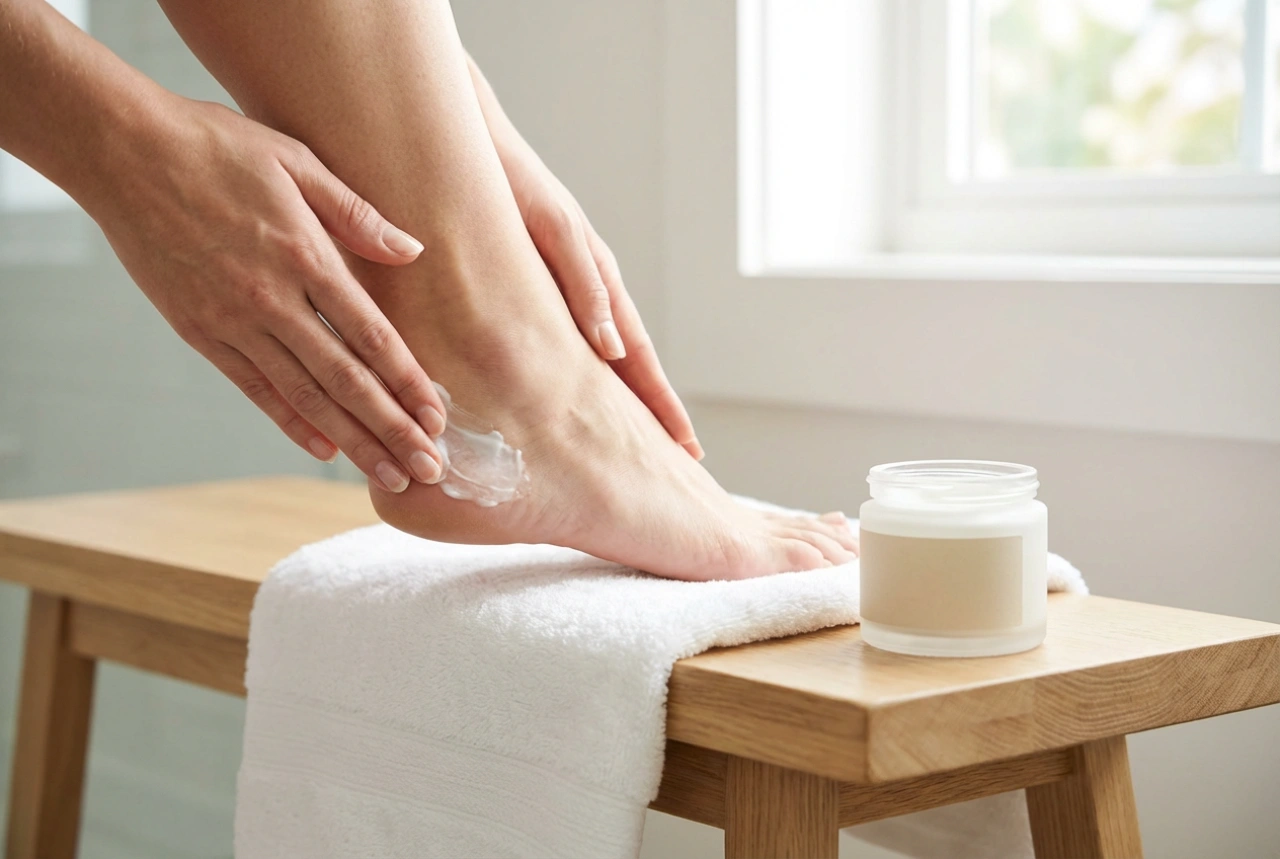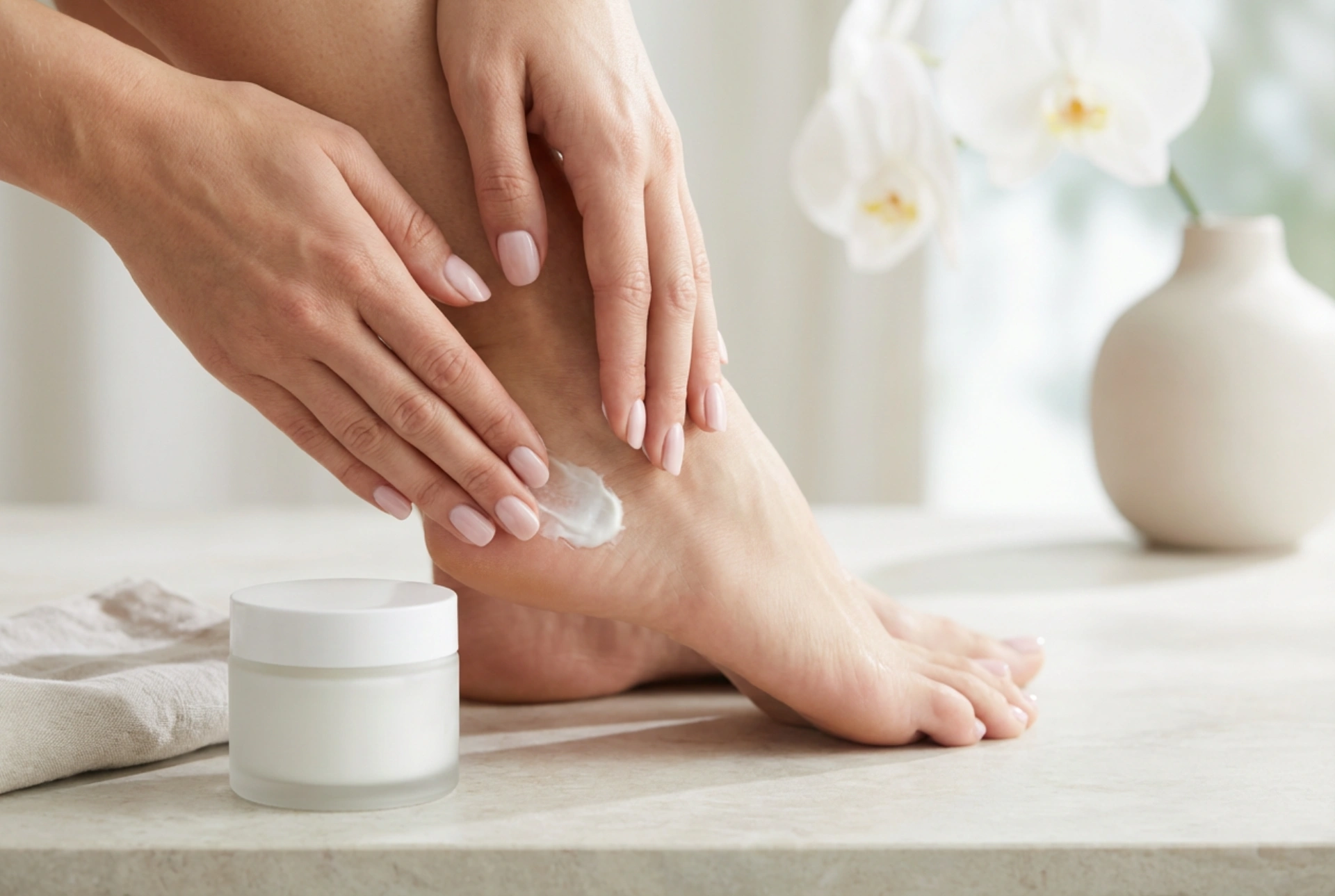


Maintaining beautiful, soft feet requires consistent care and the right choice of nourishing products. A close-up of elegant, manicured hands gently massaging a rich, white cream onto a foot perfectly captures the essence of this relaxing self-care ritual. Foot creams containing urea have become a staple in home beauty routines, offering intensive hydration and smoothing properties. Understanding how to select the correct concentration of this powerful ingredient and applying it properly can transform dry, rough skin into a state of velvety softness, ensuring your feet look and feel healthy throughout the year.
What is Urea and How Does it Benefit the Skin?
Urea is a naturally occurring compound within our skin's natural moisturising factor (NMF). In cosmetic formulations, synthetically produced urea is utilised for its exceptional humectant and mild exfoliating properties. It works by attracting water molecules from the deeper layers of the skin and the environment, locking moisture into the outermost layer of the epidermis. This makes it an invaluable ingredient for addressing dryness, roughness, and the build-up of thickened skin on the heels and soles. Unlike standard moisturisers that merely sit on top of the skin, urea actively improves the skin barrier's ability to retain hydration over time. It mimics the skin's natural processes, making it highly biocompatible and well-tolerated by most skin types.
Selecting the Right Concentration for Your Needs
Not all urea creams are created equal, and the key to a safe and effective beauty routine lies in choosing the appropriate concentration of urea. Cosmetic formulations typically range from 5% to over 30% concentration, with each percentage level serving a different purpose on the skin:
- Low Concentrations (5% to 10%): Ideal for daily maintenance, preventive care, and mild dryness. At this level, urea acts primarily as a gentle humectant, supporting the skin barrier and maintaining optimal hydration levels. It is perfect for regular use after a shower to keep the skin supple.
- Moderate Concentrations (15% to 20%): Suitable for noticeably rough, dry skin that requires targeted softening. It helps to smooth out minor calluses and rough patches, restoring elasticity and comfort to the feet.
- High Concentrations (25% to 30% and above): Best reserved for very thick, stubborn calluses and exceptionally hard skin. At these higher percentages, urea exhibits strong keratolytic properties, meaning it actively breaks down the bonds between dead skin cells, facilitating their gentle removal without the need for harsh physical scraping.
Safe and Effective Application Techniques
To maximise the benefits of your foot cream, the method of application is just as important as the product itself. Proper preparation ensures that the active ingredients penetrate effectively without causing irritation or discomfort.
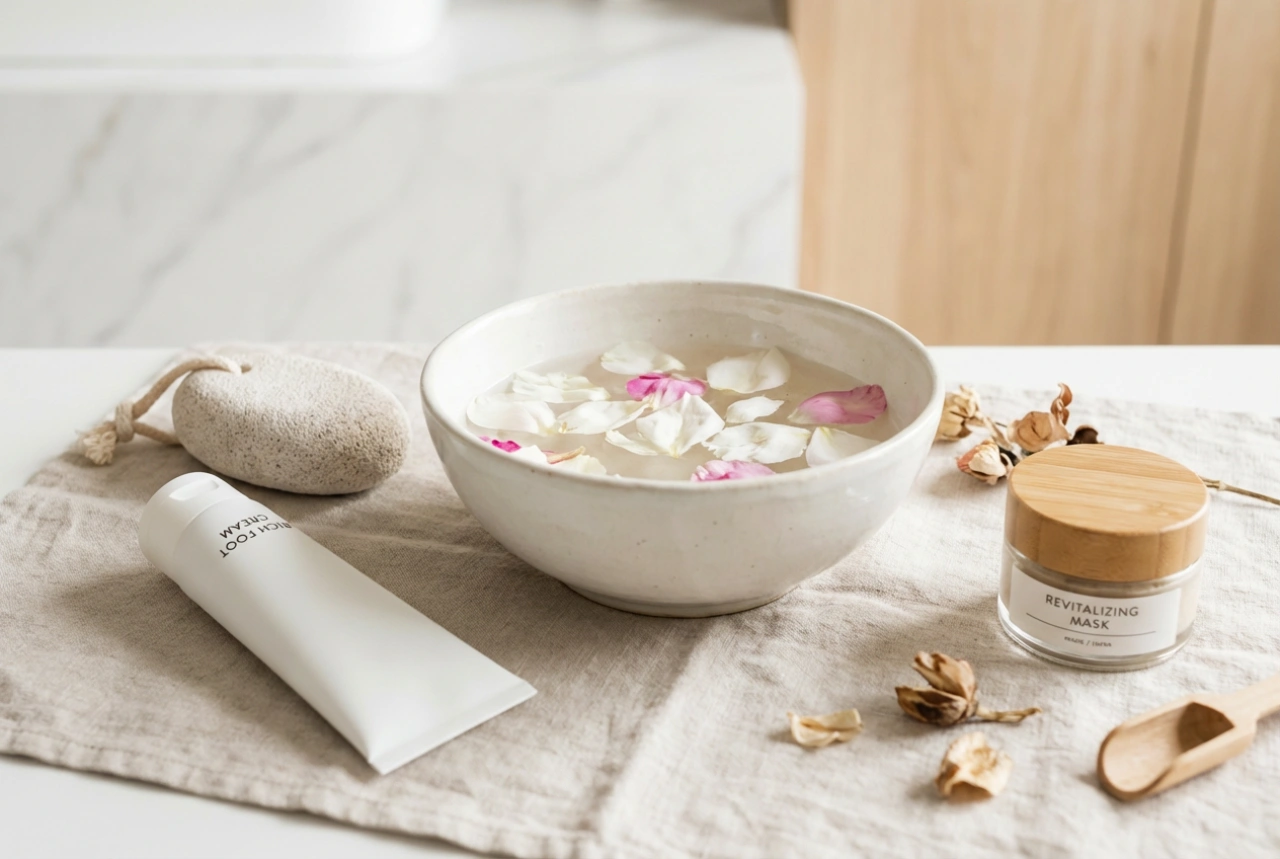
Step 1: Preparation and Cleansing
Always begin by washing your feet in lukewarm water using a gentle, soap-free cleanser. Avoid using excessively hot water, which can strip the skin of its natural lipid barrier and worsen dryness. Gently pat the skin dry with a soft towel, paying close attention to the areas between the toes, which should remain dry to prevent excess moisture build-up.
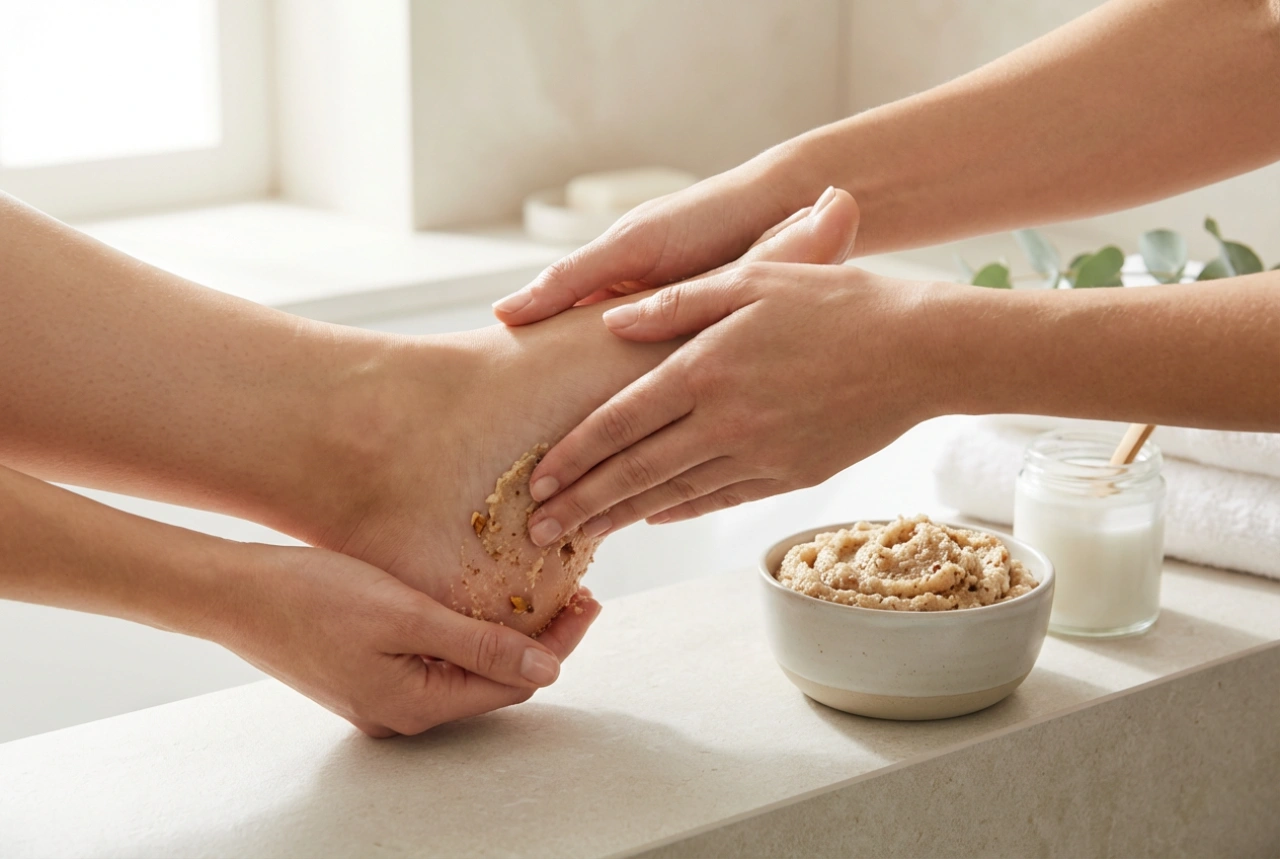
Step 2: Gentle Exfoliation
If you have accumulated hard skin, consider using a gentle foot file or scrub once or twice a week before applying the cream. Avoid aggressive scraping or using sharp tools, which can trigger a protective reaction from the body, causing the skin to produce even thicker calluses. Instead, let the chemical action of the urea cream do the heavy lifting over time.
Step 3: The Massage and Application
Take a generous amount of the rich white cream and warm it between your hands. Massage it slowly into the soles, heels, and tops of your feet using circular, upward motions. The act of massaging not only helps the cream absorb but also stimulates local blood circulation, promoting healthy skin regeneration. Focus on the dry, hard areas but avoid applying high-concentration creams to the delicate skin between the toes, where skin is naturally thin.
Enhancing the Hydration: Overnight Foot Care
For an intensive overnight treatment, apply a slightly thicker layer of moderate-concentration urea cream before going to bed. Immediately slip on a pair of clean, breathable cotton socks. The socks help to retain warmth and prevent the cream from rubbing off on your bedsheets, allowing the rich formula to work uninterrupted throughout the night. This simple step locks in the moisture, ensuring you wake up to significantly softer, more supple skin the following morning. This overnight method is particularly beneficial during the colder winter months when dry indoor heating and heavy footwear can take a toll on the condition of your feet.
Crucial Precautions for Home Care
While urea is a highly safe and well-tolerated cosmetic ingredient, a few safety guidelines should always be followed during home application to prevent any irritation:
- Avoid applying high-concentration urea creams (above 10%) on broken, irritated, or freshly shaved skin, as this can cause a temporary stinging sensation.
- Always perform a patch test on a small area of skin before using a new product, especially if you have sensitive skin.
- Wash your hands thoroughly after applying high-percentage urea creams to prevent accidentally transferring the product to your eyes, face, or other sensitive areas.
- Ensure the product is stored in a cool, dry place away from direct sunlight to maintain the stability of the cosmetic emulsion.