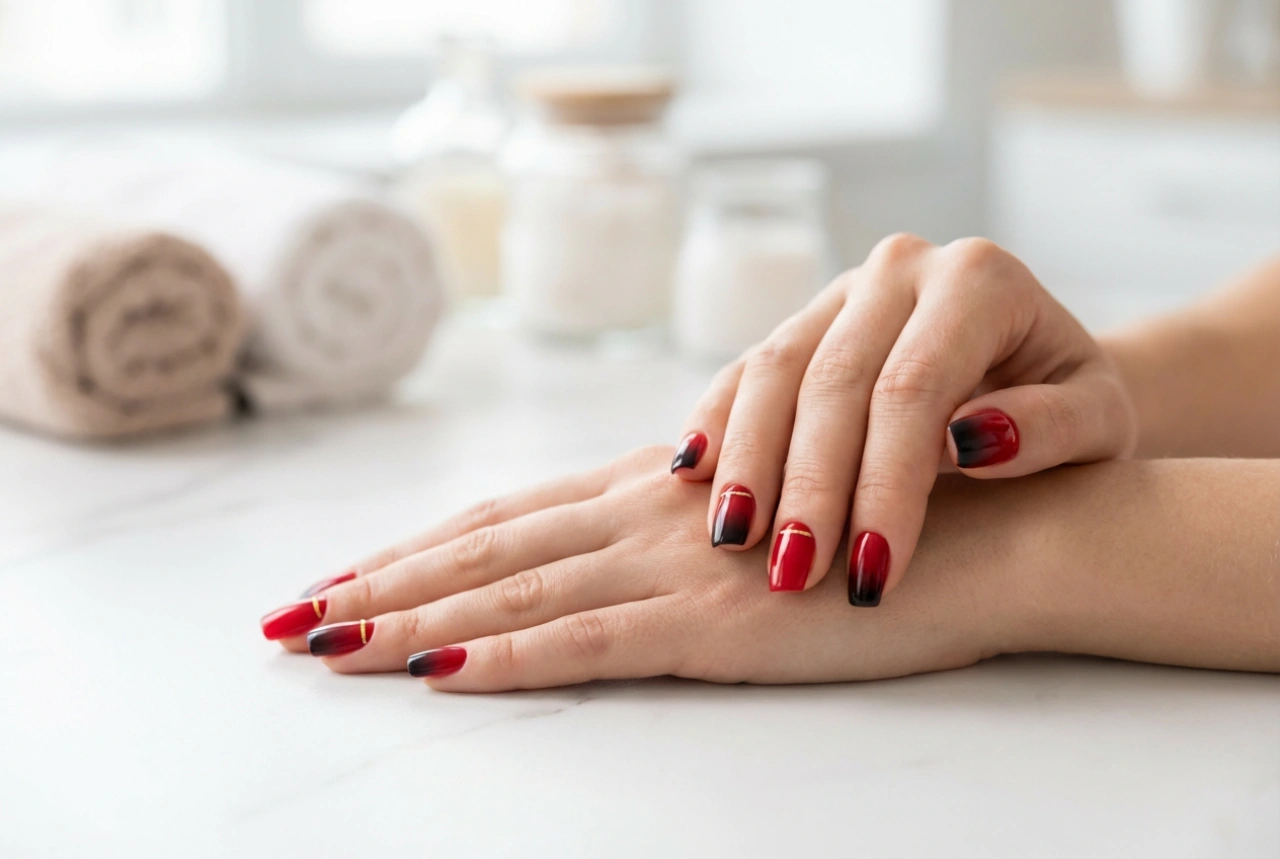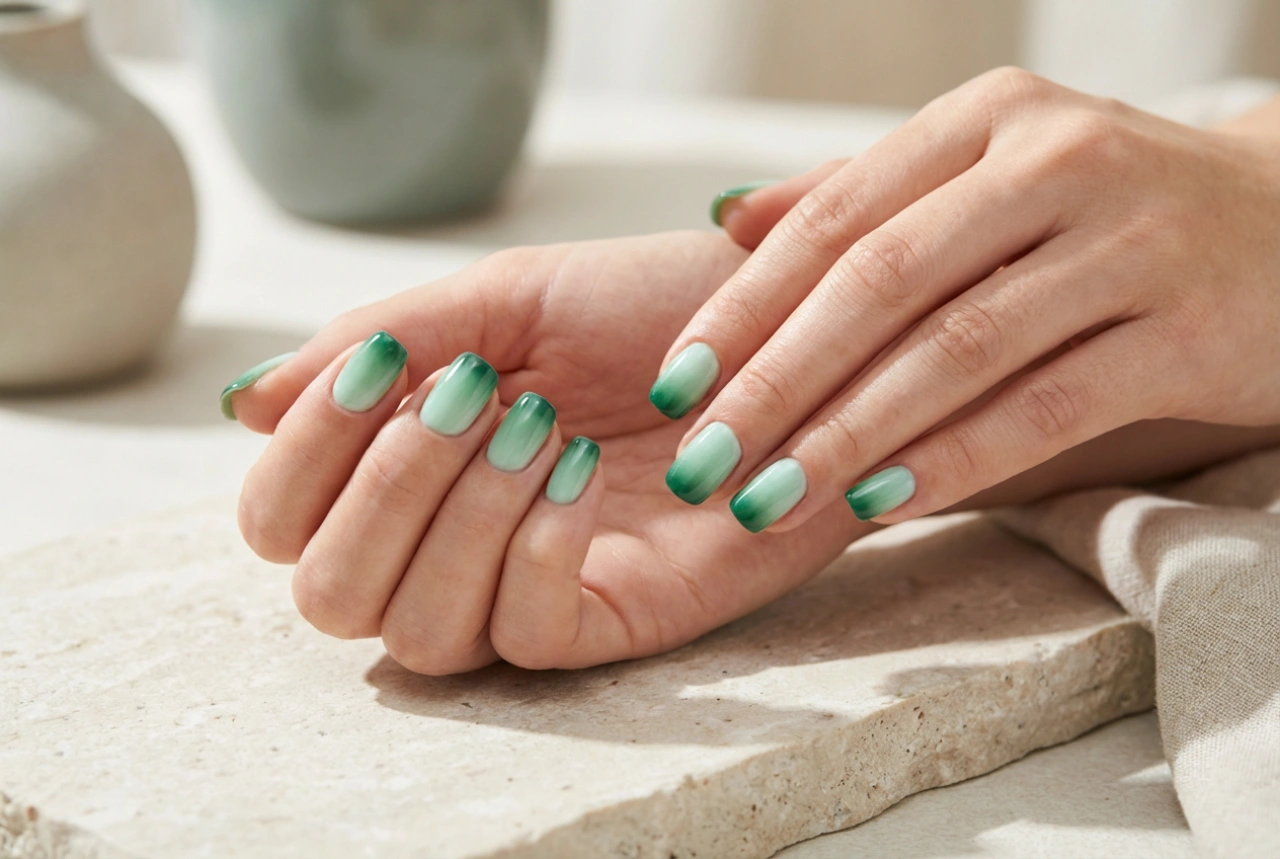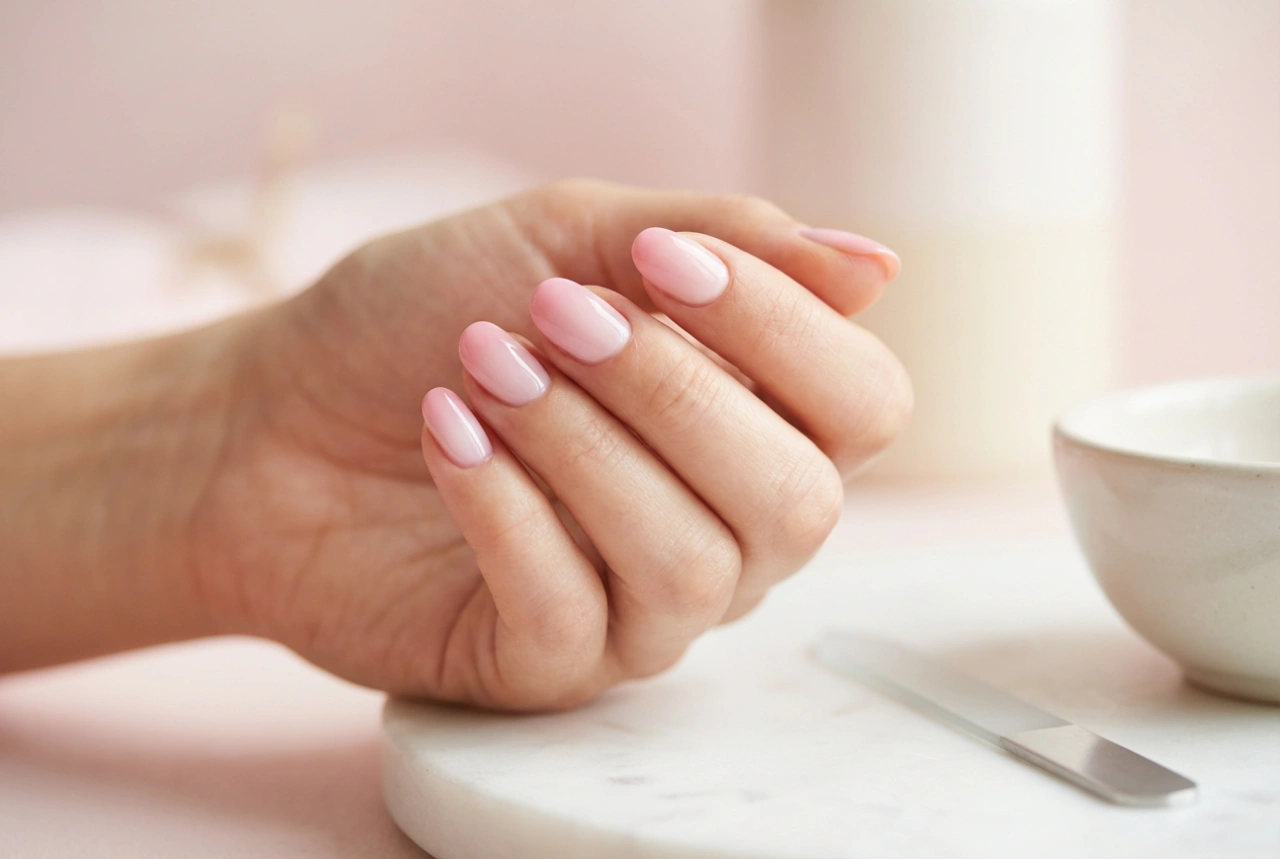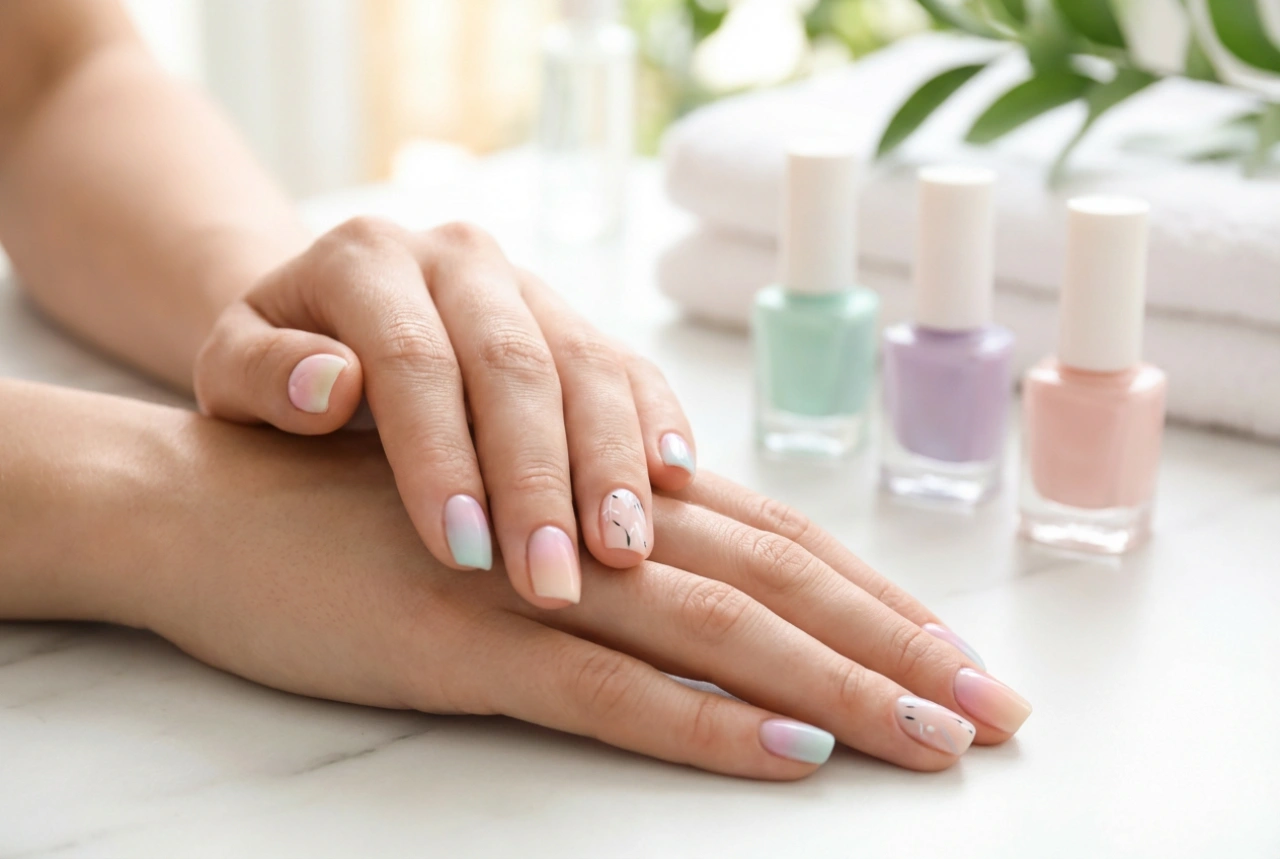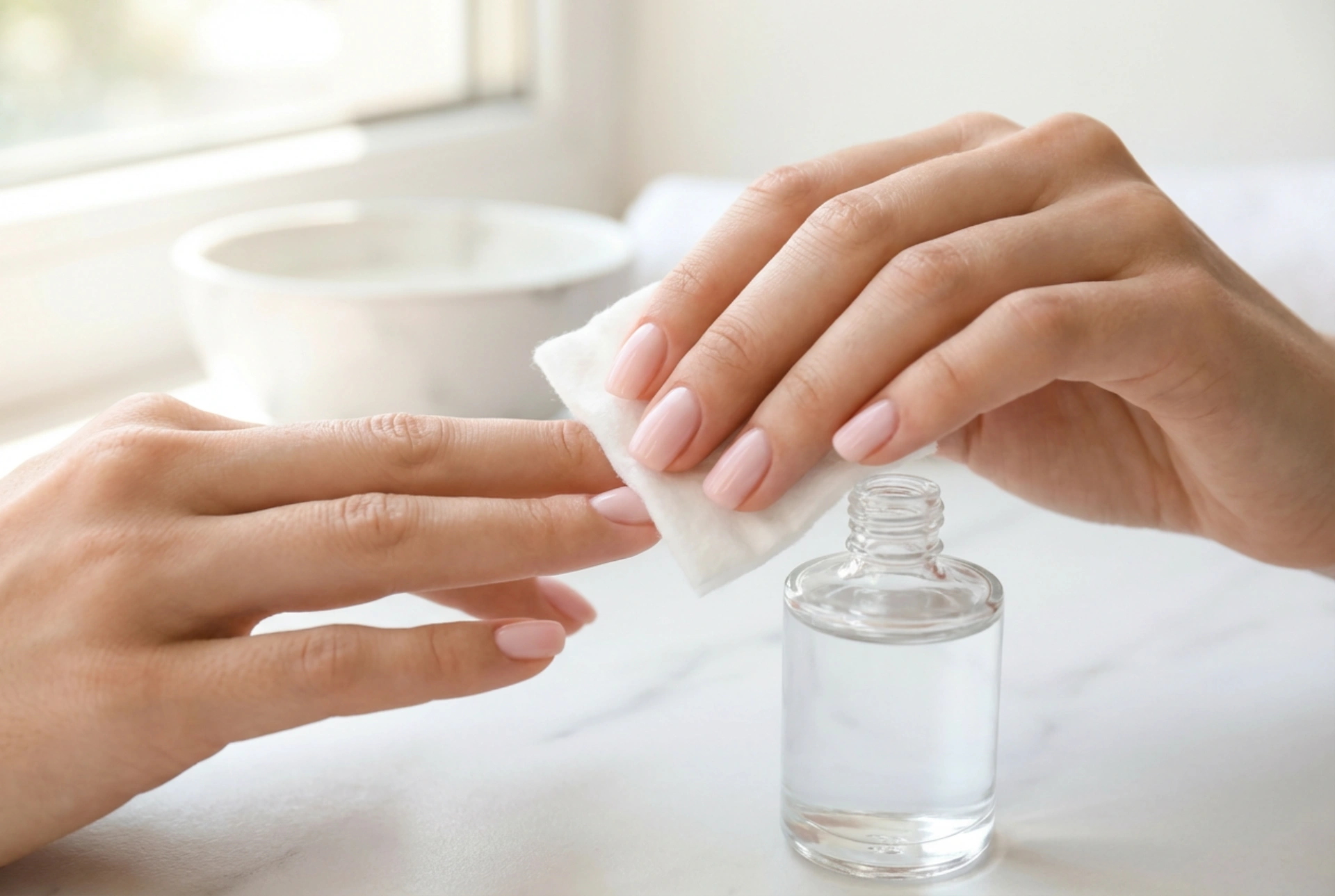


Achieving a flawless, professional-looking manicure at home requires more than just a steady hand and a beautiful shade of polish. The secret to longevity and a high-gloss finish often lies in the meticulous preparation and finishing steps. Elegant hands with freshly manicured nails owe their impeccable appearance to subtle yet crucial details, such as gently wiping the nail plate with a soft, lint-free pad saturated with a dedicated nail cleaner. This simple step ensures that the nail surface is perfectly primed and free from any unwanted residue, setting the stage for a pristine beauty ritual.
What is a Nail Cleaner and Why is it Essential?
A nail cleaner is a specialized cosmetic solution primarily composed of isopropyl alcohol. It serves as a multi-purpose tool in modern nail styling, essential for both the initial preparation of the nail plate and the final touches of the manicuring process. Unlike regular water or soapy solutions, a professional cleaner evaporates quickly and does not leave any moisture behind, which is critical for the adhesion of subsequent nail products.
Its primary functions can be divided into two main stages: degreasing the natural nail before the application of base coats, primers, or polishes, and removing the sticky, uncured layer—known as the dispersion or inhibition layer—that remains after curing gel or hybrid products under a UV or LED lamp. Understanding how to use this product correctly can significantly extend the wear time of your manicure and prevent premature chipping or lifting.
Phase One: Degreasing the Natural Nail Plate
Before any base coat touches the nail, the plate must be thoroughly cleaned and dried. Naturally occurring oils, moisture, and fine dust from filing can form a barrier between the natural nail and the cosmetic products, leading to poor adhesion and early peeling. This is where the degreasing step becomes indispensable.
How to Properly Degrease the Nails:
- Cleanse and Shape: Start by washing your hands, pushing back the cuticles, and shaping your nails with a file. Gently buff the surface of the nail plate with a soft buffer block to remove any natural shine.
- Apply the Cleaner: Saturate a high-quality, lint-free wipe with the nail cleaner. It is crucial to use lint-free pads rather than traditional cotton wool balls, as the latter can leave tiny fibres on the nail surface, ruining the smooth finish.
- Wipe Thoroughly: Firmly wipe the entire nail plate, paying close attention to the side walls and the area near the cuticles where oil tends to accumulate. Let the surface air-dry completely for a few seconds before applying the next product.
Phase Two: Wiping the Dispersion Layer
When using gel polishes or UV gel systems, you will notice that after curing the product under a lamp, the surface remains sticky to the touch. This sticky residue is the dispersion layer, a natural byproduct of the polymerization process where the top layer of the gel does not fully cure due to contact with oxygen. While this tackiness is useful between different layers of polish because it helps them bond together, it must be removed once the final top coat has been cured.
Removing this layer reveals the true, glossy finish of your manicure. However, doing it too quickly can sometimes dull the shine. To achieve a dazzling lustre, it is best to wait approximately thirty to sixty seconds after the final cure before wiping. This allows the top coat to cool down and set completely. Once cooled, gently wipe the sticky residue away with a clean, cleaner-soaked lint-free pad to unveil a smooth, high-gloss surface.
Best Practices for a Flawless Finish at Home
To get the most out of your nail cleaner and ensure your home manicure looks as though it was done by a professional, keep these practical tips in mind:
- Choose the Right Pads: Always opt for professional-grade lint-free wipes. Standard cotton pads will shed fibres that can become trapped in the tacky layers of polish, leading to uneven textures and a compromised finish.
- Moderation is Key: While the cleaner is highly effective, avoid over-saturating the wipe to the point where liquid floods your cuticles. A damp pad is sufficient to dissolve oils and the sticky layer without drying out the surrounding skin excessively.
- Hydrate the Cuticles: Because isopropyl alcohol has a dehydrating effect, it can temporarily dry the skin around your nails. Once your manicure is fully completed and wiped clean, apply a nourishing cuticle oil or a rich hand cream to restore moisture and maintain the elegant, healthy appearance of your hands.