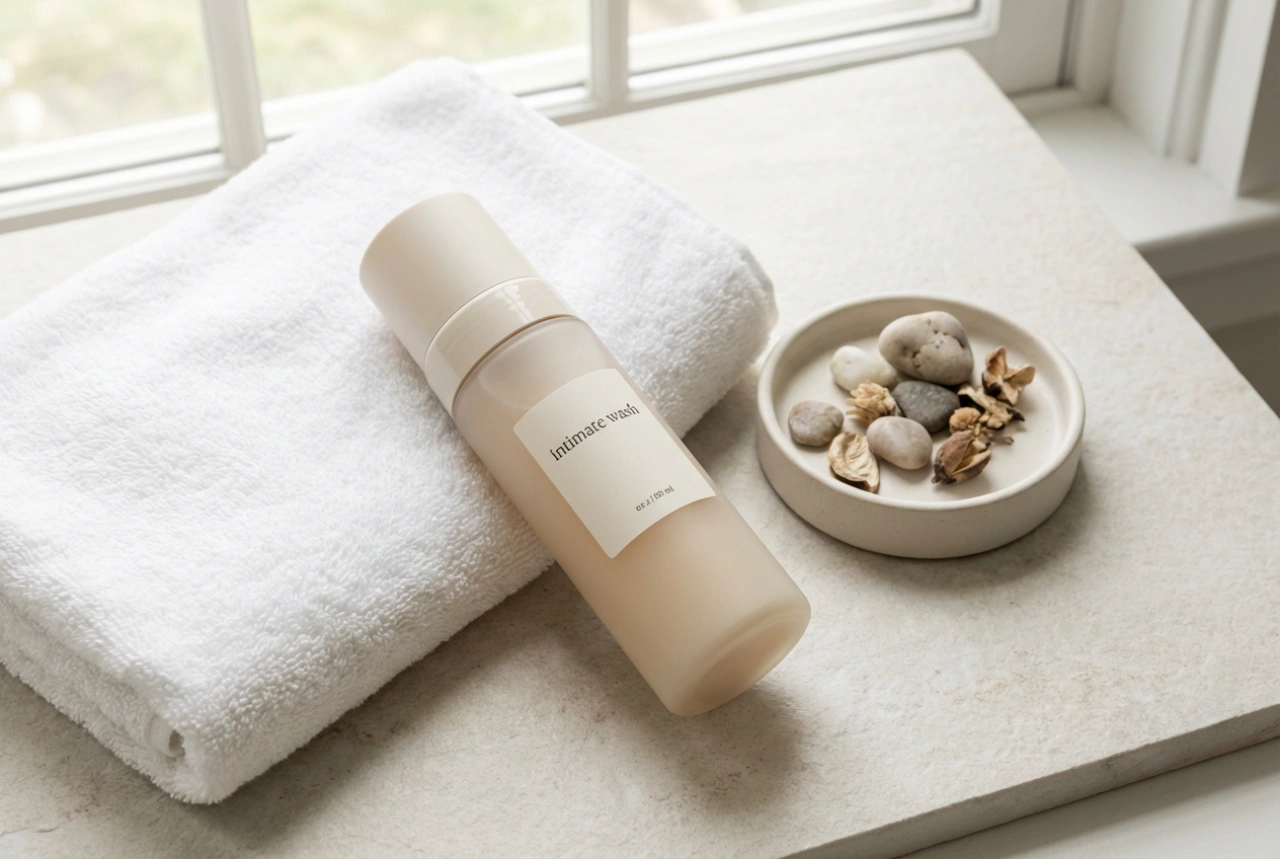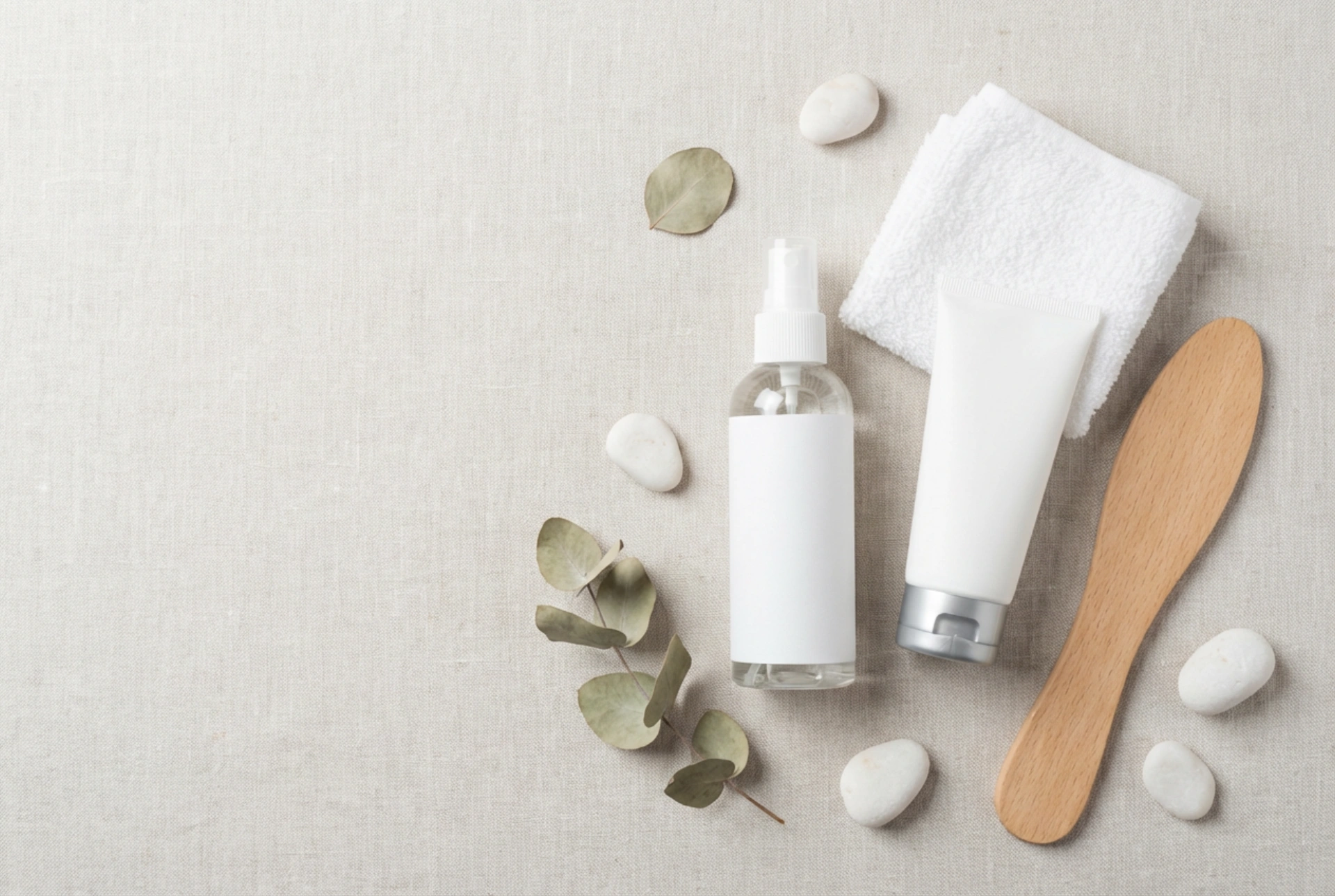


A serene, minimalist routine is the key to maintaining fresh and comfortable feet throughout the day. When we arrange our daily care products, such as a gentle foot antiperspirant spray and a nourishing foot cream, we establish a ritual that supports both hygiene and skin health. While face and hand care often take centre stage, our feet deserve equal attention, especially when managing sweat and odour. Incorporating specialist products like foot blockers or strong antiperspirants into your routine requires a balanced approach to keep the skin barrier healthy and intact.
Understanding Foot Antiperspirants
Foot antiperspirants, often referred to as blockers, are designed to temporarily reduce the activity of sweat glands on the soles of the feet. Unlike regular deodorants that merely mask unpleasant odours with fragrance, antiperspirants contain ingredients that form a temporary plug in the sweat ducts. This process significantly decreases the amount of moisture on the skin surface, which in turn minimises the environment where odour-causing bacteria thrive.
Using these products safely means understanding that the skin on our feet is unique. While it is thicker on the heels and balls of the feet, it can still become sensitised or dry if strong products are overused. Choosing a gentle formulation, such as a light spray or a cream-based blocker, allows you to manage sweat without causing irritation. It is important to look for products that offer a balance of sweat control and skin protection, ensuring your feet remain dry but not depleted of essential moisture.
Safe Application and Frequency
To achieve the best results without compromising skin health, proper application is crucial. Foot antiperspirants should always be applied to completely dry, clean skin. Moisture on the skin during application can lead to irritation or reduce the effectiveness of the product. Here is a recommended routine for safe and effective use:
- Evening application: Apply the product before bed. Sweat glands are less active at night, allowing the active ingredients to penetrate the sweat ducts more effectively.
- Thorough washing: In the morning, wash your feet with a mild soap to remove any surface residue of the product.
- Gradual frequency: Start by using the blocker two to three times a week. Once you notice a reduction in moisture, you can reduce the frequency to once or twice a week to maintain the effect.
Using a foot blocker daily is rarely necessary and can lead to excessive dryness, itching, or redness. By spacing out the applications, you allow the skin to maintain its natural barrier functions while still enjoying the benefits of prolonged freshness and comfort.
Complementary Daily Care
While managing sweat is important, keeping the skin of your feet soft and hydrated is equally essential. Using an antiperspirant without a supporting moisturising routine can lead to cracked heels and rough skin. Incorporating a dedicated foot cream into your daily wellness routine ensures that the skin remains supple and resilient.
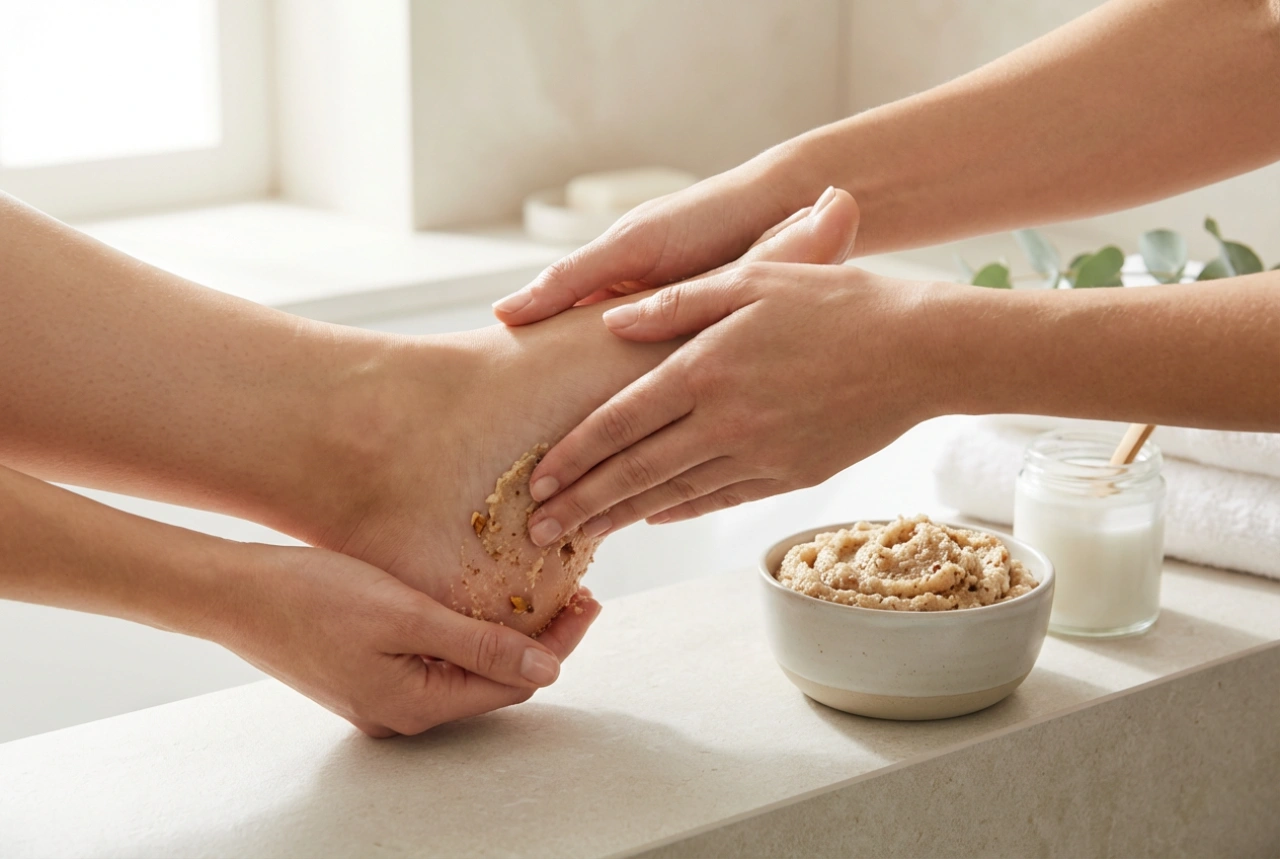
Apply a rich, hydrating cream containing ingredients like shea butter, glycerin, or low concentrations of urea on the nights you do not use the antiperspirant. This contrast ensures that while sweat is controlled, the skin barrier is constantly replenished. Additionally, gentle exfoliation once a week using a mild scrub or a foot file helps remove dead skin cells, allowing your moisturiser and antiperspirant to work more effectively.
Practical Tips for Freshness and Comfort
In addition to topical products, daily lifestyle habits play a major role in keeping your feet dry and healthy. The materials that come into direct contact with your feet can either assist or hinder your antiperspirant routine. Selecting the right footwear and hosiery can make a significant difference in how fresh your feet feel throughout the day.
- Choose natural fabrics: Wear socks made from breathable materials like cotton, bamboo, or wool, which naturally wick moisture away from the skin.
- Rotate your footwear: Avoid wearing the same pair of shoes two days in a week. Giving your shoes at least 24 hours to air out prevents the build-up of moisture and bacteria.
- Dry thoroughly: After bathing, pay special attention to the spaces between your toes, as trapped moisture in these areas is a common source of odour and discomfort.
By combining a mindful application of foot antiperspirants with deep hydration and hygienic daily habits, you can enjoy lasting freshness, ultimate comfort, and beautiful, healthy skin every single day.