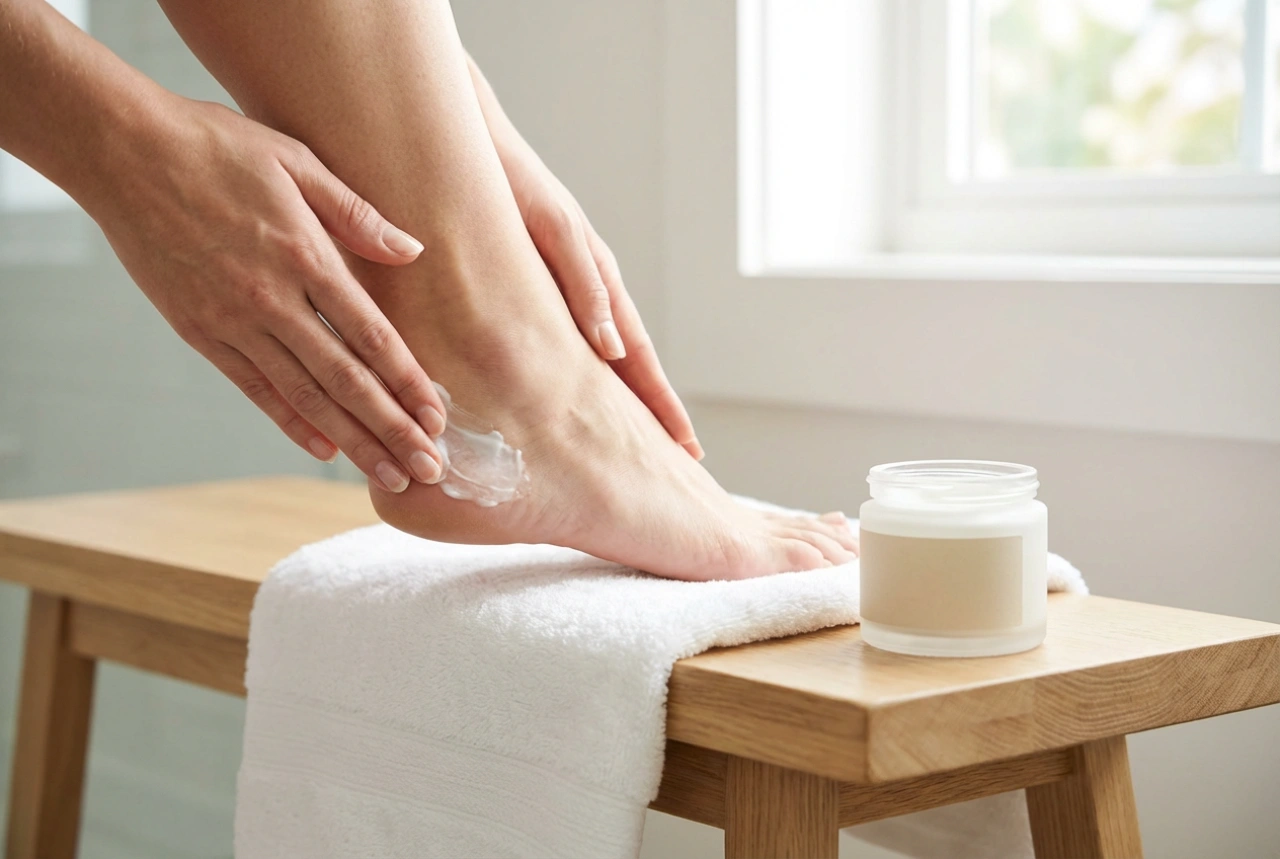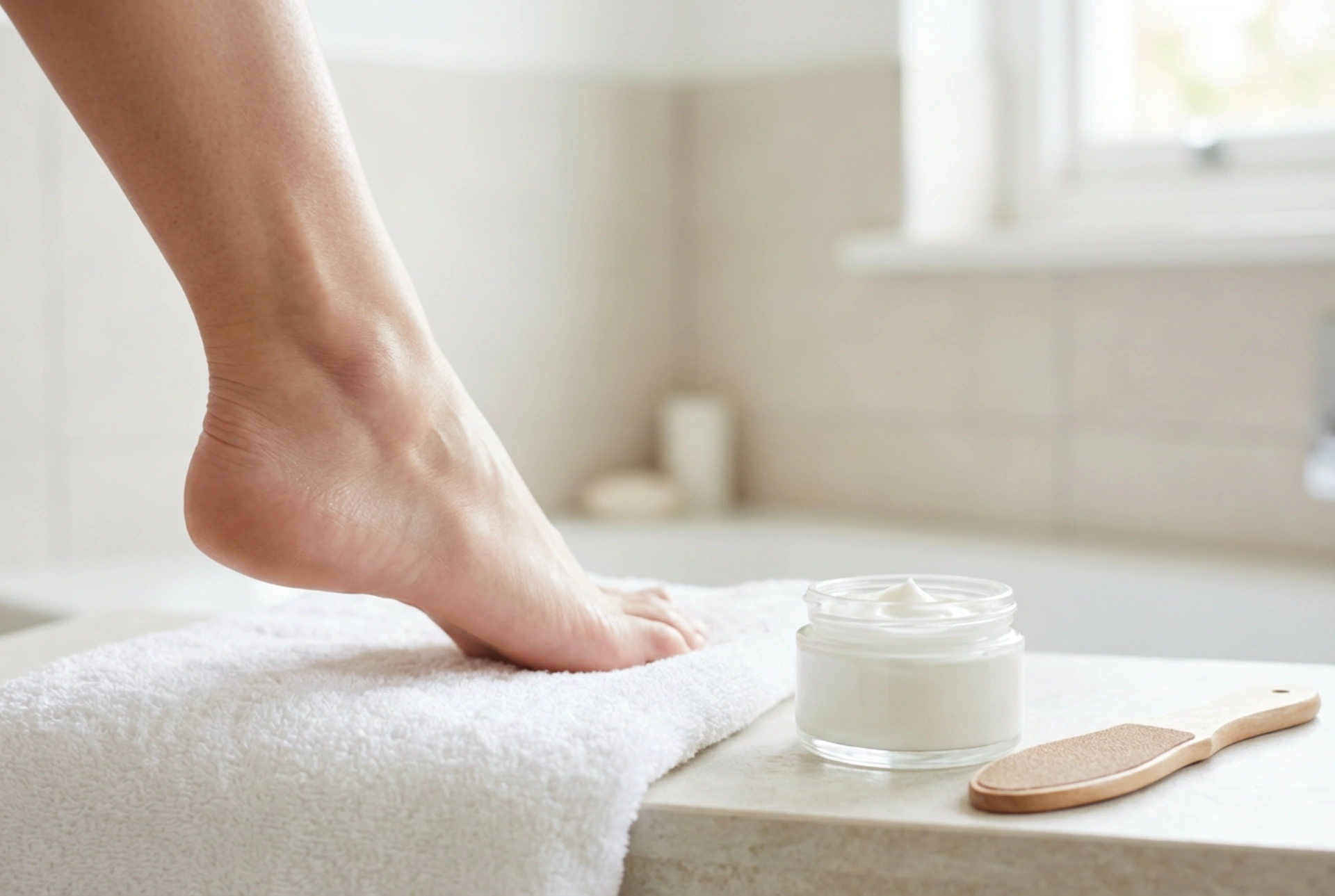


Picture a relaxing home spa moment: your feet rest comfortably on a soft white towel, feeling completely refreshed and deeply moisturised after a gentle care ritual. Having smooth, soft heels is not just about aesthetics; it is also a fundamental part of daily comfort and well-being. When the skin on our heels becomes excessively dry, thick, and prone to cracking, it can disrupt this sense of comfort. Fortunately, with a structured, gentle home recovery plan, you can restore the natural softness and elasticity of your feet within just one week using simple, non-invasive cosmetic methods.
Understanding the Needs of Your Feet
The skin on our heels is naturally much thicker than the skin on the rest of our body. It lacks sebaceous glands, meaning it does not produce natural oils to keep itself lubricated. Instead, it relies solely on sweat glands for hydration, making it highly susceptible to dryness. Constant pressure from walking, standing, and wearing open-backed shoes can cause the dry skin to expand and eventually crack. To prevent and reverse this, a systematic approach focusing on deep hydration and gentle exfoliation is essential. This 7-day plan is designed to gently remove built-up dead skin while intensively nourishing the new layers beneath.
Days 1–3: Softening and Gentle Exfoliation
The first phase of your home recovery plan focuses on preparing the skin and safely removing the hardest outer layers. It is crucial to avoid harsh metal rasps or aggressive peeling tools, which can cause micro-injuries and trigger the skin to defend itself by producing even thicker layers of callus. Instead, opt for a natural wood foot file and a soothing foot bath.
The Softening Foot Bath
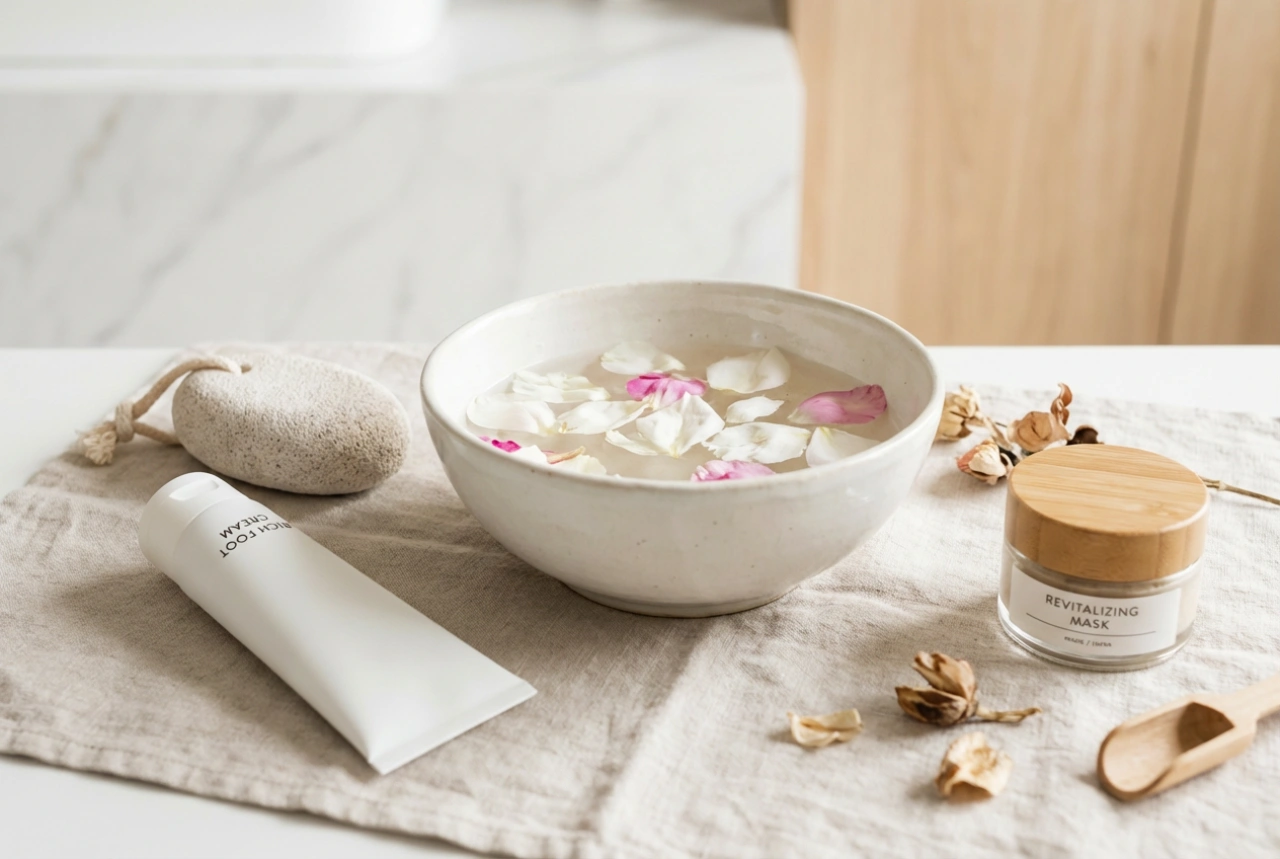
Begin your ritual with a 15-minute warm foot soak. You can add natural ingredients to the water to enhance the softening effect:
- Epsom salts or cosmetic sea salt: Helps to relax the feet and soften rough patches.
- Herbal infusions: Chamomile or calendula infusions soothe the skin.
- Natural oils: A few drops of sweet almond oil or olive oil will start the moisturising process during the soak.
Gentle Filing
After soaking, gently pat your feet dry with a soft towel. While the skin is still damp and supple, use a natural wooden foot file to buff away the softened dead skin. Always file in one direction rather than sawing back and forth, as this keeps the skin surface smooth. Once finished, rinse your feet and immediately apply a generous layer of a rich moisturising cream.
Days 4–5: Deep Nutrition and Overnight Wraps
By the fourth day, the superficial rough skin should be significantly reduced, allowing nourishing ingredients to penetrate deeper. This phase is all about intense hydration and sealing in moisture while you sleep.
The Power of Foot Masks and Wraps
Before bed, apply a very thick layer of a rich, emollient foot cream. Look for cosmetic products containing ingredients like shea butter, cocoa butter, lanolin, or glycerin. Once the cream is applied, wrap your feet in clean cotton socks. These socks help retain body heat, which opens up the skin pores and allows the active moisturising ingredients to absorb thoroughly overnight without rubbing off on your bedsheets. Repeating this for two consecutive nights will dramatically improve skin elasticity and softness.
Days 6–7: Locking in Moisture and Consolidation
In the final stage of your week-long plan, the focus shifts from repair to protection and preservation. Your heels should now feel significantly smoother and more resilient.
Daily Maintenance Routine
During these days, you do not need to file your feet. Instead, focus on maintaining the moisture balance. Apply a lightweight but highly hydrating foot cream twice a day—once in the morning after your shower and once before sleep. Look for daily-use lotions containing low concentrations of urea (around 5% to 10%), which acts as a humectant to bind water in the outer layers of the skin without causing irritation.
Preventative Habits for Long-Term Smoothness
Once you have completed the 7-day recovery plan, keeping your heels smooth requires consistent, simple habits. Dryness can return quickly if the skin is neglected. Here are the best practices to integrate into your weekly routine:
- Moisturise daily: Make applying foot cream as natural as brushing your teeth. Consistency is the key to preventing cracks from returning.
- Choose comfortable footwear: Limit the use of open-back shoes or sandals with thin, unsupportive soles, which increase mechanical friction on the heels.
- Stay hydrated: Drinking enough water throughout the day supports skin hydration from the inside out.
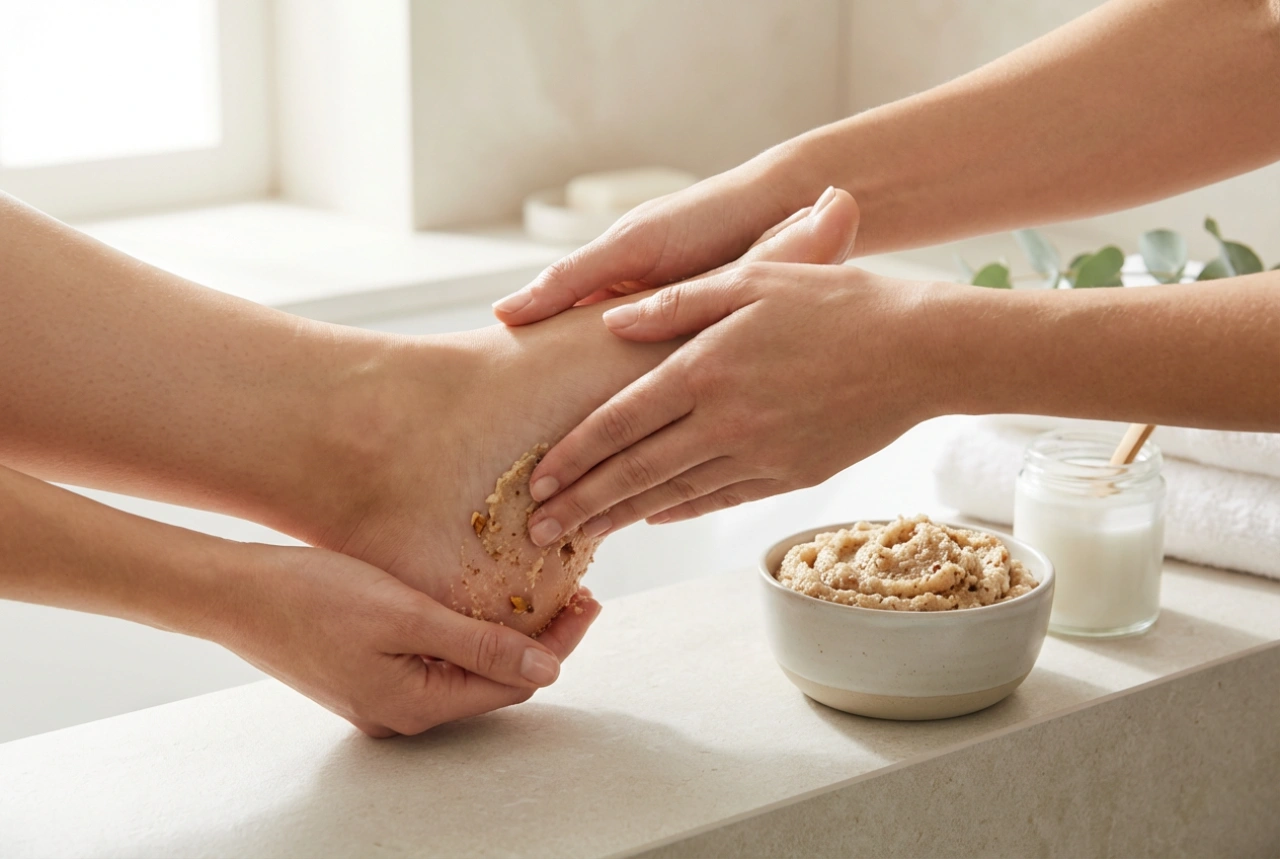
- Use gentle scrubs: Instead of filing daily, use a gentle foot scrub once or twice a week in the shower to keep dead skin buildup at bay.
By dedicating just a few minutes each day to caring for your feet, you can enjoy the lasting comfort of soft, healthy-looking heels all year round.