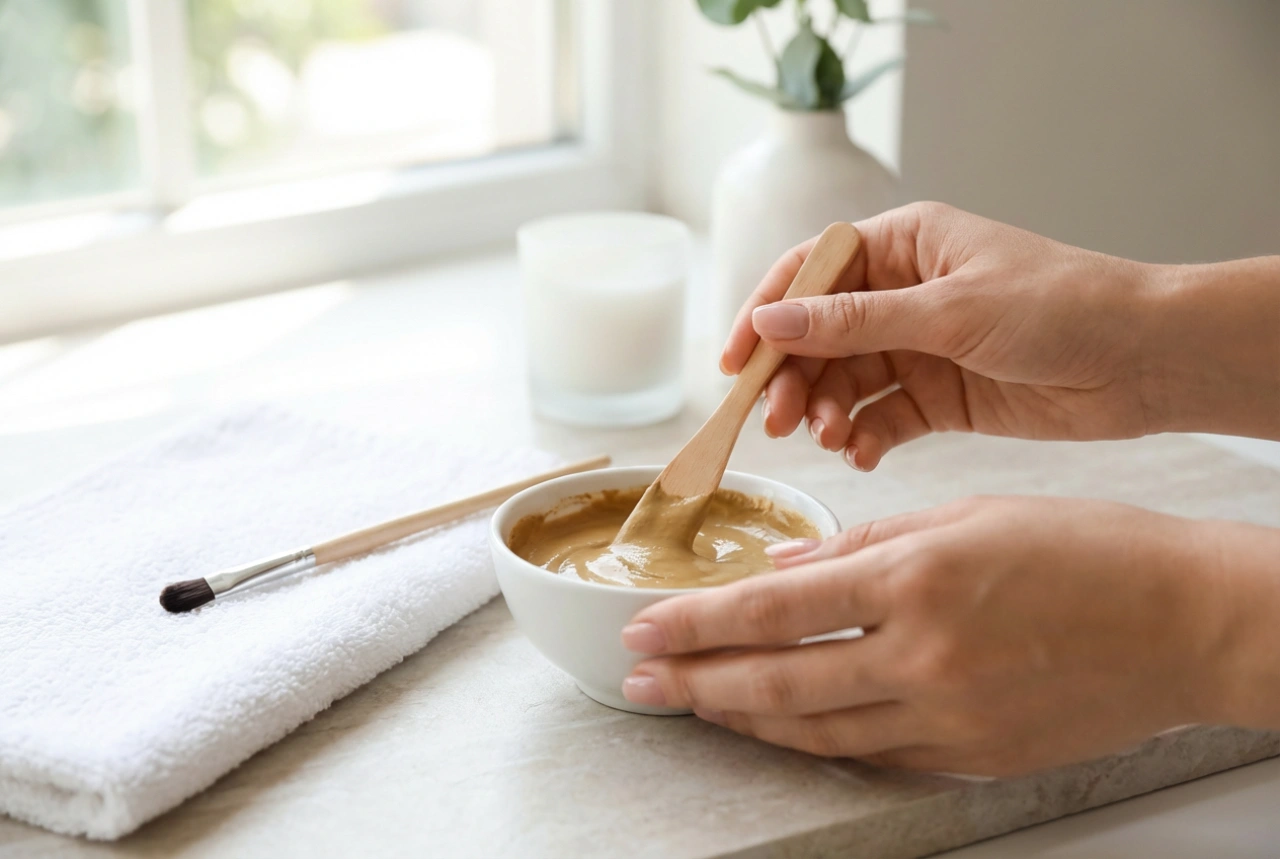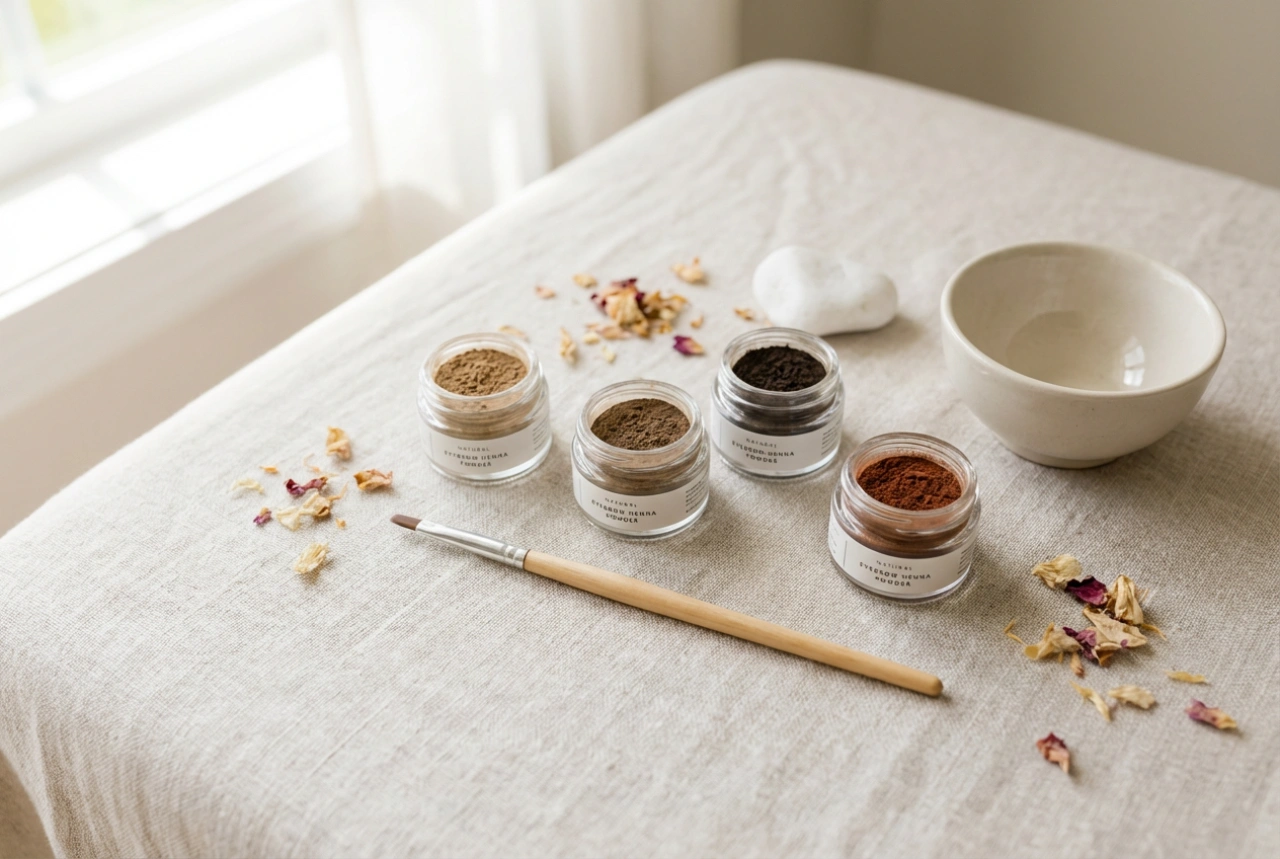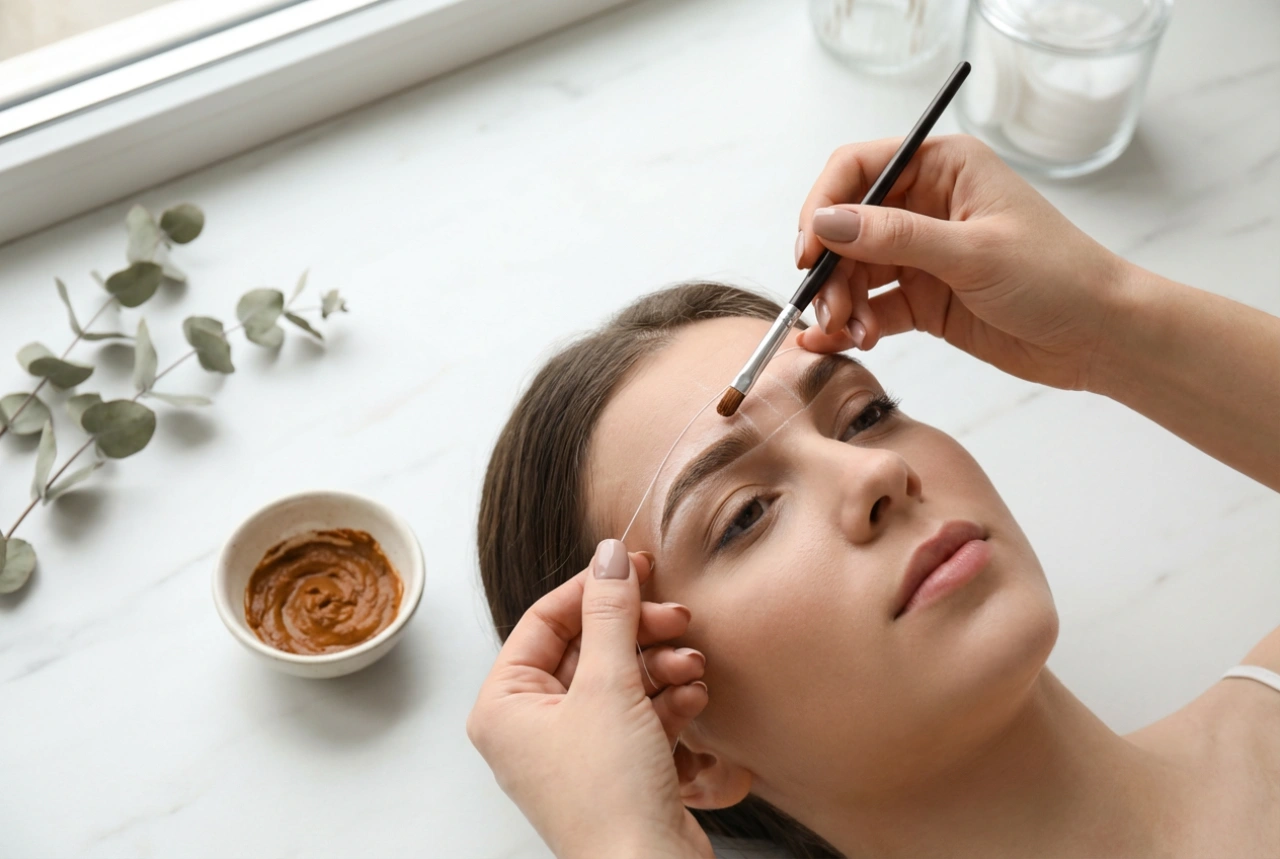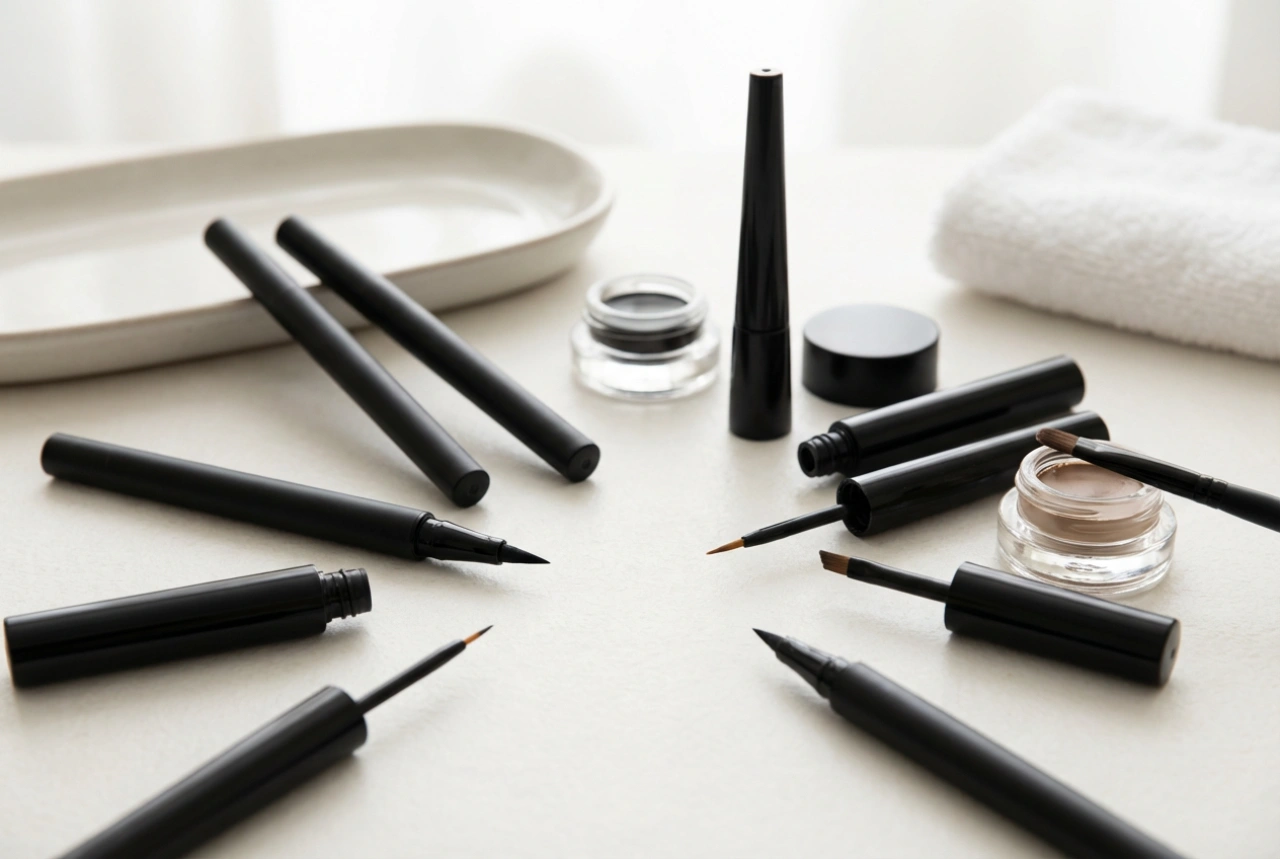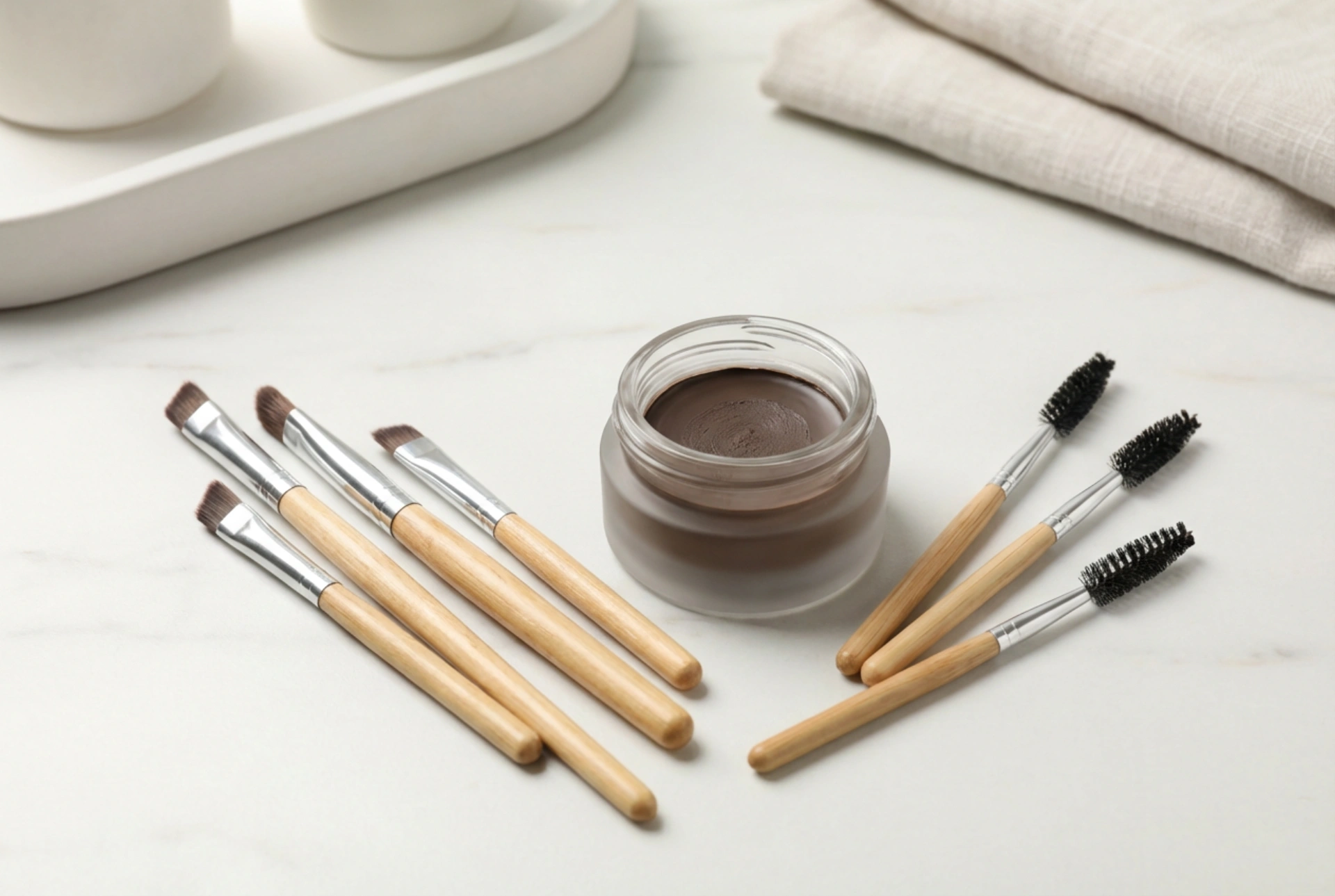


Achieving perfectly defined, elegant eyebrows is an art form that relies as much on the tools you select as the products you apply. A clean flat lay of beauty tools often reveals the essential instruments of this craft: professional angled eyebrow brushes and classic spoolies lying alongside a rich pot of brow pomade. This combination is a staple for makeup enthusiasts seeking structure, depth, and symmetry. Whilst pomade provides the pigment and hold, it is the brush that translates this creamy formula into hair-like strokes, establishing a natural yet polished frame for the eyes.
The Essential Brow Brush Toolkit
To master the application of creamy brow products, understanding the anatomy of your brushes is key. Unlike powders, which can be applied with softer, fluffier bristles, pomades require firm, synthetic fibres. Synthetic fibres do not absorb the oils and waxes present in creams, allowing for a smooth transfer of product onto the skin. The main tool is the angled brush, characterised by its sharp, slanted edge. This angle is designed to mimic the natural slant of brow hairs and easily navigate the arch and tail. On the other end of the spectrum, the spoolie brush is indispensable. Resembling a clean mascara wand, the spoolie is used both before application to groom hairs into place, and afterwards to blend out any harsh lines, ensuring a seamless finish.
Selecting the Ideal Shape and Density
Not all angled brushes are created equal, and choosing the right thickness can drastically alter your final look.
The Ultra-Fine Angled Brush
An ultra-thin, sharp brush is perfect for creating individual, hair-like strokes. If you have sparse brows and need to fill in specific gaps, this tool provides the ultimate precision. The fine edge allows you to draw delicate lines that blend effortlessly with your natural brow hairs, giving the illusion of fullness without a heavy appearance.
The Classic Medium Angled Brush
A slightly thicker, firmer angled brush is ideal for defining the overall shape and outlining the boundaries of the brow. It holds slightly more product, making it excellent for shading in the body of the brow or creating a bolder, more defined arch. This brush is perfect for those who want a structured, neat look with minimal effort.
The Dual-Ended Brush
For convenience and efficiency, a dual-ended tool featuring an angled brush on one side and a spoolie on the other is highly recommended. This allows you to switch instantly between applying pigment and blending, keeping your beauty routine streamlined and tidy.
How to Apply Brow Pomade with Precision
Working with brow pomade requires a delicate touch and a structured technique to avoid a heavy-handed look. First, use your spoolie brush to comb your eyebrow hairs upwards and outwards, revealing the natural shape and any sparse areas that need attention. Next, lightly dip the very tip of your angled brush into the pomade. A common beauty secret is to wipe any excess product onto the inside of the jar lid or the back of your hand; the bristles should be lightly coated, not overloaded. Begin applying the product starting at the arch of the eyebrow, moving towards the outer tail where density is naturally desired. Use light, flicking motions in the direction of hair growth. Finally, use the remaining residue on the brush to fill in the front of the brow with very soft, vertical strokes, then blend thoroughly with the spoolie to soften the gradient.
Maintaining Your Tools for Best Results
To keep your eyebrow brushes performing at their best, regular maintenance is essential. Because pomades are cream-based, they dry and harden on synthetic bristles, which can cause the brush to lose its sharp shape and lead to patchy application. Washing your brushes at least once a week using a gentle, fragrance-free soap or a specialised brush cleanser will keep the bristles flexible and hygienic. After washing, reshape the brush head into its signature flat, angled shape and lay it flat to dry, ensuring water does not seep into the ferrule.