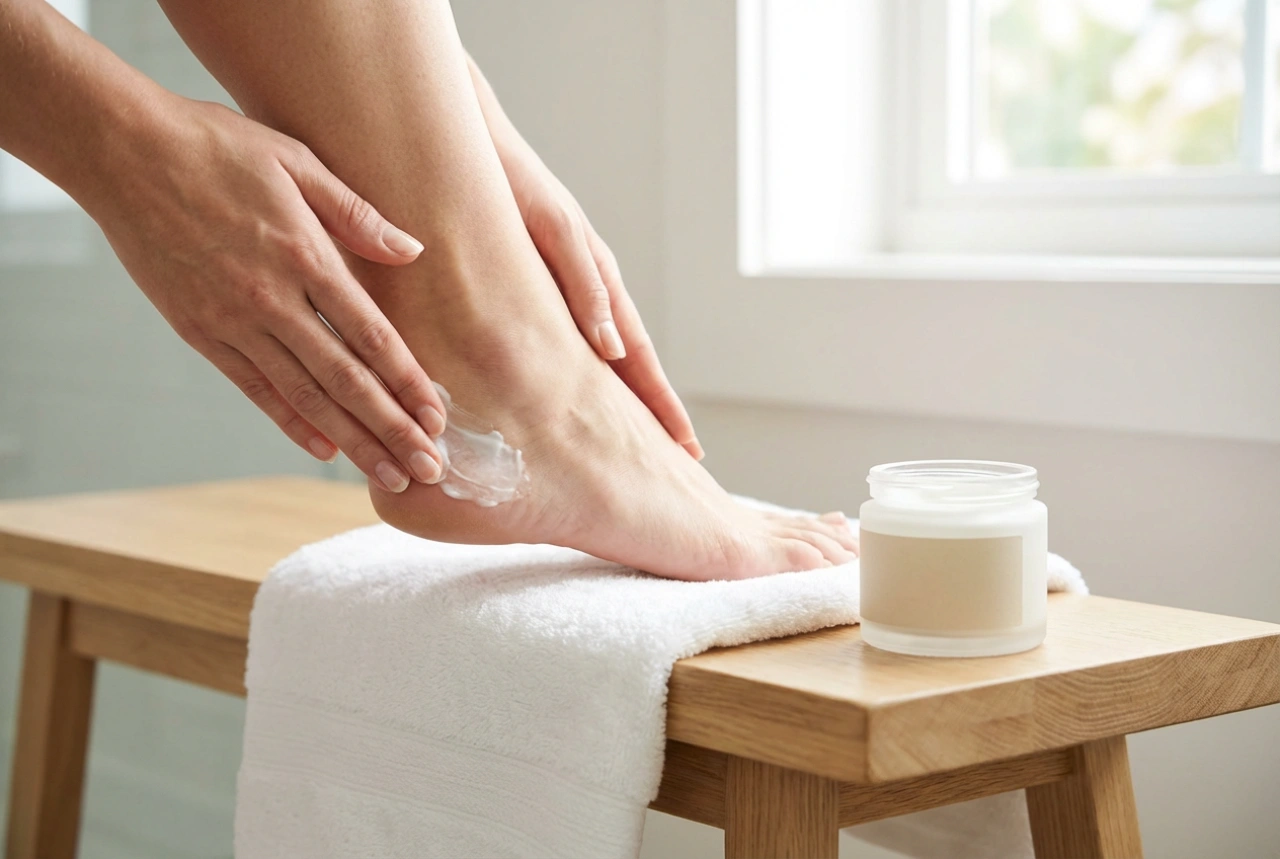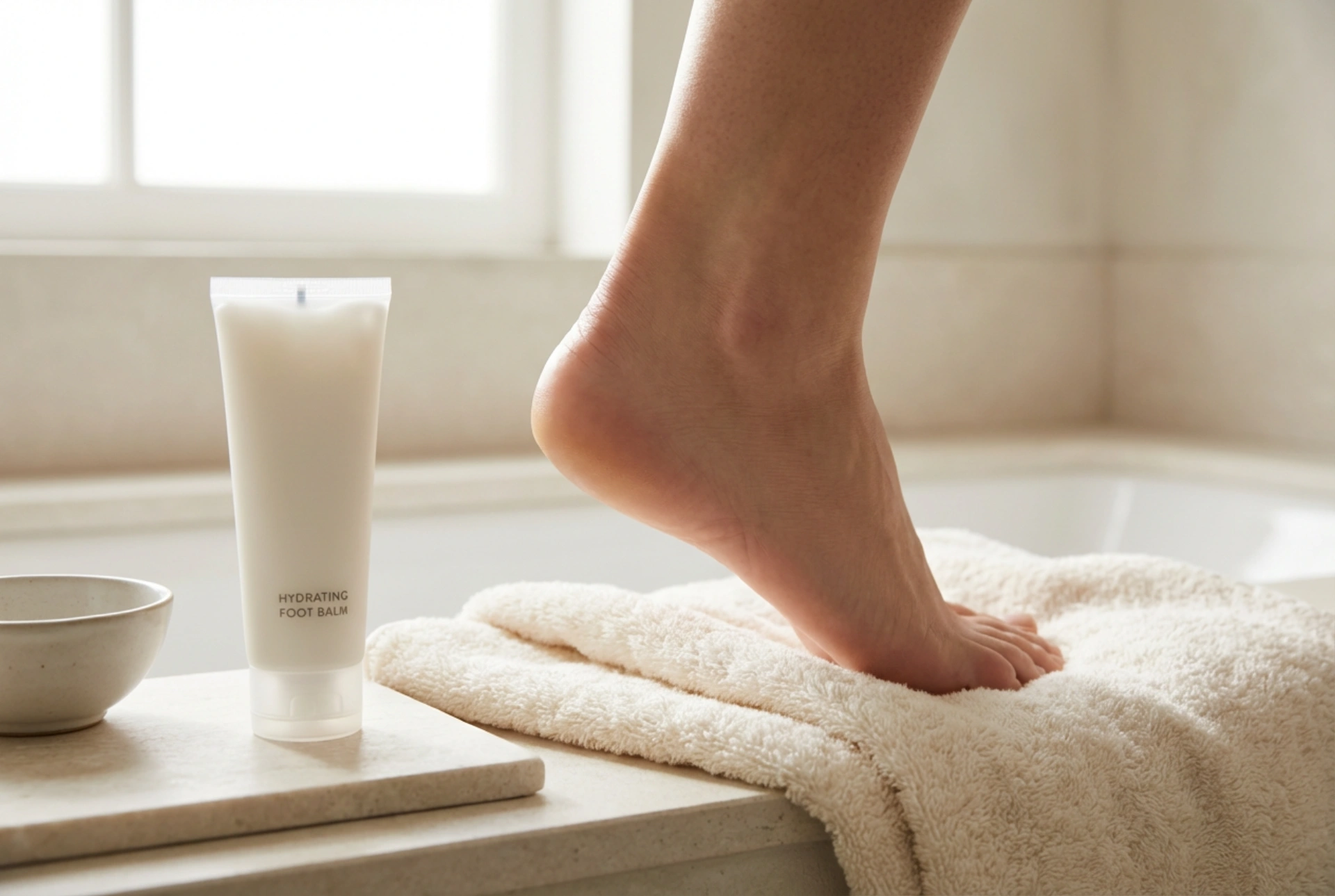


Achieving soft, beautifully smooth feet is a cornerstone of a mindful self-care routine. There is a distinct sense of comfort in resting hydrated, healthy feet on a soft, plush towel after a relaxing home treatment. However, many people struggle with dry, rough, and cracked skin on their heels. This common cosmetic concern not only affects the appearance of your feet but can also cause discomfort during daily movement. Understanding how to gently and effectively care for this specific area is key to restoring smoothness and preventing future dryness.
Why does the skin on your heels crack?
The skin on our feet is naturally thicker and more resilient than the skin on the rest of our body. Unlike other areas, the soles of our feet do not contain oil glands; they rely solely on sweat glands to maintain hydration. When moisture levels drop significantly, the skin loses its natural elasticity. Under the daily pressure of walking, standing, and friction from footwear, the dry skin on the heels can easily split and crack.
Several everyday factors contribute to this condition. Wearing open-backed shoes, walking barefoot, or standing for prolonged periods can increase the pressure on the heel pad, causing the dry skin to expand outwards and crack. Environmental factors, such as dry indoor heating in winter or hot sun in summer, also play a significant role in stripping moisture from the feet.
Gentle cleansing and safe exfoliation
When dealing with dry, rough heels, the instinct might be to aggressively scrub the skin away. However, harsh treatment can stimulate the skin to produce even thicker layers as a protective response. A gentle, systematic approach is far more effective for long-term foot health.
The benefits of foot baths
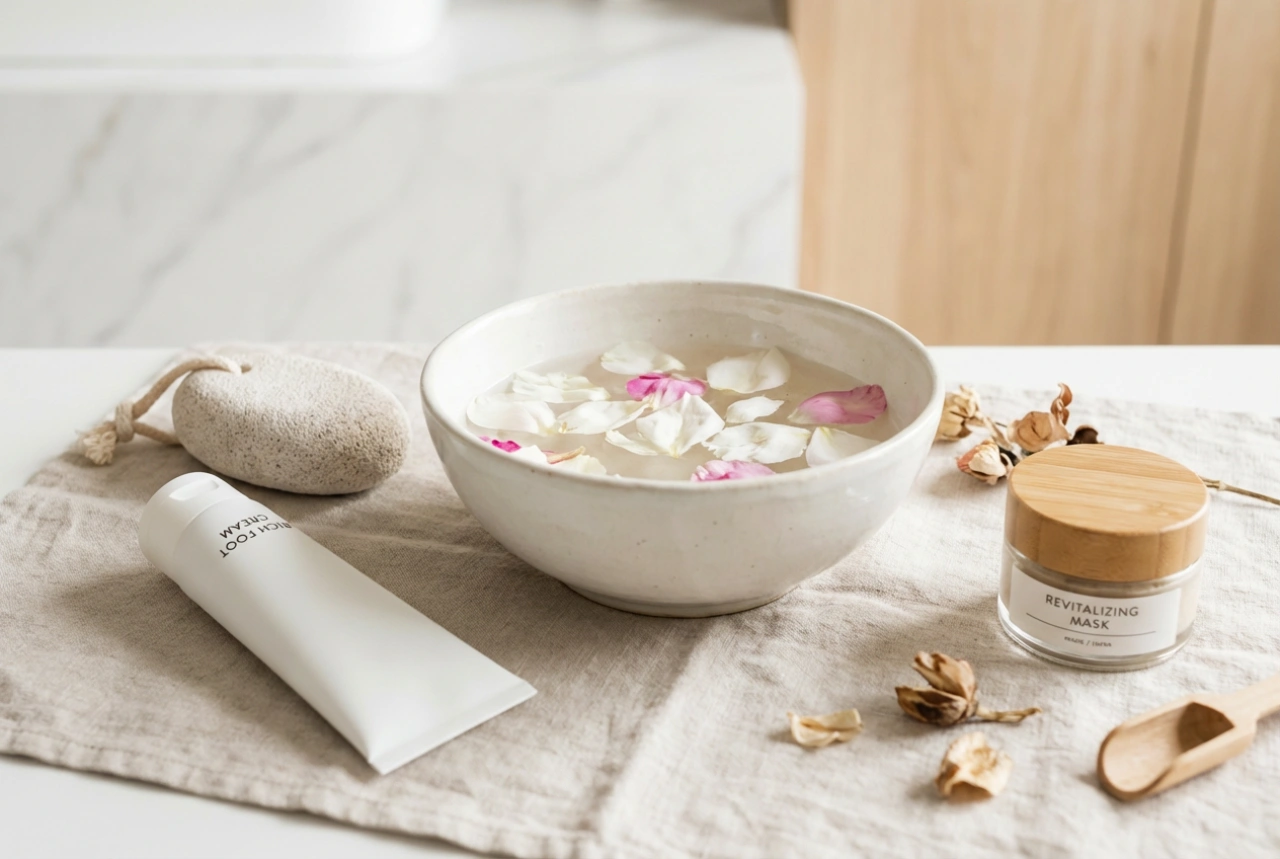
Soaking your feet in warm water for 10 to 15 minutes is an excellent way to soften the hardened skin before exfoliation. You can add cosmetic bath salts, natural oils, or herbal infusions like chamomile to enhance the softening effect. Ensure the water is warm, not hot, as excessively hot water can further deplete the skin’s natural lipid barrier.
Choosing the right exfoliation method
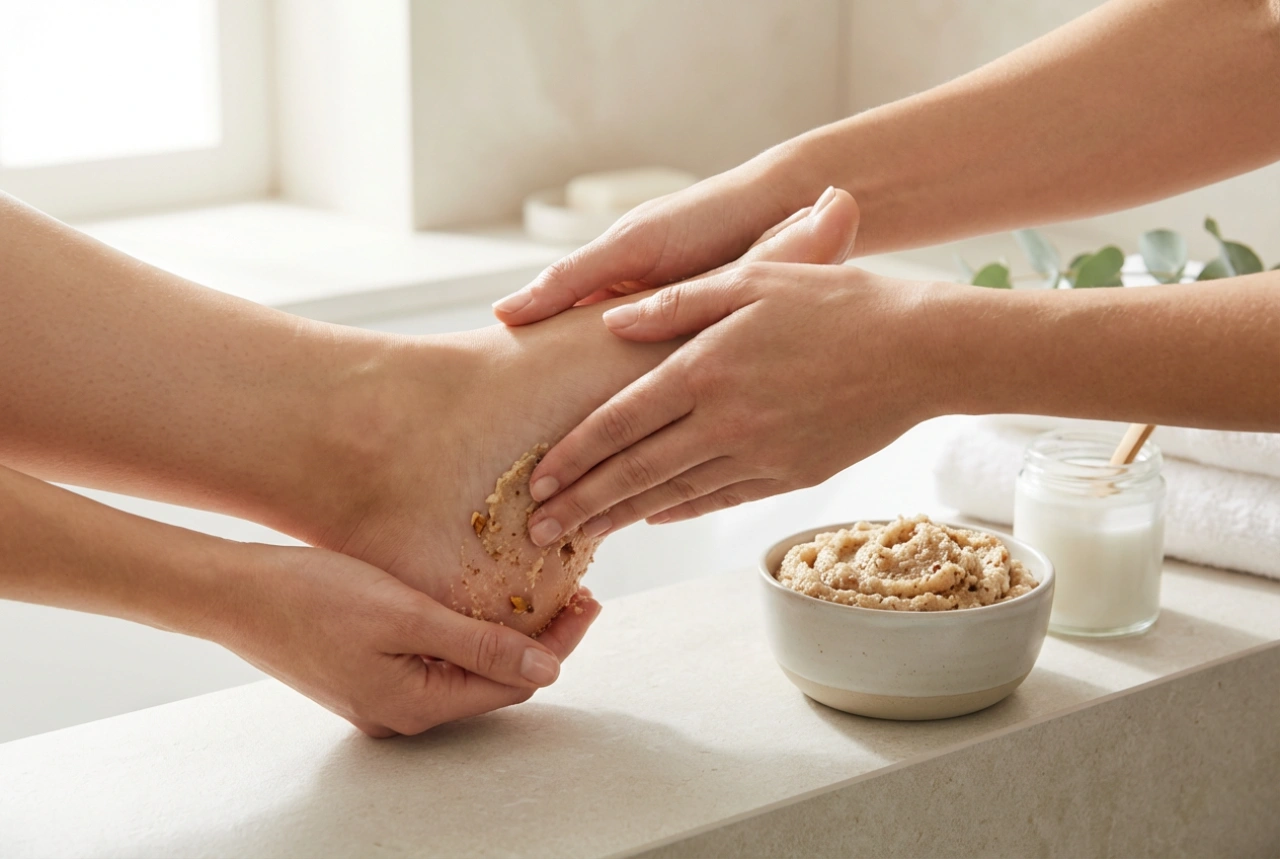
After a soothing soak, use a gentle foot file or a natural pumice stone to gently buff away the softened outer layers of dead skin. Always move the tool in a single direction rather than scrub vigorously back and forth. For a milder approach, cosmetic foot scrubs infused with natural particles like sugar or ground apricot kernels can be used regularly during your shower routine. Avoid sharp metal scrapers, which can create micro-tears in the skin and worsen the problem.
Deep hydration and nourishing balms
Exfoliation is only half the battle; the newly exposed skin requires immediate and intense hydration to rebuild its protective barrier. Applying a rich foot balm immediately after drying your feet is crucial for locking in moisture.
Look for cosmetic formulas specifically designed for thick foot skin. Key beneficial ingredients include:
- Urea: A natural humectant that attracts and binds water in the outer layers of the skin, helping to soften tough areas.
- Shea butter and cocoa butter: Rich plant emollients that nourish the skin barrier and restore elasticity.
- Glycerin: Helps to maintain moisture levels and prevents the skin from drying out quickly.
- Natural oils: Ingredients like almond oil, avocado oil, or tea tree oil provide deep nourishment and soothing properties.
An overnight recovery routine for dry heels
One of the most effective ways to accelerate the recovery of dry, cracked heels is an overnight intensive treatment. This simple, mindful ritual can easily fit into your evening self-care routine and delivers visible results by morning.
Start by cleansing and thoroughly drying your feet. Apply a generous, thick layer of your chosen nourishing balm or cream directly onto the heels, massaging it in gently to stimulate circulation. Immediately after application, put on a pair of clean, breathable cotton socks. The socks help to retain heat and prevent the product from rubbing off onto your bedsheets, allowing the active ingredients to deeply penetrate the skin barrier throughout the night.
Preventive habits for beautiful feet
Consistency is key to maintaining smooth, healthy heels. Once the skin has recovered, continuing a simple maintenance routine will prevent the dryness from returning. Apply a moisturizing foot cream daily, preferably after your evening shower. Additionally, pay attention to your footwear; choose shoes that support the heel and offer adequate cushioning to reduce daily pressure. Staying hydrated by drinking plenty of water also supports skin health from the inside out, keeping your feet looking and feeling their best.