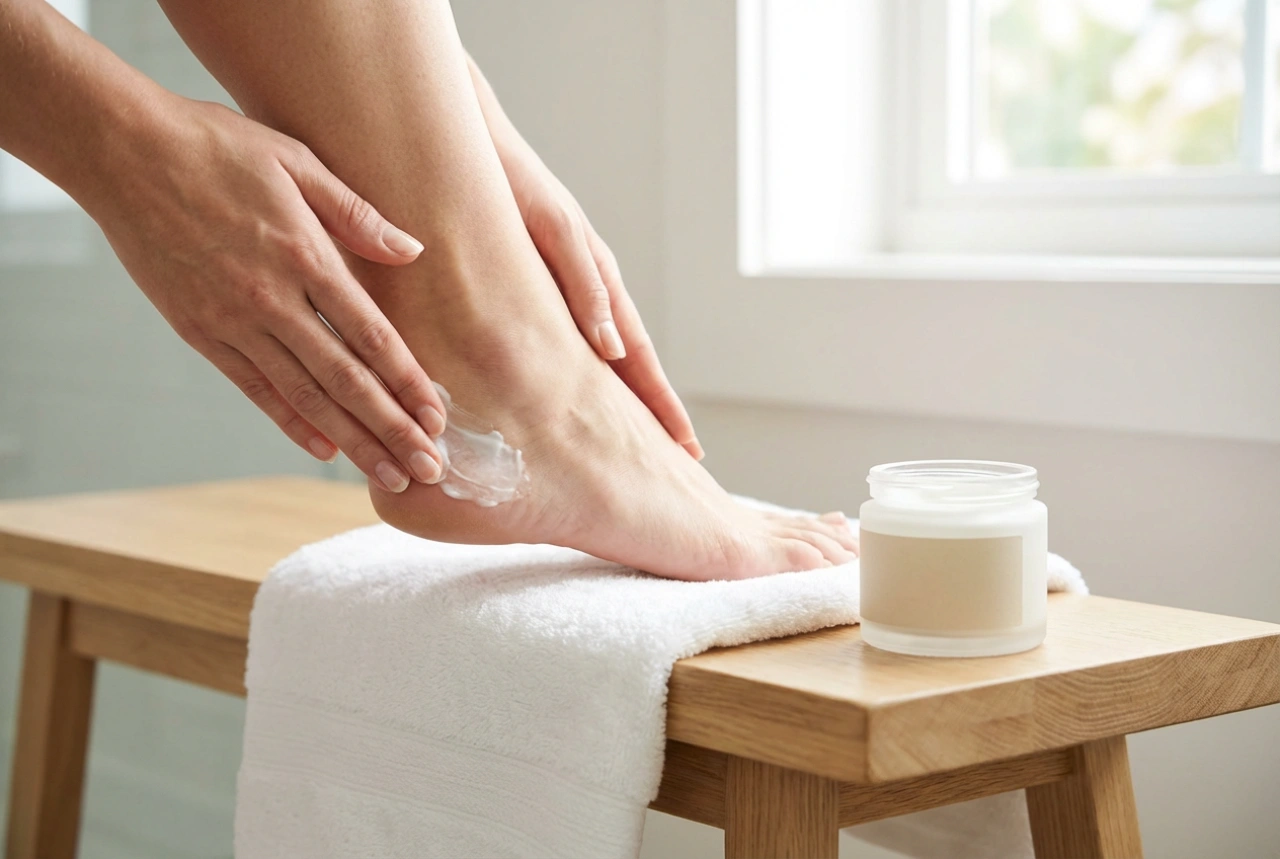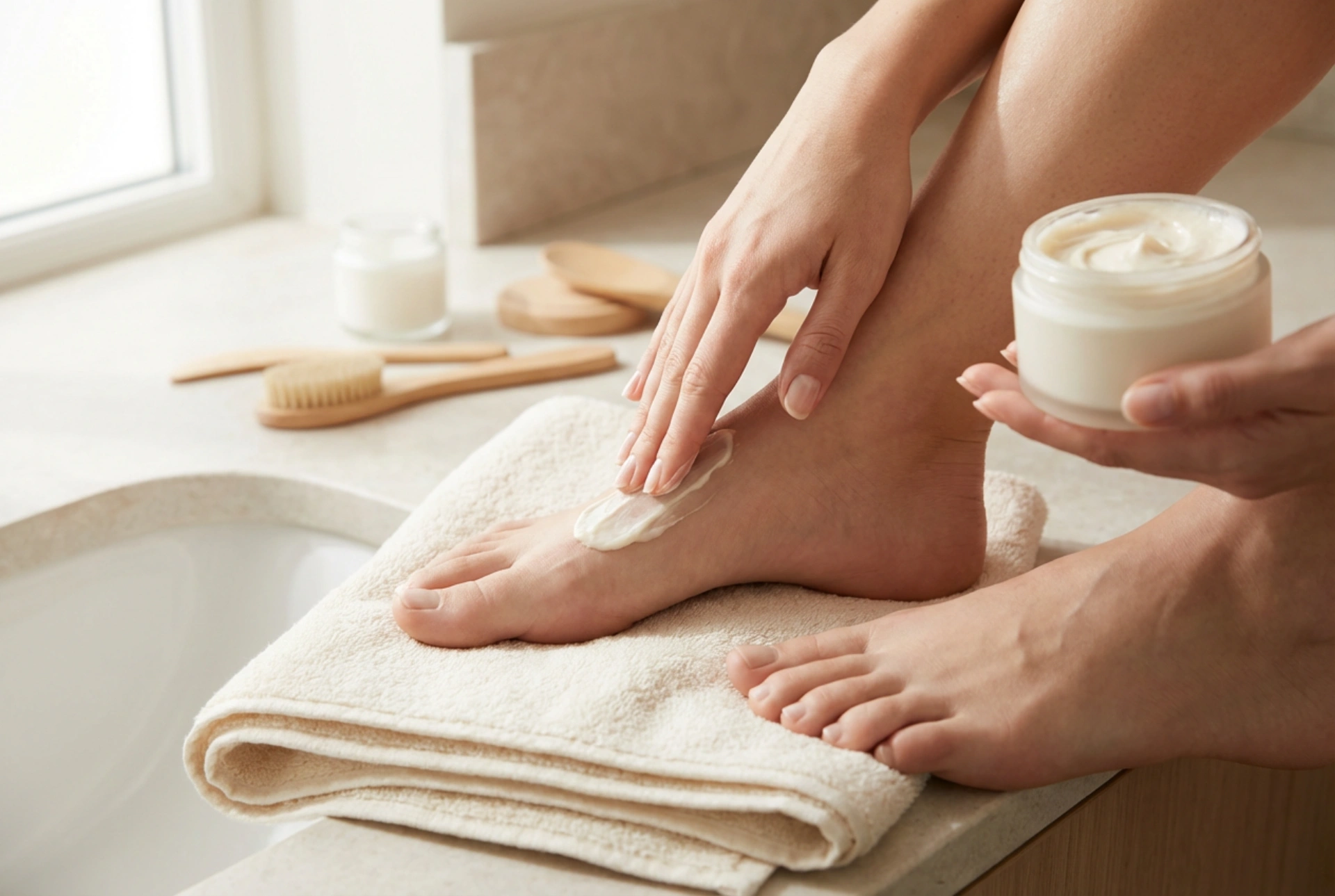


Taking time out of a busy schedule to pamper your feet is one of the most rewarding self-care rituals. Placing your feet on a plush, soft towel and applying a rich, creamy foot mask is not just about aesthetics; it is about restoring comfort and softness to skin that works hard every single day. While we often dedicate extensive routines to our face and hands, our feet deserve the same level of attention, especially when they begin to feel dry, rough, or fatigued. Using a dedicated foot mask can elevate your home pedicure routine, providing deep nourishment that standard lotions cannot always match.
Understanding the Different Types of Foot Masks
Just like facial skincare, foot care is not one-size-fits-all. Foot masks come in various formulations, each designed to address specific concerns ranging from extreme dryness to natural skin renewal. Understanding these types will help you select the ideal treatment for your personal relaxation ritual.
Nourishing Cream-Based Masks
Creamy, wash-off or leave-on masks are the ultimate treat for dry, dehydrated skin. These rich formulas are packed with emollients, plant oils, and moisture-binding humectants. They work by replenishing the lipid barrier of the skin, making them perfect for weekly maintenance. You can apply them generously, wrap your feet in warm towels, and enjoy a deeply hydrating treatment that leaves the skin feeling velvety soft.
Exfoliating Foot Socks
These are wearable plastic booties pre-filled with active exfoliating ingredients, such as fruit acids and gentle enzymes. Instead of physically scrubbing the skin, these masks work over several days to encourage the natural shedding of dead skin cells. They are ideal for addressing rough patches and restoring a uniform, smooth texture. However, they require patience, as the peeling process typically begins a few days after application.
Cooling and Soothing Gel Masks
If you spend long hours standing or experience heavy, tired legs at the end of the day, a cooling gel mask is highly beneficial. Often infused with botanical extracts like mint, eucalyptus, or aloe vera, these formulas provide an instant refreshing sensation. They help to soothe fatigued feet, reduce the feeling of tension, and leave the skin feeling revitalized and light.
How to Choose the Right Foot Mask for Your Skin
Selecting the perfect product depends on your immediate skincare goals. If your primary concern is rough, hardened skin on the soles and heels, an exfoliating mask or a formula containing gentle peeling agents is highly recommended. These help to refine the skin texture without the need for aggressive physical filing.
For those struggling with dry, flaky skin that lacks elasticity, a rich, lipid-replenishing cream mask is the best choice. Look for ingredients that mimic the skin's natural moisture barrier. If you simply want to wind down after a long week, a sensory, aromatic clay or gel mask with lavender or chamomile will turn your routine into a peaceful spa-like experience at home.
Step-by-Step Guide to Applying a Foot Mask at Home
To maximise the benefits of your chosen treatment, it is essential to prepare the skin properly. Following a systematic approach ensures that the active ingredients penetrate effectively and deliver the best possible results.
Step 1: Cleanse and Soak
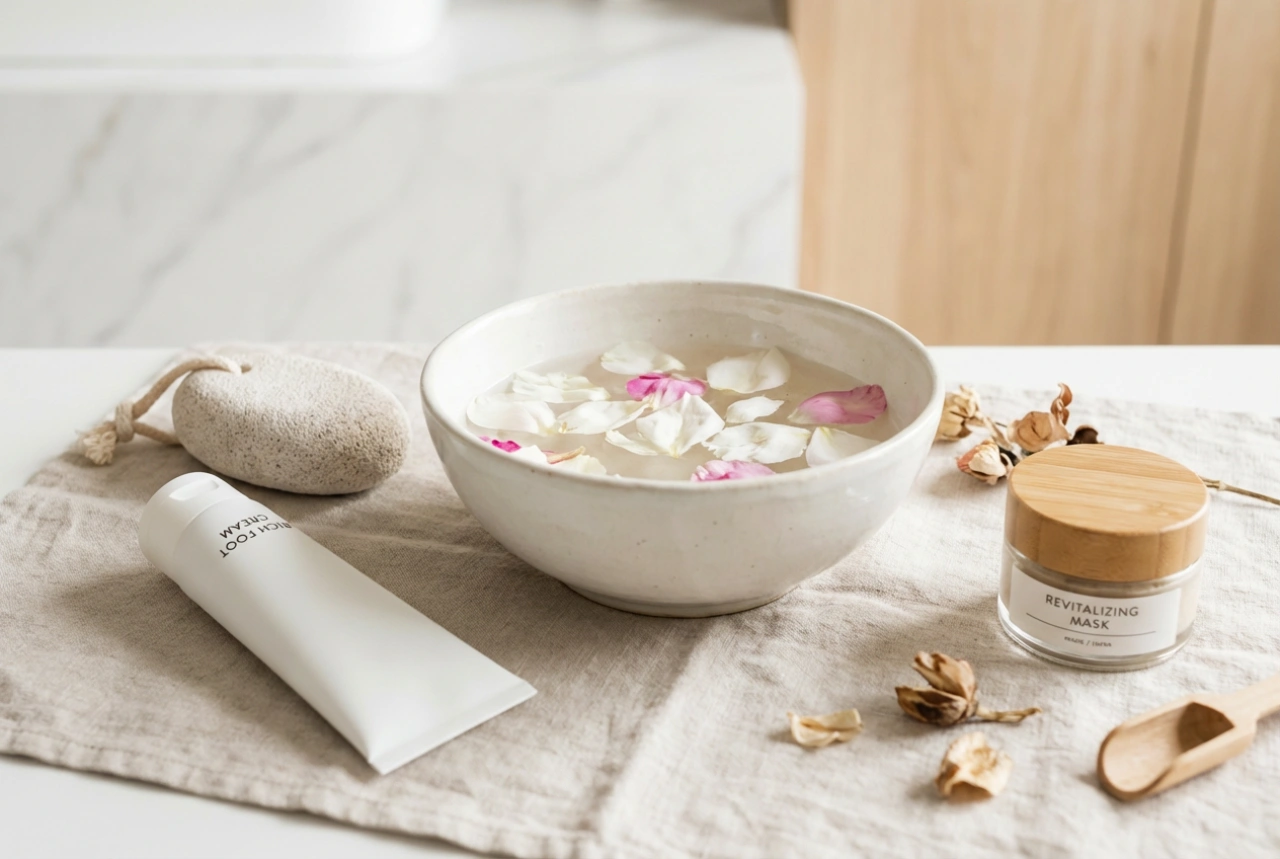
Begin by thoroughly washing your feet with a gentle cleanser. For an enhanced experience, soak your feet in a basin of warm water for ten to fifteen minutes. You can add bath salts or a few drops of natural oil to the water. This softens the outer layers of the skin, making it far more receptive to the active ingredients in your mask.
Step 2: Gentle Prep
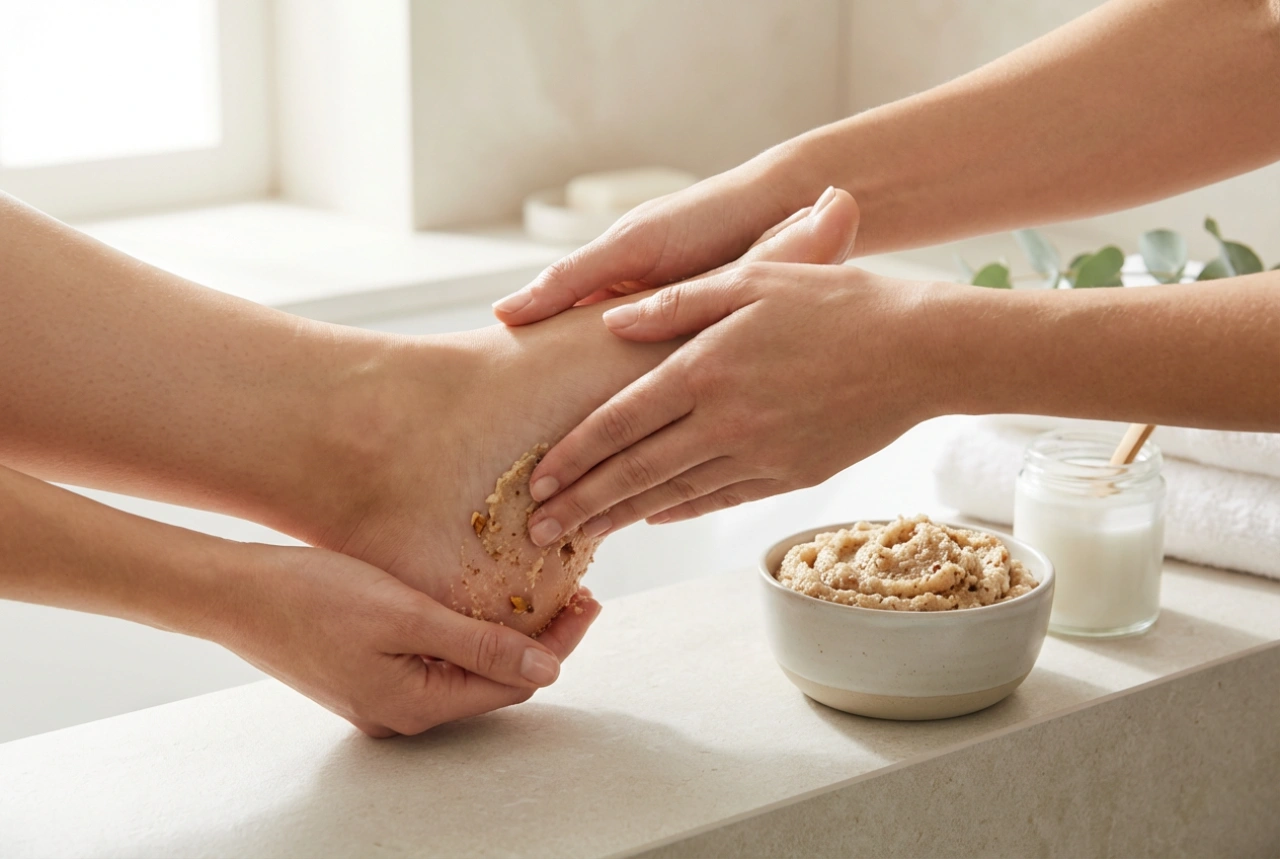
While the skin is still damp, you can gently use a soft foot scrub to remove loose, dead skin cells. Avoid using harsh metal rasps or sharp tools, as these can cause micro-tears in the skin. A mild physical exfoliant prepares a smooth canvas for the mask.
Step 3: Application of the Mask
Dry your feet thoroughly with a clean, soft towel. If you are using a creamy mask, apply a generous, even layer over the entire foot, paying extra attention to the heels and the balls of the feet. If you are using wearable mask socks, carefully slip your feet inside and secure them around the ankles to prevent any product from escaping.
Step 4: Relaxation and Absorption
This is the perfect moment to sit back, unwind, and let the product do its work. Leave the mask on for the duration recommended by the manufacturer—typically fifteen to thirty minutes for cream masks, or longer for exfoliating booties. Elevate your feet on a plush cushion or towel to enhance circulation and comfort.
Step 5: Removal and Final Massage
For wash-off cream masks, gently wipe away any excess product with a warm, damp cloth, or rinse with lukewarm water. If the formula is a leave-on treatment, take a few minutes to massage the remaining cream into your skin using upward, circular motions. This massage not only aids absorption but also stimulates local circulation, leaving your feet feeling thoroughly pampered.
Key Cosmetic Ingredients to Look For
When reading ingredient lists, look for components that offer genuine cosmetic benefits. Excellent hydrating options include shea butter, cocoa butter, and avocado oil, which provide rich fatty acids to soften rough skin. Glycerin and urea are outstanding humectants that draw moisture into the deeper layers of the epidermis. To soothe the skin, seek out ingredients like chamomile extract, panthenol, and allantoin, which promote comfort and skin resilience.
Maintaining Soft and Beautiful Feet
Consistency is key to keeping your feet in optimal condition. Between weekly mask treatments, ensure you apply a standard moisturising foot cream daily, ideally before going to bed. Wearing breathable cotton socks after applying cream can lock in moisture overnight. By establishing a balanced, regular routine, you can enjoy smooth, healthy-looking, and beautiful feet all year round.