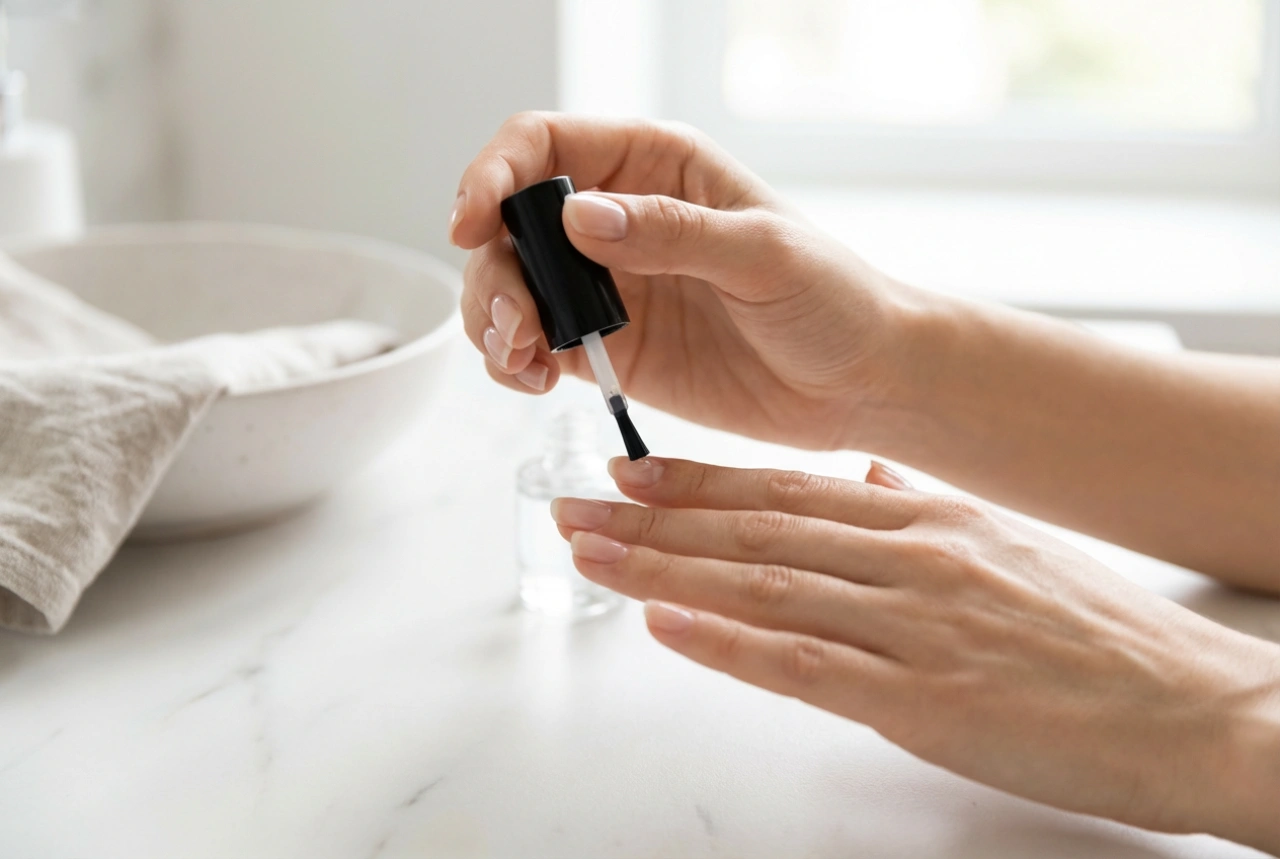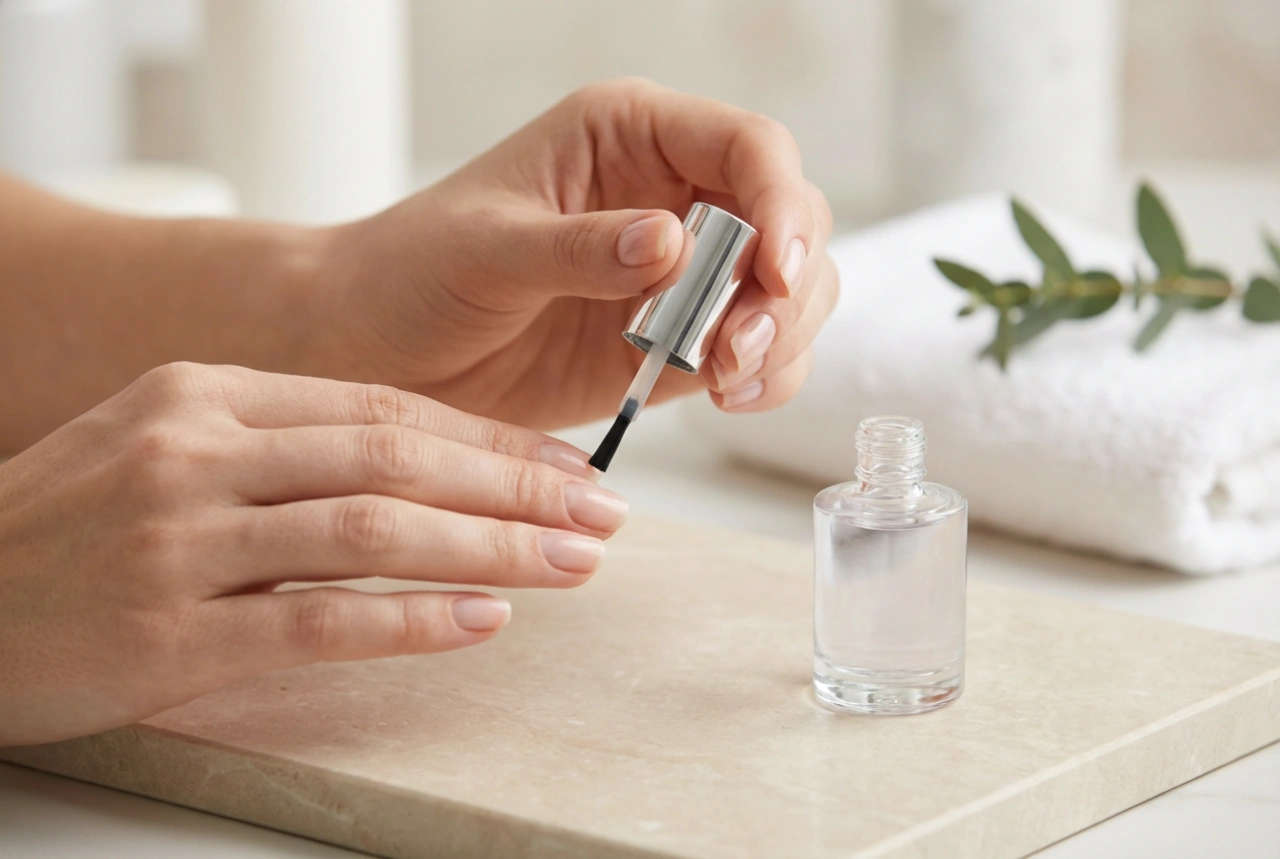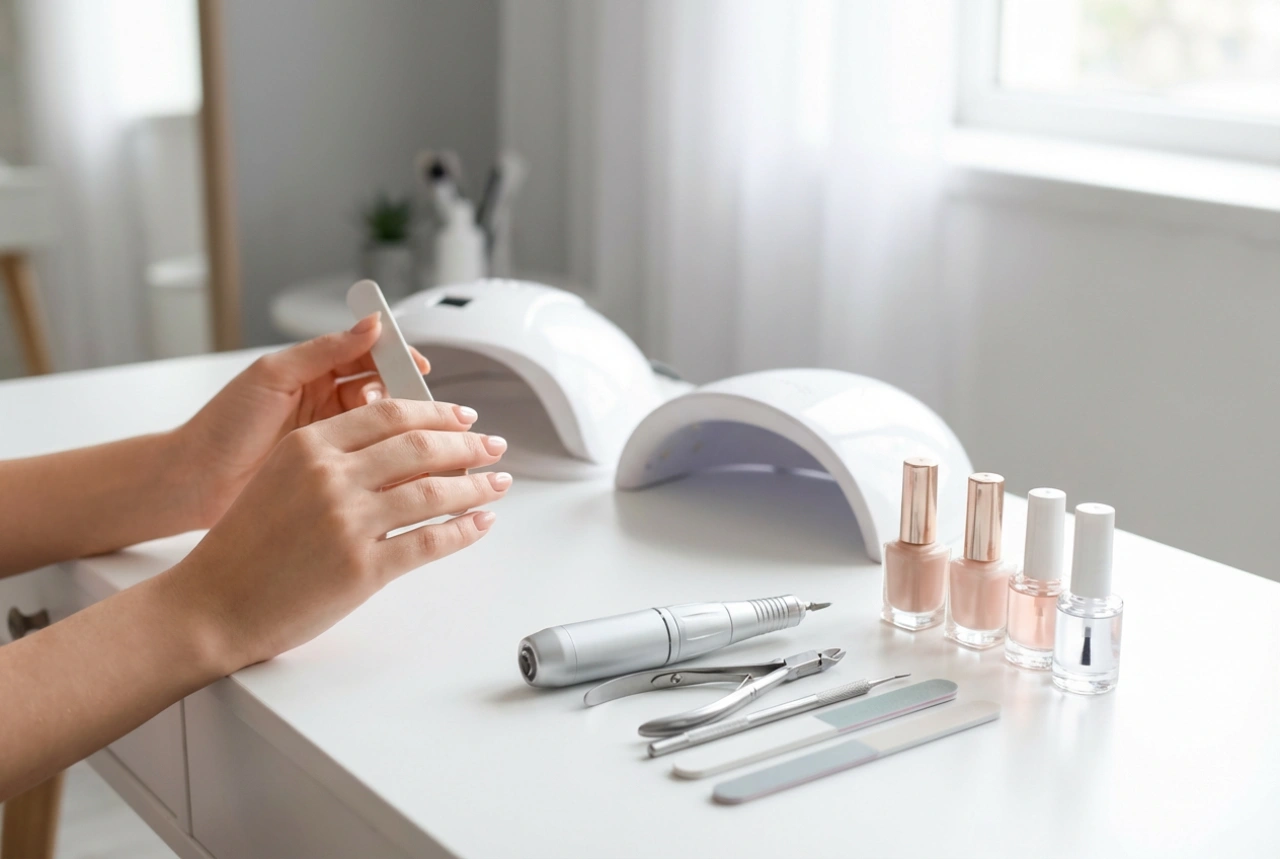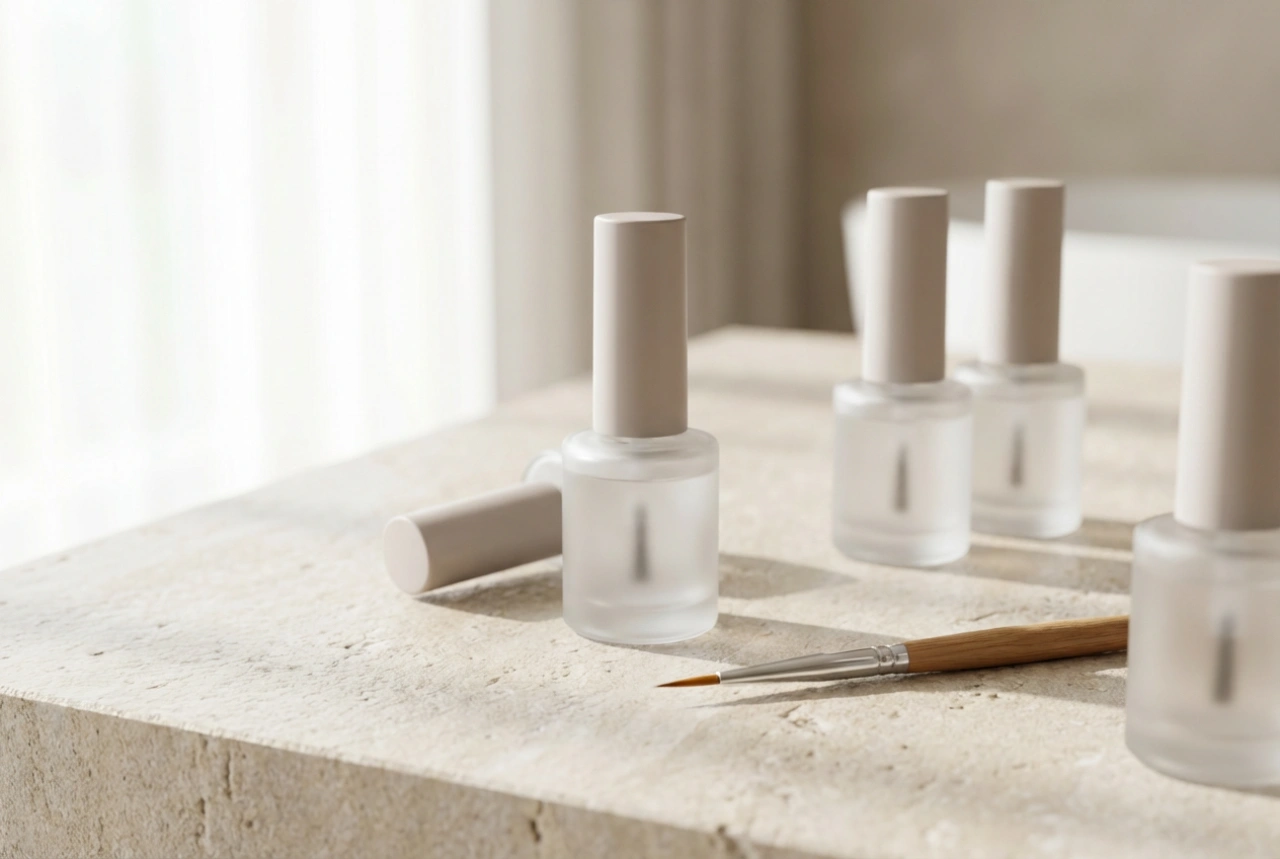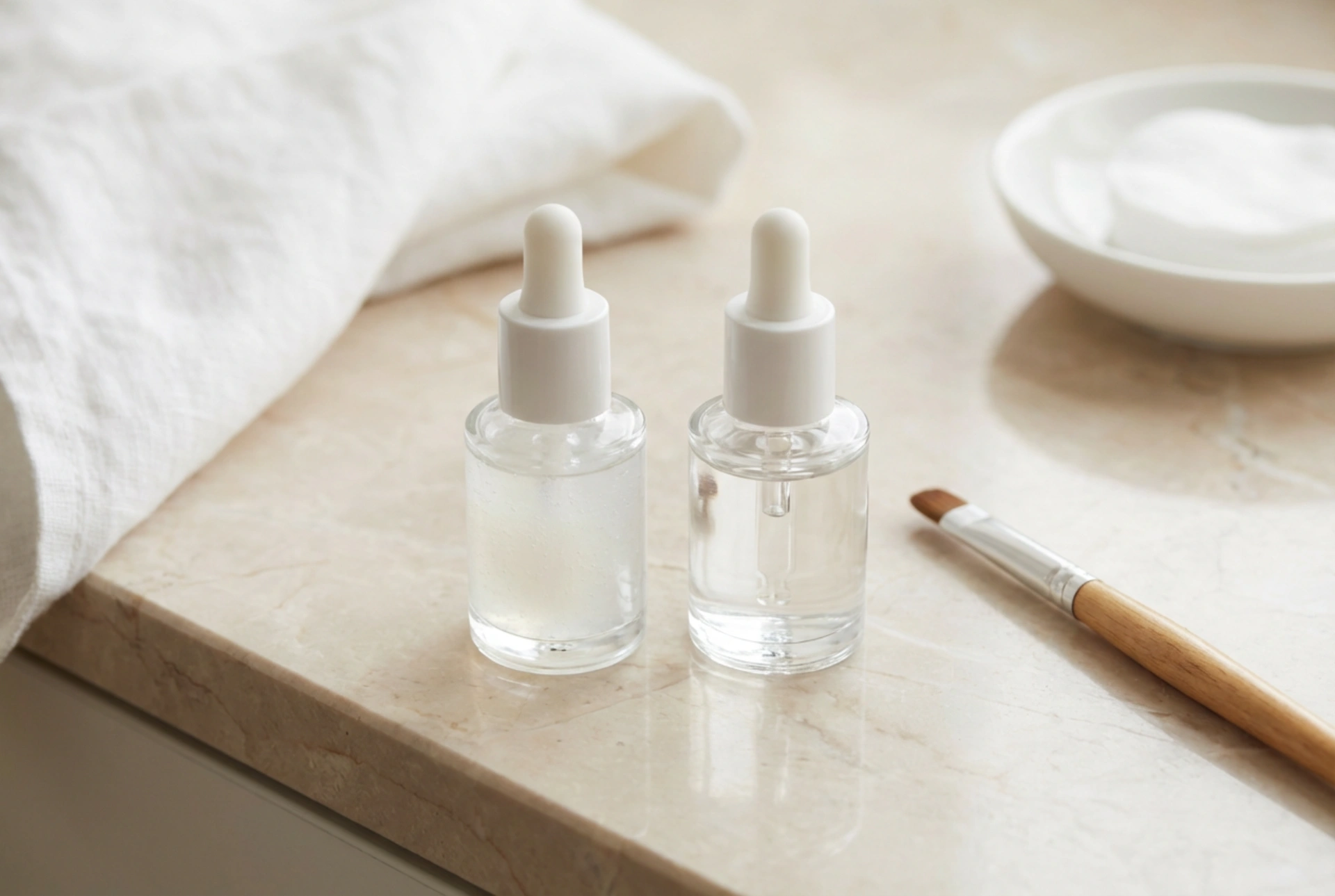


A beautifully prepared manicure workspace, illuminated by soft natural light, often features a minimalist array of essential preparation liquids. Among these, two small bottles frequently stand side-by-side: acid and acid-free nail primers. While they may look nearly identical in their elegant packaging, their chemical properties and roles in nail styling are vastly different. Choosing the right preparation is one of the most critical steps in achieving a long-lasting, flawless manicure, whether you are applying hybrid gel, classic builder gel, or acrylics. Understanding how these products interact with the natural nail plate is the key to preventing lifting and ensuring perfect adhesion.
What is a Nail Primer and Why is it Necessary?
Before applying any styling product, the natural nail plate requires thorough preparation. This process involves shaping, pushing back the cuticles, gently buffing the surface, and dehydrating the plate with a dedicated cleanser. However, for many individuals, these steps alone are not sufficient to guarantee that the manicure will remain intact for several weeks. This is where nail primers come into play.
A nail primer is a specialised liquid designed to enhance the adhesion between the natural keratin of the nail and the synthetic layers of gel or acrylic. It acts as an intermediary agent, preparing the surface so that the base coat can bond securely. Without a primer, natural oils and moisture can easily cause the product to lift from the edges, leading to premature chipping or complete detachment. Primers are generally categorised into two main types: acid-based and acid-free. Each serves a distinct purpose and is formulated for different nail types.
Acid-Based Nail Primers: Deep Etching for Demanding Plates
Acid-based primers are traditional formulations that rely heavily on methacrylic acid. This strong chemical component works by temporarily opening up the keratin scales of the natural nail plate. By etching the surface on a microscopic level, it creates a rough texture that allows the styling product to form an incredibly strong, mechanical bond with the nail.
Because of its potent formula, an acid primer is highly effective at dehydrating and degreasing the nail. It is the ideal choice for individuals with particularly demanding nail plates, such as those prone to excessive moisture, hyperhidrosis, or hormonal imbalances that cause frequent lifting of styling products. However, due to its strength, it must be applied with extreme caution. It should never come into contact with the surrounding skin or cuticles, as it can cause irritation. Acid-based primers dry completely on the nail, leaving a chalky, matte white finish that signals the surface is ready for the next step.
Acid-Free Nail Primers: The Gentle, Sticky Bond
In contrast to traditional formulas, acid-free primers have become the modern standard in nail styling. Instead of etching the nail plate, they work on a molecular level to create a chemical bond. An acid-free primer is often compared to double-sided adhesive tape. It leaves a slightly tacky, shiny residue on the surface of the nail, which acts as a bridge, anchoring the base coat firmly to the natural keratin.
This type of primer is much gentler on the natural nail plate and does not alter its structure. It is formulated with milder solvents, making it the perfect choice for normal, dry, or slightly damaged nails. Because it does not cause irritation upon accidental contact with the skin, it is highly recommended for beginners and everyday home manicures. Unlike the acid version, an acid-free primer does not evaporate completely; the shiny, sticky layer remains on the nail and must not be wiped off before applying the base gel.
Key Differences at a Glance
To choose the correct product for your nail type, it is helpful to compare their main characteristics:
- Chemical Mechanism: Acid primers etch the nail keratin to create mechanical adhesion, whereas acid-free primers create a chemical, double-sided sticky bond.
- Visual Appearance: Acid-based primers evaporate fully, leaving a matte, chalky surface. Acid-free primers leave a wet-look, shiny, and sticky layer.
- Application Technique: Acid primers are applied in tiny droplets that spread automatically across the plate. Acid-free primers are applied in a thin layer, similar to a classic nail polish.
- Target Audience: Acid primers are reserved for problematic, oily, or highly moist nail plates. Acid-free primers are suitable for the vast majority of standard, healthy, or dry nails.
How to Correctly Apply Nail Primers for Best Results
Achieving the perfect bond requires precise application techniques, regardless of the primer you choose. Always start with a thoroughly cleaned, shaped, and dehydrated nail plate. Once the dehydrator has evaporated, you can proceed with your selected primer.
When using an acid-based primer, remove the brush from the bottle and wipe off any excess liquid on the neck. Place a single, small drop in the centre of the nail plate. The liquid will naturally spread across the surface. Ensure it does not touch the cuticles. Wait approximately one to two minutes until the product completely evaporates and the nail turns chalky white before applying your base coat.
For an acid-free primer, apply a very thin layer over the entire nail plate, avoiding the skin. Unlike the acid version, you do not need to wait for it to dry completely, as it is designed to remain tacky. It usually dries to a sticky finish within 30 to 40 seconds. Once applied, you can immediately proceed with your hybrid or gel base coat, ensuring a strong, resilient bond that will protect your manicure for weeks to come.